
The American dream of urban living has always included aspirations of thriving in dynamic cities brimming with opportunities, culture, and innovation. Yet in recent years, several once-thriving metropolitan areas have experienced startling population drops and economic challenges. Population growth in the United States has slowed significantly with an increase of only 1.8 million, or 0.5%, between July 1, 2024, and July 1, 2025, according to the new Vintage 2025 population estimates released today by the U.S. Census Bureau. These shifting demographics tell a complex story of cities struggling to retain residents amid rising costs, safety concerns, and changing work patterns. While some urban centers are showing signs of recovery, others continue to hemorrhage residents at alarming rates.
For anyone considering relocation or investment in urban America, understanding these trends matters more than ever. The cities experiencing decline were once powerhouses that attracted millions seeking better lives. Today, they face challenges that range from deteriorating infrastructure to vanishing tax bases. According to St. Louis Public Radio, 2024 U.S. Census data showed that St. Louis had the most severe population decline of any American city, losing more than 20,000 residents in just four years. This article examines four major cities where the population exodus tells a cautionary tale about urban planning, economic policy, and the changing nature of American city life.
Detroit: The Motor City’s Ongoing Struggle
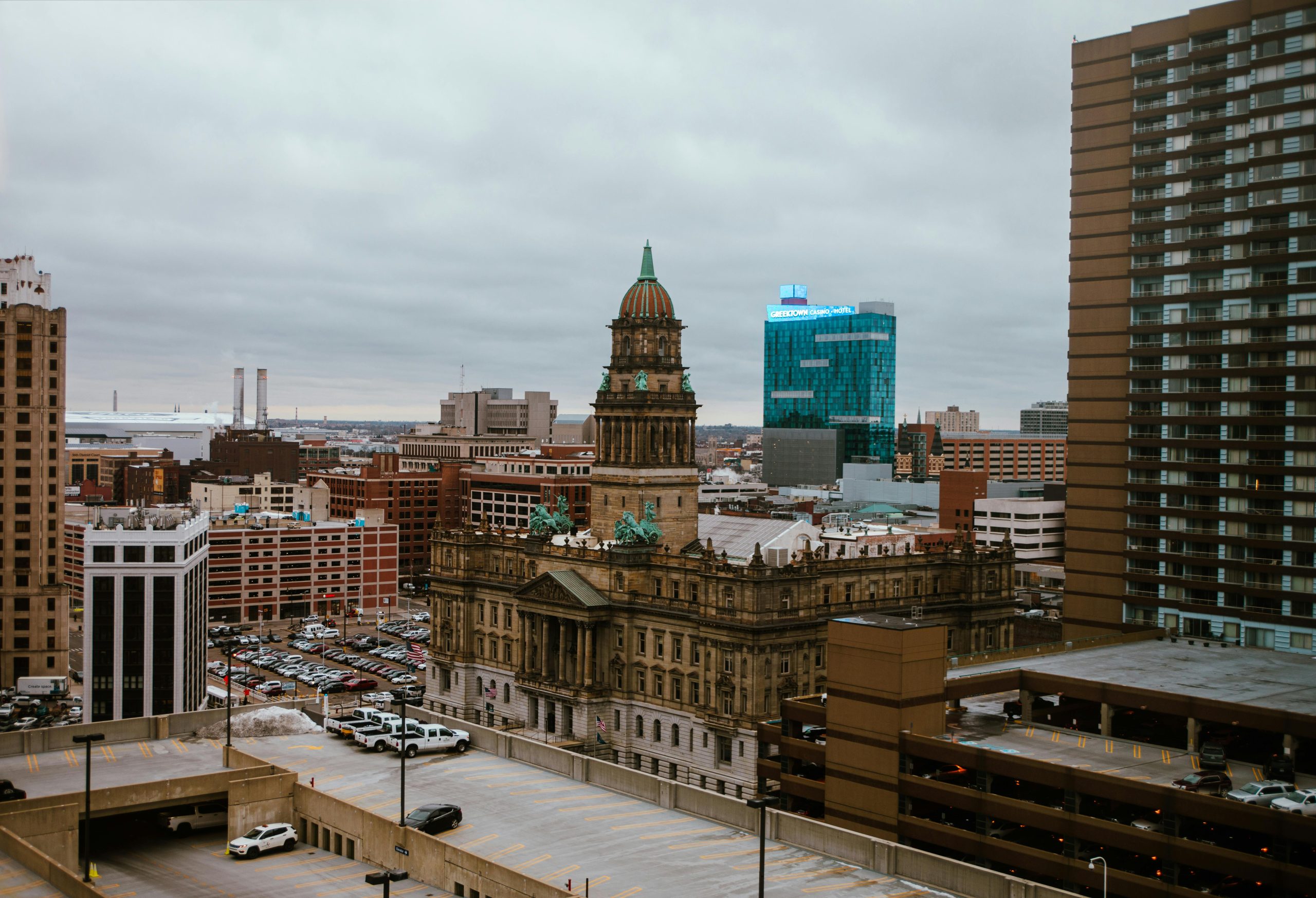
Detroit stands as perhaps the most iconic example of American urban decline, a city that once represented industrial might and middle-class prosperity. From its peak population of 1.8 million in 1950, Detroit’s population fell by over 60%, dropping to 713,000 by 2010 and continuing to decline to 631,524 in 2024. The city that built America’s automotive empire has endured seven consecutive decades of population loss, transforming vast neighborhoods into empty lots and abandoned structures. According to the urban regeneration nonprofit, Detroit Future City, there are more than 100,000 vacant lots that have become symbols of urban blight.
The story behind Detroit’s decline involves multiple interconnected factors that created a perfect storm of urban decay. Manufacturing job losses devastated the economic foundation as auto production shifted overseas and to non-union states. This shift in manufacturing devastated the Motor City. Detroit reached its peak in the 1950s with a population of 1.8 million, according to a study by the Economy League, but by the mid-2000s, the population had dropped by more than 60%. High property taxes, crumbling infrastructure, and persistent crime issues pushed middle-class families to suburban areas. The city filed for bankruptcy in 2013, marking the largest municipal bankruptcy in American history with twenty billion dollars in unpaid bills. Still, there are glimmers of hope, as In 2024, the United States Census Bureau reported that Detroit experienced a slight population increase in its 2023 estimates, marking the city’s first recorded growth since 1957.
St. Louis: Accelerating Population Loss in the Gateway City
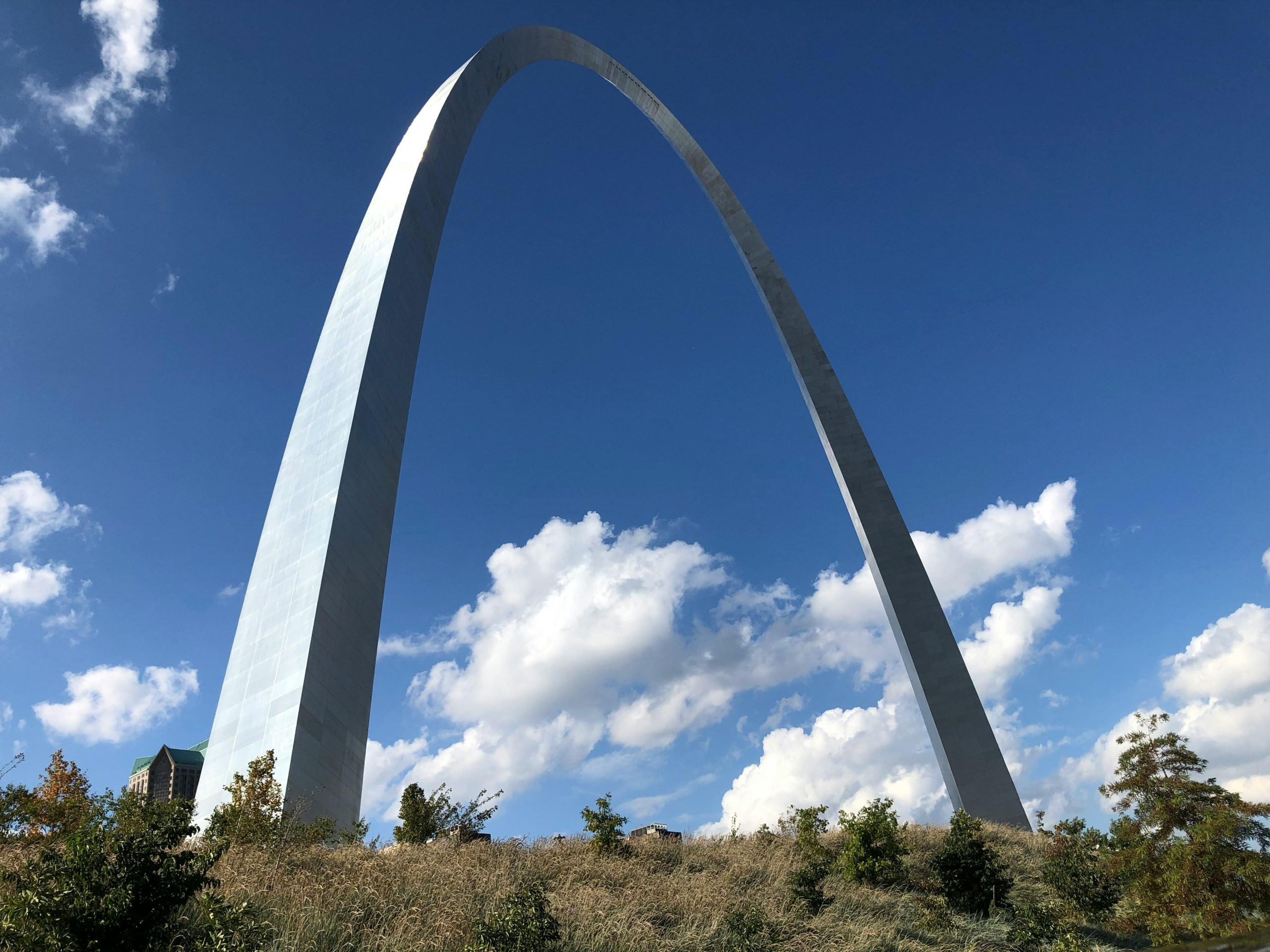
St. Louis presents an even more alarming trend than Detroit, with its population decline not just continuing but actually accelerating in recent years. The report, which was released Thursday, has St. Louis taking the top spot from San Francisco for the period from 2020 to 2024. St. Louis lost an estimated 21,700 residents during those four years. The city that once served as the Gateway to the West has shrunk dramatically from its 1950s peak. At its peak in the 1950s, St. Louis had nearly 900,000 people living in the city. Now, the population stands at just under 280,000. That’s a drop of about 65%.
Unlike some other declining cities where the rate of loss has slowed, St. Louis faces a particularly severe crisis. The decline is closely tied to the loss of families with children, said Ness Sandoval, a professor of sociology and demography at St. Louis University, who conducted the analysis. Young families are leaving for communities in the suburbs with better assets, such as parks and schools. Like many Rust Belt cities, St. Louis suffered from industrial decline as manufacturing jobs disappeared and companies moved production overseas. The loss of jobs hit low-income neighborhoods especially hard, contributing to crime rates that have made some areas among the nation’s most dangerous. The continued exodus of residents erodes the tax base, making it increasingly difficult for the city to provide adequate services and maintain infrastructure, creating a vicious cycle of decline.
San Francisco: Tech Exodus and Housing Crisis

San Francisco represents a different kind of urban decline, one driven not by industrial collapse but by soaring costs and quality-of-life concerns in what was once America’s most desirable tech hub. San Francisco has been one of the nation’s biggest population losers since the start of the 2020 pandemic. The city gained roughly 1,200 people by July 2023, compared to a year earlier, according to the new figures, but that still left it 7 percent smaller than its peak in 2019. The 2020 pandemic accelerated an exodus that had already begun, with remote work policies allowing tech workers to flee sky-high housing costs for more affordable locations.
The California exodus affected multiple Bay Area cities, but San Francisco experienced particularly dramatic losses. According to U.S. Census Bureau data, San Francisco’s under-five population has dropped by 15 percent since the start of the 2020 pandemic. LA county is right behind San Francisco at 14 percent. Housing costs remain the primary driver, with families finding it increasingly impossible to afford homes even on substantial tech salaries. Crime and public safety concerns have compounded the issue, with high-profile incidents of retail theft and visible homelessness making national headlines. While recent data shows The smallest increase locally was in Alameda County, which had a 0.67% increase from the previous year, followed by Marin at 0.78%, Contra Costa at 0.9%, and San Francisco at 1.02%. the city is beginning to stabilize, it still faces significant challenges in attracting and retaining young families.
Chicago: The Windy City’s Persistent Decline

Chicago has experienced nine consecutive years of population decline, dropping to levels not seen in over a century. More than 100 years later, Chicago’s population is 2.66 million, a loss of 128,034 from nine straight years of decline. Chicago’s population is lower now than it was in 1920, with steady drops in each of the past nine years. The nation’s third-largest city faces the real possibility of being overtaken by Houston within the next decade if current trends continue. Chicago lost 8,208 residents in 2023, the third-largest decline of any city in the nation.
The factors driving people away from Chicago mirror challenges facing other Midwestern cities but with unique intensity. The Chicago metro area’s unemployment rate is the highest in the nation among large metropolitan areas and Illinois unemployment remains well above the U.S. average. High property taxes combined with concerns about crime and school quality have pushed families to seek opportunities elsewhere. Population loss in Chicago – and Illinois in general – can be attributed to one cause: people moving out. More people are moving out of the city than are moving in. While international migration continues to be a boon to population counts and births still outpace deaths, Chicago’s population decline is because Chicagoans are leaving. Polling shows that when taxes are included as a response option, they consistently rank as the number one reason residents consider leaving. The city received a temporary boost in 2024 from international migration, including asylum seekers, but this has not reversed the underlying trend of domestic outmigration.
The Future of Declining Cities
These four cities illustrate different pathways to urban decline, yet they share common threads that offer lessons for policymakers and potential residents alike. Whether driven by industrial collapse, unaffordable housing, or high taxes, population loss creates a downward spiral that becomes increasingly difficult to reverse. Smaller tax bases mean reduced city services, which in turn drives more residents away. Using population projections, we found that, by 2100, close to half of the nearly 30,000 cities in the United States will face some sort of population decline, representing 12–23% of the population of these 30,000 cities and 27–44% of the populated area. The implications of this massive decline in population will bring unprecedented challenges, possibly leading to disruptions in basic services like transit, clean water, electricity and internet access.
Some cities show signs of stabilization or modest recovery. Detroit’s slight population increase after decades of decline offers hope that urban renewal is possible. San Francisco has begun attracting residents again as employers push for return-to-office policies. Yet the challenges remain formidable, and the competition from growing Sunbelt cities continues to draw Americans seeking affordability and opportunity. For anyone considering moving to these cities, the lower cost of entry must be weighed against uncertain futures, aging infrastructure, and ongoing population pressures. The American urban landscape is being fundamentally reshaped, and these four cities stand at the center of that transformation.




Leave a Reply