
Grocery shopping used to feel straightforward. You knew where the cereal was. The cashier knew your name. The price on the shelf matched what you expected to pay. That version of the weekly shop has been quietly – and in some cases not so quietly – dismantled over the past few years.
A wave of changes, some driven by technology, some by inflation, and others by pure cost-cutting logic, has left many shoppers feeling like they’re navigating a store that was redesigned for someone else. Here are the seven changes drawing the most complaints.
1. The Aggressive Expansion of Self-Checkout
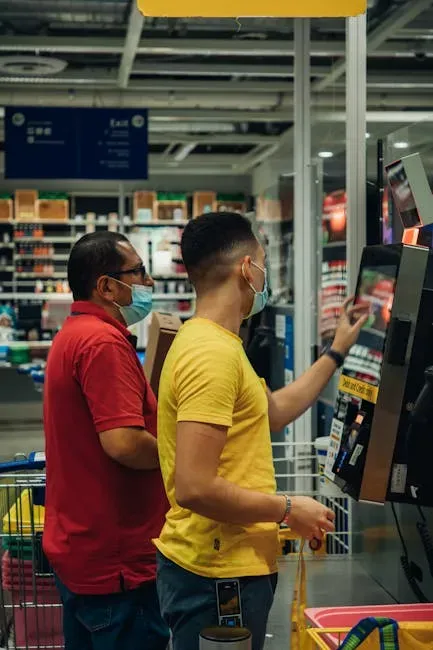
A study by researchers at Drexel University, published in the Journal of Business Research, found that regular checkout featuring a human cashier makes customers more loyal to a store and more likely to revisit in the future than self-checkout. That’s a meaningful finding, because the grocery industry has spent years pushing in exactly the opposite direction. An estimated nearly half of all transactions at grocery stores took place in self-checkout lanes in recent years, according to the Food Industry Association.
Self-checkout shifts the work to customers, making them feel less rewarded. The extra effort required to check out and bag purchases, combined with the expectation of being served, were found to be negative consequences that decreased loyalty to the store. The frustration is real enough that according to a survey conducted by Redfield and Wilton Strategies, nearly half of shoppers supported the removal of self-checkouts from retail stores. About one in five shoppers said the option feels like they’re performing “free labor.”
2. Shrinkflation: Same Price, Less Product
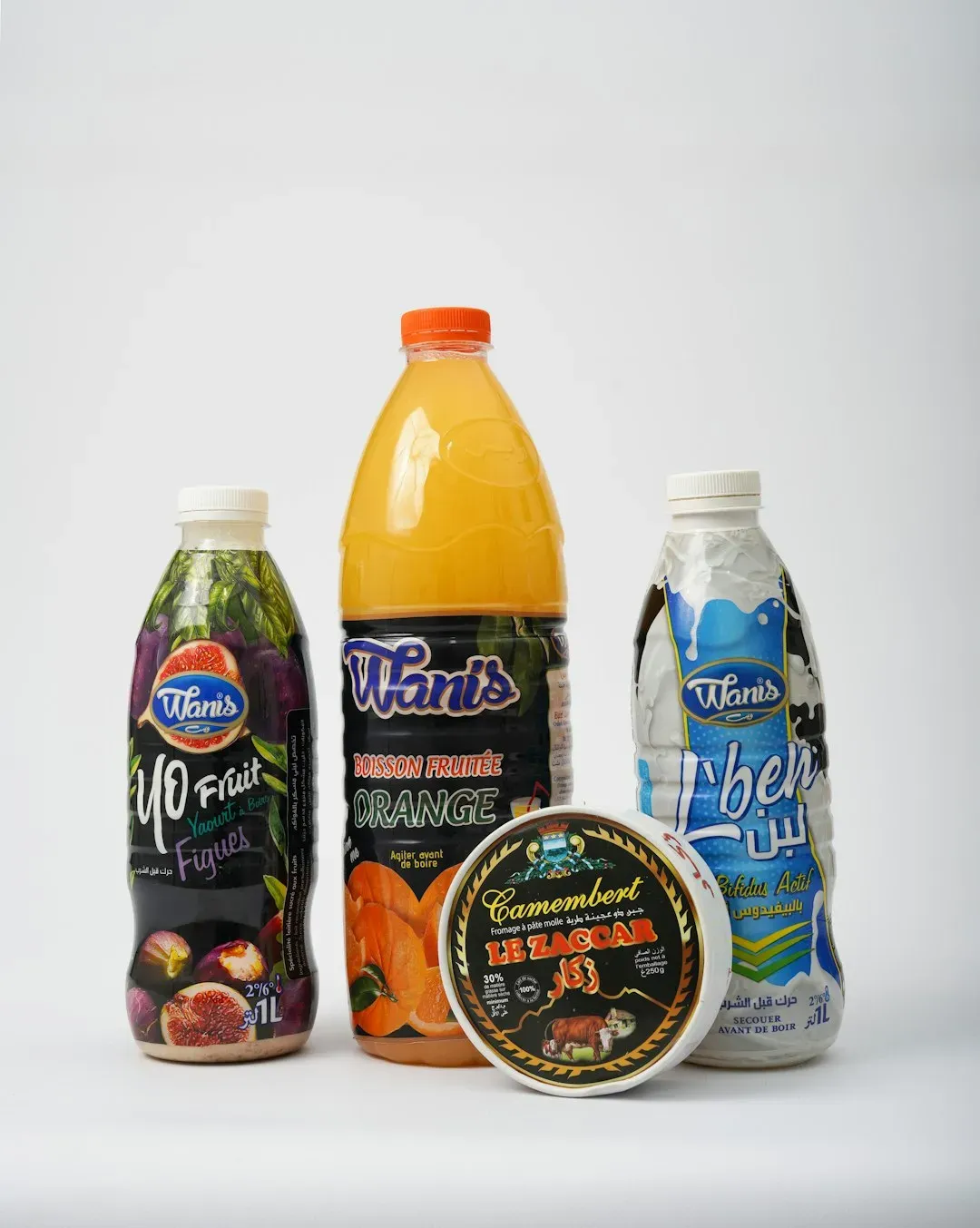
Over three-quarters of surveyed consumers say they have noticed shrinkflation at the grocery store in the previous 30 days, according to the October 2024 Consumer Food Insights Report. The phenomenon is simple and infuriating: the package looks the same, the price stays the same or goes up, but there’s less inside. Gatorade’s popular 32-ounce bottle shrank to 28 ounces, and Pantene Pro-V conditioner now holds 10.4 fluid ounces instead of 12.
Most consumers, roughly four out of five, think shrinkflation is a common practice used by food companies, and more than three-quarters believe it is a result of trying to increase profits even when costs are not rising. As brands quietly shrink products without lowering prices, consumer trust is taking a hit. Once largely unnoticed, shrinkflation is now sparking backlash, especially in categories like confectionery and soft drinks.
3. Digital-Only Coupons That Lock Out Non-App Users
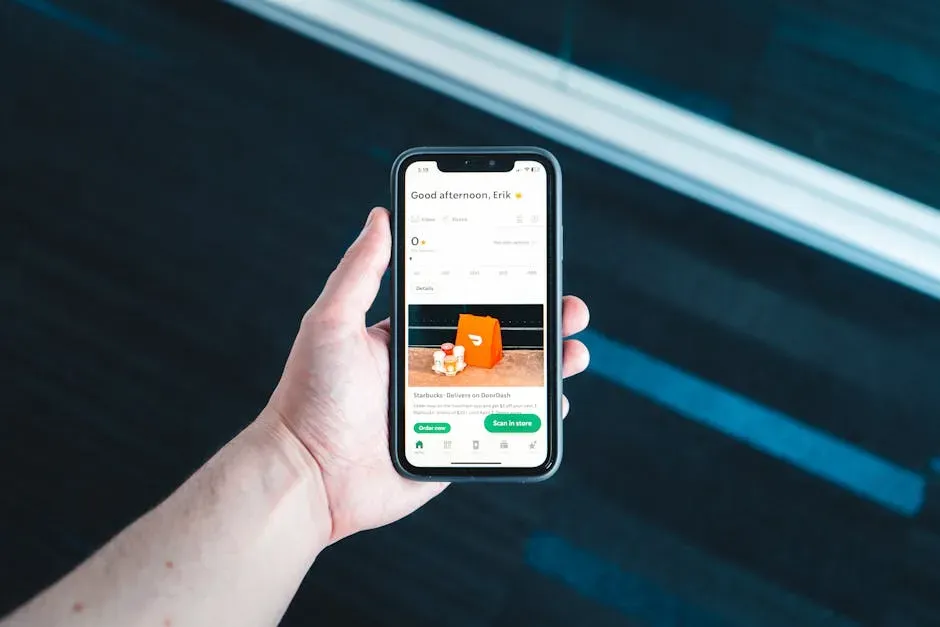
In recent years, more and more weekly specials advertised by some supermarkets are so-called “digital-only deals.” They require shoppers to first go online to electronically clip the offers and add them to their loyalty card account in order to be charged the sale price in store. For anyone without a smartphone, reliable internet access, or simply the patience for an extra step before every shopping trip, this system is a genuine barrier. Shoppers have consistently asked for streamlined processes, including fewer digital-only offers.
Customer service representatives at both Albertsons and Kroger confirmed there is no non-internet alternative currently available for digital coupons, and one representative noted they receive calls every day from shoppers asking for an offline option. The shift effectively creates a two-tier pricing system: one for tech-savvy shoppers with smartphones and another, higher-priced experience for everyone else.
4. Loyalty Programs That Keep Changing the Rules
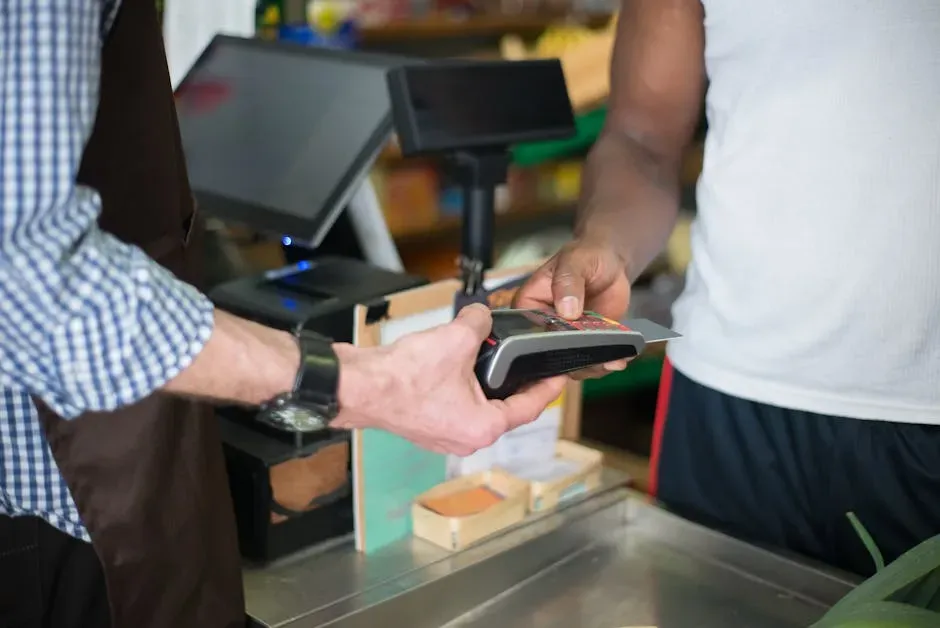
Grocery loyalty programs sound great on paper. In practice, they have become an increasingly frustrating maze of expiring points, app-only perks, and fine print that shifts without warning. The core promise of these programs – that consistency and regular shopping would be rewarded – has gradually eroded. In 2025, Kroger shortened the time shoppers have to use their points. Now, points expire at the end of the month after you earn them, instead of rolling over for several months – meaning if you don’t use your points quickly, you lose them.
When supermarket loyalty cards were first introduced in the 1990s, just having the card was enough. Many stores explicitly promised the card would always entitle the customer to the best available discount, effectively replacing coupons entirely. That promise of convenience and economy was the main selling point for persuading customers to share their personal information. The rules changed. The original deal, as many shoppers remember it, no longer exists.
5. Persistent Price Inflation That Shows No Sign of Relenting
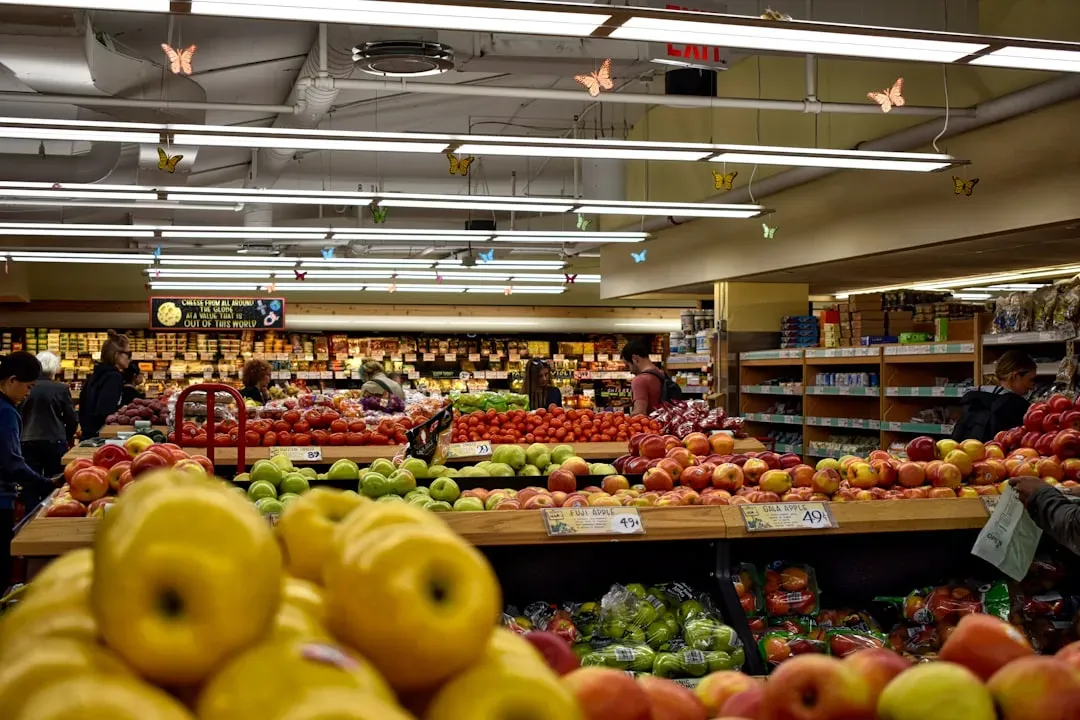
In the post-pandemic years, grocery prices have increased by roughly 29%, and consumers feel it every time they open their wallets. That compounding effect is significant. By 2024, when grocery inflation reached a more normal rate, consumers were already four years deep into compounding increases. Nearly four in five Americans have noticed grocery prices going up, and grocery inflation is being felt more strongly than in any other retail category, including restaurants, gas stations, drug stores, and department stores.
The vast majority of shoppers identified rising food prices as their top concern, a reality that is reshaping how people shop – from seeking out discount stores to comparing prices more carefully and leveraging sales and coupons. Roughly one in three shoppers say they purchased fewer groceries in 2024, with most naming high prices as the reason. For many households, the weekly shop has stopped being a routine errand and turned into a stressful financial calculation.
6. Constant Store Layout Changes That Confuse Regular Shoppers
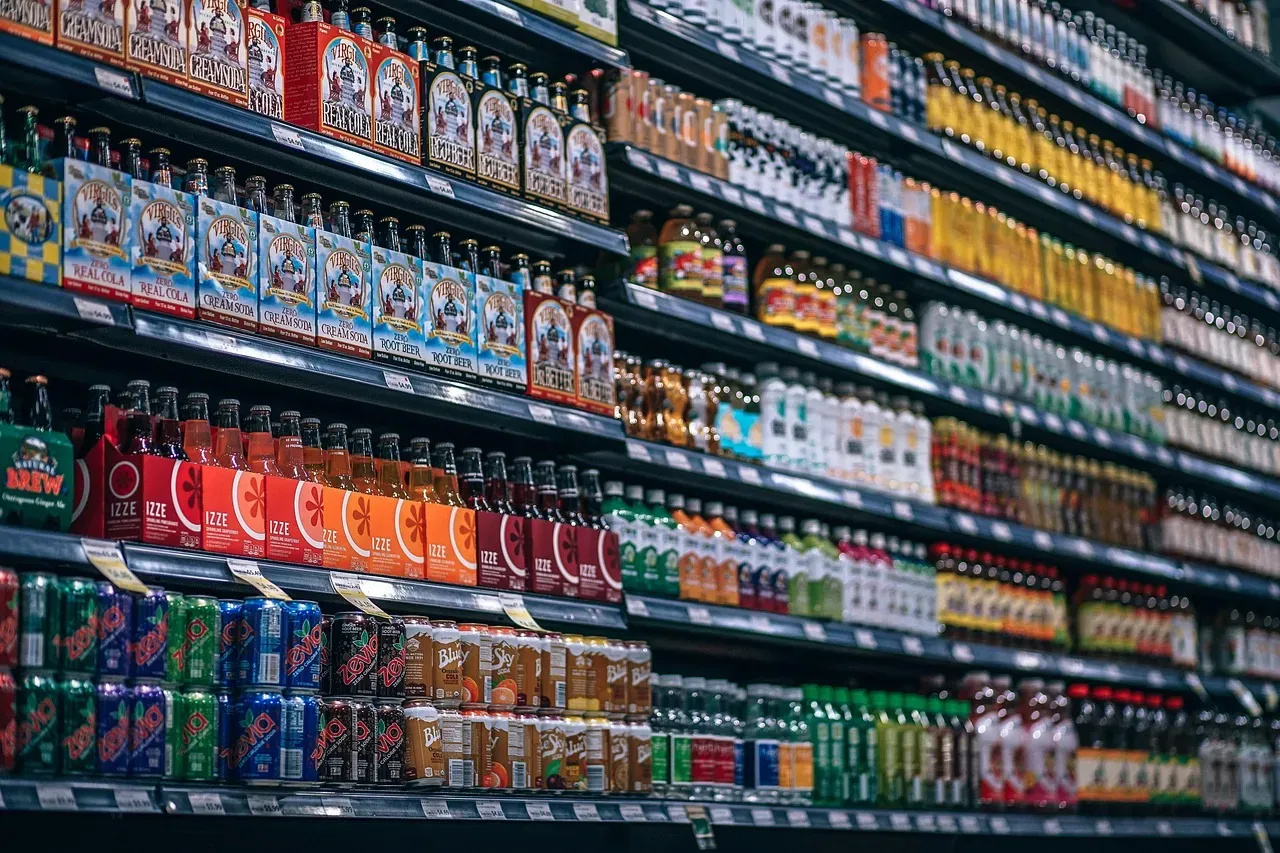
Grocery stores often redesign their layouts, a change that can be irritating for regular customers accustomed to finding specific items in familiar locations. These frequent rearrangements are not arbitrary – there is a method behind the disruption. Research indicates that after 23 minutes of shopping, consumers begin to make more emotional and less practical decisions, leading to increased impulse purchases. Stores know this, and layout changes are often designed to trigger exactly that effect.
Over a third of shoppers aged 55 and older have spent at least an extra ten minutes in supermarkets due to confusion caused by changed layouts. Across age groups, surveys have found a third of shoppers spend significantly longer in-store when retailers change their layouts. Basic items like milk, eggs, and bread are rarely placed near each other, even though they are often bought together. This separation is intentional and designed to increase the distance covered during a shopping trip, guiding shoppers through multiple aisles and increasing exposure to a wider range of products.
7. Reduced Staffing and Harder-to-Find Help
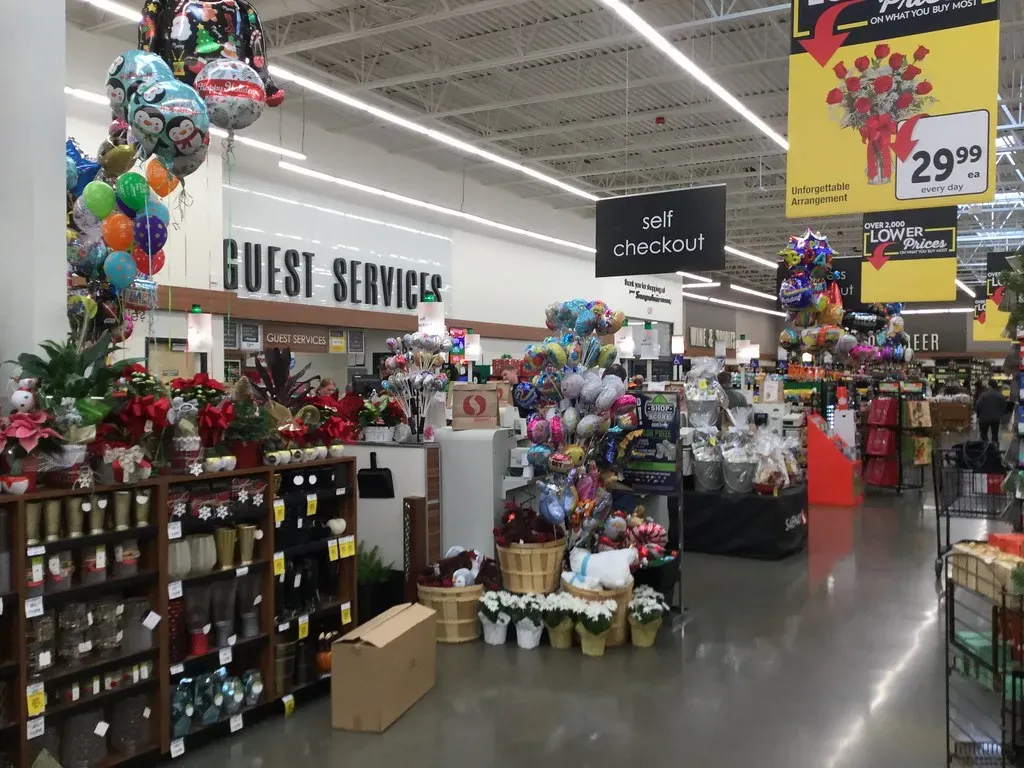
Five Below reported that merchandise losses at stores with more self-checkout lanes were higher, and it plans to increase the number of staffed registers in new locations. Dollar General said it had started to rely too much on self-checkout and was reassigning workers to the front of its stores to ring customers up. Those admissions reveal what shoppers had already noticed: staffing levels dropped significantly as retailers leaned into automation. Many shoppers complain about finicky machines that don’t scan correctly and a lack of staff to help them.
Retailers today face a web of competing demands – shoppers seek a reliable inventory but won’t reliably visit; they say they want greater selection but continue to price-shop for their tried-and-true brands; they say they want one-stop shopping but continue to shop at a greater number of stores. Fewer staff on the floor makes all of those tensions worse, not better. When something goes wrong – a missing item, a confusing label, a malfunctioning machine – there’s often no one nearby to ask. That absence, small as it sounds, changes the entire feel of a store.
Taken together, these seven changes paint a consistent picture: the modern grocery store has been quietly optimized for the retailer’s bottom line, sometimes at the direct expense of the shopper’s experience. Some of these shifts were likely unavoidable given rising costs and labor pressures. Others were choices. The question for retailers going forward is whether the efficiency gains were worth the erosion in customer trust – because trust, once lost in a grocery aisle, tends to walk right out the door toward a competitor.



Leave a Reply