
Most people assume cooking at home is always the cheaper choice. For the majority of everyday meals, that’s still true. Studies consistently show that cooking at home is dramatically cheaper than eating out, with the average home-cooked meal running around four to six dollars per person compared to fifteen dollars or more at a restaurant. That gap is real, and it adds up over months and years.
Yet the picture gets more complicated when you zoom in on specific dishes. Some meals carry hidden costs at home that people rarely think about: specialty ingredients sold in quantities far beyond what one meal needs, expensive oils, equipment, and the energy cost of long cooking times. For a handful of popular meals, the math has quietly flipped. Here are seven of them.
1. Rotisserie Chicken
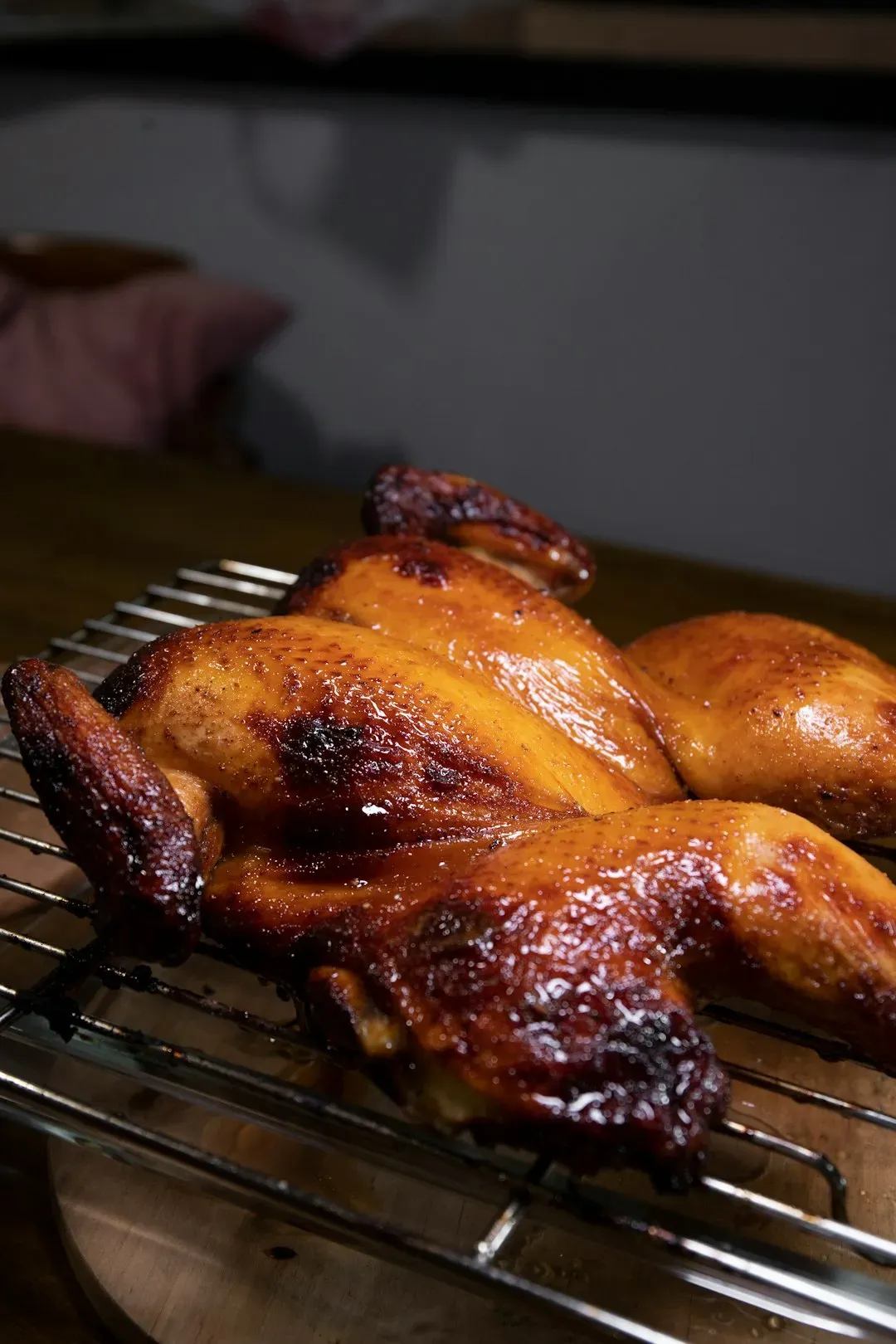
In most grocery stores, the average whole, raw chicken is actually more expensive than its spit-roasted equivalent. That sounds backwards, but the economics are deliberate. The rotisserie chickens are supposed to be a low-cost way to entice shoppers into buying other items, and for many companies, including Costco, rotisserie chickens are what is known as a “loss leader.”
For all the work a home roast takes, it isn’t notably better than a store-bought rotisserie chicken, and with the other ingredients factored in, it costs significantly more. At some stores, an uncooked chicken runs nearly ten dollars while a rotisserie chicken is under seven. Factor in the butter, herbs, lemon, oven energy, and an hour or more of your time, and the store-bought bird starts looking like a genuinely smart call.
2. Pho
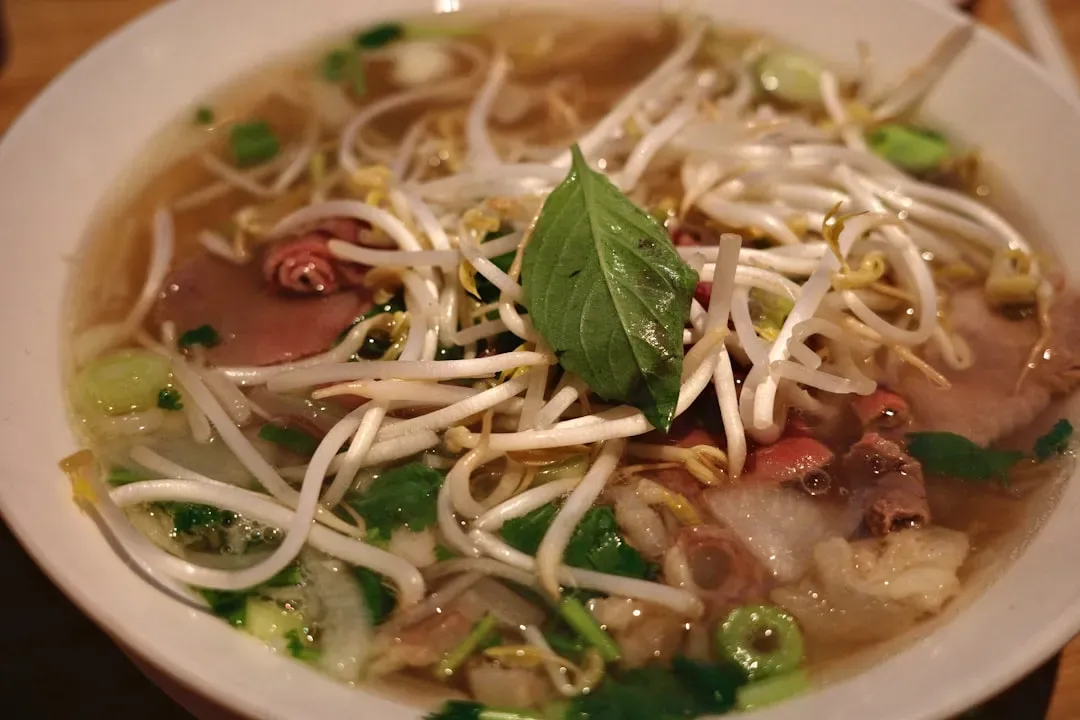
This Vietnamese noodle dish starts with an intensely flavored broth made by simmering beef bones, star anise, cinnamon, and other spices for hours. It truly is a dish that is a labor of love, and not only will you have to invest significant time, but the ingredients are also quite pricey. Add in fresh herbs, bean sprouts, thinly sliced beef, and rice noodles, and your ingredient list gets long fast.
Ordering a full bowl at a restaurant typically costs ten to fifteen dollars, while the home cost for broth ingredients, noodles, and toppings runs fifteen to twenty dollars. Preparing it yourself can quickly become costly, especially since many ingredients are sold in large quantities you won’t fully use. It’s far more affordable to simply order a steaming bowl from a Vietnamese restaurant, where every element is expertly prepared.
3. Sushi Rolls
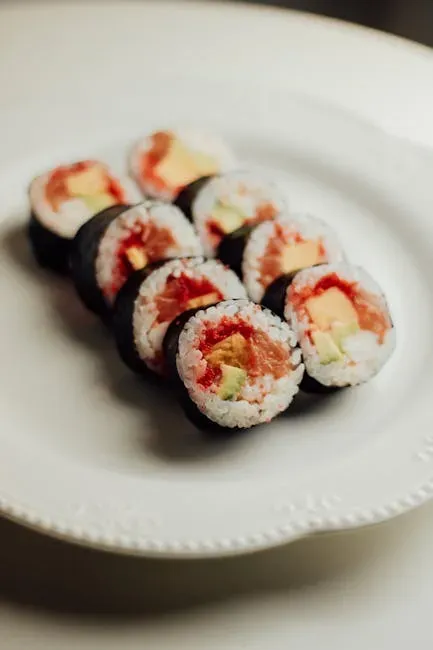
Sushi-grade fish is expensive and is often only sold in quantities larger than needed. You also need to buy nori sheets, sushi rice, rice vinegar, wasabi, soy sauce, and pickled ginger, not to mention a sushi mat and some serious rolling practice. None of those items are cheap, and most of them won’t be fully used after just one session at home.
Restaurant sushi has a reputation for being pricey, but making a few rolls at home is rarely cheaper unless you’re feeding a crowd. You must buy sushi-grade fish in larger portions, sheets of nori, sushi rice, rice vinegar, and toppings that you may not use again before they lose quality. When you just want one or two rolls, a ten to fifteen dollar restaurant order can undercut the per-roll cost of buying and storing all the specialized ingredients yourself.
4. Fried Chicken
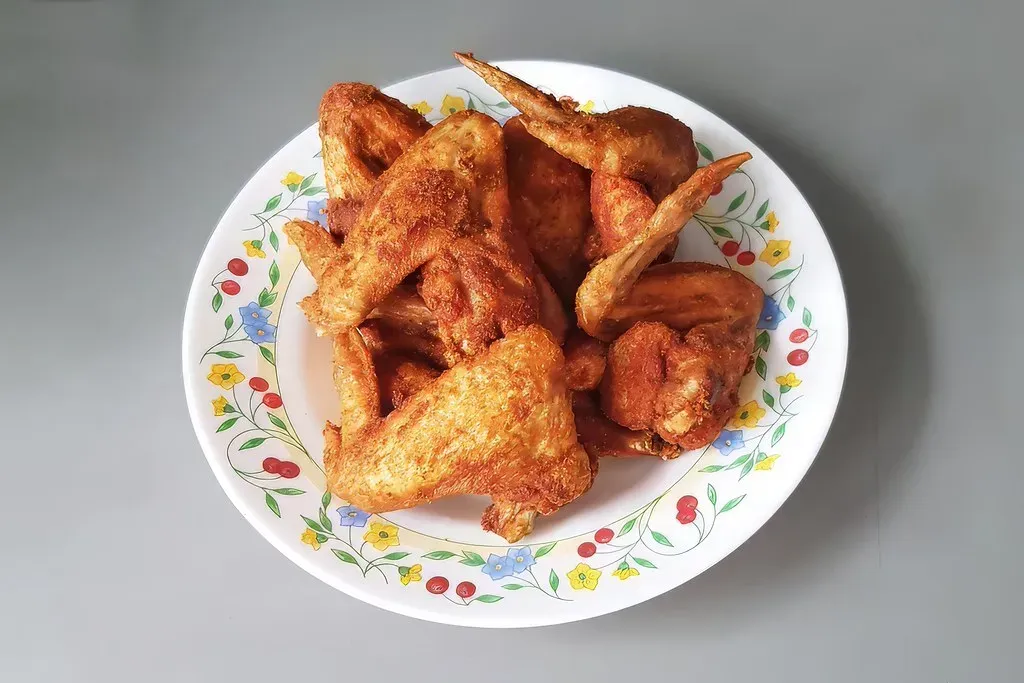
Between the cost of quality chicken, flour, buttermilk, spices, and the oil required for deep frying, homemade fried chicken is rarely worth it financially. A bucket of crispy, golden-fried chicken from your favorite joint is often cheaper per piece, and you can avoid all those deep-fryer oil splatters and hours in the kitchen.
To replicate restaurant-quality frying at home, you need large quantities of oil, a heavy pot or fryer, and enough food to justify heating the oil and then discarding or filtering it. When you only want a single portion, buying a small fried basket at a fast-food place or diner is often cheaper than buying several liters of oil and ingredients you will not fully use, and you avoid the cleanup and energy costs. Restaurants reuse and manage oil across hundreds of servings in ways a home kitchen simply can’t replicate.
5. Tacos
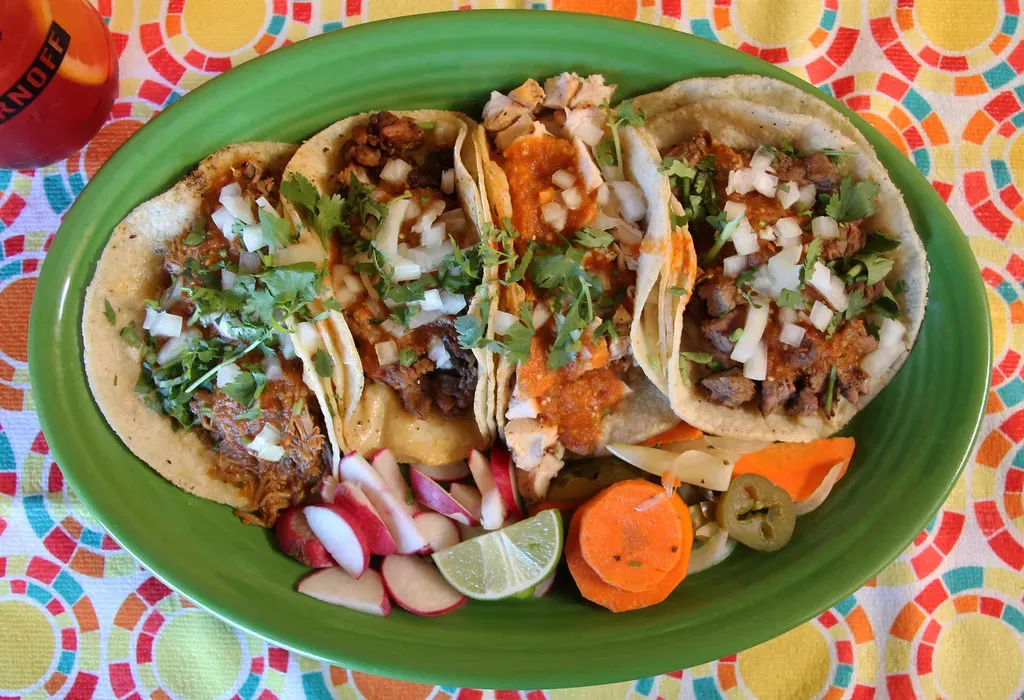
Ordering tacos from a local taqueria or fast food restaurant is often far more affordable than making them at home, especially if you are only cooking for one or two people. At home, you would need to purchase tortillas, meat or beans, cheese, sour cream, guacamole, salsa, lettuce, and all the other toppings. Not only do all these ingredients add up quickly at the register, but many of them also go unused. You’re probably only going to use a tiny bit of that big bunch of cilantro you had to buy.
Restaurants already have all the toppings on hand and portion them perfectly, so you get all the variety you want without the waste or the high bill. While tacos seem simple, the costs add up quickly when buying tortillas, proteins, toppings, and sauces. Restaurants purchase meat in bulk and use trimmings efficiently, which is an advantage no household kitchen can match when cooking for just one or two people.
6. Poke Bowls
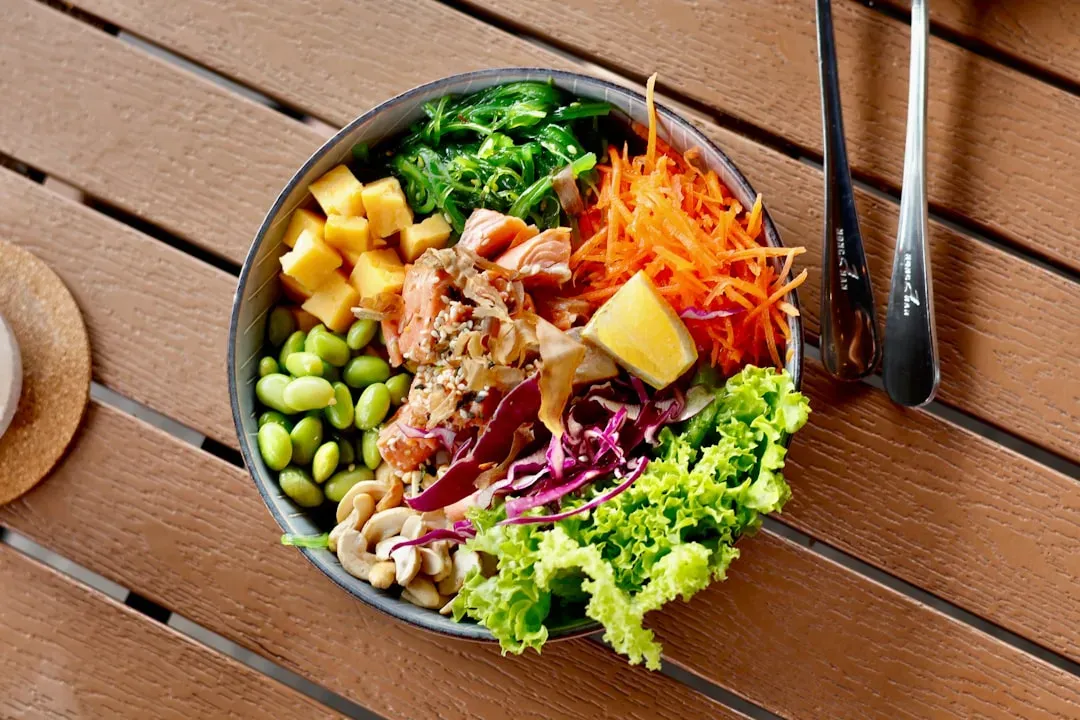
It may be impossible to create a truly excellent poke bowl at home without incurring a significant expense. That is because you need high-ticket items like sushi-grade fish, sesame oil, seaweed, and perfectly ripe avocados. Unless you regularly cook with these items, making poke bowls at home is not a budget-friendly option.
Sushi-grade fish alone can cost twenty to thirty dollars per pound, and you need to use it quickly once purchased. Most poke bowl restaurants charge around twelve to fifteen dollars for a complete bowl that would cost you significantly more to assemble with quality ingredients at home. Making a great poke bowl at home requires sourcing sushi-grade fish, a variety of sauces, and toppings like seaweed salad and tobiko, none of which are budget-friendly in small portions.
7. Chinese Takeout Combo Meals
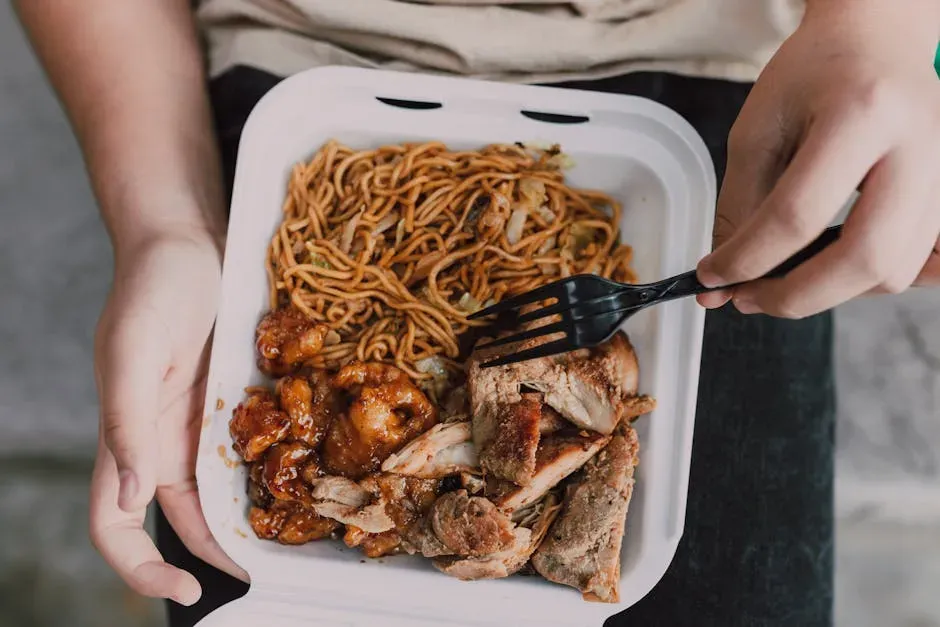
Dishes like General Tso’s chicken or beef with broccoli are often cheaper from a takeout place than making them at home. The variety of ingredients needed for Chinese cuisine can be expensive when purchased individually. Additionally, the time and expertise required to cook these dishes can be substantial. Chinese restaurants benefit from bulk purchasing and streamlined cooking processes.
Those little bottles of specialty sauces like oyster sauce, sesame oil, and rice wine vinegar cost more individually than an entire combo meal from your local Chinese restaurant. And that’s before you even get to the main ingredients. Some restaurant dishes rely on extensive spice blends and specialty condiments, and chefs spread the cost of dozens of spices across hundreds of plates, while home cooks must buy whole jars and pastes that may go unused.
The broader rule still holds: for most everyday dinners built around pantry staples, cooking at home wins on cost. Eating out can cost less than cooking when the full picture is considered, and ingredient waste is often the biggest factor. Meals that require specialty sauces, spices, or oils can increase costs when those items are used only once, while restaurants spread those costs across many orders. Knowing which category a meal falls into is half the battle when you’re trying to spend wisely on food.


Leave a Reply