
Most people walk past these items every week without a second glance. They’re not in the specialty foods aisle or behind a butcher’s counter. They’re sitting right there on the shelf, next to the familiar basics, waiting for someone to actually use them well.
Professional chefs don’t shop differently because they have access to secret suppliers. They shop smarter because they know what certain ordinary grocery store items can actually do. These are eight of them.
1. Canned Anchovies
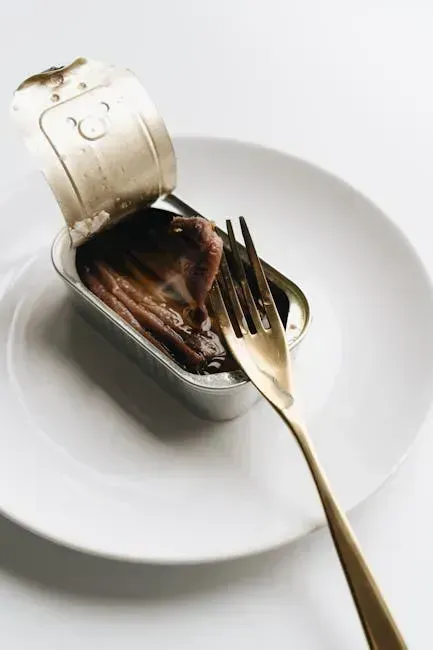
Anchovies are an open secret in professional kitchens. These little silver fish add a savory, umami depth to numerous dishes, from soups to sauces to stews. The key is that most people think of them as a topping, while chefs think of them as a base. Cook two or three fillets in olive oil with garlic and they essentially dissolve, leaving behind a depth of flavor that’s almost impossible to trace back to fish.
Lots of chefs use anchovy paste as a secret weapon for boosting the depth of flavor in ways that might surprise you. It’s packed with lots of natural glutamates, which our tongues perceive as savory or meaty, also called umami, which can make an everyday recipe into something restaurant-worthy. A single small can is enough to transform a tomato sauce, a braise, or even a simple vinaigrette. The fish flavor itself almost never comes through.
2. Canned San Marzano Tomatoes
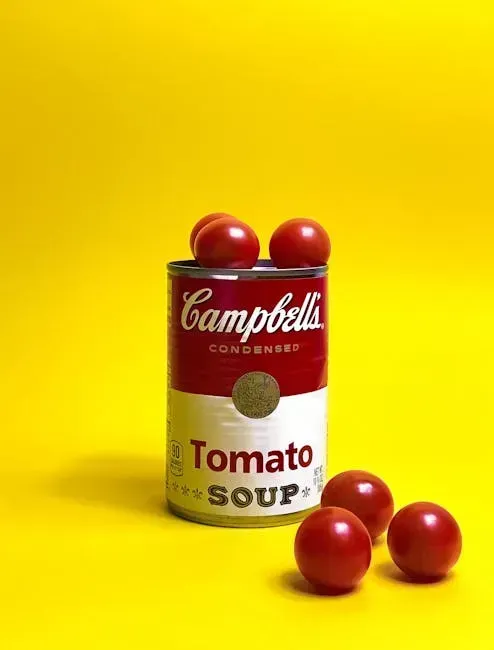
San Marzano or high-quality canned tomatoes earn their spot in every professional chef’s pantry because they taste better than fresh tomatoes most of the year. These canned gems provide consistent flavor and texture regardless of season. Top chefs use them as the base for quick pasta sauces, soups, and braises that taste like they simmered all day. The sweetness-to-acidity ratio of a good San Marzano is genuinely different from a generic canned tomato. Tasting them side by side makes that clear immediately.
The secret lies in buying whole canned tomatoes and crushing them by hand rather than using pre-chopped versions. A single can transforms into marinara sauce in twenty minutes, pizza sauce in ten, or adds depth to any vegetable dish with minimal effort required. Canned tomatoes retain peak-season flavor and nutrients, offering consistency when fresh tomatoes are unavailable, and according to USDA data, canned tomatoes maintain quality for 18 to 24 months.
3. Dijon Mustard
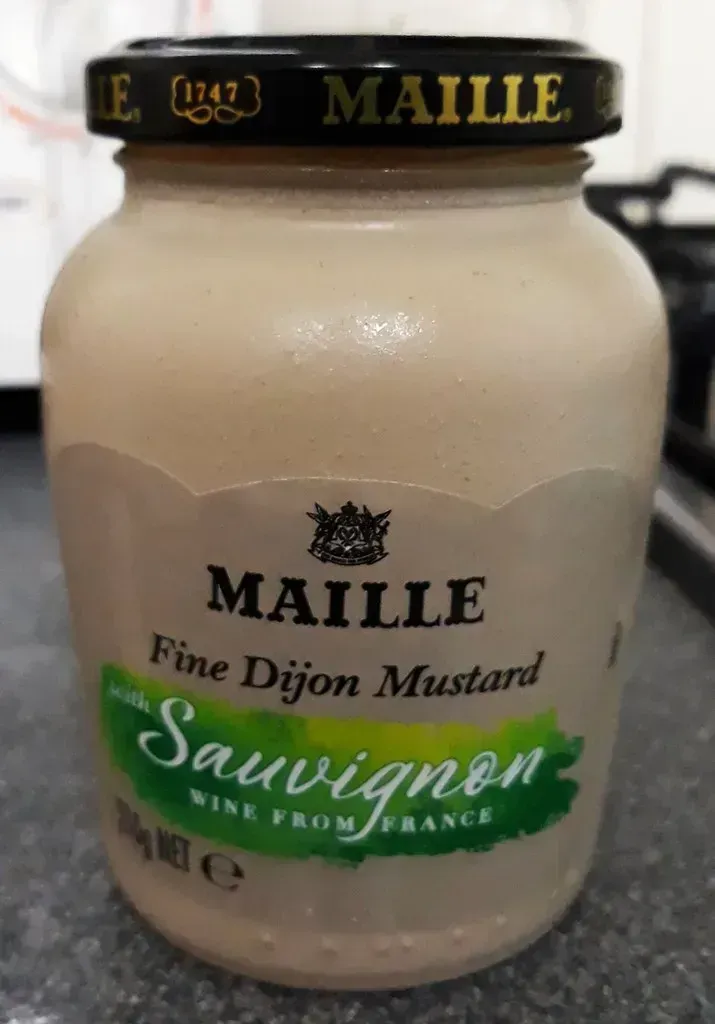
Dijon mustard stands apart for its clean heat, silky texture, and gentle tang from wine or verjuice. It tastes sharp but not harsh, and it blends fast into dressings and sauces. It’s one of the few condiments that functions as both a flavor and a tool. A teaspoon whisked into a vinaigrette acts as an emulsifier, holding the oil and acid together while also giving the dressing its backbone.
Dijon gives more backbone and a more refined finish than yellow mustard, which is why chefs reach for it in pan sauces and marinades. Dijon makes a great crust. Spread a thin layer on lamb or chicken, press on breadcrumbs and herbs, and roast until crisp. It also helps breadcrumb coatings stick to fish without sliding off. At a few dollars a jar, it’s one of the highest-value items in the whole condiment aisle.
4. Miso Paste
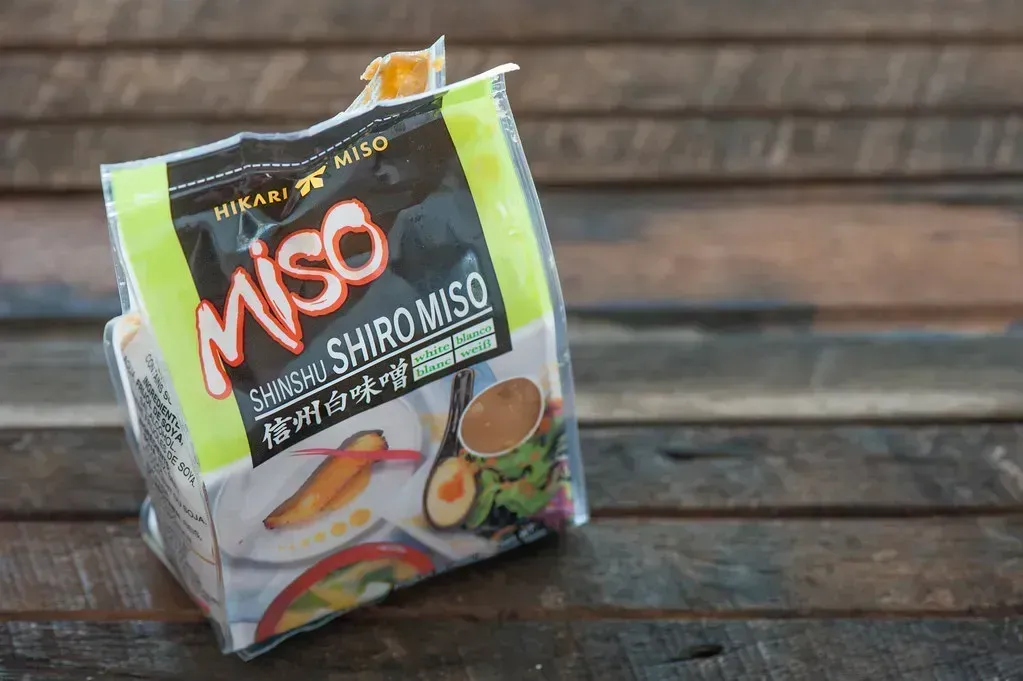
Chefs reach for umami constantly, using ingredients like soy sauce, miso paste, mushrooms, nutritional yeast, and parmesan cheese. Adding even a small amount of one of these to a dish can make it taste more complex and complete. Miso is particularly versatile because it brings both salt and fermented depth at the same time. It doesn’t taste Japanese in every dish. It just tastes richer.
Miso is a thick, salty Japanese paste made by fermenting soybeans with salt and koji. There are three basic types: white miso, red miso, and mixed miso. White miso is the mildest and the easiest starting point for those new to cooking with it. A spoonful of miso stirred into a soup or a tablespoon in a braised meat dish can shift the entire flavor profile. It works in butter sauces, salad dressings, and even chocolate desserts.
5. Chili Crisp
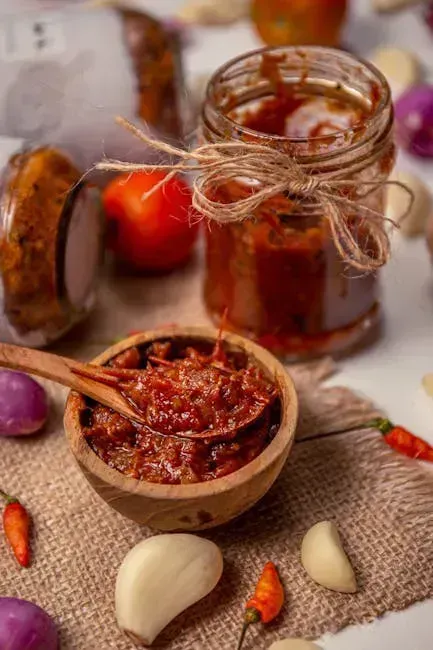
Lao Gan Ma chili crisp is a classic, easy to find, and adds a beautiful crunchy texture and depth of flavor to any quick meal. Recipe developers top rice, frozen dumplings, and silken tofu with it for easy meals that still have an extra kick. What separates chili crisp from ordinary hot sauce is that texture. The fried shallots and aromatics suspended in chili oil add something crunchy and complex, not just heat.
Gochujang is a spicy Korean condiment consisting of fermented soybeans and red pepper flakes, among other ingredients, and chili crisp is a related idea from a different tradition. Both have found their way firmly into mainstream grocery stores over the past few years. Chili crisp in particular works as a finishing touch on scrambled eggs, noodles, avocado toast, or stirred into a simple peanut sauce. A little goes a remarkably long way.
6. High-Quality Unsalted Butter

Look for “European-style” butter or check the packaging for a butterfat content of 82% or more. Brands like Plugra, Kerrygold, or Lurpak are excellent examples. Always choose unsalted for cooking and baking. The higher fat content in European-style butter means less water, which matters enormously when you’re making a pan sauce or browning butter. More fat means more flavor and better browning.
Brown butter, known as beurre noisette, is made by simply melting butter in a light-colored pan over medium heat. It will foam, and then the milk solids will begin to toast and turn golden brown, releasing an incredible nutty aroma. Drizzle this over pasta, fish, or steamed vegetables for an instant upgrade. This technique is barely more effort than melting regular butter, but the result tastes like something from a restaurant. The quality of the butter you start with determines how far you can take it.
7. Good Quality Soy Sauce
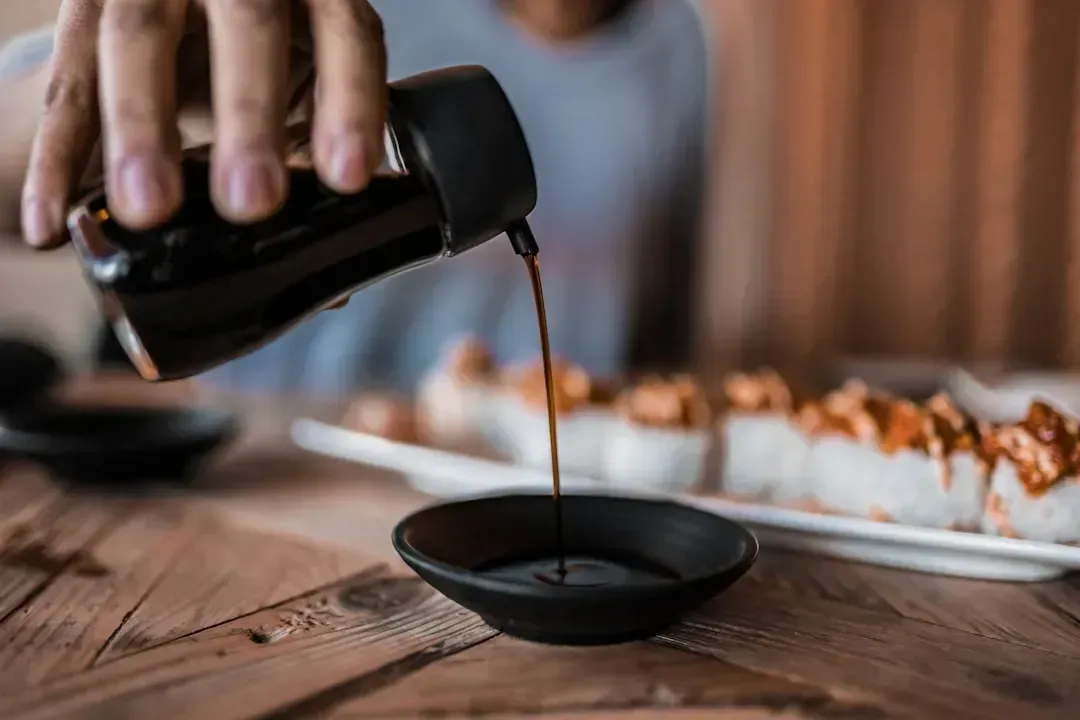
This fermented condiment appears in chef pantries worldwide because it adds instant umami depth to both Asian and Western dishes. Professional cooks use soy sauce to enhance marinades, stir-fries, and even pasta dishes with its rich, salty complexity. The difference between a cheap soy sauce and a naturally brewed one is more significant than most people realize. The cheap version tastes flat and salty. A good one has a rounded, almost wine-like depth.
Soy sauce is a great base for a marinade and a substitution for salt, and it keeps the item juicy and flavorful with a bit more depth. Low-sodium varieties give you more control, letting you layer the flavor without accidentally over-salting the dish. Used in small amounts in butter, in dressings, or in braising liquids, a quality soy sauce acts a lot like anchovies. It adds something you can’t quite identify, but would immediately miss.
8. Extra Virgin Olive Oil
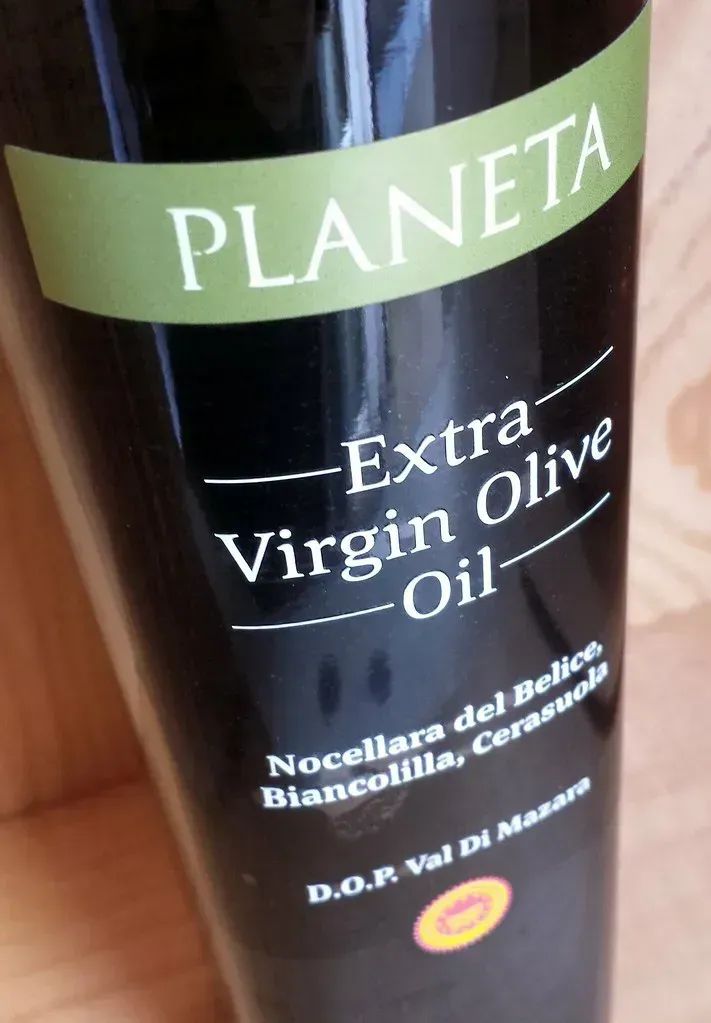
Olive oil, particularly extra virgin, is prized for its balance of flavor and health benefits, including high monounsaturated fat content. According to the International Olive Council, properly stored olive oil has a shelf life of 18 to 24 months. Chefs typically keep two bottles: a standard one for cooking at higher heat, and a more flavorful extra virgin variety reserved for finishing and dressing. The finishing oil is where quality actually shows up in the final dish.
Chefs often transfer large containers into smaller, dark glass bottles to reduce oxidation and preserve quality, ensuring a consistent supply for cooking and dressings. Light and heat are the enemies of good olive oil, which is why cheap brands stored in clear bottles near a stove lose their character fast. Quality olive oil serves multiple purposes in a chef’s weeknight cooking routine, from sautéing vegetables to finishing dishes with a drizzle of flavor. Even a modest upgrade from the bottom shelf to a mid-range extra virgin makes a noticeable difference when the oil is used raw, over a salad or a piece of good bread.
None of these items are rare or expensive. A few of them might already be in your kitchen, just underused. The difference between a home cook and a professional often isn’t equipment or technique alone. It’s knowing that a tin of anchovies, a spoonful of miso, or a good glug of finishing oil can do work that takes far longer to achieve any other way.



Leave a Reply