
Getting married changes a man’s life in ways that are easy to celebrate and others that are harder to admit. The wedding vows cover love, commitment, and shared futures – they don’t say anything about the Saturday morning gaming sessions, the solo spending on gear, or the habit of shutting down mid-argument. Yet those are exactly the things that start to matter.
Some habits are harmless. Others quietly chip away at a marriage for years before anyone notices the damage. Research on relationship behavior consistently shows that the gap between who a man was before the wedding and who a committed partner needs to be is often wider than expected. These nine habits are the ones men tend to grip the tightest – and the ones most worth examining.
1. Treating Personal Finances as Truly Personal

The habit of spending freely without reporting to anyone is one of the most comfortable parts of bachelor life. Once married, that same habit can quietly become a form of financial deception. Roughly half of those in long-term relationships or marriages believe that secret spending or lying about money is a form of cheating. That’s a significant share of people drawing a hard line on something men often frame as a minor privacy preference.
Surveys suggest that four in ten U.S. adults who are married or living with a partner admit to keeping financial secrets, and nearly a quarter of participants said they held secret debt, while roughly one in five had a credit card their spouse wasn’t aware of. Couples where both partners are open about finances showed better outcomes across the board – higher financial wellbeing, greater relationship satisfaction, and more likelihood of having shared financial goals they both worked toward.
2. Stonewalling During Arguments

A lot of men default to going quiet when a conflict gets intense. It can feel like the responsible choice – staying silent rather than saying something regrettable. The reality is more complicated. Stonewalling occurs when one spouse engages in emotional withdrawal, shutting down dialogue and refusing to engage, often as a form of conflict avoidance, and this silent treatment creates a communication breakdown, leaving the other spouse feeling dismissed and disconnected – in marriage, where open communication is essential, stonewalling fosters resentment and threatens relational stability.
Studies show that men substantially tend to stonewall more, with roughly 85 percent of stonewallers in Gottman’s research being male. Men are more likely to rehearse distress-maintaining thoughts than women, prolonging physiological arousal and hyper-vigilance, and male stonewalling is very upsetting for women, increasing their physiological arousal and intensifying their pursuit of the issue. The habit feels protective. To a partner, it registers as abandonment.
3. Keeping the “Boys Only” Social Calendar Sacred

Weekly poker nights, weekend fishing trips, and spontaneous hangouts were the backbone of bachelor life, but while friendships remain important after marriage, constantly prioritizing friends over a spouse creates problems, and marriage requires finding a new balance between maintaining friendships and nurturing the primary relationship. The friendships themselves aren’t the issue. The scheduling logic that keeps a spouse perpetually second is.
A spouse should feel like the most important person, not someone competing for attention, and the solution isn’t abandoning friends but integrating them into the new life – including a partner in some activities while ensuring she feels respected when time with friends happens separately. That shift in priority, even when subtle, tends to matter more than men expect it to.
4. Making Big Decisions Unilaterally

Marriage means sharing major decisions about finances, living arrangements, and future plans – a partner deserves equal say in choices that affect shared life, and this doesn’t mean losing independence, but rather gaining a teammate who brings valuable perspective to important decisions, with working together on choices strengthening trust and preventing resentment from building up over time.
The habit of deciding and announcing rather than discussing and deciding together is something many men carry forward from years of living solo. It rarely comes from contempt – more often it’s just muscle memory. Still, it reads as dismissiveness, and over time that adds up. Preserving long-term connection may require one or both partners to jettison misguided beliefs or dysfunctional habits they themselves hold.
5. Neglecting Physical and Mental Health

Men habitually ignore their health even when married, and some stop eating correctly or develop eating disorders, while others may abandon fitness activities, leading to weight fluctuations. This isn’t just a personal risk – it creates a compounding strain on a marriage, particularly as men age and health issues become harder to ignore or minimize.
Some researchers have found that men benefit more from marriage specifically because women tend to promote their spouses’ health more than the reverse. That dynamic only holds if a man actually follows through on the healthier behaviors that a partner encourages. Treating health as a personal afterthought when someone else is emotionally invested in your wellbeing creates a quiet but persistent tension.
6. Emotional Bottling as a Default Setting

Many men develop a habit of managing stress, frustration, and sadness privately – or not managing them at all. It’s a pattern that looks like strength and often functions as avoidance. Research published in the Qualitative Health Research Journal found that men who feel pressured to adopt masculine-forward societal expectations tend to struggle with vulnerability. The pressure is real, but the cost of maintaining it inside a marriage is consistently underestimated.
According to research published in the Journal of Marriage and Family, couples with better communication habits and routines also report better relationship satisfaction, and if communication dissolves with partners avoiding conversations, it can become one of the reasons men ultimately disengage from their marriages. Emotional bottling doesn’t just hurt the man – it starves the relationship of the kind of honest exchange that keeps a marriage functional.
7. Treating Romance as a Pre-Marriage Activity

After marriage, the purpose-driven energy that characterized the dating phase often dissipates, and without clear relationship milestones to achieve, many men struggle to maintain the same level of engagement and enthusiasm. The courtship phase had built-in urgency. Married life doesn’t offer that same structure, so intentional effort has to replace it.
The idea of a “honeymoon period” is real – most couples experience a general decline in satisfaction after the first years of marriage, but those who stay together tend to share some habits: they act like they’re still dating, remain focused on each other’s positive traits, express gratitude, and recognize that external pressures may be causing stress rather than blaming each other. Letting romance quietly expire isn’t a natural consequence of commitment – it’s the result of letting a habit die.
8. Resisting Accountability for Household Labor
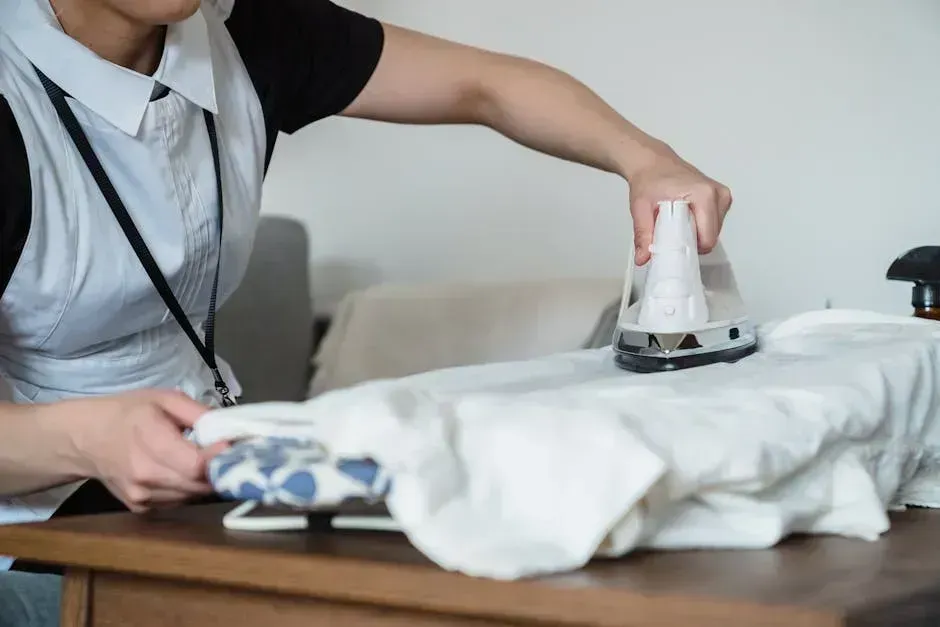
The bachelor version of “good enough” around the house – dishes that can wait, laundry that accumulates, chores that never quite get scheduled – tends to travel right into married life without a visa. There are more subtle ways a marriage can be slowly killed off, and a couples therapist of 30 years has observed couples reach a point of no return without a single moment of high drama, with the relationship gradually poisoned by behaviors that have become habitual. Unequal domestic labor is one of the most well-documented of those slow-burn habits.
During the early years of marriage, couples have to adjust to personal habits, sex roles, finances, work, social life, friends, communication, decision-making, and the handling and solving of problems. Domestic balance doesn’t resolve itself through good intentions. It requires men to genuinely revise what they consider their responsibility – not as a concession, but as a basic shift in how shared life works.
9. Keeping Personal Growth on Pause

Marriage does more than change people’s living situation and daily routines – becoming a spouse appears to change one’s personality as well, especially in the early years, with men tending to become more conscientious and introverted than they were when single. That shift in personality is natural and largely positive. The problem arises when men interpret the stability of marriage as permission to stop developing entirely.
The increase in conscientiousness for men probably reflects their learning the importance of being dependable and responsible in marriage. That’s a meaningful change – but it’s a floor, not a ceiling. Husbands who were high in openness at the start of their marriage showed little change in marital satisfaction, while those who were low in openness experienced the greatest drop. Staying curious, adaptable, and willing to grow isn’t just good personal practice. In a long marriage, it turns out to be one of the more reliable predictors of staying genuinely connected.
None of these nine habits make a man a bad partner. Most of them are just carried forward from a life stage that has genuinely ended. The question worth sitting with is whether the version of yourself that existed before the wedding was designed for the life you’re now actually living.




Leave a Reply