
We live in an era dominated by “rizz,” “delulu,” and “no cap.” Language moves fast, sometimes almost too fast to keep up. Yet, here’s the thing: somewhere beneath the avalanche of modern slang, there is a treasure chest of old-school sayings that carried real weight, offered genuine wisdom, and said more in a handful of words than an entire Twitter thread ever could.
In a fast-paced, technology-driven world, many of these sayings have faded from daily speech. Yet their relevance remains undeniable. Whether about life, love, patience, or work, these expressions remind us that human nature and the lessons that shape it rarely change. Honestly, some of them deserve a full revival. Let’s dive in.
1. “A Stitch in Time Saves Nine”
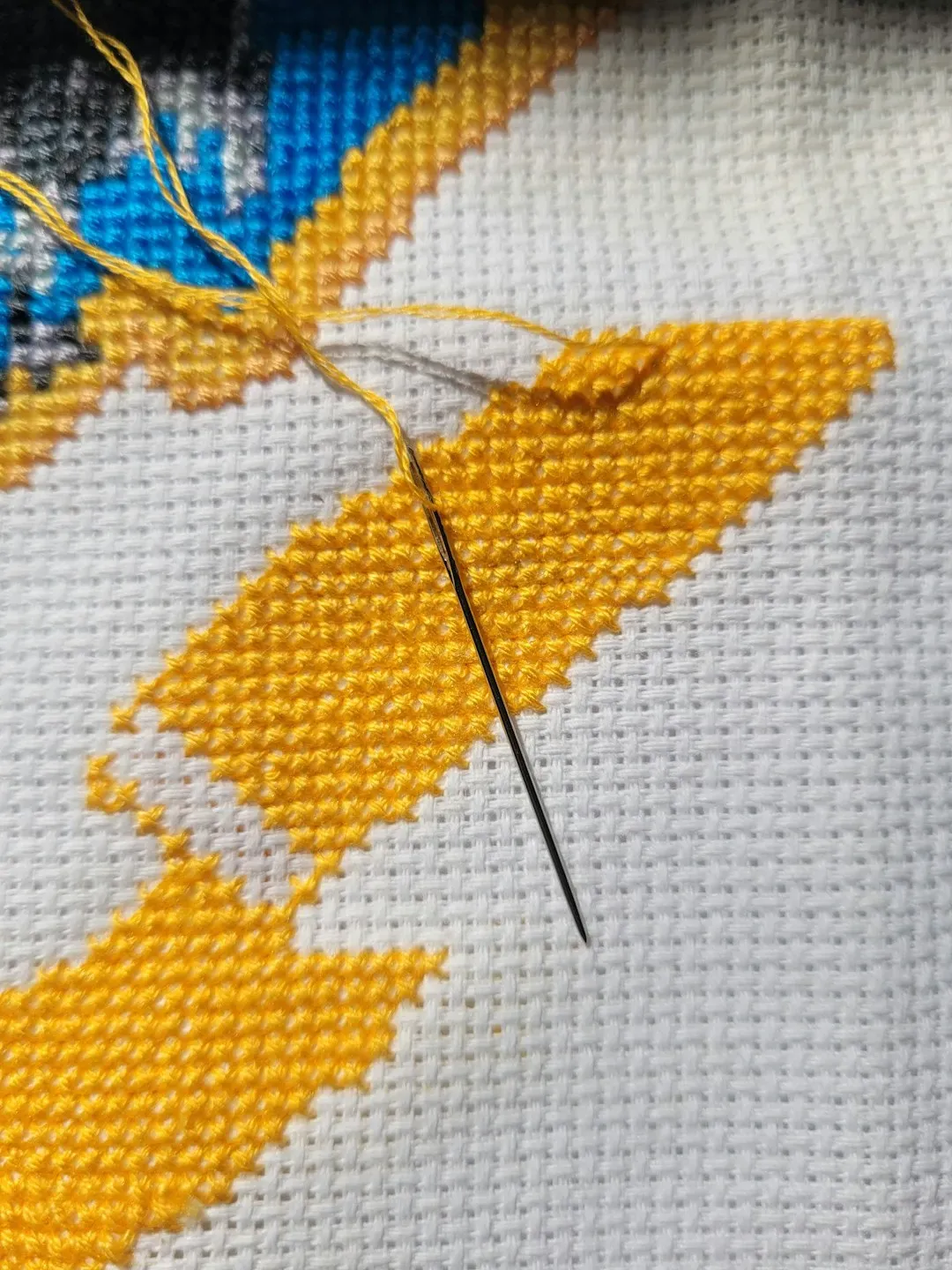
This one is practically a masterclass in the power of small, timely action. This proverb suggests it’s better to solve a small issue now than wait until it becomes a bigger problem. Think of it as advice for being proactive. Fix the leak. Make the call. Send the email. Don’t wait.
This saying suggests that taking prompt action to address a small problem can prevent it from escalating into a much larger issue. It emphasizes the value of foresight and proactive measures in managing challenges effectively. In everyday life, this wisdom can be applied to various scenarios, from home repairs to time management. In a world drowning in procrastination culture, this saying feels more urgent than ever.
2. “Waste Not, Want Not”

Few sayings pack more punch for the modern sustainability conversation. This old proverb essentially says: if you don’t waste resources, you’ll never lack. That’s a mindset our throwaway culture could seriously use. Think about how much food, clothing, and energy we discard every single day.
Proverbs are a simple way of expressing a well-known truth or adage based on common sense or experience. They are usually considered to be imbued with ancestral wisdom, passed down from generation to generation until they become part of a society’s oral tradition. “Waste not, want not” is one of those truths that has never once expired. If anything, it belongs on every grocery receipt.
3. “The Early Bird Catches the Worm”

This old American saying means that people who wake up early or take action quickly often get the best results. It encourages a proactive attitude. Simple. Clean. Unarguable. In competitive job markets, in creative industries, in literally any field you can name, the person who moves first often wins.
I know it sounds obvious, but we’ve somehow replaced this saying with a culture that glorifies staying up until 3am doom-scrolling. The early bird catches the worm: success comes to those who prepare early. That hasn’t changed. Not even slightly. The worm doesn’t wait around.
4. “You Reap What You Sow”
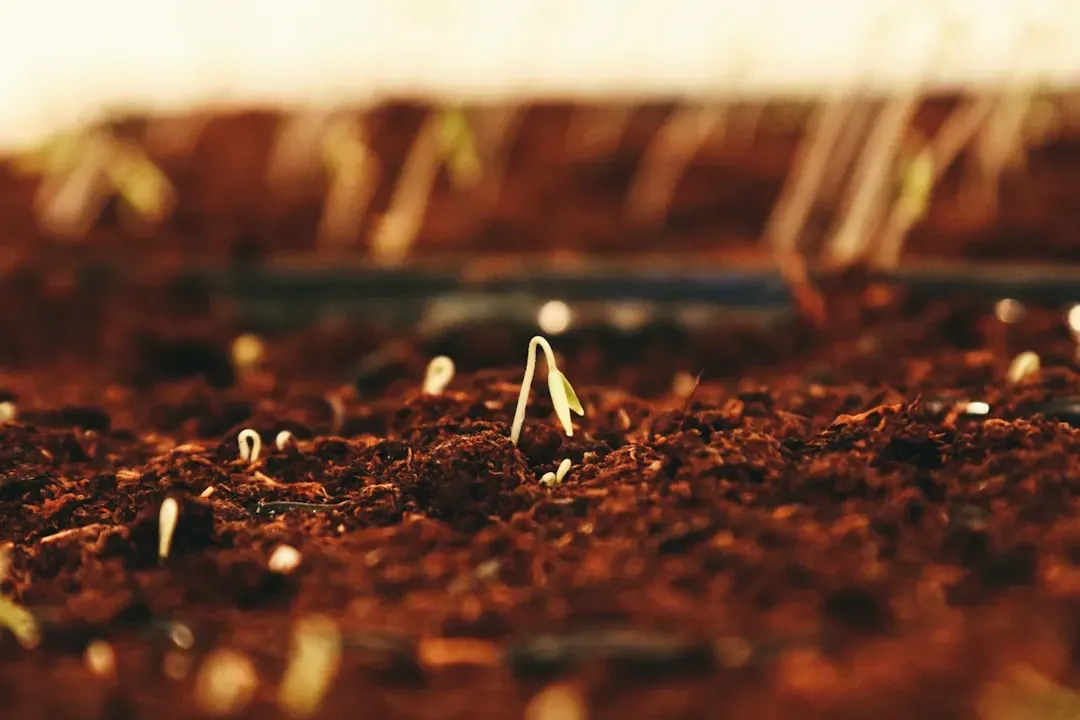
Here is a saying that cuts through noise with almost uncomfortable honesty. This old proverb means that effort determines results. It’s uncomfortable because it places the responsibility squarely on you. No algorithms to blame. No bad luck to cite. Your inputs create your outputs.
Sayings can mold people’s perceptions of others’ actions, nudging them towards certain moral verdicts. Expressions of moral judgment permeate many aspects of real-world interactions. Intriguingly, proverbs have a long history in language, and research shows that these old-fashioned ways of discussing morality can be amplified by modern forms of social interaction. “You reap what you sow” is arguably the most morally loaded four words in the English language. It deserves its place back in daily conversation.
5. “Don’t Count Your Chickens Before They Hatch”

In an age of Instagram announcements, life milestone posts, and public declarations about things that haven’t happened yet, this saying is crying out for a revival. The meaning is clear: don’t assume success too soon. The job isn’t yours until the contract is signed. The relationship isn’t official until you’ve talked. The deal isn’t done until the money clears.
Proverbs and sayings are short expressions of wisdom that convey meaning, beliefs, and insights. They are a part of the oral traditions of a society, often repeated, gradually memorized, and passed down through the generations. Although short, they often offer and portray strong philosophical ideas and sound ethical instruction for living. This one protects you from embarrassment. That alone makes it worth keeping around.
6. “Bite the Bullet”

There is something almost poetic about this phrase. It means to do something difficult or unpleasant that you’ve been avoiding. The phrase comes from old battlefield surgeries where soldiers bit bullets during operations. That origin story alone should give you pause. If people endured that, you can probably make that awkward phone call.
Let’s be real: modern life has a stunning capacity to help us avoid hard things. We have apps, subscriptions, workarounds, and virtual assistants. “Bite the bullet” is a tiny act of linguistic courage that reminds you that sometimes, you just have to do the hard thing. Proverbs continue to play a vital role in contemporary society, shaping communication, influencing behavior, and providing guidance in various aspects of life. Despite technological advancements and the evolution of language, proverbs remain relevant and impactful, resonating with people of all ages.
7. “Too Many Cooks Spoil the Broth”

Anyone who has ever sat through a five-hour committee meeting knows this feeling in their bones. This saying simply means: too many people involved can ruin a project. It’s one of the most practically useful sayings ever invented. Every startup, every creative team, every government committee should have it framed on the wall.
Using old wisdom in work settings helps build shared understanding and keeps meetings lively. Instead of corporate jargon, a well-placed proverb can cut through the noise. “Too many cooks spoil the broth” does exactly that. It says in five words what a business consultant would charge thousands to say. And it’s funnier.
8. “When It Rains, It Pours”

This one holds a kind of brutal comfort. This saying means bad luck or problems often come all at once, not just one at a time. There is something oddly reassuring about having a phrase for that specific feeling when your car breaks down on the same day your boss calls and the dog gets sick. You’re not cursed. It just pours sometimes.
For most of us, we have heard many of these old proverbs so often that we find ourselves recalling them in our minds or saying them out loud when facing or observing certain life situations. That’s the magic. “When it rains, it pours” doesn’t fix anything. It just makes you feel a little less alone in the chaos. That’s worth a lot more than people give it credit for.
9. “Rome Wasn’t Built in a Day”

This saying stands as a direct antidote to the instant gratification age we live in. Big results take time and patience. It sounds almost radical by modern standards. We want overnight success, same-day delivery, and instant feedback on everything. This saying whispers: slow down.
Historical nostalgia serves as a psychological resource for younger generations, helping people craft their identities, find creative inspiration, build connections across generations, and look to elements of the past to help solve contemporary challenges. By engaging with the cultural products, trends, hobbies, traditions, and stories of the past, people are finding novel ways to ground themselves in our rapidly evolving world. That’s precisely why old sayings like this one hit different right now. We need grounding. We need patience. Rome wasn’t built in a day, and neither is anything worth having.
10. “Actions Speak Louder Than Words”
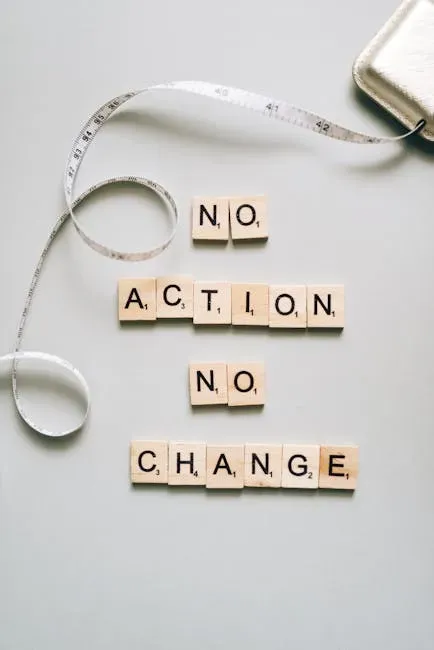
Honestly, in an era of public statements, brand values on websites, and performative social media posts, this saying has never been more needed. This saying emphasizes that what people do is more significant than what they say. Words alone may not carry weight if not supported by actions. This proverb encourages individuals to align their behaviors with their promises, promoting integrity and accountability.
It applies to corporations, politicians, partners, and friends alike. You can post all the motivational content you want. You can make all the promises in the world over dinner. Evidence suggests the recording of wisdom in the form of proverbs is a practice as old as language itself. Archaeologists have discovered collections of proverbs on Sumerian cuneiform tablets dating from about 2500 B.C.E. The fact that humans have been reminding each other of this truth for thousands of years tells you everything about how often we forget it.
11. “Birds of a Feather Flock Together”

Social psychology has spent decades and enormous research budgets essentially confirming what this old saying already told us. Similar people stick with each other. We are profoundly shaped by the company we keep, and most of us know this deep down but don’t act on it nearly enough. Your five closest friends say more about your future than you’d probably like to admit.
Love, trust, and friendships are timeless, which is why forgotten sayings tied to human connection feel relevant in 2025. When emotions run deep, a short, punchy proverb often expresses what modern slang cannot. Couples and friends alike are rediscovering these sayings because they feel personal and genuine. This one isn’t just about birds. It’s a quiet warning and a gentle reminder: choose your flock wisely.
12. “Absence Makes the Heart Grow Fonder”

Here is possibly the most emotionally intelligent saying on this entire list. This proverb captures the simple truth that distance strengthens affection. In a world of constant connectivity, where you can reach anyone in seconds, we’ve somehow lost the art of missing people. We’ve replaced longing with notifications.
As technology dominates every minute of our every day, we’re pushing back in the most human way possible: by seeking connection in ways that feel real. That is exactly what this saying is about. Real connection. The kind that breathes and grows in the spaces between. These short, meaningful phrases are more than quaint linguistic relics. They are the distilled wisdom of generations, rooted in observation, experience, and truth, offering guidance on how to live with integrity, patience, and grace. Absence makes the heart grow fonder. Put down the phone. Let people miss you a little.
Why These Sayings Still Matter in 2026

It’s easy to dismiss old sayings as dusty relics your grandmother used to hang on ceramic plaques. However, the research tells a different story. Research suggests that people become more convinced about what they already think is right and wrong in the presence of popular sayings, leading to more stable judgments that are less likely to be reconsidered. In other words, these phrases actually change how we think and act.
Teachers, writers, and mentors often borrow from timeless wisdom to inspire. In 2025, classrooms and online learning communities are reviving old proverbs as tools for critical thinking, moral lessons, and creativity. Students respond well because these sayings are easy to recall, and their imagery makes abstract lessons easier to understand. That’s not a small thing. That’s how culture actually shifts.
The Internet has further transformed proverbs, allowing for easy sharing and even comedic adaptations, ensuring that they remain relevant in modern discourse. These sayings survived the printing press, the radio, and television. They’ll survive TikTok too. They always find a way back. The question is whether we’re smart enough to welcome them.
What would happen if we swapped just one piece of modern slang this week for one of these timeless sayings? Think about that.




Leave a Reply