
Every spring, something quietly strange happens in the soda aisle. The most recognizable soft drink on the planet, famous for its bold red branding, suddenly shows up wearing yellow. No announcement. No big marketing campaign. Just a yellow cap sitting there, almost daring you to wonder what it means. Most shoppers walk right past it. A few stop and stare. So what’s actually going on?
The answer is rooted in history, religion, and a recipe change that dates back nearly a century. It’s one of those stories that sounds almost too specific and fascinating to be true, yet it happens every single year without fail. Let’s dive in.
It’s All About Passover, a Major Jewish Holiday
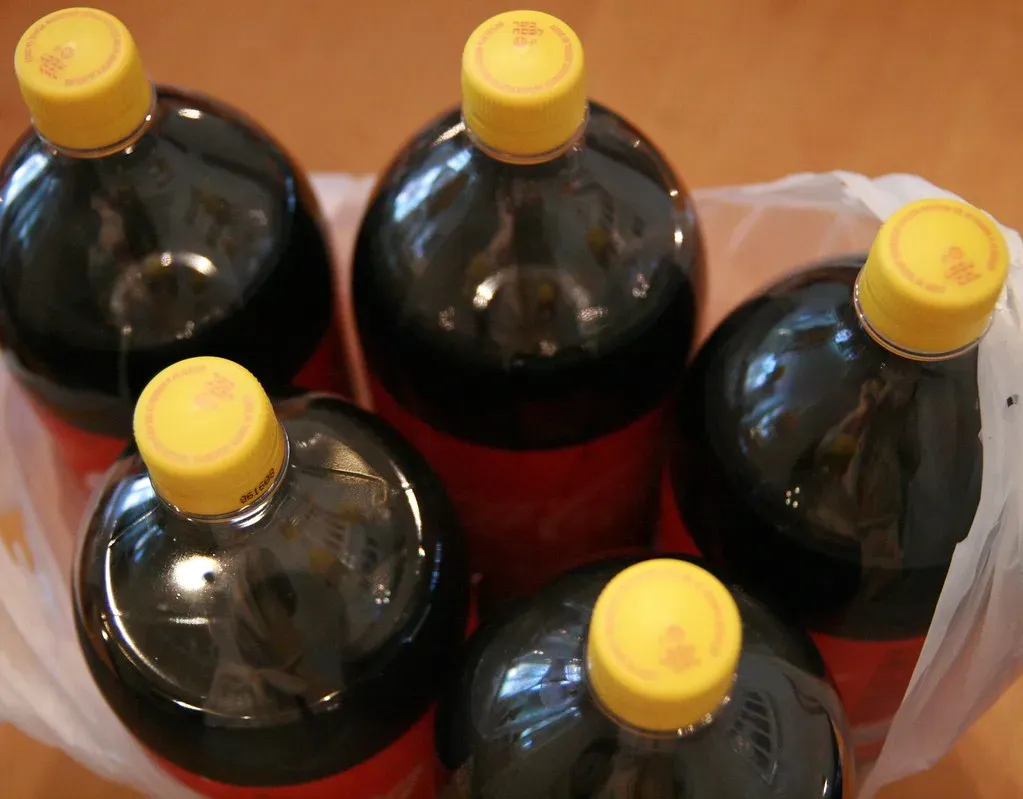
The yellow caps on Coca-Cola bottles are specifically to identify the drink as kosher for Passover, a religious holiday celebrated by those who follow Judaism to commemorate the escape from slavery in Egypt. Think of it as Coca-Cola’s version of a seasonal tradition, except instead of a pumpkin spice flavor or a holiday cup design, the entire recipe quietly changes.
The holiday of Pesach, or Passover, is significant for Jewish people as they commemorate those who were enslaved in Egypt and their liberation, spanning a period of seven days. During the week, various food and drink are prohibited, such as oats, wheat, barley, rice, corn and other common food items, including beer and liquor. That list of forbidden ingredients turns out to be a pretty big deal for a soda company with a corn-based sweetener at its core.
The Problem With Corn Syrup During Passover
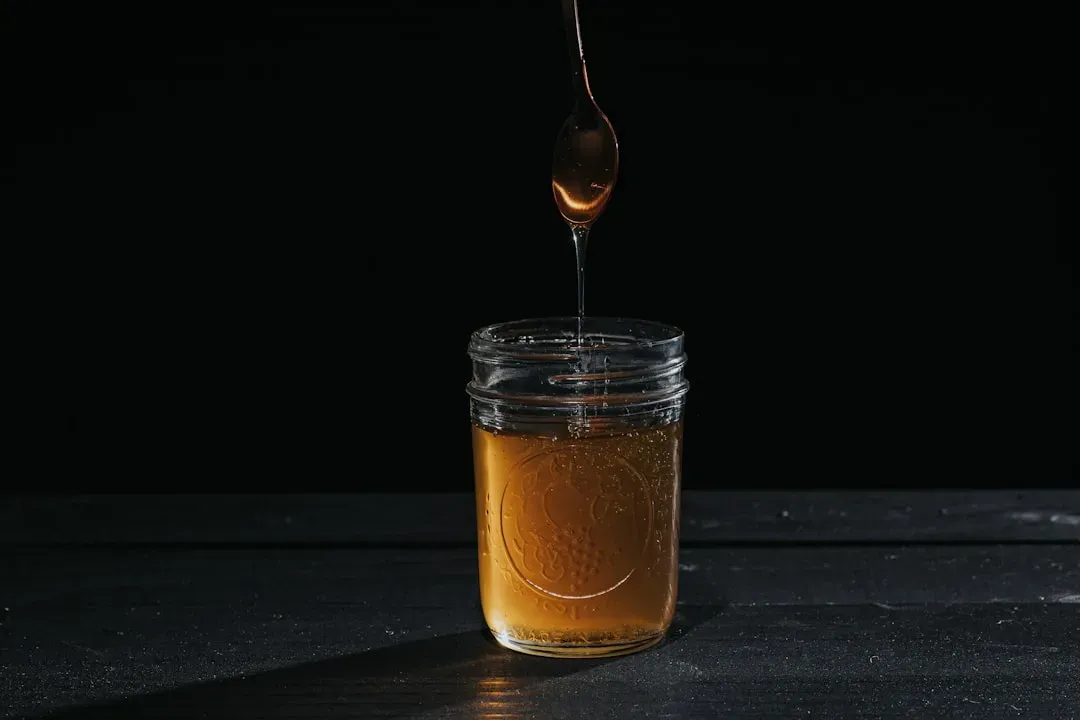
High-fructose corn syrup is not allowed to be consumed during the eight-day holiday due to the fact that it contains Kitniyot, a Hebrew word that means legumes, rice, and corn, something that Ashkenazi Jews specifically are not allowed to have. It sounds like a technicality, but for millions of people who observe Passover strictly, this is a serious dietary restriction, not a casual preference.
Furthermore, high-fructose corn syrup can sometimes be produced with, or at the very least contaminated by, leavened grains like barley, rye, oats, and wheat, which are considered chametz and are off limits for all observers of the Passover holiday. So it’s not just about corn itself. The entire production chain of high-fructose corn syrup raises flags under Passover dietary law. That’s why a simple swap in sweetener becomes a matter of genuine religious significance.
The Historic Story Behind the Formula Change
In the early 1930s, Rabbi Tuvia Geffen, who resided in Georgia, learned from his daughter that the popular soda contained products that were deemed not kosher. Once discovered, Rabbi Geffen reached out to the head of Coca-Cola’s legal affairs, Harold Hirsch, to declare the soda did not follow kosher standards. This was a bold move. Approaching one of America’s most powerful corporations about a secret recipe is not something most people would attempt.
Geffen signed an ironclad NDA and was given unprecedented access to the top secret formula of the soft drink. He famously determined that if the company reverted back to sweetening its sodas with pure cane sugar and/or beet sugar instead of corn syrup, it would be on its way to making a drink acceptable among Orthodox Jews and those who observed the stricter dietary rules through Passover. That negotiation, quiet and unheralded, eventually changed how millions of bottles of Coke are produced every spring to this day.
What Actually Changes Inside the Bottle
Throughout most of the year, Coca-Cola is sweetened with high-fructose corn syrup that is derived from corn. Since those observing Passover cannot eat corn products during this holiday, Coca-Cola sweetens its Passover-friendly recipe with cane sugar instead. That single ingredient swap is what separates a yellow-cap bottle from a red-cap bottle on the shelf. Same brand, same logo, but a fundamentally different sweetener doing the heavy lifting.
Since two of Coke’s main ingredients are high-fructose corn syrup and alpha-amylase, which is made from barley, it cannot be consumed during Passover. That’s why, during the spring, Coke rolls out yellow-capped bottles containing Coca-Cola made with sucrose, or cane sugar. Honestly, the fact that a barley-derived enzyme quietly lives inside a standard bottle of Coke is surprising on its own. That’s the kind of detail most of us never stop to think about.
The Yellow Cap Is Also a Certified Kosher Symbol
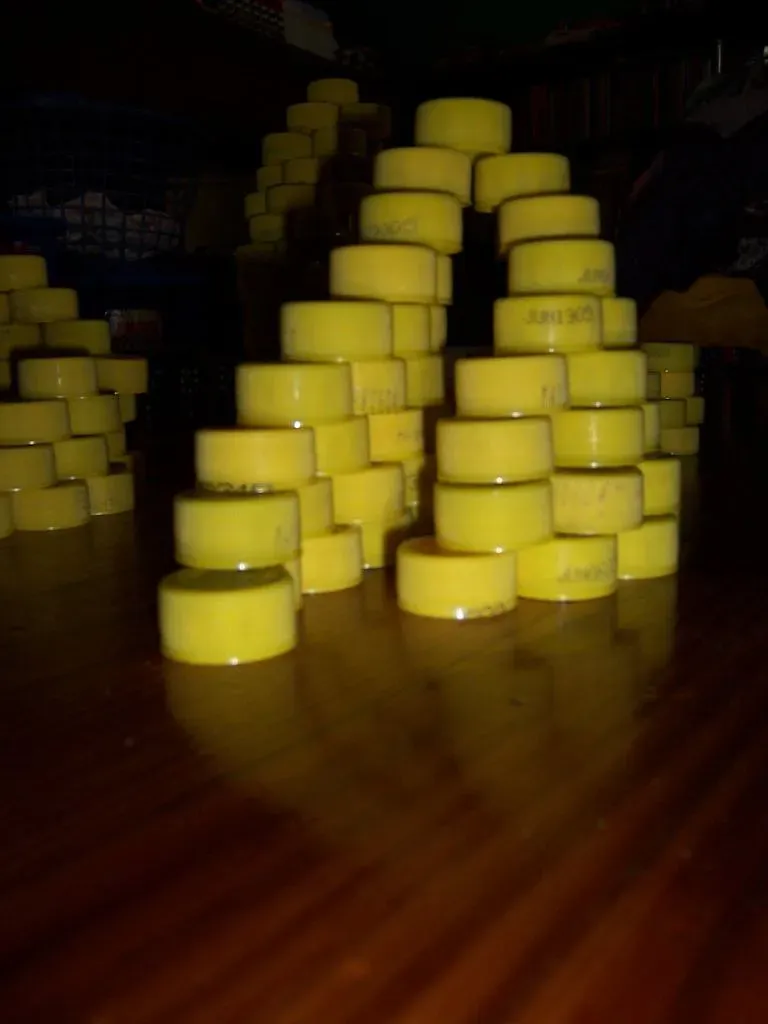
The bright yellow caps on these bottles are also stamped with “O-U-P” to indicate they’re certified kosher for Passover by the Orthodox Union. The Orthodox Union is one of the most widely recognized kosher certification organizations in the world, so this is not a casual label. It carries real religious weight and requires genuine oversight of the production process.
Year-round, Jewish organizations like the Orthodox Union work with companies to ensure that the food they produce meets kosher standards as detailed in the Torah and codes of Jewish law. If everything checks out, their products are certified kosher with symbols on the packaging. The yellow cap, then, is not just a visual flag for shoppers. It’s the result of an entire certification and supervision process that runs all the way through production.
Non-Jewish Fans Are Quietly Obsessed With It Too
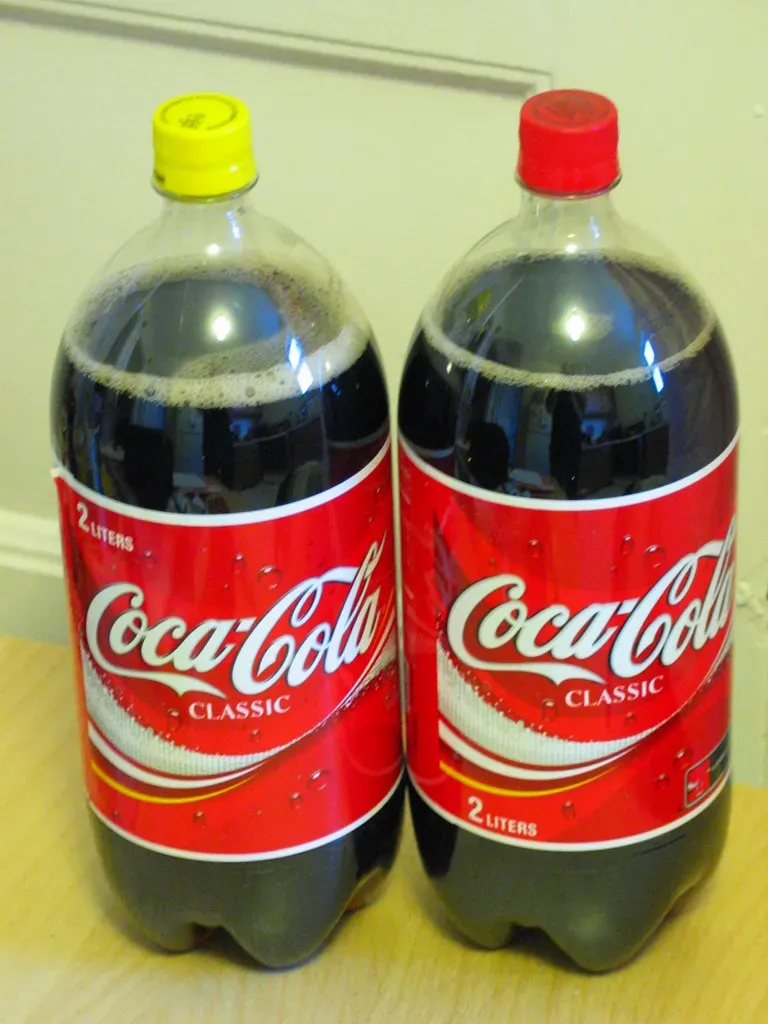
While intended for Jewish people who celebrate Passover, these Cokes are a favorite for many Coca-Cola fans. Plenty of people buy the yellow-capped Coke because they love the flavor or want to avoid high-fructose corn syrup. This is the part of the story that tends to surprise people. The yellow cap has quietly developed its own devoted fanbase that has nothing to do with religious observance at all.
It’s not just observant Jews who are grateful for Coke without corn syrup. Purists, foodies, and hipsters who can tell the difference between the two concoctions wait all year to buy up batches of Coca-Cola with sucrose, claiming it tastes better with the original sweetener. Think of it like the vinyl record crowd in a world of streaming. Some people just swear the original version sounds better, and they stock up while they can. These yellow-cap Coke bottles are no different in price than the bottles made with the regular recipe, which makes the seasonal hunt all the more worthwhile.
Where to Find It and How Long It Lasts
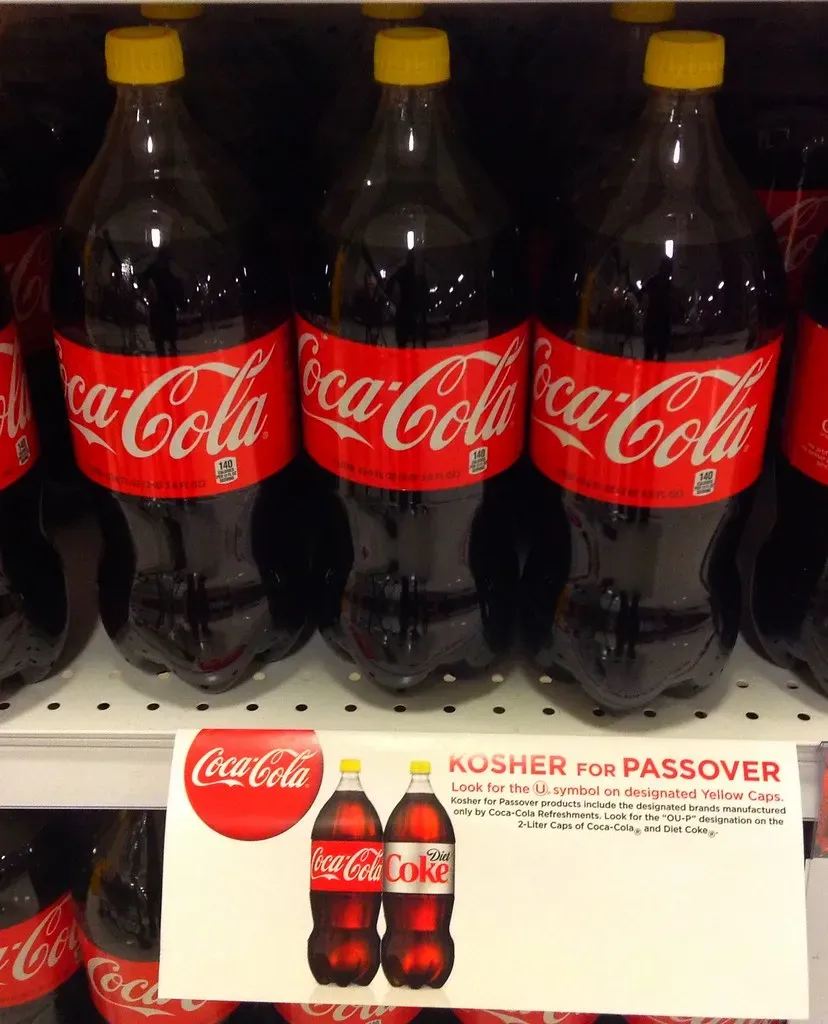
Passover Coke hits shelves a few weeks before Passover, which falls in March or April depending on the year. It’s usually available at major supermarkets with a kosher section, including Publix, Winn-Dixie, Whole Foods, and some Walmarts, especially in cities with large Jewish populations like Miami, New York, and Los Angeles. If you live in a smaller city or a rural area, you may need to look a little harder. It’s not a national blanket rollout.
Kosher for Passover Coke and Diet Coke doesn’t have a wide-sweeping national program. Shoppers may have the most luck finding it in grocery stores with a Jewish food section or in areas with a sizable Jewish population. The yellow cap bottles return to shelves for a limited time, and this special edition is released annually around the Jewish holiday of Passover, when corn-based sweeteners are prohibited for observant Jews. Once it’s gone, it’s gone until next spring. That scarcity is real, and it’s exactly why dedicated fans treat spotting the yellow cap a bit like finding a rare item on a store shelf.
A Century-Long Commitment That Still Runs Strong in 2026
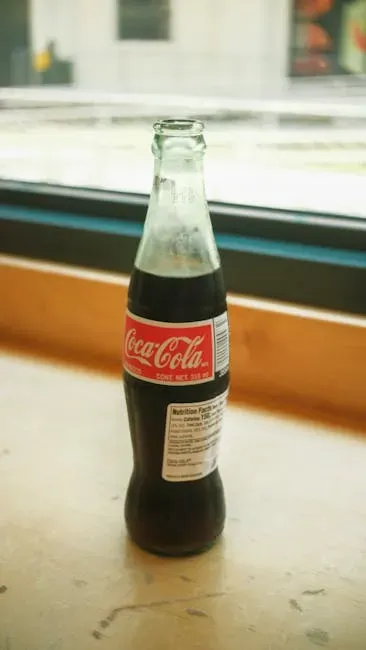
In the early 1980s, Coca-Cola began using high-fructose corn syrup in place of cane sugar to reduce production costs. This change meant that those keeping a kosher diet could enjoy it any time of year, except Passover. Upon realizing this, Coca-Cola rallied to remain loyal to their Jewish customers by launching a special kosher-for-Passover edition that reverted back to the older recipe that didn’t contain corn by-products.
Coca-Cola bottles with yellow caps are set to return to shelves for a limited time in 2026, signaling that the soda inside contains real cane sugar instead of the usual corn syrup. This special edition is released annually around the Jewish holiday of Passover. The iconic soda brand offers this special kosher version with cane sugar during the holiday. Nearly a century after Rabbi Geffen first knocked on Coca-Cola’s door, the tradition quietly continues. A small yellow cap, easy to overlook in a crowded aisle, carries a surprisingly deep story of religious respect, recipe history, and a corporation that chose to listen.
What do you think – would you pick up a yellow-cap Coke next time you spot one on the shelf? Drop your thoughts in the comments below.




Leave a Reply