
Some of the most celebrated songs in recorded music almost didn’t exist in the form we know them. They started as something else entirely: a waltz, a simple ballad, a three-minute folk track, or a rough demo that nobody thought would amount to much. Then something changed in the studio, sometimes by accident, sometimes through stubbornness, occasionally through outright chaos, and the song became something no one had planned.
What follows are 13 tracks whose mid-recording pivots didn’t just alter the finished product. They reshaped careers, redefined genres, and left a permanent mark on the way music is made. Each one is a reminder that the gap between what a song starts as and what it becomes can be enormous, and worth every difficult moment in between.
1. Bob Dylan – “Like a Rolling Stone” (1965)
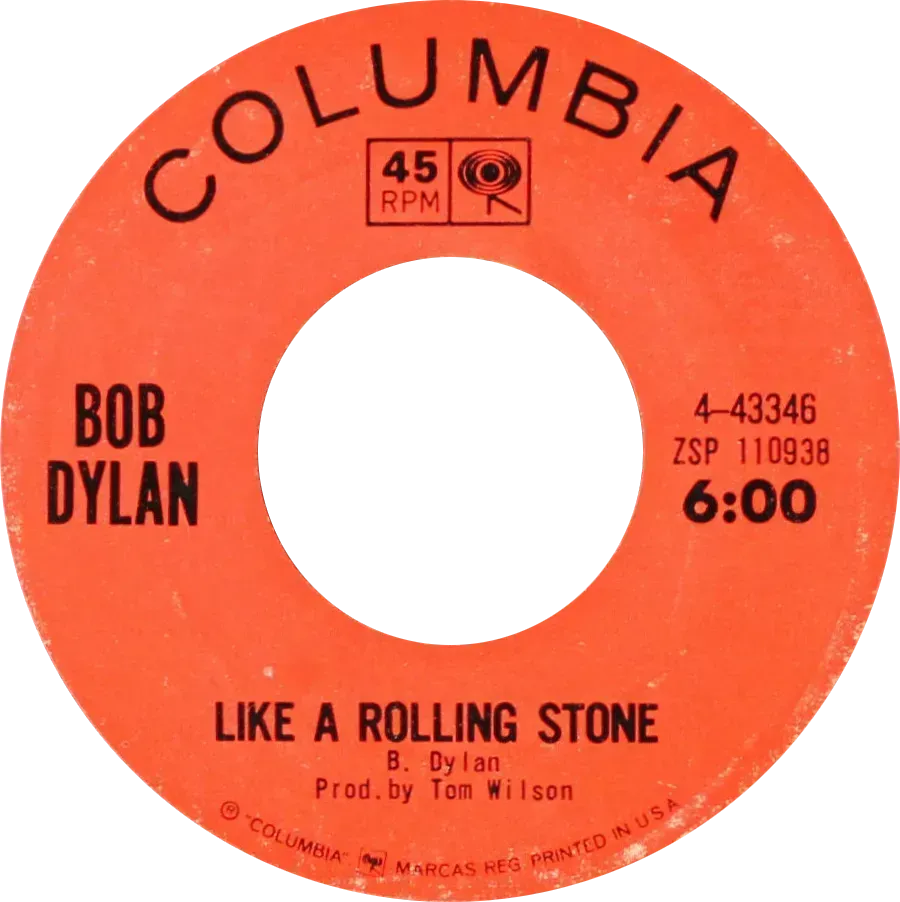
During a difficult two-day preproduction, Dylan struggled to find the essence of the song, which was demoed without success in three-quarter waltz time. A breakthrough happened when he recorded it in a rock format and rookie session musician Al Kooper improvised a Hammond organ riff. That single, unplanned moment transformed the entire texture of the song.
Kooper, who was not an experienced organist, joined the recording session as a guitarist but switched to the organ at the last minute. His improvised riff became one of the most iconic parts of the song. Columbia Records, unhappy with the song’s six-minute length and electric sound, hesitated to release it, yet it ultimately climbed to number two on the Billboard Hot 100 and became one of the most praised recordings in popular music history.
2. Queen – “Bohemian Rhapsody” (1975)
Queen’s “Bohemian Rhapsody” might be the ultimate example of a song that became something utterly unexpected in the studio. Freddie Mercury brought in a straightforward ballad, until the band started adding layers, harmonies, and, finally, the now-legendary operatic section. This middle segment was a late addition, but it turned the track from a simple tune into an epic that defied all genre boundaries. The song’s patchwork of ballad, opera, and hard rock was wildly unconventional for its time.
Even the band’s record label doubted its commercial potential, yet it went on to top charts worldwide and remains one of the most beloved songs ever. Its legacy is enormous, proving that risk-taking and creative vision can completely rewrite what a hit song looks and sounds like. “Bohemian Rhapsody” didn’t just change Queen’s career – it changed the entire landscape of rock music.
3. The Beatles – “Strawberry Fields Forever” (1967)
The Beatles recorded two distinct versions of “Strawberry Fields Forever,” each in a different key and at a different tempo. Neither felt quite right on its own. Producer George Martin and engineer Geoff Emerick spliced the two together, despite them being in different keys and tempos. This was no easy feat in 1967, requiring creative tape manipulation that was unheard of at the time.
The resulting track sounded both hauntingly surreal and richly textured, setting a new standard for what was possible in popular music production. Widely celebrated as a psychedelic masterpiece, “Strawberry Fields Forever” inspired generations of artists to experiment fearlessly. The three distinct recorded versions, arranged chronologically on the Beatles Anthology release, show just how dramatically the song evolved before it found its final shape.
4. Radiohead – “Paranoid Android” (1997)

Radiohead’s “Paranoid Android” stands as a modern classic that was born from chaos. The band began with three separate song fragments, each with its own mood and tempo. Instead of discarding any, they stitched them together, much like a musical Frankenstein’s monster. The result is a six-minute odyssey that shifts from delicate balladry to menacing rock and back again.
This bold structure, unthinkable for a radio single in the late 1990s, became a defining moment in alternative music. Critics and fans alike hailed the song for its ambition and depth, and it quickly became a centerpiece of Radiohead’s catalog. The fact that it was ever released as a single at all remains a minor miracle of label persuasion.
5. Fleetwood Mac – “Go Your Own Way” (1977)
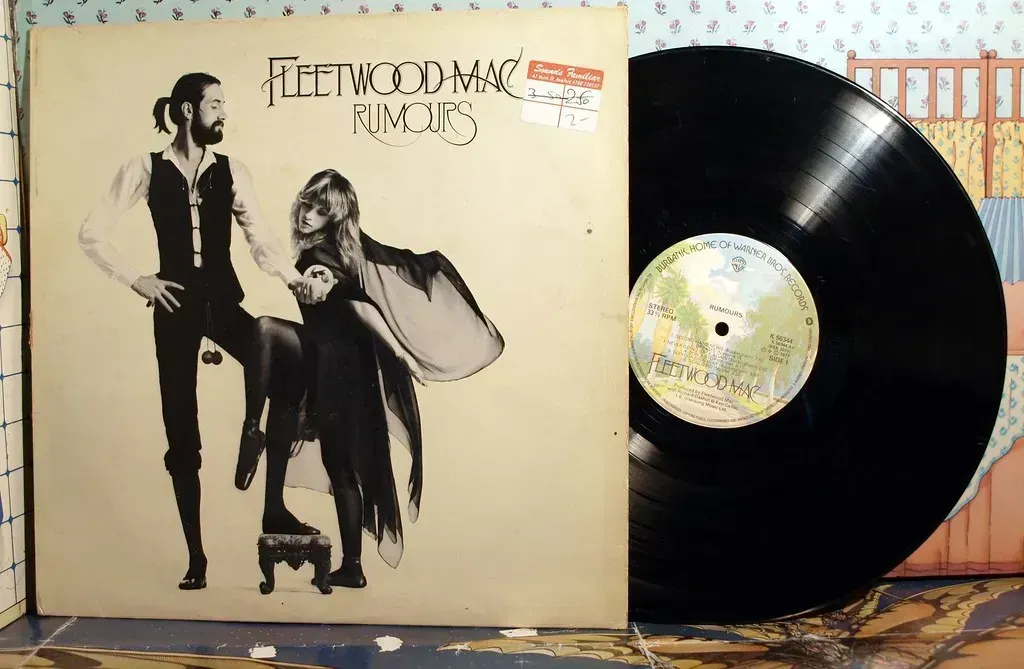
Buckingham wrote “Go Your Own Way” as a response to his breakup with fellow Fleetwood Mac vocalist Stevie Nicks, with whom Buckingham had been in a romantic relationship. Buckingham noted that he struggled to maintain a professional working relationship with Nicks after she romantically severed ties with him. The song’s drum part came together in an unexpected way during sessions. Buckingham was inspired by the drum feel of “Street Fighting Man” by the Rolling Stones and sought to incorporate a variation of the groove.
Describing the recording process, drummer Mick Fleetwood said that the rhythm was a tom-tom structure that Buckingham demonstrated by hitting Kleenex boxes. “I never quite got to grips with what he wanted, so the end result was my mutated interpretation. It became a major part of the song, a completely back-to-front approach that came, I’m ashamed to say, from capitalizing on my own ineptness.” The album it came from, Rumours, sold roughly 40 million copies worldwide, placing it among the best-selling albums of all time.
6. Nirvana – “Smells Like Teen Spirit” (1991)

The song’s evolution was shaped by producer Butch Vig, who pushed the band to tighten the arrangement and double-track Kurt Cobain’s vocals, adding a new level of intensity and clarity. These changes gave the song its signature punch, balancing rawness with accessibility. What had been a loose, frenetic rehearsal room idea was transformed into something with genuine commercial shape, though the band never intended it to go that way.
When it hit the airwaves in 1991, “Smells Like Teen Spirit” rapidly became the voice of a generation disillusioned with polished pop. The song’s unexpected success shocked even the band, as it quickly topped charts and redefined what alternative rock could be. Its impact is still felt in the music industry, serving as the blueprint for countless artists seeking to channel authenticity and rebellion.
7. Bruce Springsteen – “Born to Run” (1975)
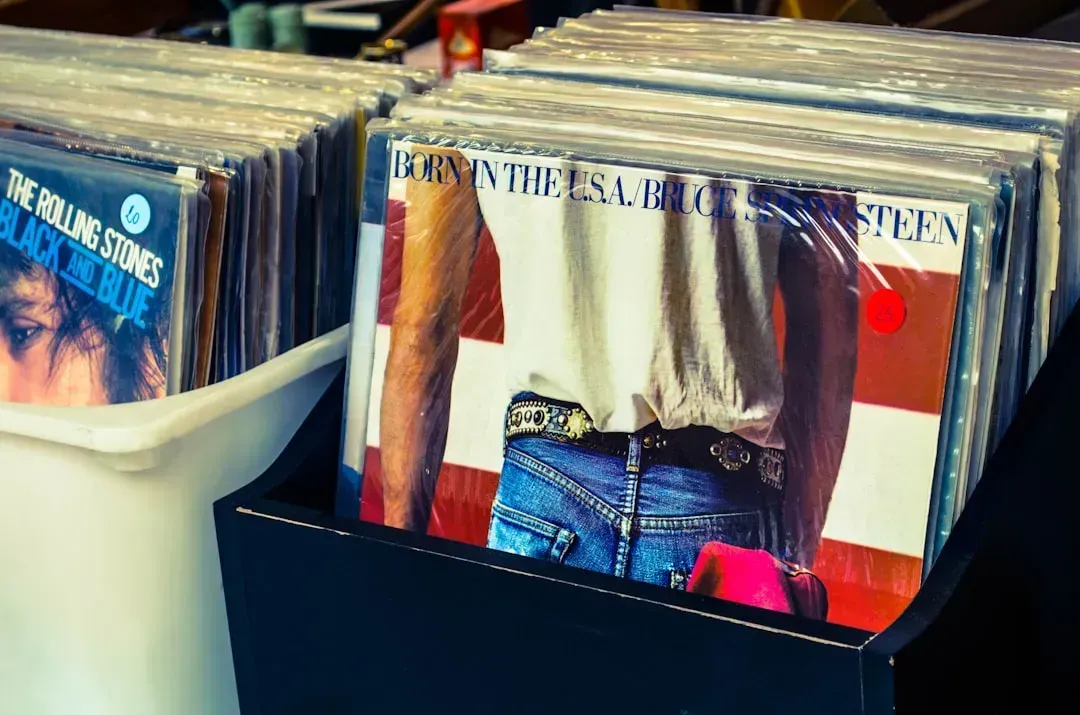
Bruce Springsteen’s “Born to Run” didn’t come together overnight. In fact, it took months of recording, with the arrangement constantly evolving. Springsteen and his team added and removed instruments, layered vocals, and searched for the perfect “wall of sound” that would make the song soar. Phil Spector’s “Wall of Sound” approach, which combined multiple performances to create a great wall of layered sound, was a direct reference point – Spector would use pianos, guitars, or any other instrument to create a controlled pop symphony of multiple overdubs.
The final version is a triumphant, cinematic anthem that captured the restless spirit of a generation. “Born to Run” became an instant classic, propelling Springsteen to superstardom. The finished track bears little resemblance to the stripped sketches Springsteen first worked through in those early sessions. Months of obsessive revision turned a good idea into a generational statement.
8. David Bowie – “Heroes” (1977)
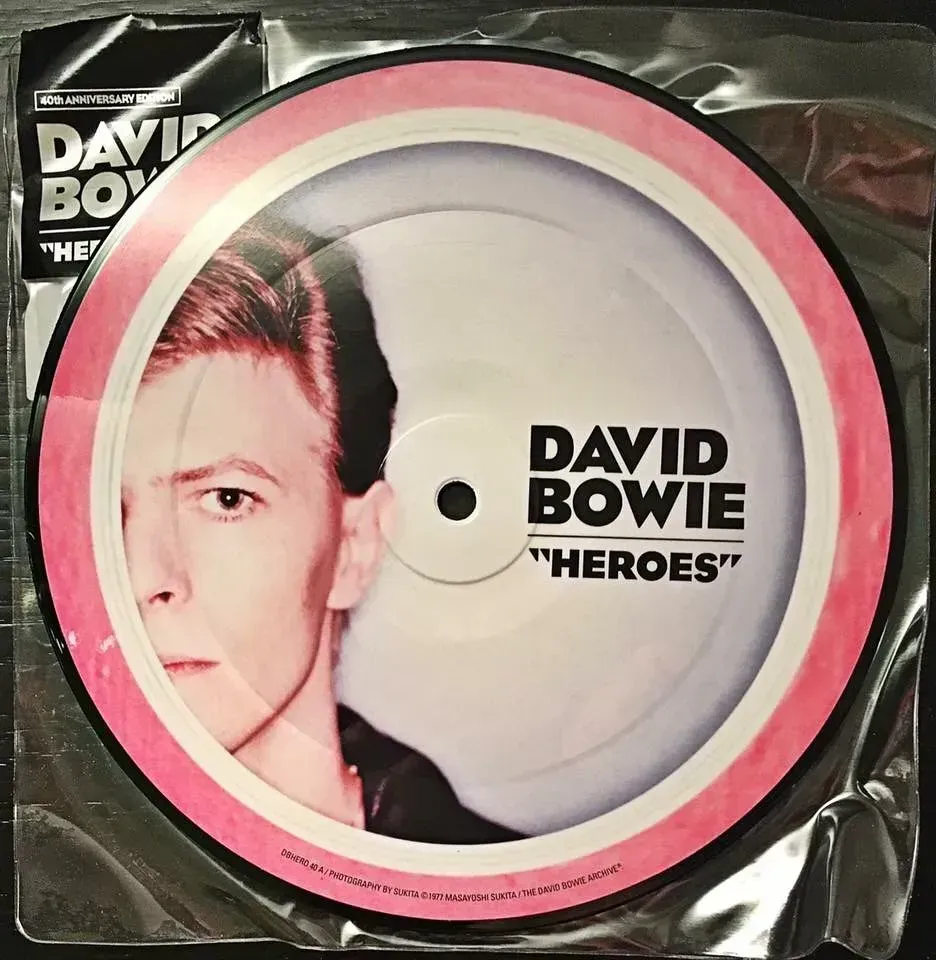
Over multiple takes, Bowie’s vocal performance grew more passionate, culminating in the iconic, soaring delivery that defines the final cut. Producer Tony Visconti made a bold technical decision: he set up microphones at different distances, gradually opening them as Bowie sang louder, capturing an unmatched sense of urgency and drama. The song’s vocal intensity was therefore not planned at the outset but built take by take through an evolving technical approach.
The result was a song that sounded like defiance itself, a fitting reflection of Bowie’s Berlin period, steeped in both turmoil and hope. “Heroes” became an anthem of resilience, sung at massive events and whispered in moments of struggle. It’s a song that feels alive, shaped by the tension and evolution of its own recording process.
9. The Beach Boys – “Good Vibrations” (1966)
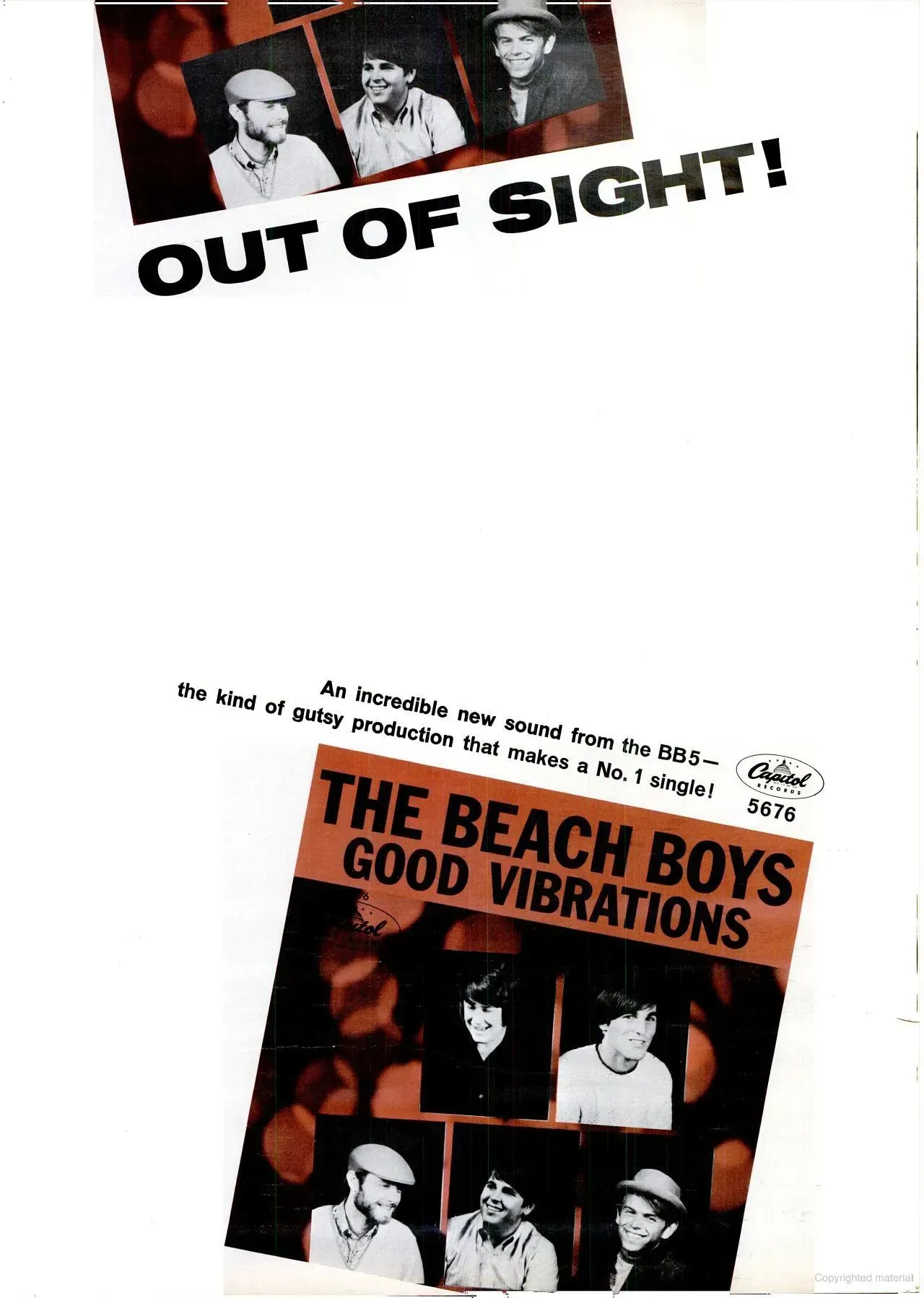
Brian Wilson was notorious for recording his tracks in pieces from multiple sessions. After he had multiple recordings of each session, he would cut them up and splice them together into a fully realized song. The effect this had on the records was strange but groundbreaking. Wilson himself referred to the track as a “pocket symphony,” and at the time it was the most expensive pop song to record of all time. Roughly 90 hours of studio time went into the production of the song, 70 hours’ worth of tape was used for the recording, and 12 different musicians worked on the song.
The wee-ooo wail heard at the start of the chorus is often mistaken as a Theremin. In reality, it was an experimental instrument made by Paul Tanner called a Tannemin. That detail alone signals how far Wilson wandered from any conventional pop recording approach. The song paved the way to a new style of music, but also showed how exciting it could be to be innovative within the studio as well as just with your writing.
10. Talking Heads – “Once in a Lifetime” (1980)
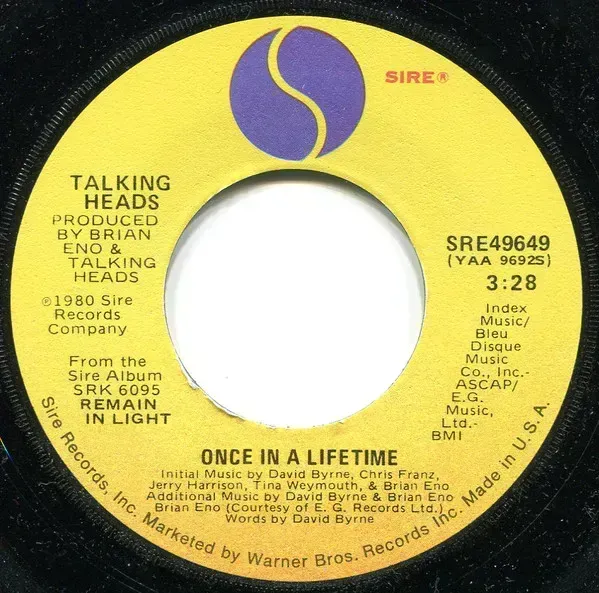
Producer Brian Eno introduced the group to a multiple rhythm style where each band member would start on a different count. This technique lets each part of the song flow in and out of one another in unique ways. Additionally, Eno had each band member record their parts on “Once in a Lifetime” without knowing what their bandmates had recorded. They played each part in isolation from one another.
Eno then mixed the “blind overdubs” into the original track for effect. What results is a song that is fluid and fragmented all at the same time. That disoriented, tumbling quality was not an accident, it was the precise outcome of a recording process deliberately designed to strip away familiarity. The song’s strangeness was engineered, and it landed perfectly.
11. Michael Jackson – “Billie Jean” (1982)
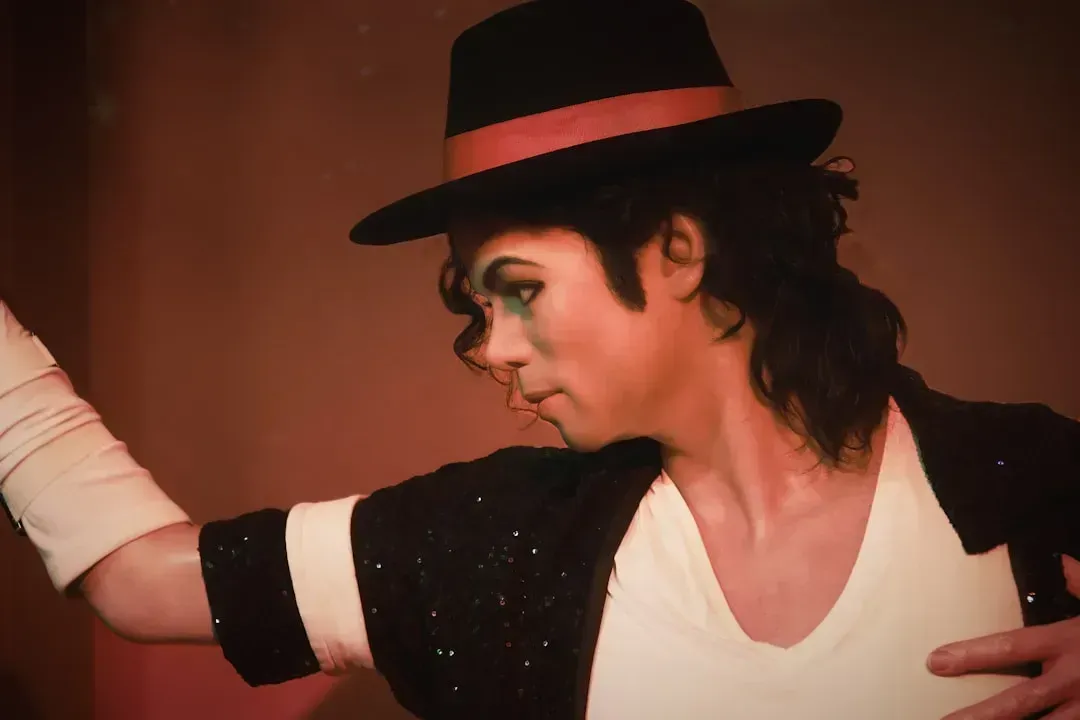
Producer Quincy Jones had Jackson singing his vocal overdubs through a six-foot-long cardboard tube. Jackson’s entire lead vocal was performed in one take, having received vocal training every morning throughout the production of the song. The song was mixed by Bruce Swedien 91 times, which was unusual for Swedien, who usually mixed a song just once.
Jones had told Swedien to create a drum sound that no one had ever heard before. The audio engineer was also told to add a different element: “sonic personality.” That relentless pursuit of something genuinely new produced a track so singular that the opening drum hit alone remains one of the most recognizable sounds in pop history. Every mix revision pushed the song further from convention and closer to something timeless.
12. A-ha – “Take On Me” (1985)
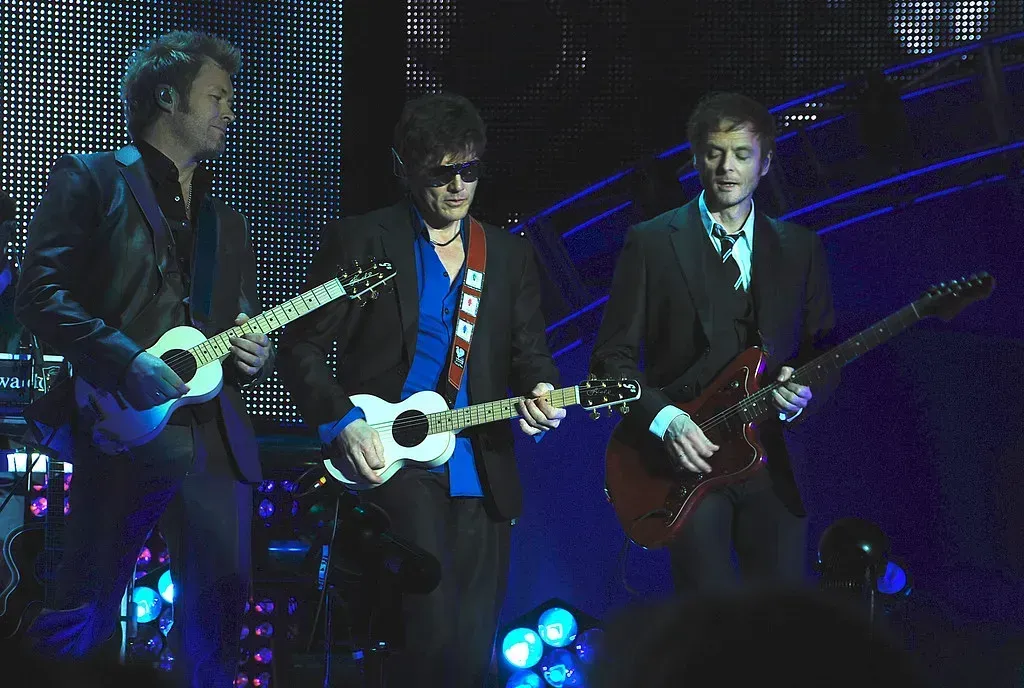
Before singer Morten Harket joined Norwegian band A-ha, guitarist Magne Furuholmen and keyboardist Pål Waaktaar-Savoy were a rock duo called Bridges who had a catchy song called “The Juicy Fruit Song.” When Harket joined in 1982, they changed their name to A-ha and re-worked the song into “Lesson One,” which catered to the singer’s dynamic vocal range. Even that version didn’t quite land. The song required multiple total rewrites across several years before it became what we know today.
Its first kernels popped up in a song called “Miss Eerie,” which evolved into one called “Lesson One,” which sounds a lot like “Take On Me” but without the hook that makes the song. Three separate attempts, three different producers, and years of revision separated the initial idea from the finished recording. When it finally came together, the song became one of the most iconic singles of the decade, its synth riff and Harket’s stratospheric falsetto instantly recognizable to anyone who heard a radio in 1985.
What ties all thirteen of these stories together is a refusal to settle. Whether the change came from a producer’s suggestion, a happy accident, a technical experiment, or sheer personal stubbornness, each of these songs found its real identity somewhere in the middle of the process rather than at the start. The finished version wasn’t the plan. It was what survived.




Leave a Reply