
Dinner parties feel casual on the surface, yet they run on a surprising number of unwritten rules. Most people learn them the hard way, usually by watching a host’s face fall or catching a side-eye from another guest. Etiquette professionals who spend their careers studying these small social contracts say the same handful of missteps come up again and again, and they are rarely about which fork to use.
What follows is a rundown of the habits that experts consistently flag as the biggest offenders, along with the reasoning behind each rule. Some are obvious once pointed out. Others might surprise you.
1. Showing up without a gift

Arriving empty-handed remains one of the most common complaints etiquette professionals hear from hosts. Carissa Kruse, a wedding planner who has coordinated hundreds of weddings and parties, says many people show up empty-handed at dinner parties, assuming the host has everything under control, and calls this an etiquette no-no since it can come off as rude.
The fix is simple and does not require much effort or money. Instead of showing up with nothing, guests are encouraged to bring a small but thoughtful gift for the host to show their appreciation. A bottle of wine, a candle, or a small dessert all work fine, as long as something comes through the door with you.
2. Skipping the RSVP or replying late

Hosts plan meals, seating, and budgets around a headcount, so a missing RSVP throws off far more than people realize. RSVPing to a dinner party is essential, as it helps your host plan the event, and forgetting to RSVP, or replying at the last minute, can throw a wrench into things.
Etiquette expert Lisa Grotts puts it plainly when discussing invitations. “RSVPs are for accepts and regrets,” Grotts says, adding that guests should never leave their host hanging. Even a quick maybe is better than silence.
3. Bringing an uninvited plus-one

Showing up with an extra person nobody planned for is a fast way to disrupt a carefully arranged evening. An impromptu plus-one might not seem like a big deal, but the host may feel differently, especially if they set the table for a certain number and now have to accommodate one more, and guests should not assume it is okay to bring an unannounced guest, particularly if that guest and the host have never met.
If there is any doubt, the solution is to ask ahead of time rather than assume. If you aren’t sure that more is merrier, the advice is to simply ask your host well in advance to avoid an awkward situation.
4. Clearing plates before the host is ready
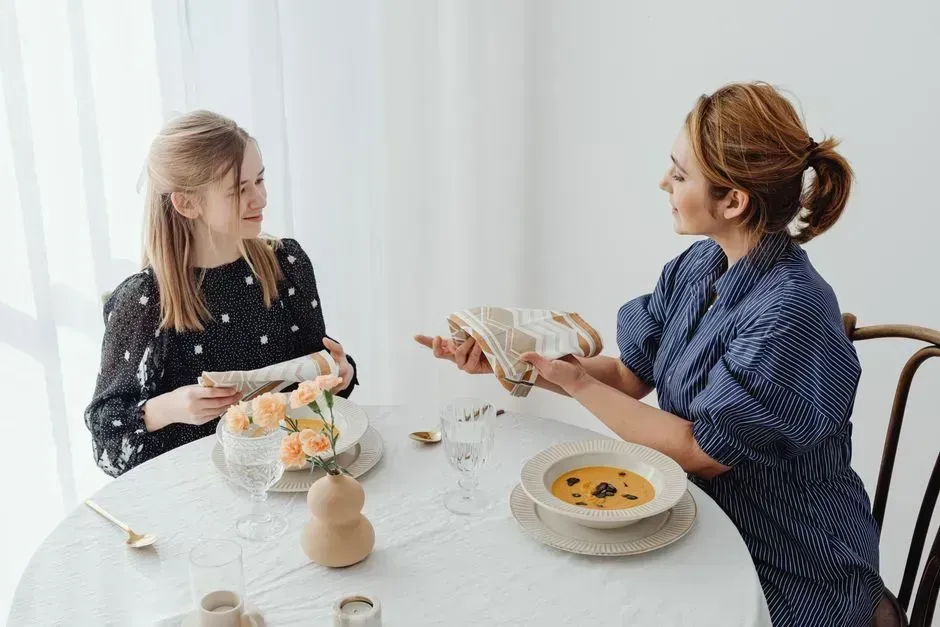
Jumping up to clear dishes might feel helpful, but etiquette experts say it can actually undercut the host’s role and rush the evening along. According to etiquette author Diane Gottsman, guests should never start clearing plates when people are still sitting and chatting around the table.
Her reasoning centers on letting the host set the pace of the night. “If the host is sitting and enjoying their guests, resist the urge to take the dishes to the kitchen sink,” she says. There is a natural moment for helping later, but the middle of a conversation is not it.
5. Reaching across the table for something

Stretching past a neighbor’s plate to grab the salt or the bread basket feels efficient in the moment, but it breaks a basic rule of table manners. Etiquette experts suggest it is better to ask someone to pass an item, since reaching can be seen as impolite because it invades the personal space of others at the table.
This one shows up constantly at casual dinner parties where the table feels informal. Instead, a simple request to pass an item is both polite and considerate. It takes two seconds and avoids any awkward arm-crossing over someone’s plate.
6. Ignoring the seating arrangement
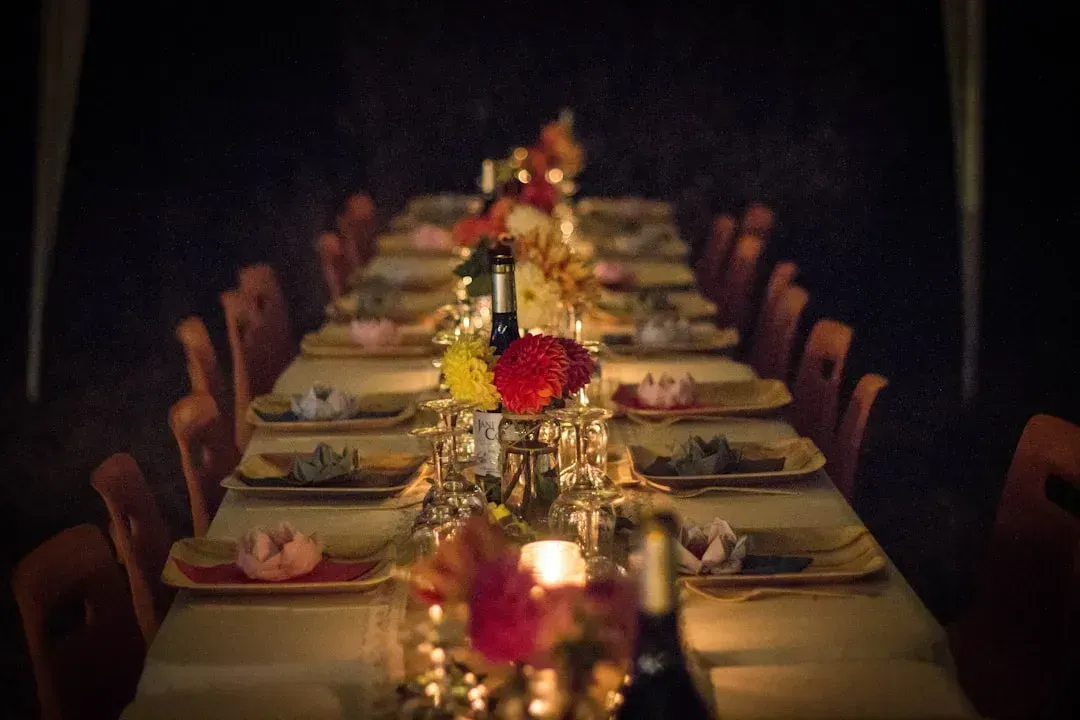
Hosts often spend real thought on who sits where, pairing people who will hit it off or separating personalities that might clash. Adhering to seating plans reflects respect for the host’s efforts and an understanding of social hierarchy, since hosts often thoughtfully design seating arrangements to ease conversation and ensure an enjoyable time for everyone.
Swapping seats without asking undoes that planning instantly. Ignoring or altering these arrangements shows a disregard for the host’s efforts and can create awkward dynamics. If a seat swap feels necessary, a quick check-in with the host smooths things over.
7. Steering the conversation into controversial territory

Politics, gossip, and other hot-button subjects have a way of derailing an otherwise pleasant meal. Etiquette professionals generally agree that dinner parties are not the venue for airing strong opinions or picking fights, even unintentionally.
When tension does creep in, the better move is redirecting rather than confronting. Etiquette expert Gott suggests redirecting rather than reprimanding, noting that if a topic feels tense or polarizing, hosts and guests alike can gently shift the conversation toward something lighter, like a recent trip or a recipe on the table. Keeping the tone warm matters more than winning the argument.
8. Forgetting to thank the host afterward
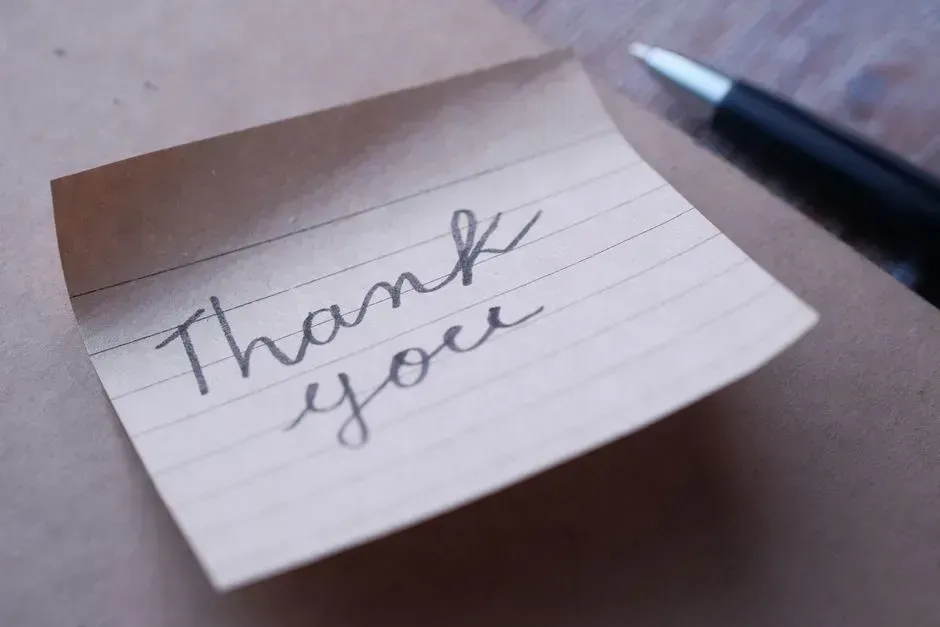
A great night can still end on a sour note if the basic courtesy of thanks gets skipped. Gracious guests never forget this fundamental courtesy, and experts recommend thanking the host sincerely and specifically, mentioning a dish that stood out or a moment from the evening.
Many people intend to follow up and then simply forget. Most people forget to follow up the next day, but a short message or handwritten note goes a long way. It costs nothing and leaves a lasting impression on the person who spent hours preparing the meal.
9. Overloading your plate and not finishing it

Piling food high at a shared meal, especially a smaller gathering, can leave other guests short and signals a lack of awareness about shared resources. Guests should only put food on their plate that they know they are going to eat, since if you serve it, you eat it.
Moderation applies just as much to drinks as it does to food. Etiquette expert Swann agrees, adding that guests should always do things in moderation, whether pouring wine or serving themselves food, since there is always the option to go back for more. It is a small habit that keeps a shared meal feeling fair to everyone at the table.
10. Scrolling through your phone during the meal
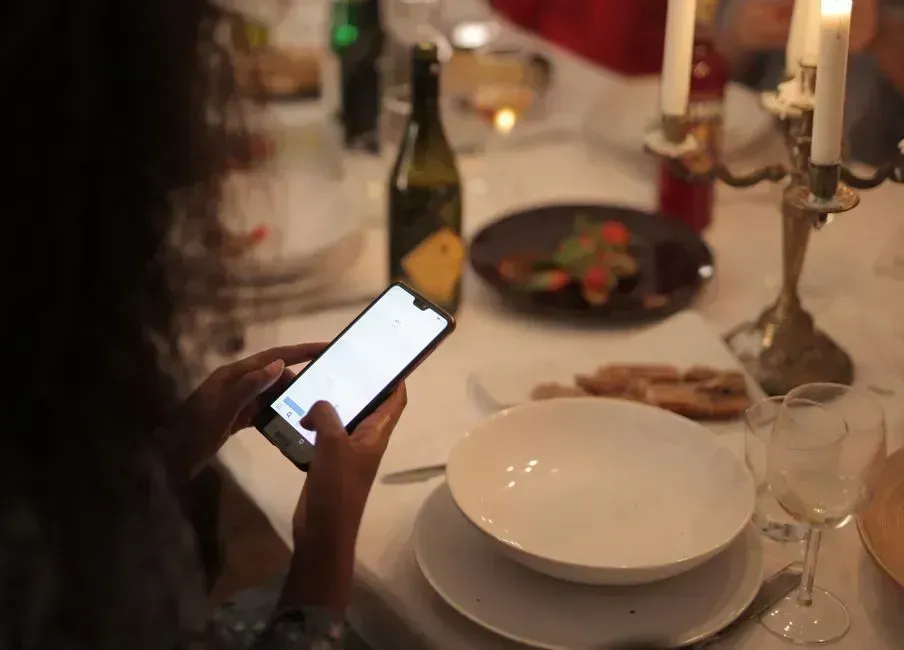
Pulling out a phone mid-conversation sends a clear signal that the person on the screen matters more than the people at the table. Modern etiquette guides consistently list this among the top offenses at any gathering, dinner parties included, since it breaks the flow of conversation and makes hosts feel their effort is going unnoticed.
Most experts suggest a simple habit to avoid the temptation altogether. Leaving the phone in a bag or on silent for the duration of the meal keeps attention where it belongs, and it rarely goes unnoticed when someone manages to do it consistently through an entire dinner.
11. Overstaying your welcome
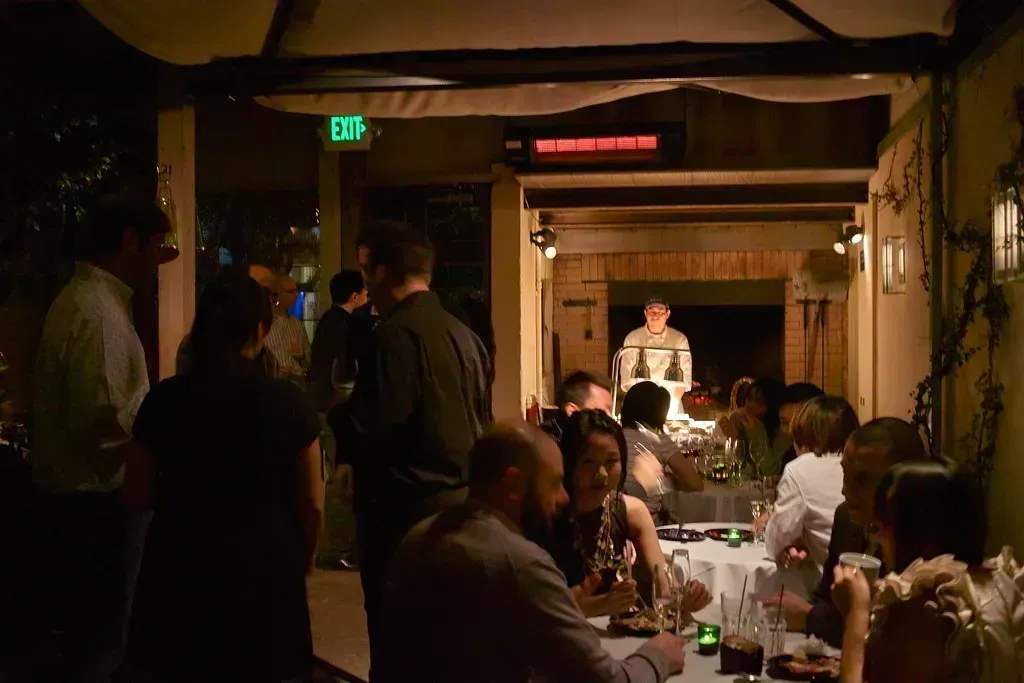
Knowing when to leave is its own kind of etiquette, and it trips up more people than almost any other rule on this list. It’s natural to want the good times to keep going, but other people have schedules to keep, and a good rule of thumb is to gauge the mood of the party and gracefully make an exit when it senses winding down.
Waiting for obvious hints from the host is not a great strategy either. Guests should not wait for their host to drop hints or start packing up leftovers, and instead should say their goodbyes in a timely fashion to make an elegant exit. Reading the room and leaving on a high note tends to leave a better impression than being the last one out the door.
None of these rules require a etiquette manual or a background in formal dining. Most of them boil down to paying attention, respecting the effort someone else put into the evening, and treating the people around the table the way you would want to be treated at your own dinner party.




Leave a Reply