
There’s a persistent myth that living well in Europe requires a Western European salary or a trust fund. Anyone who has actually priced out an apartment in Lisbon’s old town versus a quiet Portuguese town, or compared rent in Ljubljana to a smaller Slovenian city, knows the picture is far more nuanced. A single income, spent in the right country, can cover rent, groceries, healthcare, and the occasional weekend trip without leaving much stress at the end of the month.
The seven countries below aren’t obscure discoveries. They show up again and again in cost of living rankings for good reason: solid infrastructure, EU membership or close ties to it, and daily expenses that stay reasonable even as prices elsewhere in Europe keep climbing.
Portugal: Atlantic charm without the Western European price tag

Numbeo’s latest Portugal page estimates monthly living costs for a single person at about €674 excluding rent. Wages have kept pace too. The national minimum wage stands at €920 per month as of January 1, 2026, up from €870 in 2025, and the most recent INE data shows average gross monthly earnings of €1,741 in Q2 2025. Compared with bigger economies, the gap is hard to ignore, since the UK’s overall cost of living including rent runs 36.6% higher than Portugal’s, with rents 28.7% higher and groceries 35.3% higher.
Skipping the coastal hotspots multiplies the savings. The most affordable cities in Portugal are Aveiro, Castelo Branco, Evora, Santarem, and Viseu, where a modest apartment and a normal grocery run go a long way. On the medical side, all legal residents, including expats, can use Portugal’s national health service, which provides access to care with little to no co-payments. Safety adds another layer of appeal, since Portugal ranked seventh in the 2025 Global Peace Index thanks to its low violent crime and a stable political system.
Greece: Mediterranean living on a modest single income

Greece has quietly become one of the better value stories in Europe. The average monthly living expenses for a single person in Greece are €809 excluding rent, while the monthly cost for a family of four is €2,777. Wages remain modest but workable, with the national minimum wage at €830, while an average monthly salary is €2,440. Housing in the capital is still reasonable by European standards, with rent for a one-bedroom apartment in the city center coming out to an average of €550.
Move outside Athens and the numbers drop further, with Larissa standing out as the cheapest place to live in Greece. Retirement seekers have taken notice too, since Greece was ranked the #1 retirement destination for 2026 by International Living. Remote professionals also get a genuine incentive, as Digital Nomad Visa holders who establish Greek tax residency for a minimum of 2 years and spend 183 or more days per year in Greece qualify for a 50% reduction in Greek income tax for up to 7 years.
Poland: solid infrastructure at Eastern European prices
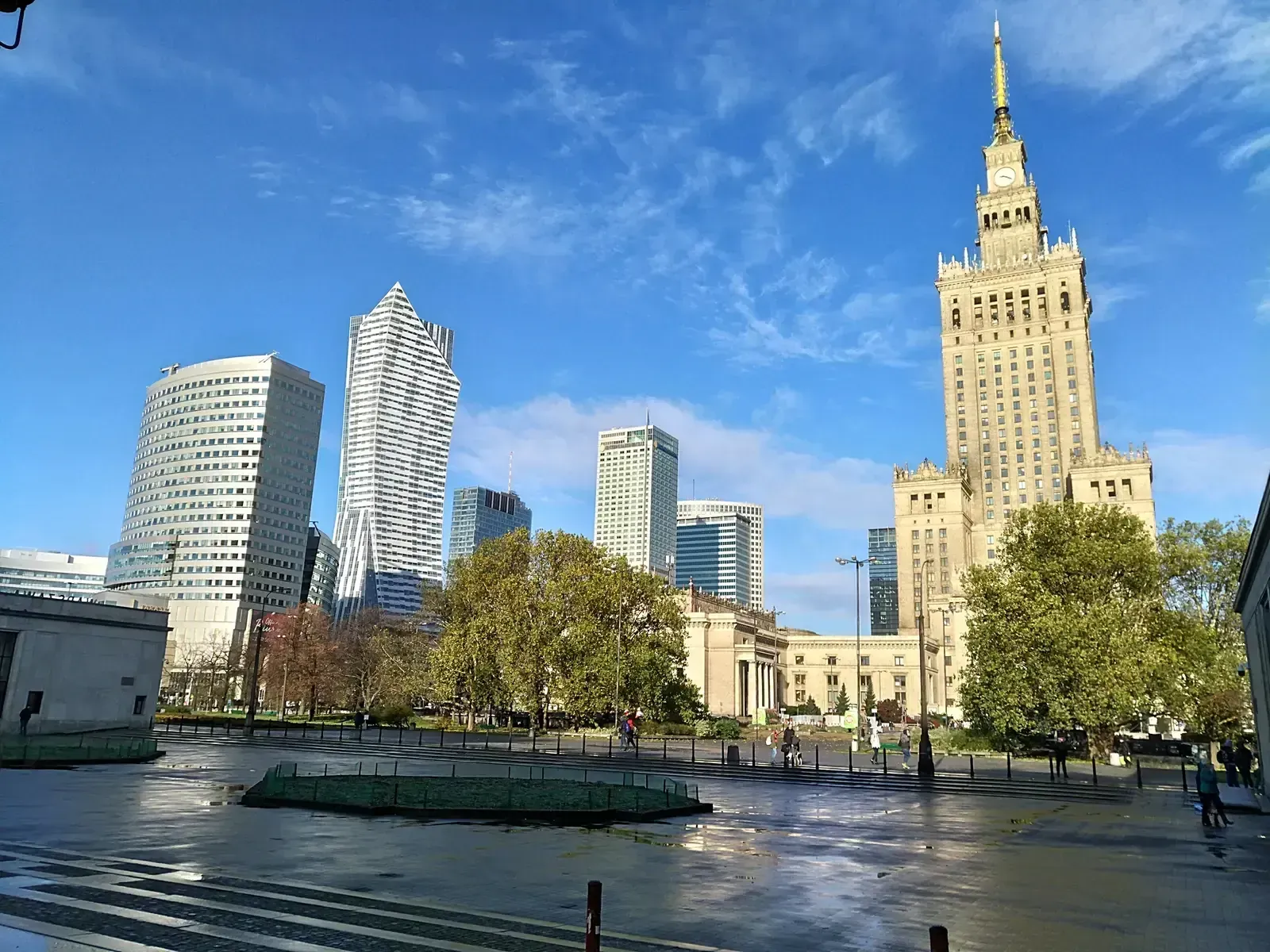
Poland occupies an interesting spot on the map: close enough to Germany for easy travel, cheap enough to feel like a different economic world entirely. Eastern European countries such as Poland, Hungary, and Bulgaria provide a more economical lifestyle without sacrificing quality. Rent in the capital reflects that balance, with a 1-bedroom apartment in central Sofia averaging around 700 EUR, close to Warsaw’s 745 EUR, but in a country where overall costs run 25 to 30 percent lower.
Wages have also been rising steadily across the country. Poland’s minimum wage sits at €1,139 per month as of January 2026, one of the higher figures among Central European nations, which helps explain why Polish cities keep attracting both locals and foreign workers. Warsaw, Krakow, and Wroclaw all offer functioning public transport, reliable healthcare, and a growing tech and services sector, so the affordability doesn’t come at the cost of convenience.
Slovakia: understated affordability in the heart of Europe
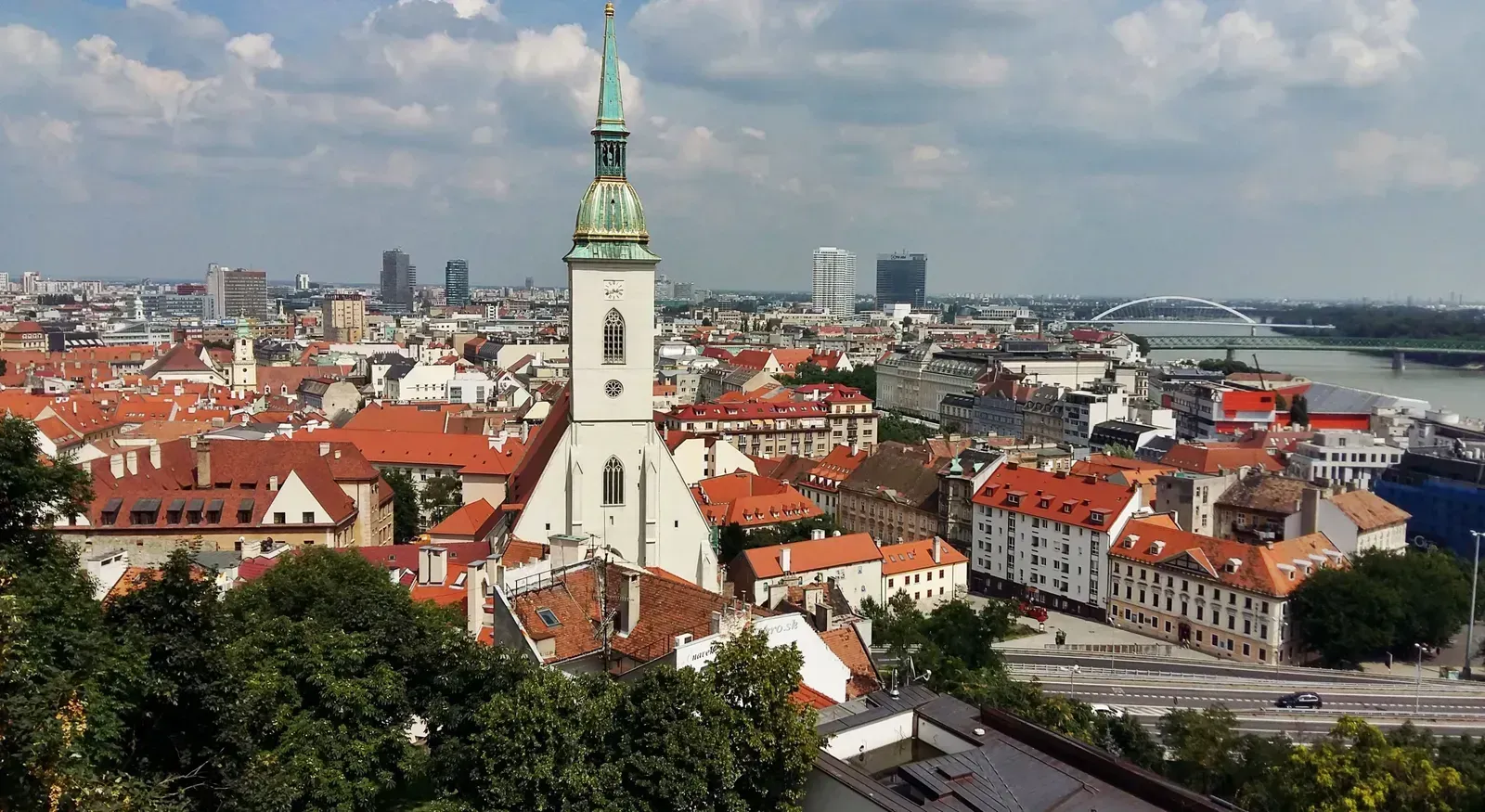
Slovakia rarely makes headline lists, which is exactly why it deserves a mention. The average cost of living in Slovakia runs slightly below Poland’s, and the country ranks 47th among the world’s most expensive countries. That modest ranking translates into everyday savings on rent, food, and transport that add up quickly over a year.
Bratislava, the capital, sits close enough to Vienna for a day trip yet costs a fraction of what Austrian rent demands. The national minimum wage stands at €915 per month as of January 2026, which keeps local prices anchored even as EU membership brings steady investment and infrastructure upgrades. For anyone wanting a European base without a premium price tag, Slovakia offers a quieter, less crowded alternative to its neighbors.
Bulgaria: the lowest taxes and one of the lowest costs in the EU

Bulgaria consistently ranks among the cheapest EU countries, and the tax structure only strengthens the case. Bulgaria runs a flat 10 percent personal income tax, the lowest in the EU alongside Hungary’s targeted regimes, and a 20 percent VAT, the lowest in the region. Currency stability plays a role too, since the lev is pegged to the euro at 1.95583 BGN/EUR.
Sofia has grown into more than just a budget destination. The city is increasingly a tech hub, with VMware, SAP, Uber, and Hyperscience all maintaining large engineering centres. Coastal cities add another dimension, as Black Sea cities like Burgas and Varna draw remote workers with cheap rent and beach lifestyle. With eurozone entry on the horizon, Bulgaria’s affordability edge may not last forever, which makes now a fairly good time to look closer.
Slovenia: a calmer, cleaner corner of Central Europe
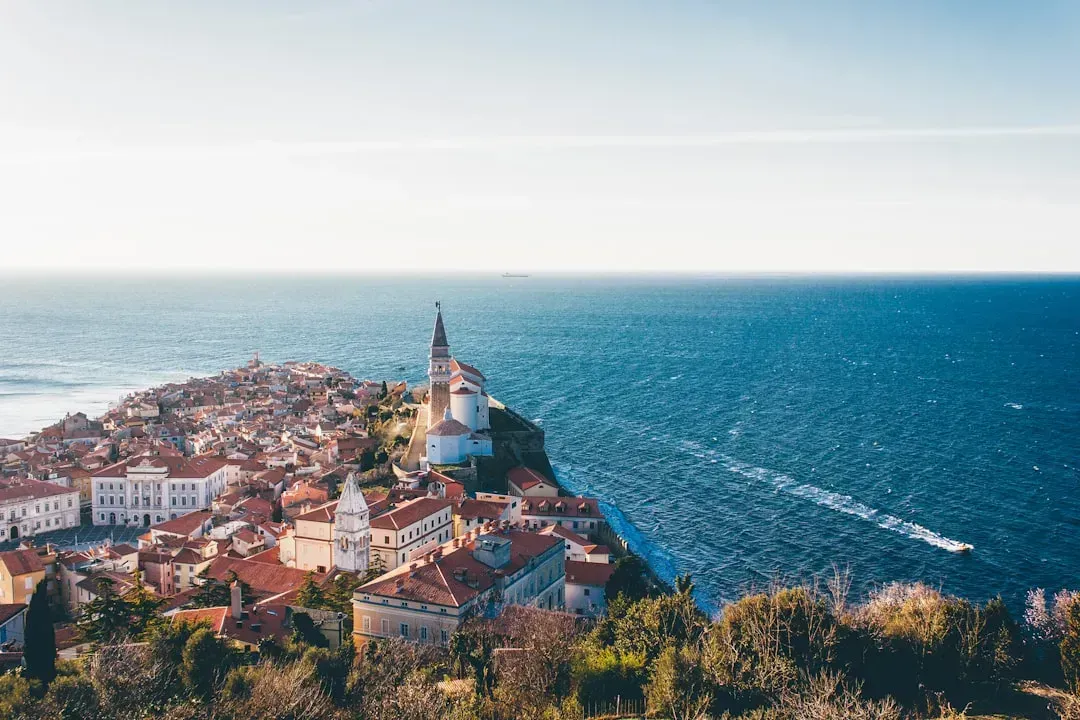
Slovenia sits in an interesting middle ground, more expensive than the Balkans but noticeably cheaper than its Alpine neighbors. It sits between the affordable Balkans and pricier Western Europe, and most expats report spending €1,800 to €2,500 a month, though a local-style budget can sit near €1,000. Housing costs concentrate almost entirely in the capital.
Outside Ljubljana, the savings become obvious. At the beginning of 2026, the average rent per square meter in the capital is around €18 per month, yet rents in Ljubljana are also 30 to 50% higher than in cities like Maribor or Celje. For anyone willing to skip the capital, Slovenia offers clean cities, easy access to nature, and a noticeably calmer pace of life without the price tag of Austria or Switzerland next door. That combination of order, greenery, and lower stress is a big part of the country’s quiet appeal.
Hungary: Budapest’s thermal baths at Eastern European prices

Budapest remains one of the best value capitals on the continent, and the numbers back that up clearly. A one-bedroom apartment in the city centre costs around €550 per month, less than half the price of Amsterdam or Paris for equivalent quality. Comparisons with other capitals make the gap even sharper: Budapest runs about 50 percent cheaper than London, about 44 percent cheaper than Paris, about 36 percent cheaper than Berlin, and about 29 percent cheaper than Vienna, its closest neighbour.
Local wages stay modest, which is part of why the city feels so affordable to anyone earning from abroad. The average net wage in Hungary is roughly €1,000 to €1,200 a month, so the city feels especially affordable if you earn from abroad or work remotely. Beyond the budget appeal, Budapest offers something few capitals can match: a thermal bath culture, with Széchenyi, Gellért, and Rudas being unique in Europe and deeply embedded in local life. That mix of low cost and genuine cultural texture is a large part of why the city keeps drawing remote workers and retirees alike.
Choosing the right fit
None of these seven countries offer identical experiences, and that’s precisely the point. Portugal and Greece bring sunshine and coastline, Poland and Slovakia offer central European convenience with lower bills, Bulgaria pairs low taxes with genuine affordability, and Slovenia and Hungary each carve out their own blend of nature, culture, and value. The right choice depends less on finding the single cheapest option and more on matching a country’s rhythm to your own.
What ties them together is simple. A modest single income, spent thoughtfully, still buys a comfortable life in these places, something that’s become harder to say about much of Western Europe. For anyone weighing a move, a sabbatical, or just a change of scenery, these seven countries remain some of the most sensible starting points on the continent.




Leave a Reply