
Portugal: A Public System That Actually Works for Residents
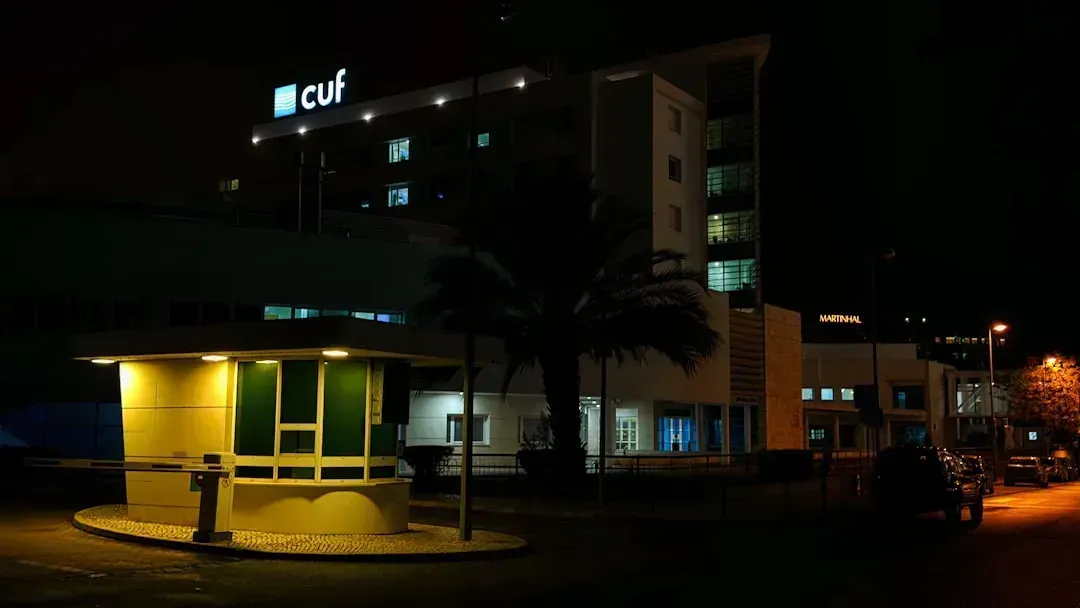
Portugal’s Serviço Nacional de Saúde, known as the SNS, gives legal residents access to a healthcare system that is many Portuguese residents pay €0 or very small fees for GP consultations, emergency care, hospital treatment, specialist consultations, and diagnostic tests, via an SNS referral. That kind of coverage is rare among Western nations still recovering from post pandemic strain on public health budgets. Retirees who want faster access to specialists or English speaking doctors typically layer in private coverage rather than relying on the public system alone.
The private option isn’t expensive by American standards either. The average costs for private health insurance in Portugal are €25 to €60 for basic plans, €80 to €150 for comprehensive plans, and €150 to €300 or more for premium plans per month. Out of pocket visits remain reasonable too, since in a high end, private hospital, a patient can expect to pay €50 to see a general practitioner or €90 to see a specialist. Combined with the D7 visa pathway for retirees with passive income, Portugal has built a reputation as one of the more dependable places to age without financial anxiety.
Spain: Low Cost Private Insurance Alongside Strong Public Care

Spain’s healthcare system regularly earns praise from international rankings, and it backs that reputation up with genuinely low costs for residents. Spain and Portugal both have outstanding healthcare systems that are largely public with private options, and Spain in particular has many English speaking doctors in expat frequented areas and very inexpensive private insurance, around $75 a month in one case for near full coverage. That kind of premium is almost unheard of for comprehensive coverage in the US market, even for younger, healthier applicants.
What makes Spain particularly appealing for retirees is the coexistence of both systems without one undermining the other. Public hospitals handle serious cases competently, while private clinics offer shorter wait times for elective procedures and routine checkups. Regions like the Costa del Sol and Valencia have become magnets for retirees precisely because the healthcare infrastructure keeps pace with the growing expat population, rather than lagging behind it.
Mexico: Border Proximity Meets Genuinely Affordable Private Care
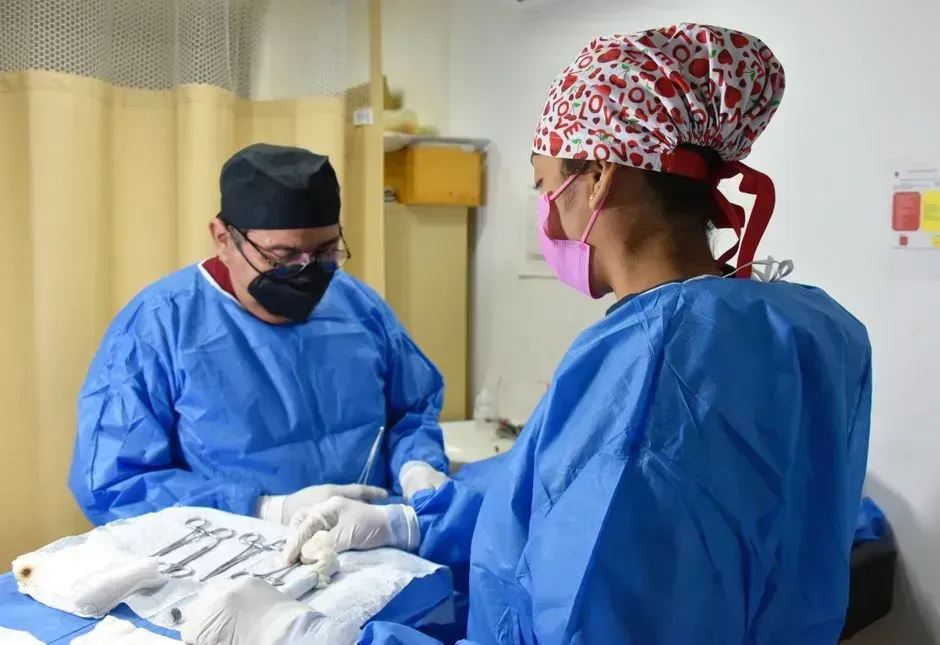
Mexico offers something few other countries on this list can match: a public option paired with private care that costs almost nothing by comparison to the US, all within driving distance of the border. Mexico’s public system, IMSS, is available to legal residents for a modest annual fee under $500 a year for most retirees, and a specialist visit in the private system runs $30 to $80. Quality does vary depending on location, so many retirees choose cities with established medical infrastructure over smaller towns.
Several hospitals in the country have earned international accreditation, which matters for anyone worried about standards. Several Mexican hospitals hold JCI accreditation, particularly in Mexico City, Monterrey, and Guadalajara. A lot of retirees near the border take a hybrid approach, using Mexican providers for everyday needs while keeping a US doctor on standby for complicated cases, which offers a practical middle ground rather than an all or nothing commitment.
Costa Rica: Universal Coverage With No Co-Pays or Lifetime Caps
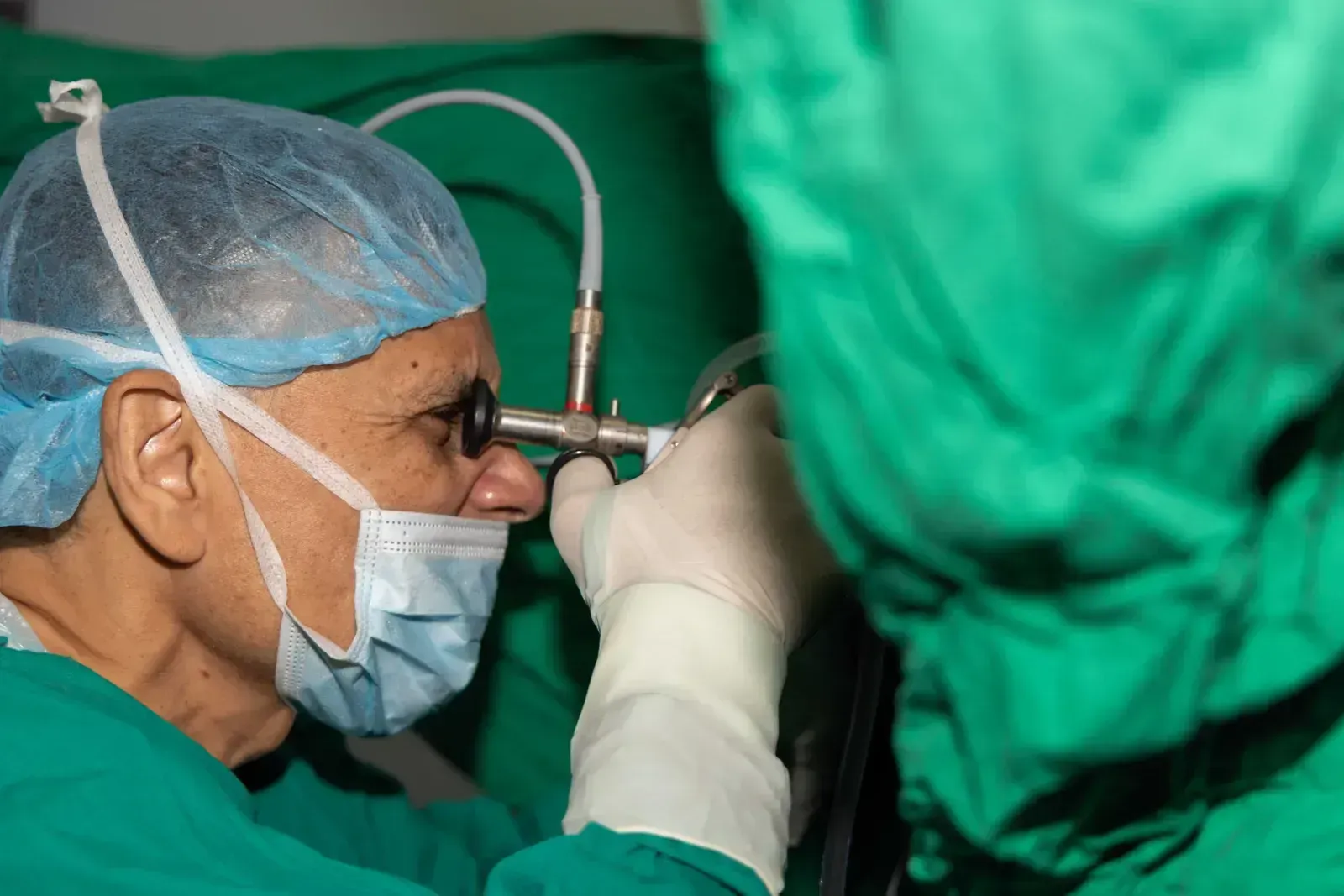
Costa Rica’s CAJA system stands out because it removes some of the financial anxieties that plague American healthcare entirely. The CAJA universal system covers doctor visits, specialists, prescriptions, surgery, and hospitalization with no co-pays, deductibles, or lifetime caps. Contributions scale with income, and healthcare through CAJA runs $80 to $150 a month and covers everything. For retirees used to worrying about deductibles resetting every January, that structure alone can be a relief.
Private care remains available for those who want faster specialist access, and it’s still notably cheaper than equivalent treatment stateside. One of Costa Rica’s biggest draws for expats is that private healthcare is 50 to 70 percent cheaper than in the United States, even without insurance. Many retirees settle on a hybrid strategy, paying into CAJA for baseline protection while adding a private policy for quicker appointments when timing matters.
Panama: Dental and Specialist Care at a Fraction of US Prices
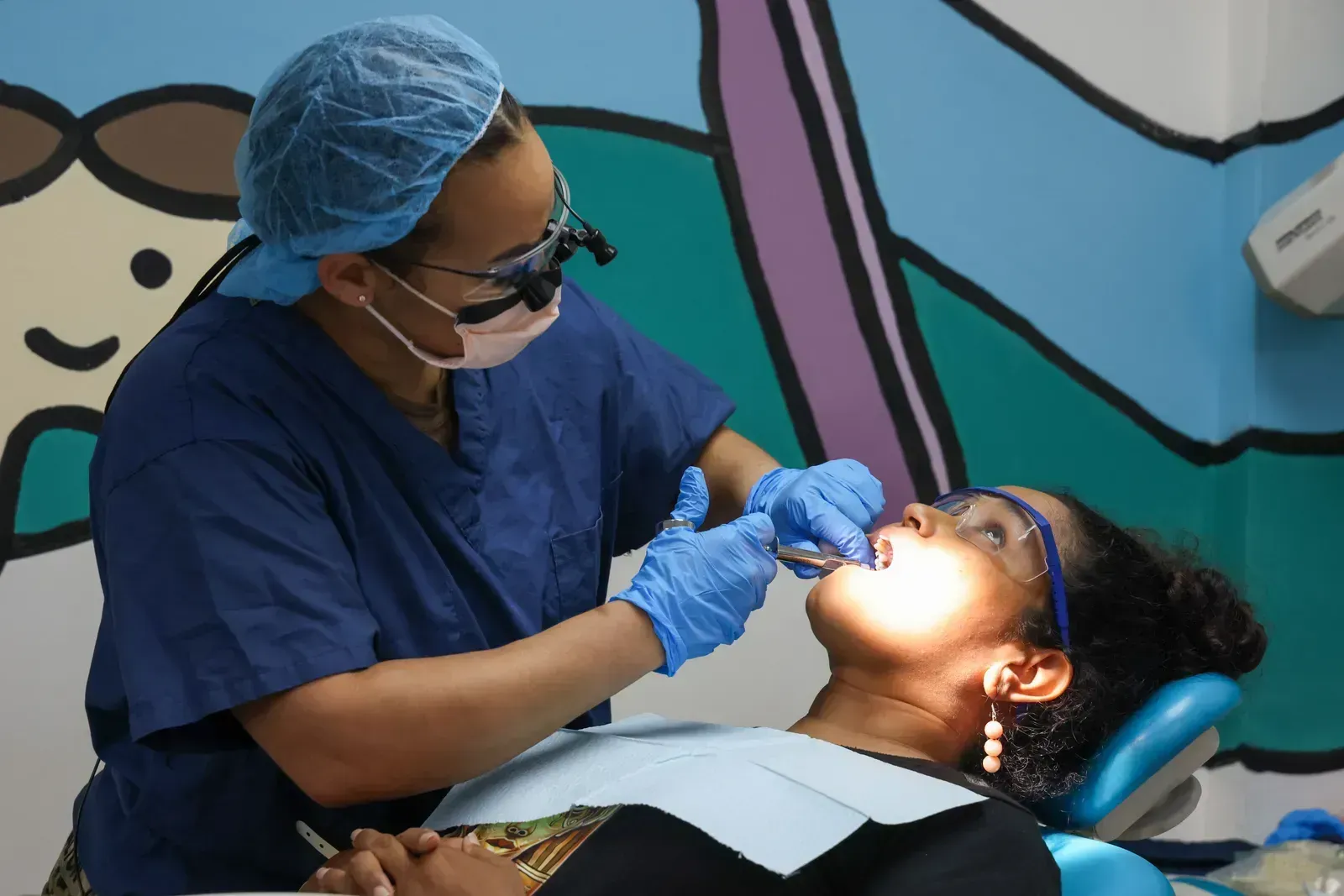
Panama’s healthcare system benefits from a mix of public infrastructure and a private sector that has grown rapidly to serve both residents and medical tourists. The Caja de Seguro Social, Panama’s version of a national insurance fund, operates a network consisting of 80 hospitals and health centers across the country, giving legal residents reasonably broad access once they’re enrolled. Private clinics fill in the gaps for anyone wanting shorter waits or specific specialists.
Cost comparisons tend to favor Panama heavily for routine and even moderately complex procedures. One retiree living in Panama described replacing a dental crown for a fraction of American pricing, noting that he recently opted to replace a crown and paid $580, while a crown in the States can cost $1,000 to $3,500. That kind of gap shows up across dental work, minor surgeries, and diagnostic imaging, which is part of why Panama continues attracting retirees from North America looking for predictable, lower cost care.
Malaysia: World Class Private Hospitals at Southeast Asian Prices

Malaysia has positioned itself as one of Asia’s leading medical tourism destinations, and that infrastructure benefits retirees living there full time under the Malaysia My Second Home program. Malaysia offers one of the best healthcare systems in Asia, providing high quality medical services at affordable costs, supported by a network of well equipped public and private hospitals. Cities like Penang and Kuala Lumpur host hospitals accredited to international standards, staffed partly by doctors trained in the UK, Australia, or the US.
Everyday costs remain remarkably low compared to Western equivalents. In Penang specifically, retirees benefit from international standard hospitals, 70 to 80 percent dental savings versus the US, and comprehensive medical checkups for $50 to $100. That said, retirees planning for major medical events should budget carefully, since serious incidents requiring surgery or extended hospitalization can still run into the tens of thousands even with insurance in place, making a solid private policy a wise addition rather than an optional extra.
Final Thoughts





Leave a Reply