
Every homeowner has felt it: that moment when a glossy renovation idea seems like a sure thing. A pool out back, a luxury kitchen overhaul, maybe a sunroom bathed in light. The vision is appealing, and the sales pitch from a showroom is even more so. What gets left out of that conversation is the return on investment – or the sobering lack of it.
The 2024 U.S. Houzz and Home Study found that roughly two out of five homeowners exceeded their renovation budget, and nearly one in four never set a budget at all. Before reaching for the checkbook, it’s worth hearing what experienced contractors and real estate professionals actually advise against. Some of the most popular upgrades on wish lists are also some of the worst financial decisions a homeowner can make.
The Upscale Kitchen Gut Job
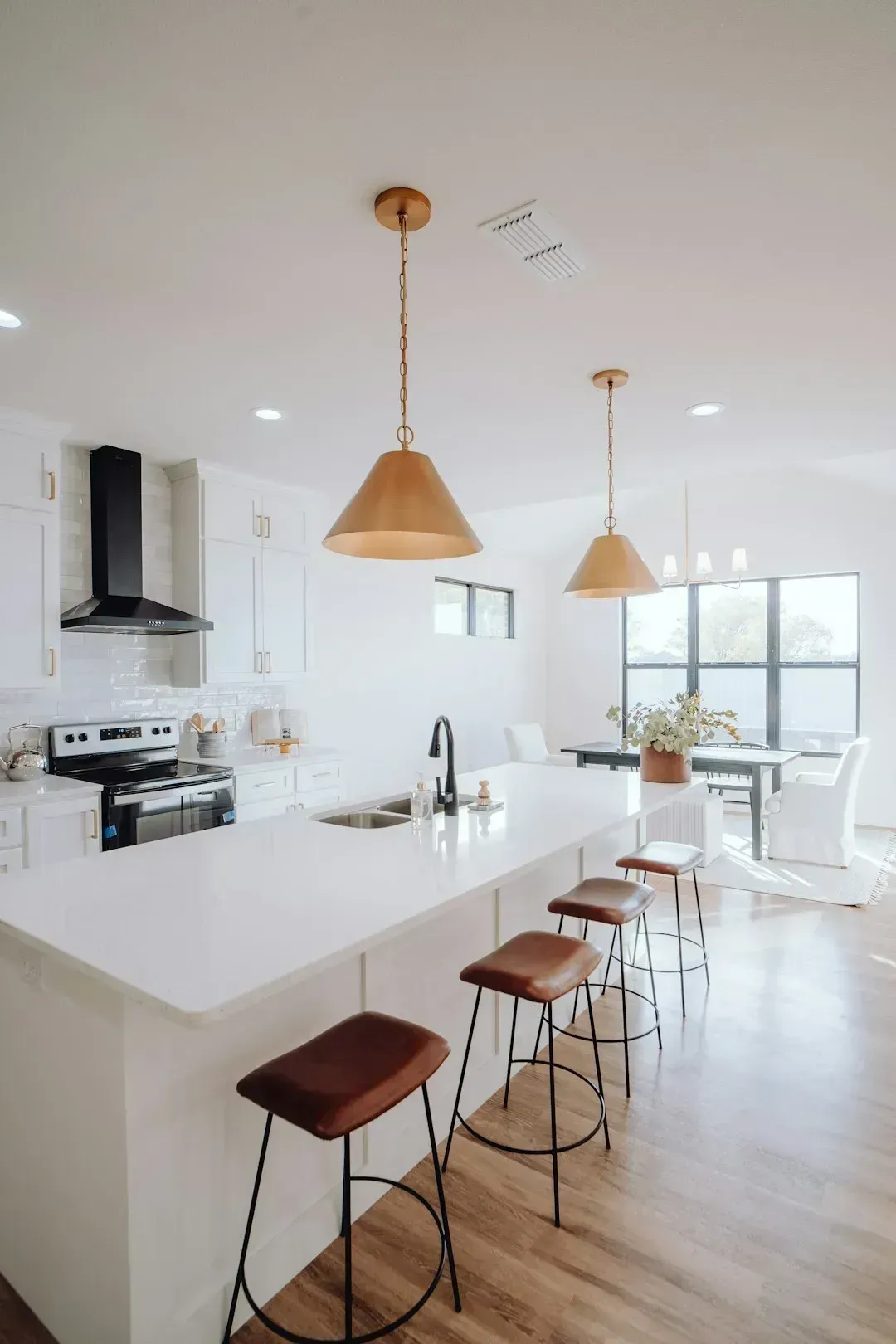
Kitchens sell houses – that much is true. The problem is when “upgrading the kitchen” turns into a full demolition with custom cabinetry, imported stone countertops, and professional-grade appliances in a home that simply isn’t in that price tier. While an upscale kitchen is a big selling point in real estate, it may not be the most financially sound investment. The high cost of premium appliances, custom cabinetry, high-end finishes, plumbing, and electrical typically only brings about half its value back in resale.
Cost-versus-value analyses for 2025 showed that small kitchen renovations costing between roughly $19,000 and $27,000 paid back anywhere from seventy-two to ninety-six percent of their original cost, while large kitchen overhauls costing $85,000 or more only paid back between thirty-eight and fifty percent. The smarter play is a minor refresh – cabinet refacing, new countertops, updated hardware – rather than starting from scratch.
Installing an In-Ground Swimming Pool

A backyard pool is one of the most emotionally charged home upgrades imaginable, and one of the most financially risky ones to justify purely on investment terms. The typical return on investment sits at forty to sixty percent of installation cost, meaning most homeowners don’t fully recoup their pool investment through resale alone, and pools add significantly less value in cold climates and can sometimes be a net negative.
Inground pools generally cost between $50,000 and well over $100,000 to install, with annual maintenance running between $1,200 and $1,800. Pools require expensive maintenance, increase insurance costs, and limit your buyer pool – and many families with young children view them as safety hazards. Climate matters enormously here, and in most of the country, the numbers simply don’t add up.
Painting Exterior Brick
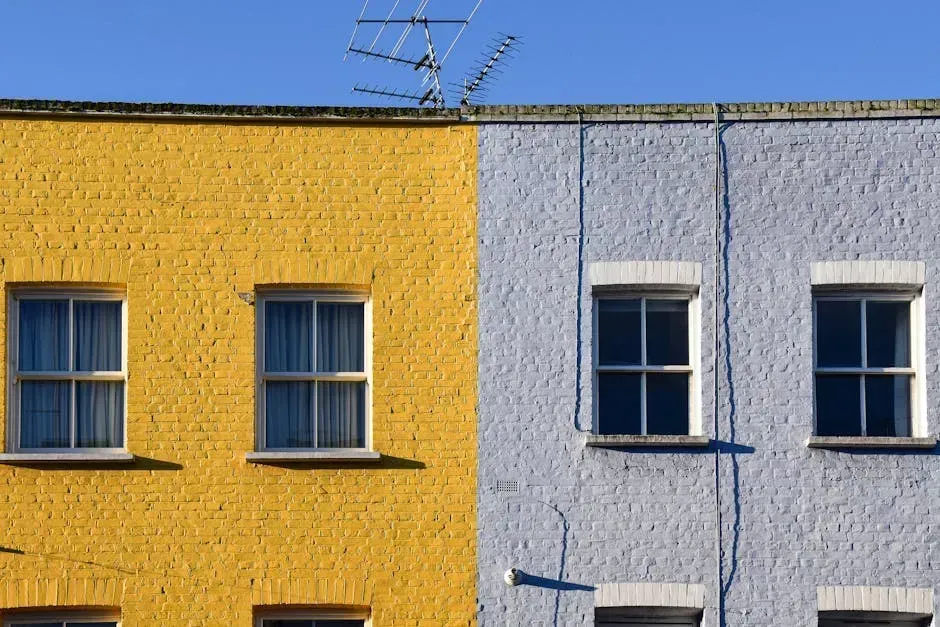
Painted brick exteriors trend hard on social media, and they do look striking in photos. In practice, contractors consistently warn against it. Paint creates a barrier on porous brick, which can make it start flaking, cracking, or growing mold. These are costly issues on their own, but painting a brick house also costs more on maintenance – and it’s extremely expensive to remove if you change your mind down the road.
The financial case against it is equally blunt. According to Angi, painting a brick house can cost up to $13,000. That’s a significant outlay for an upgrade that creates structural risk and narrows your future buyer pool. Contractors typically recommend brick stain as a far safer alternative – it seeps into the surface rather than coating it.
Adding a Bathroom From Scratch
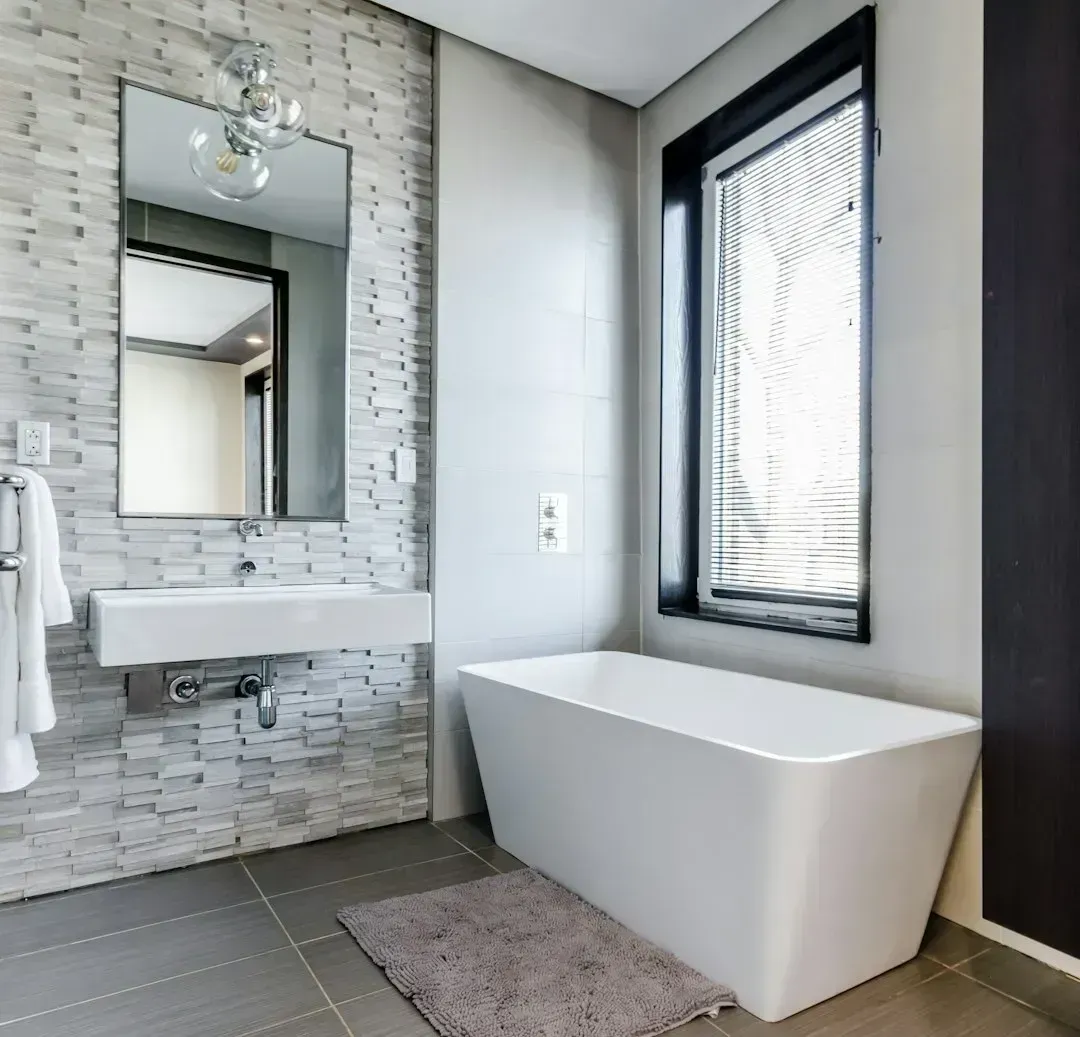
Adding a completely new bathroom sounds like pure value. More bathrooms equals more appeal, right? Not quite. While adding a bathroom can enhance convenience, the high cost of plumbing, electrical work, and materials – especially tile – can eat into the potential return. According to the 2024 Cost vs. Value Report, bathroom additions, especially upscale ones, have an ROI of less than thirty-eight percent.
At just under $65,000 in renovation costs, homeowners will only see a $17,000 resale value. With less expensive fixtures, tiling, and cabinetry, you’d expect a better result, but there’s a projected twenty-seven percent of costs recouped with this type of project. A better use of that money is usually upgrading the bathrooms already in the home with fresh fixtures, improved storage, and modern tile work.
Converting a Bedroom Into a Walk-In Closet
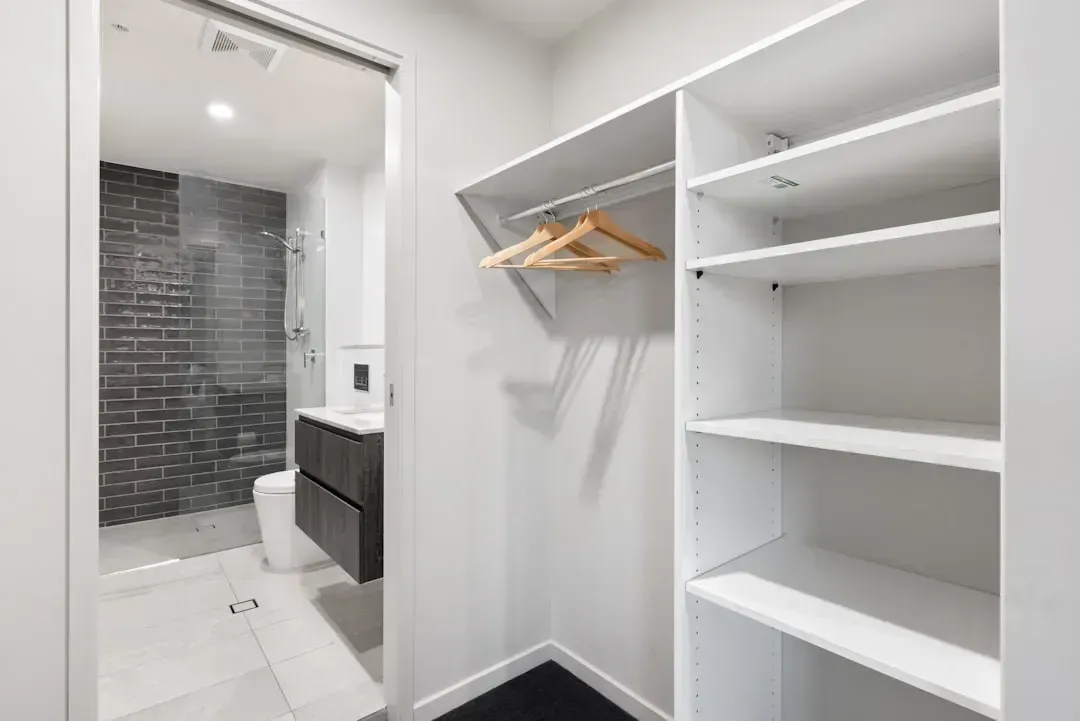
The walk-in closet conversion is one of those upgrades that feels luxurious right up until it’s time to sell. Buyers search for homes by bedroom count, and reducing that number – even in exchange for a stunning wardrobe room – almost always backfires. Zillow’s 2024 research into home listings shows that walk-in closets can actually hurt a home’s value by about half a percent. If you’re tempted to turn a small bedroom into a closet, think twice. Home shoppers usually search based on the number of bedrooms, and a bedroom is going to be more valuable to most buyers than a walk-in closet.
The logic is straightforward even if the sacrifice feels painful. A spare bedroom serves a dozen purposes for a future buyer – guest room, office, nursery, hobby space. A custom closet serves one. The upgrade that benefits you deeply today may actively reduce your offer pool tomorrow.
Highly Personalized Custom Renovations
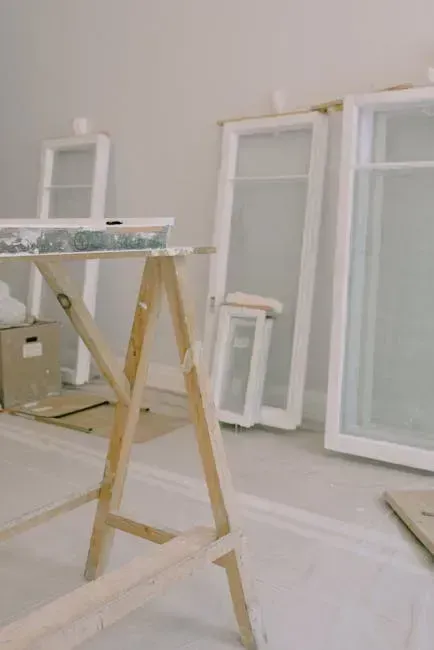
Yoga studios, wine cellars, home theaters with custom acoustic panels, built-in aquariums – these kinds of renovations reflect a very specific lifestyle, and that specificity is exactly the problem. Your home should reflect who you are, but if you plan to sell someday, steer clear of extensive personal and custom renovations like yoga studios and wine cellars. Buyers are looking at the home as their own, and they do not want to have to do more renovations.
High-end overhauls or major structural renovations rarely yield proportional increases in resale value. Buyers appreciate clean, functional, and stylish upgrades more than luxury finishes that far outpace neighborhood standards. There’s a meaningful difference between an upgrade that improves your daily life and one that essentially redesigns the home for an audience of one.
A Sunroom Addition
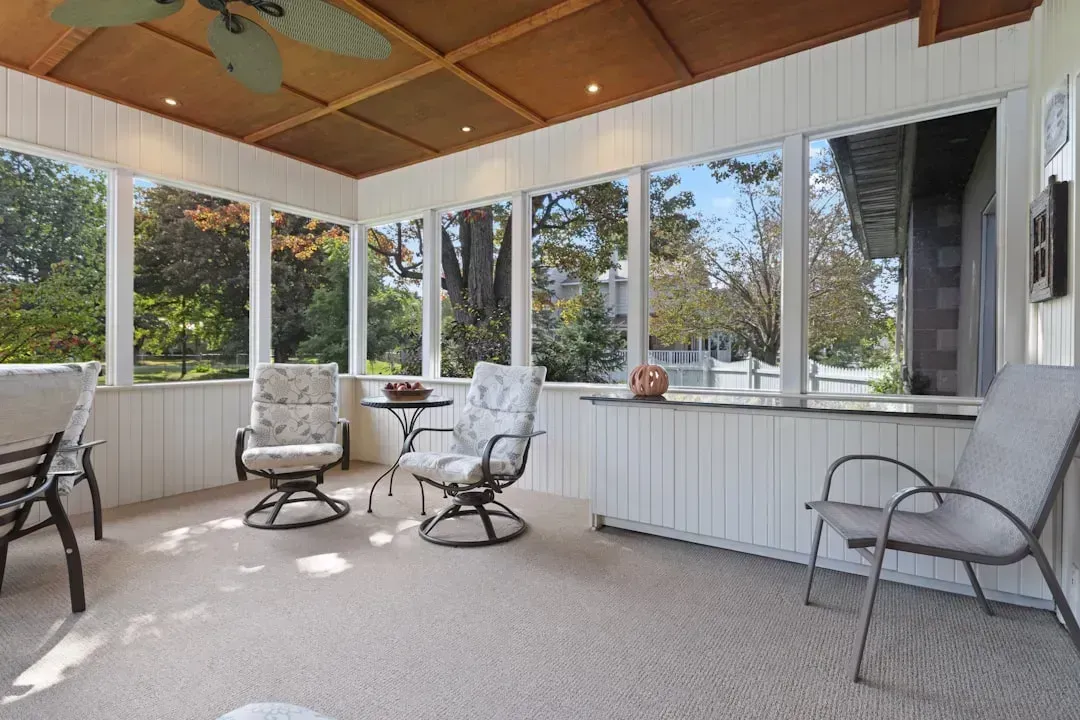
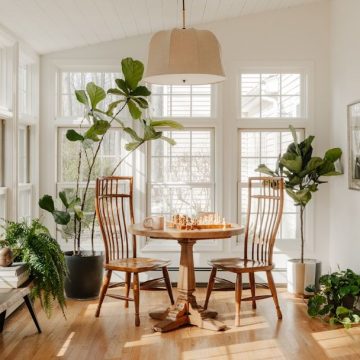
Sunrooms feel like a natural extension of the home and a genuine quality-of-life improvement. They’re also among the lower-returning additions you can build. On a national level, sunroom additions typically recoup approximately forty-nine to fifty-five percent of their project cost at resale. That means a $40,000 sunroom investment can add roughly $20,000 to $28,000 to the property’s appraised value.
Adding an enclosed sunroom will return only about forty-five percent of the investment. Overall, you will be better off with just a deck, which is less expensive but has a similar added value. The lesson is that the appeal is real, but the ROI simply doesn’t hold up compared to simpler outdoor additions. If you’re staying in the home long-term and genuinely love the space, the enjoyment can justify the cost – but go in with realistic expectations.
Backyard Outbuildings: She Sheds and Man Caves
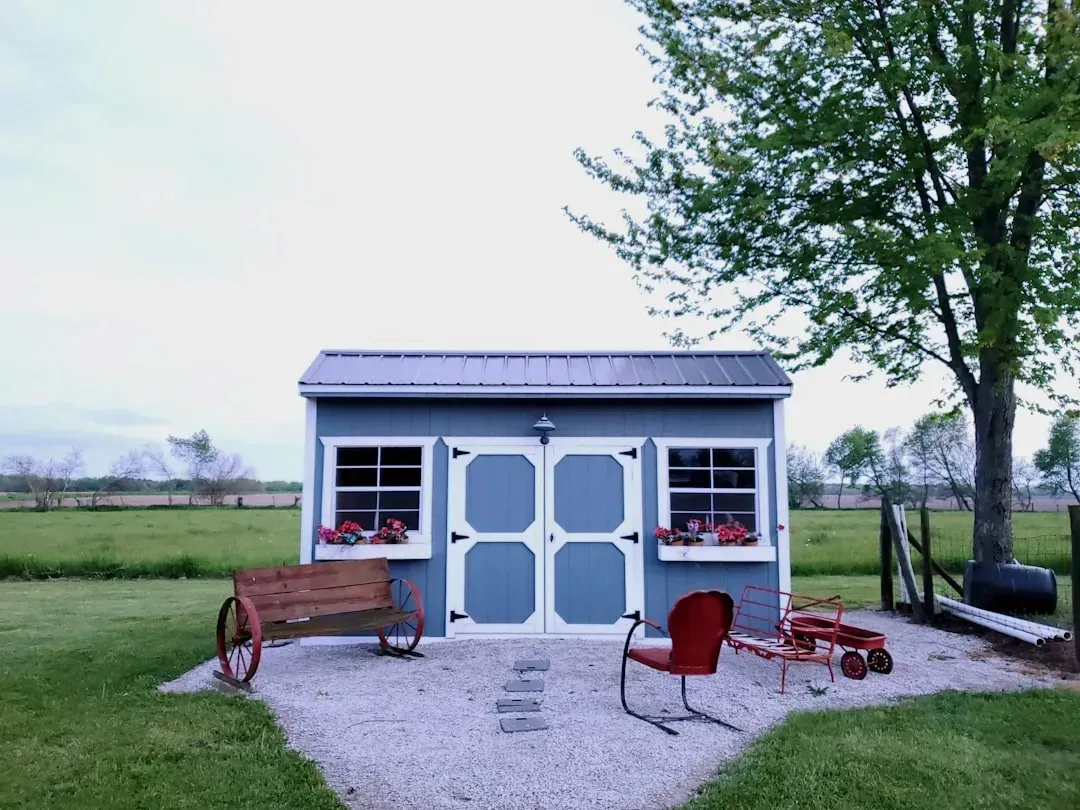
Detached backyard structures have become a popular renovation category, and the appeal is understandable – dedicated space for hobbies, relaxation, or a home office. The resale story is less exciting. Licensed contractors describe these outbuildings as a “return on enjoyment,” not investment. That’s immeasurable, but unfortunately it doesn’t add up to better home value.
Buyers see these structures and tend to factor in the cost of maintaining them, insuring them, or converting them into something more useful. A structure that lives in your imagination as a creative retreat often lives in a buyer’s imagination as a liability. If building one, keep it modest and functional – something that reads as genuinely usable rather than purely personal.
Luxury Sauna and Steam Shower Installations
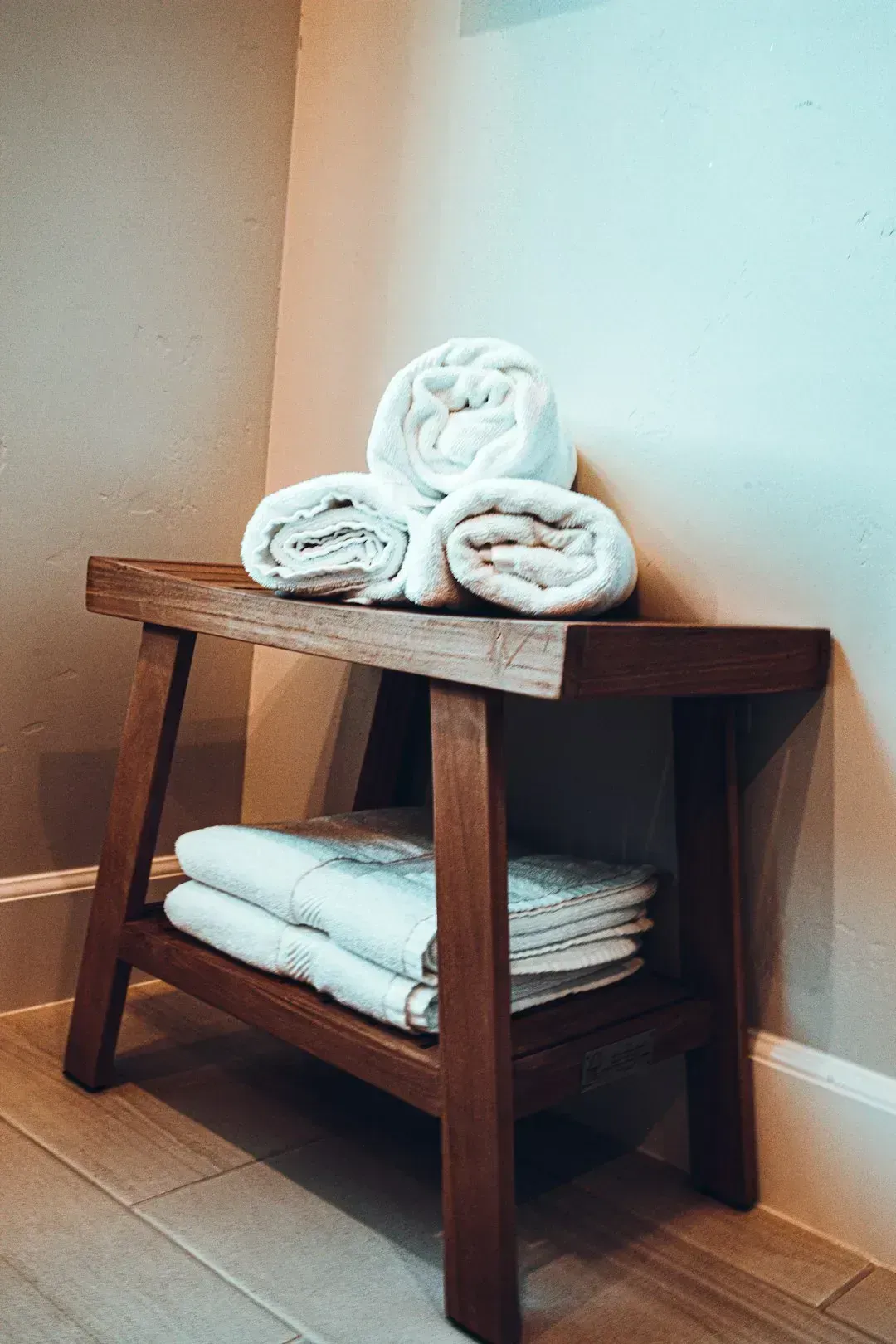
Heated floors, towel warmers, in-home saunas, and multi-head steam showers are the kind of bathroom upgrades that feel indulgent in the best possible way. The problem is that they’re deeply personal and carry costs that most buyers simply won’t pay extra for. Saunas and steam showers with heated floors and towel bars are creature comforts anyone would love, but they’re usually money-wasting home upgrades. They won’t bring back money when you go to sell. These upgrades are costly and a little too personal to the current homeowner.
Major renovations that include adding a primary suite or remodeling with high-end features typically return only about twenty-four to thirty-six percent on investment – they’re better for personal enjoyment than resale value. If a spa bathroom is genuinely important to your daily life and you’re not selling anytime soon, the enjoyment argument holds. As an investment strategy, it doesn’t.
The pattern across nearly every item on this list is the same: the upgrades that feel the most transformative are often the ones that transfer the least value to a buyer. Buyer preferences change over time, and a trendy home update made today for the sole purpose of adding value can seem dated – or even detract from the value – in five or ten years. Spending money on your home isn’t wrong. Spending it without knowing the real return is where homeowners consistently get burned.



Leave a Reply