
Language is one of the most honest things about a person. Before you mention your birth year, before anyone checks your ID, the words you reach for in casual conversation have already placed you in a specific decade. It’s not something most people do consciously – it’s just how speech works, carrying the fingerprints of the era that shaped you.
Every generation has its slang, its go-to sayings, and its verbal quirks. For Baby Boomers, the generation born roughly between 1946 and 1964, the language of their youth carried well into adulthood. Some of those phrases still surface naturally in everyday conversation, and to younger ears, they land like a very specific timestamp. Here are seven of the clearest examples.
1. “Back in My Day…”

Boomers grew up in a world shaped by post-war optimism, rapid social change, and economic expansion. Their phrases carry echoes of those experiences, instantly signaling generational identity. Few phrases do that more reliably than “back in my day,” which opens a comparison between how things were and how they are now.
The phrase assumes that “my day” is definitively over and that current times are fundamentally different. Millennials facing their own aging might say “when I was younger,” but “back in my day” carries a particular weight of finality that younger generations haven’t quite adopted yet. It’s not a bad phrase, really. It’s just one that comes loaded with unmistakable generational baggage.
2. “I’ll Dial You Later”
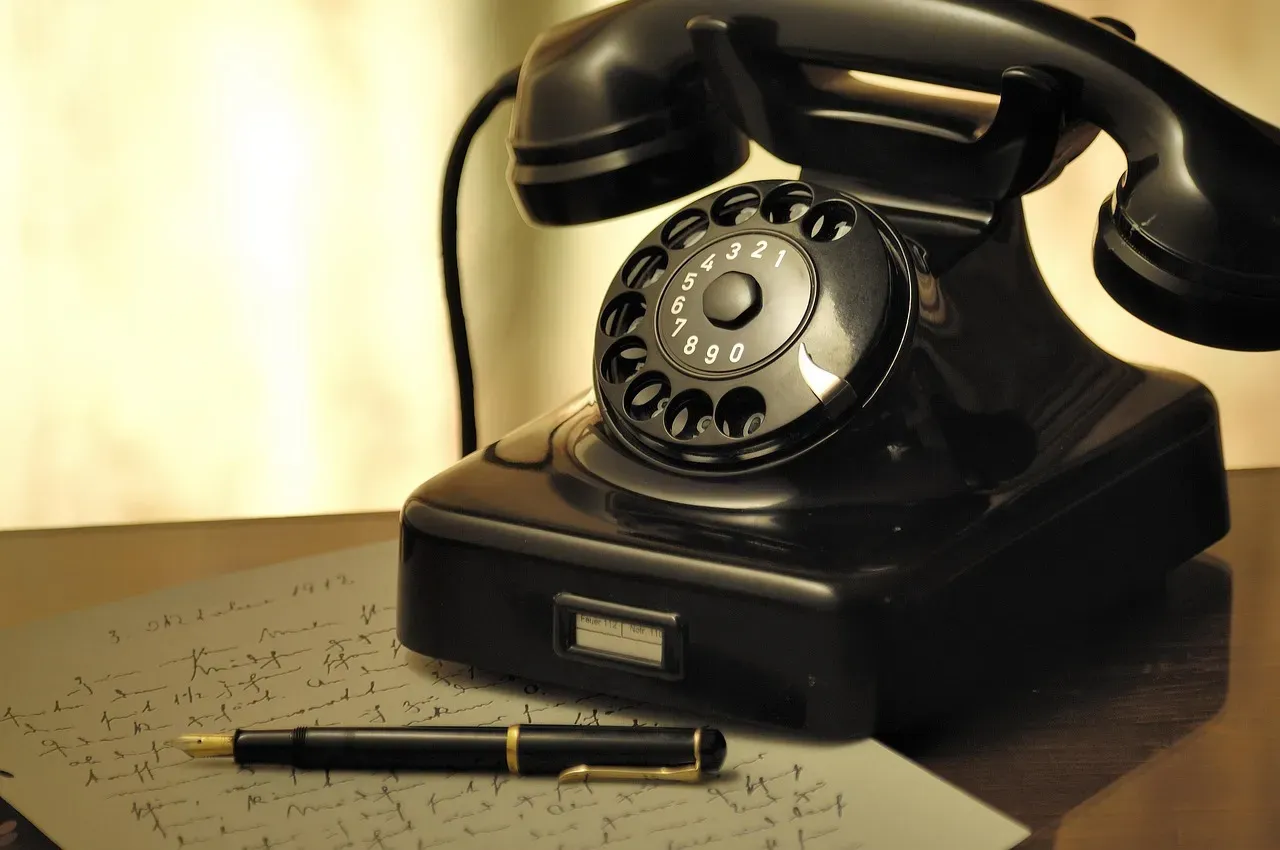
The phrase “dial the number” has its roots firmly planted in a bygone era. Back then, phones were rotary devices with a circular dial. You’d place your finger in the hole corresponding to each digit and turn the dial all the way around. It was a process, but it was how calls were made.
Nobody dials anymore. We tap, we press, we click, but we don’t dial. Yet Boomers consistently say they’ll “dial” someone’s number, even while tapping on a smartphone screen. It’s muscle memory in language form, revealing decades of rotary phone use. To anyone under forty, it sounds charmingly archaeological.
3. “I Taped That Show Last Night”
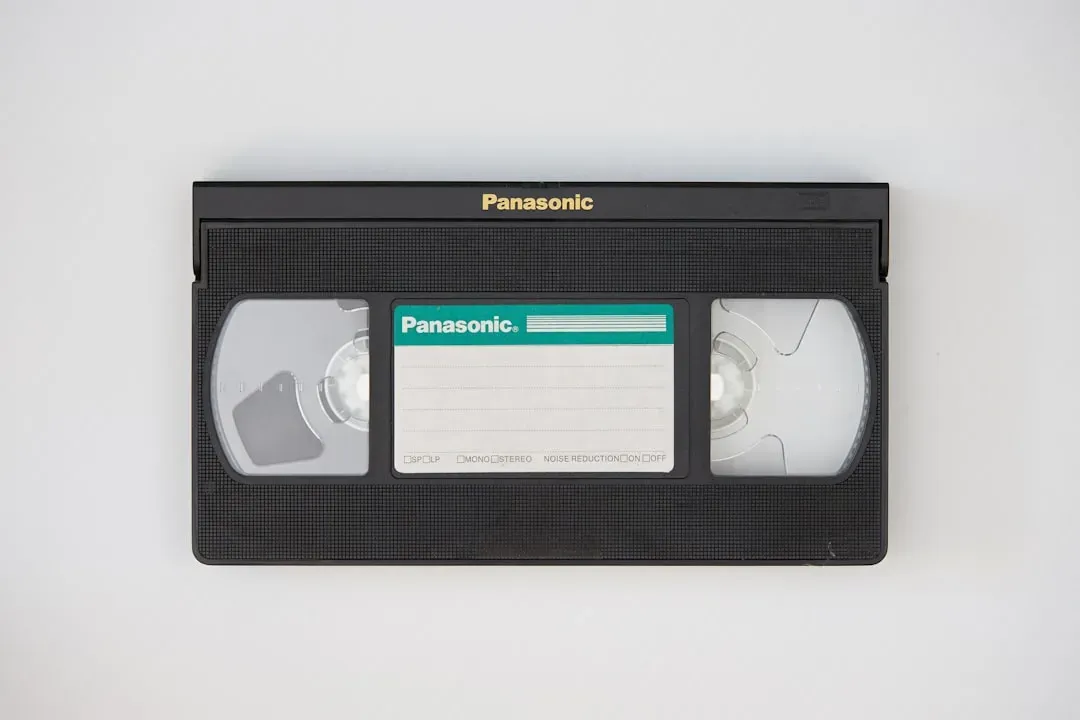
When was the last time you actually used tape to record anything? Yet this phrase persists, especially among Boomers who still refer to recording anything as “taping.” Whether it’s a TV show, a conversation, or a video call, the verb remains stuck in the VHS era.
Whether it was using a VHS for shows or a cassette for music, “taping” something was the norm for decades. Boomers still slip and say “tape” when they really mean “record.” Today, nothing involves actual tape. Streaming has replaced every part of that process, but the old verb hangs around like a relic on the shelf.
4. “What’s on the Boob Tube?”
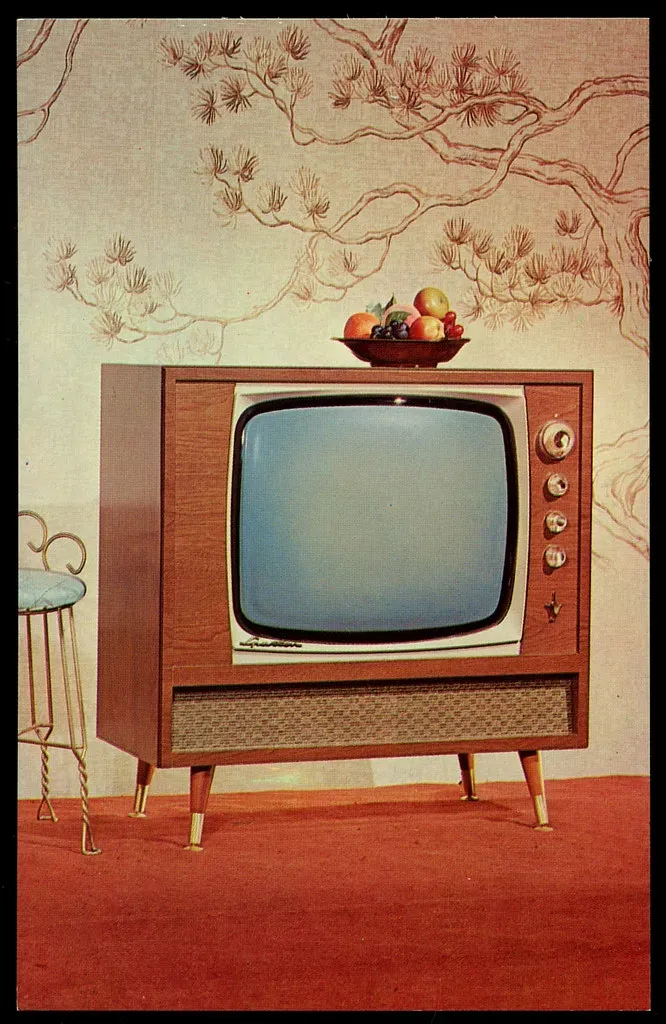
When television became the trendy new medium for news and entertainment in the 1950s and 1960s, people started calling it the “boob tube.” The term “boob” was commonly used to describe a silly person. The catchy phrase was coined on the notion that much of what’s watched on TV is either foolish, or geared toward foolish people.
Referring to television as “the tube” instantly reveals someone who remembers cathode ray tube TVs. Those massive, furniture-like televisions took up half the living room and weighed as much as a small refrigerator. Modern flat screens have no tubes. Streaming services have no channels. Yet Boomers persist with this terminology that sounds increasingly archaeological to younger ears.
5. “Money Doesn’t Grow on Trees”

Boomers grew up with parents who lived through the Great Depression and World War II. Frugality was ingrained, and wasting food and money was unacceptable. That deeply rooted value gets passed down through language, and this particular phrase carries the weight of an entire financial philosophy in just six words.
This phrase reflects financial caution and lessons passed down from Depression-era parents. Boomers use it to teach frugality and responsibility, emphasizing the value of hard-earned money. To Gen Z, who grew up surrounded by financial anxiety and a cost-of-living crisis, the phrase can feel a bit tone-deaf. They already know money is scarce. They don’t need a reminder involving horticulture.
6. “That Was a Real Kodak Moment”
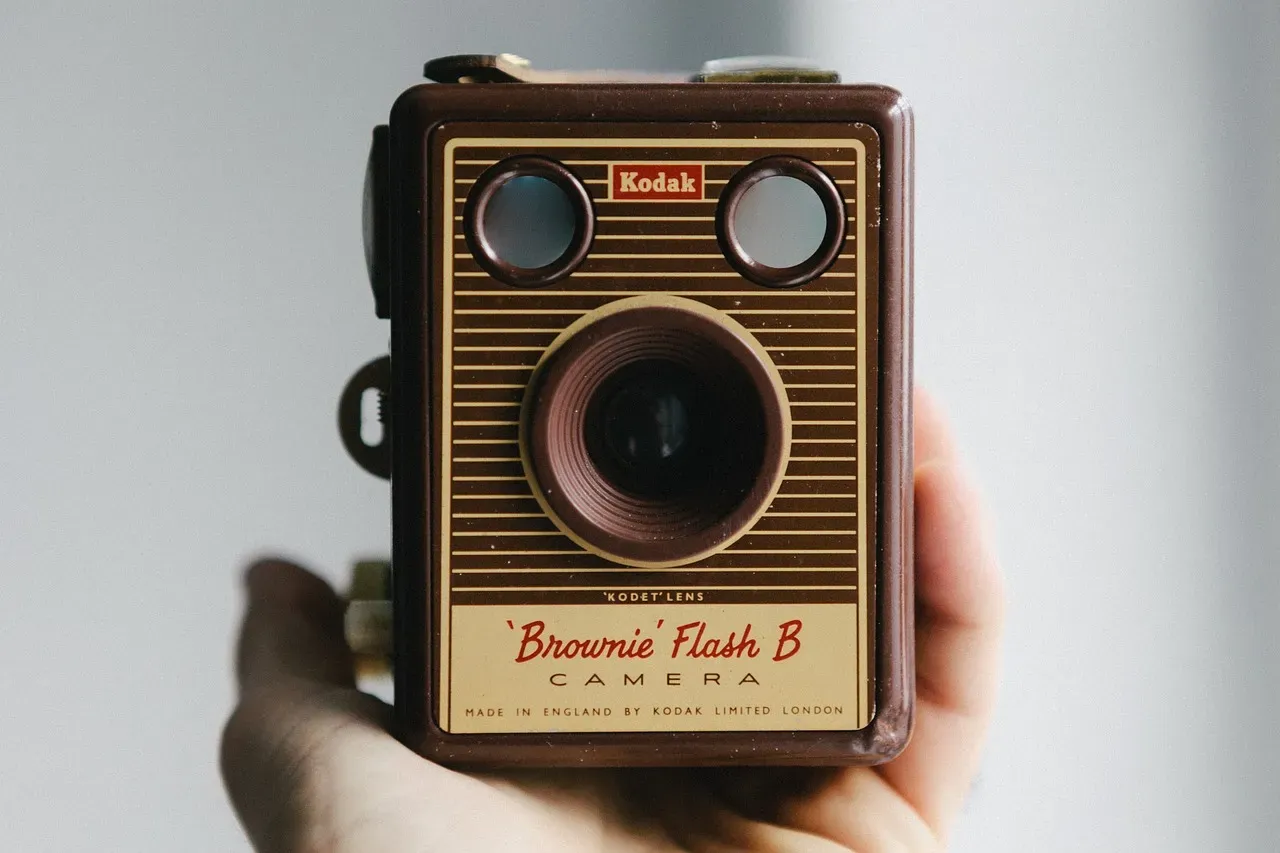
In today’s digital age, where smartphones double as cameras and photos are shared instantly, the term “Kodak moment” might draw blank stares from younger generations. It’s a relic from an era when Kodak was synonymous with photography. While the phrase might reveal your Boomer status, it also reflects a time when photographs were tangible keepsakes, not just pixels on a screen.
The brand itself filed for bankruptcy in 2012 and has since shrunk to a fraction of its former size, which means the cultural reference point that powered this phrase has largely evaporated. Younger generations reach for their phones so reflexively in memorable moments that the idea of there being a singular, special instant worth “capturing” feels like a foreign concept. The phrase survives mainly in the mouths of those who remember buying film rolls at the drugstore.
7. “Kids These Days…”

This phrase expresses generational critique. Boomers use it to highlight perceived differences in work ethic, manners, or values. It reflects both concern and a sense of superiority. Younger generations often roll their eyes at the phrase. That combination of wistfulness and mild disapproval is almost impossible to disguise.
Boomers emphasize hard work as the foundation of success. They recall long hours, limited resources, and perseverance. The phrase reflects pride in self-reliance and skepticism toward what they see as entitlement. Seniors use it to contrast their experiences with younger lifestyles. The irony is that every generation eventually ends up saying some version of this – it just sounds most at home coming from a Boomer.
What makes all of these phrases genuinely interesting isn’t that they’re wrong or outdated. Most of them carry real meaning, earned through lived experience. Language is living proof of culture. The words you use reveal not only your personality but the era that shaped you. A phrase like “back in my day” or “money doesn’t grow on trees” isn’t just an age marker. It’s a small window into a very specific set of experiences that no other generation had in quite the same way.




Leave a Reply