
There’s a particular category of film that earns near-universal praise, gets recommended constantly, and yet sits quietly unwatched on streaming queues after the first viewing. Not because they’re bad. Quite the opposite. They’re the films that do their job almost too well, leaving audiences emotionally hollowed out and quietly certain they never need to go through it again.
Throughout cinema history, filmmakers have produced an enormous number of films that tackle difficult topics and confront audiences with uncomfortable feelings, to the point of becoming emotionally draining or mood-changing. Many of them are highly dramatic productions, with heavy plots and overly compelling performances that make people reluctant to watch them again, no matter how good they are. The nine films below belong firmly in that category.
Schindler’s List (1993)

Schindler’s List is widely regarded as one of the greatest historical films ever made, yet it is also one of the most emotionally difficult experiences in cinema. Directed by Steven Spielberg, the film tells the true story of German businessman Oskar Schindler, who saved more than a thousand Jewish lives during the Holocaust. The film won seven Academy Awards, including Best Picture and Best Director, and its cultural weight is almost impossible to overstate.
To Spielberg, the black and white presentation of the film came to represent the Holocaust itself: “The Holocaust was life without light. For me the symbol of life is color. That’s why a film about the Holocaust has to be in black-and-white.” Universally considered one of the saddest films ever made, it is the first film to be mentioned when this topic is broached, and for good reason: it’s devastating. Viewers consistently cite it as a masterpiece they recommend to everyone and intend to watch only once.
Requiem for a Dream (2000)

Requiem for a Dream was one of Darren Aronofsky’s earliest films and perhaps the first to give him a reputation for making intense, difficult-to-watch yet compelling psychological dramas. It depicts, in unflinching detail, the way addiction takes over and ruins the lives of four individuals living in New York City. Adapted from Hubert Selby Jr.’s novel, the story doesn’t sugarcoat the realities of addiction, making for deeply disturbing subject matter.
What Requiem for a Dream does so well is place the viewer in a position where effort and insight offer no protection. The film is about one’s options narrowing and the inevitability of a bad outcome, even as the characters seek escape. The way it’s shot only adds to this, with lots of repetition, escalation, rapid editing, extreme close-ups, and an insistent score to reinforce the sense of momentum without release. It’s a film that functions almost like an endurance test.
Come and See (1985)

The Soviet World War II film Come and See stands as one of the most disturbing films of all time. Starring Aleksei Kravchenko as a young boy who joins the resistance during World War II, the film tells a nightmarish and brutally realistic story of war through his eyes as he slowly loses his innocence. The film holds a 90% on Rotten Tomatoes, praised for depicting the horrific experiences of a young boy who witnesses the atrocities of World War II.
The movie’s runtime is a relentless barrage of traumatic events and imagery that many viewers would rather look away from. This unrelenting portrayal of war’s impact on innocence is a key reason why, despite its acclaim as one of the best war films ever made, Come and See has been likened to an endurance test, with its visceral nature proving too much for some. Most who see it emerge grateful they did, and completely unwilling to revisit it.
Grave of the Fireflies (1988)

Many animated films have a way of stirring greater emotions than non-animated ones, and Grave of the Fireflies is an excellent example of a cinematic masterpiece that is too emotional to watch more than once. This Studio Ghibli film, written and directed by Isao Takahata, follows two orphaned siblings who struggle to survive in the midst of World War II. The contrast between its animated form and the weight of its content is part of what makes it so difficult to prepare for.
For those who seek emotionally affecting films, Grave of the Fireflies is a joyless movie that could be considered irredeemable if it weren’t so brilliant. The film concerns a brother and sister left to fend for themselves after American firebombs destroy their city of Kobe, Japan. Their mother dies during the bombing, so they’re forced to seek refuge with their aunt in an unharmed district. The aunt is not happy to be supporting the children in addition to her own family, especially as food rations dwindle, and becomes increasingly hostile towards them. The ending leaves virtually no one untouched.
Saving Private Ryan (1998)

Saving Private Ryan won five Oscars and was nominated for eleven in total, which speaks to what a remarkable film it was. No matter how well done it is, however, it remains a tough watch. The movie’s graphic depiction of soldiers’ lives during World War II may be true to life, but that only makes it harder to stomach. Steven Spielberg crafted something that functions almost more like lived history than conventional drama.
The opening Normandy landing sequence follows Tom Hanks’ Captain Miller as he desperately tries to survive. The scene is incredibly visceral, with men wandering the beach without limbs while entire boats filled with soldiers are decimated in seconds, a horrifying depiction so realistic that it is painful to rewatch. The relentless physicality of the violence, combined with the film’s emotional sincerity, creates a viewing experience that feels genuinely exhausting.
12 Years a Slave (2013)
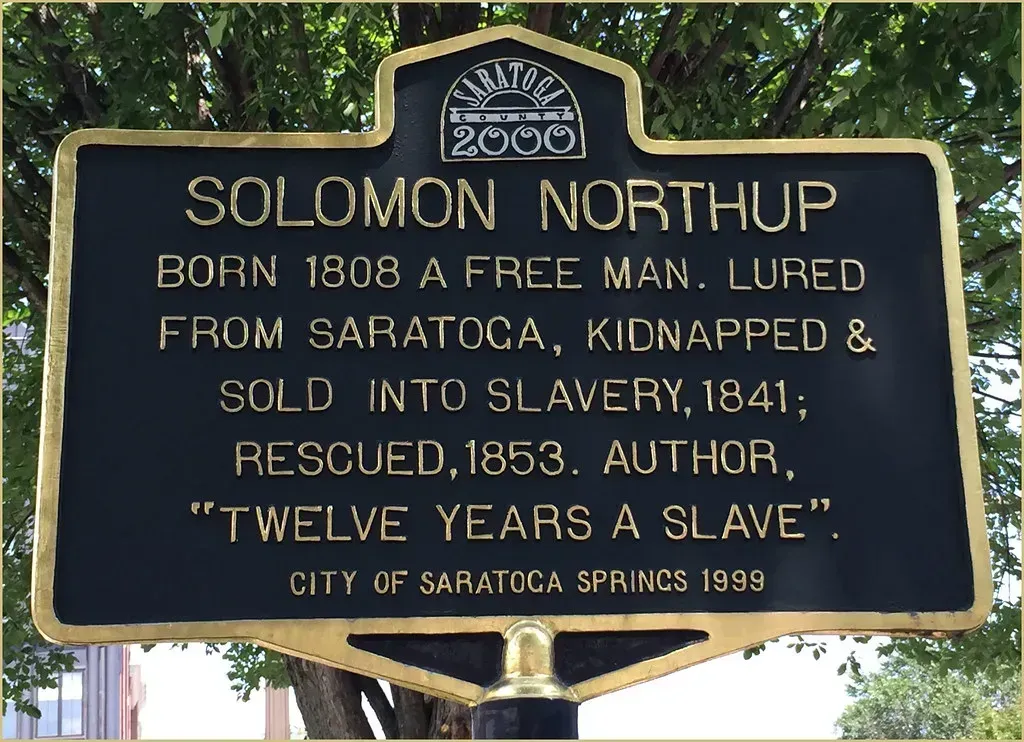
In the antebellum United States, Solomon Northup, a free Black man from upstate New York, is abducted and sold into slavery, facing cruelty as well as unexpected kindnesses. Steve McQueen’s film won the Academy Award for Best Picture in 2014, and Chiwetel Ejiofor’s central performance is widely considered one of the most demanding in modern cinema history. The film asks its audience to sit with suffering without flinching, and most viewers find they can only do that once.
These films challenge viewers with intense, disturbing themes and imagery that push the boundaries of what’s deemed comfortable or palatable. 12 Years a Slave fits that description squarely. Many viewers attest they’ll never watch it again, especially knowing what happens to Solomon Northup in the end. The film’s unflinching honesty about historical brutality is precisely what makes it both essential and nearly impossible to revisit.
Manchester by the Sea (2016)

While most films would craft a story about overcoming depression following traumatic personal events, Manchester by the Sea embraces a more somber tone by focusing on surviving it instead. Viewers can appreciate the stellar performances, with Michelle Williams shining as always, but the realistic portrayal of grief shows that some wounds are far too deep to ever truly heal. Though that theme makes for great cinema, it’s not something you’ll want to watch again.
Casey Affleck won the Academy Award for Best Actor for his performance as Lee Chandler, a man navigating grief in a way that feels almost unbearably real. The film offers no cathartic release, no tidy resolution. It looks quiet and simple, but the story is incredibly heavy. It shows how some people carry pain they can never fully heal from, and the overall message that sometimes life doesn’t give you closure feels brutally honest. It is the emotional scenes and the deep human sadness that make rewatching feel almost impossible.
Hereditary (2018)

Ari Aster’s debut feature quickly established itself as one of the most psychologically devastating horror films of recent years. Following a family dealing with grief after the death of their matriarch, the film builds an atmosphere of overwhelming dread before unleashing truly horrific imagery. Toni Collette’s powerhouse performance adds enormous emotional weight to the disturbing supernatural events.
The film is particularly notorious for a shocking mid-film sequence involving a car accident and an allergic reaction that viewers frequently cite as one of the most traumatic scenes in modern horror. The combination of family trauma, occult horror, and graphic imagery creates a deeply unsettling experience many viewers find too intense for repeat viewing. Collette’s performance drew award season attention, but the film remains something most audiences treat as a once-in-a-lifetime experience, not a weekend rewatch.
We Need to Talk About Kevin (2011)

Based on Lionel Shriver’s novel, the film explores what life is like for a mother, Eva Katchadourian, played by Tilda Swinton, whose son Kevin has maimed and killed his classmates at a local high school. The world she lives in now is a shell, with co-workers, neighbors, and strangers vandalizing her home. But it is Kevin who most preoccupies her. As he sits in jail, Eva sifts through his childhood and teenage years, trying to make sense of what has happened.
We Need to Talk About Kevin is anchored by Tilda Swinton’s fantastic performance as the mother of someone who perpetrates a heinous act of school violence. The film looks at Kevin’s upbringing, the red flags his parents should have noticed, and living with the traumatic grief in the aftermath of his actions. While there is plenty of family drama, it comes with an ever-present feeling of psychological terror that never allows viewers to feel comfortable. The film has more foreboding than actual on-screen violence, yet the atmosphere is so creepy and gloomy that the anticipation might be worse than watching comparable acts directly.
What unites all nine of these films is something harder to define than just sadness or violence. They each create a specific kind of weight that settles in the chest and stays there. Viewers leave admiring the craft, recommending the film to others, and quietly certain they’ve already given it everything it asked for.





Leave a Reply