
Some places are famous in the way a textbook photo is famous. You’ve seen the image a dozen times, you could probably name the country, and yet very few people you know have actually been there. UNESCO’s World Heritage List includes plenty of sites like that.
The reasons vary. Sometimes it’s distance, sometimes politics, and sometimes simply the lack of a direct flight. Here are eight sites whose reputations are bigger than their visitor numbers.
Bagan, Myanmar
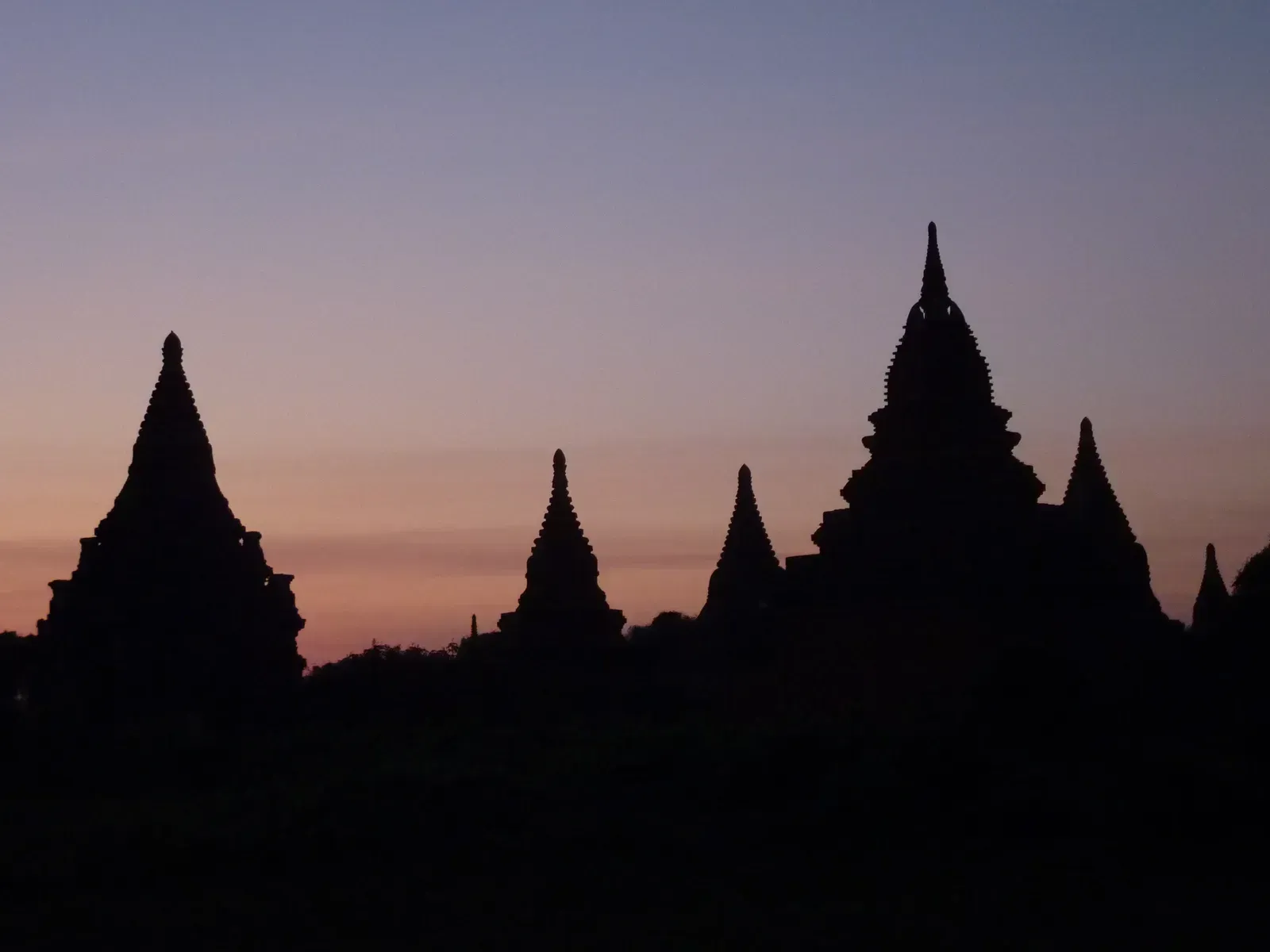
Bagan is a plain in central Myanmar dotted with thousands of Buddhist temples and pagodas, most built between the eleventh and thirteenth centuries. UNESCO inscribed it in 2019 after decades of discussion. Sunrise images of temple spires above morning mist made it one of Southeast Asia’s most recognisable landscapes.
Tourism has struggled since the military takeover in 2021, and many governments have advised travellers to avoid or reconsider travel to the country. The temples are still there, and the plain remains vast and quiet. Anyone who does go will find a very different scene from the busy years just before the pandemic.
Lalibela, Ethiopia
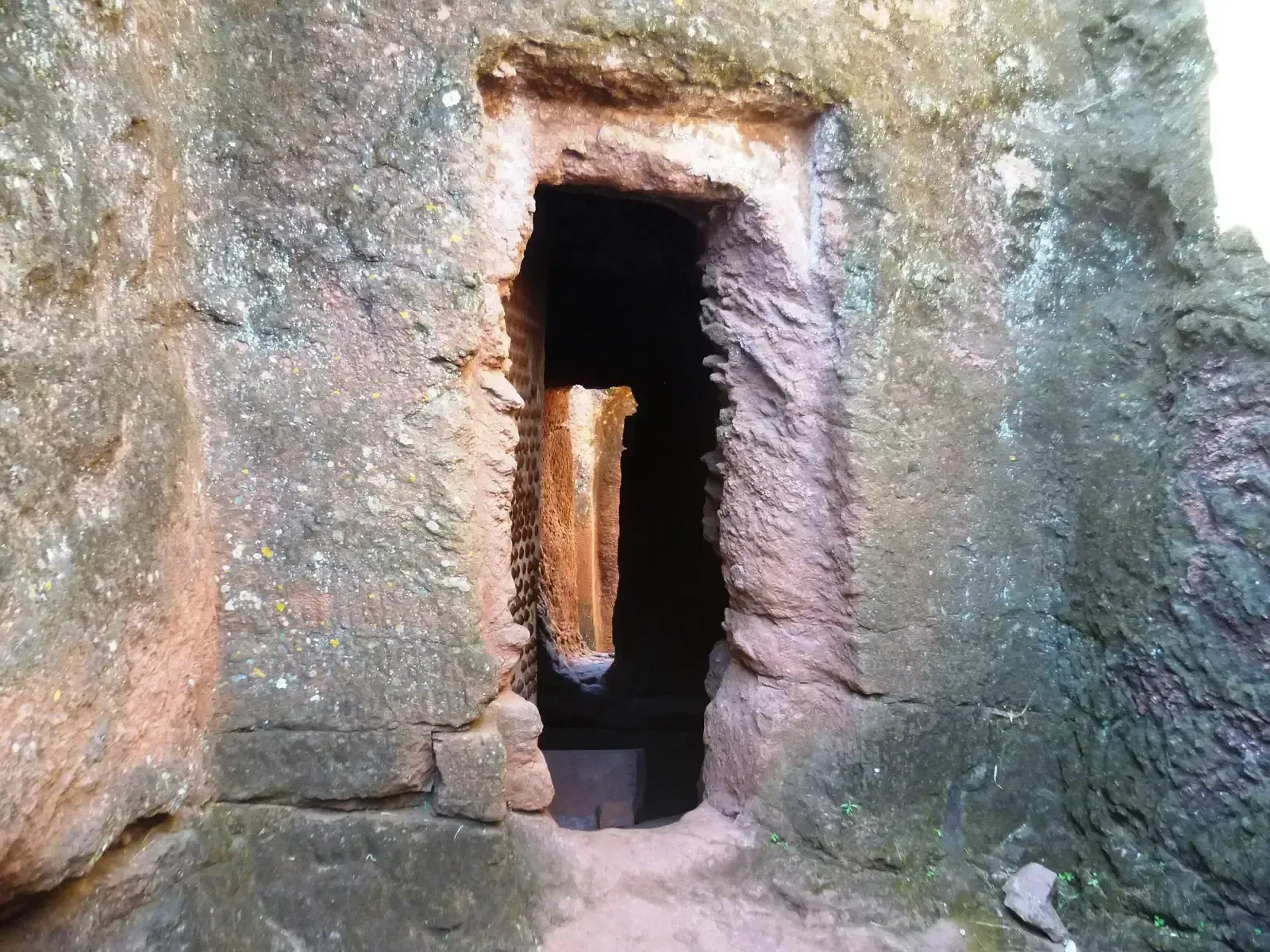
Lalibela is known for its rock hewn churches, carved downward into volcanic stone and linked by tunnels and trenches. They were inscribed on the World Heritage List in 1978, among the first group of sites ever listed. Pilgrims still gather here, especially around Ethiopian Christmas and Timkat.
Armed conflict in northern Ethiopia, including in the Amhara region, has repeatedly disrupted travel in recent years. Security advisories from several countries have kept many international visitors away. For a site this extraordinary, the crowds are notably thinner than you’d expect.
Great Zimbabwe, Zimbabwe
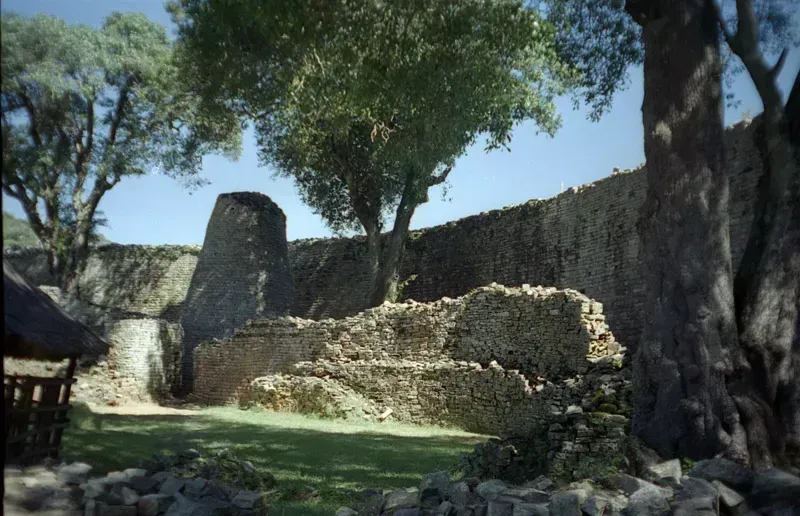
Great Zimbabwe is the largest ancient stone complex in sub-Saharan Africa south of the Sahara’s fringe, and it gave the modern country its name. Its massive dry stone walls were built without mortar, roughly between the eleventh and fifteenth centuries. UNESCO listed it in 1986.
Visitors to Zimbabwe tend to head straight to Victoria Falls, which draws far more attention. Great Zimbabwe, near the town of Masvingo, is a long drive from there. That distance leaves the ruins calm, even though they are central to the region’s history.
Socotra Archipelago, Yemen
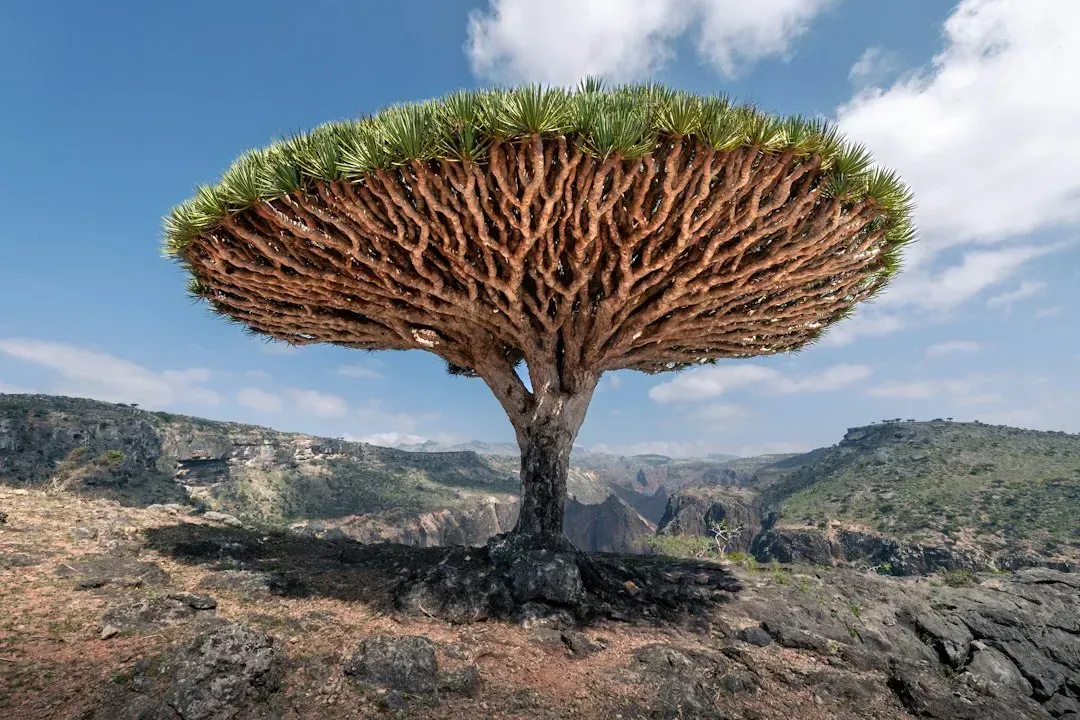
Socotra sits in the Arabian Sea and is famous for its strange dragon blood trees and a remarkable number of plants found nowhere else. UNESCO inscribed the archipelago in 2008 for its biodiversity. Photos of the umbrella shaped trees look almost like another planet.
Getting there is hard. Yemen’s long civil war has complicated travel, and flights and permissions have been limited and unpredictable. As a result, only a small number of independent travellers reach an island many people know from photographs alone.
Bamiyan Valley, Afghanistan
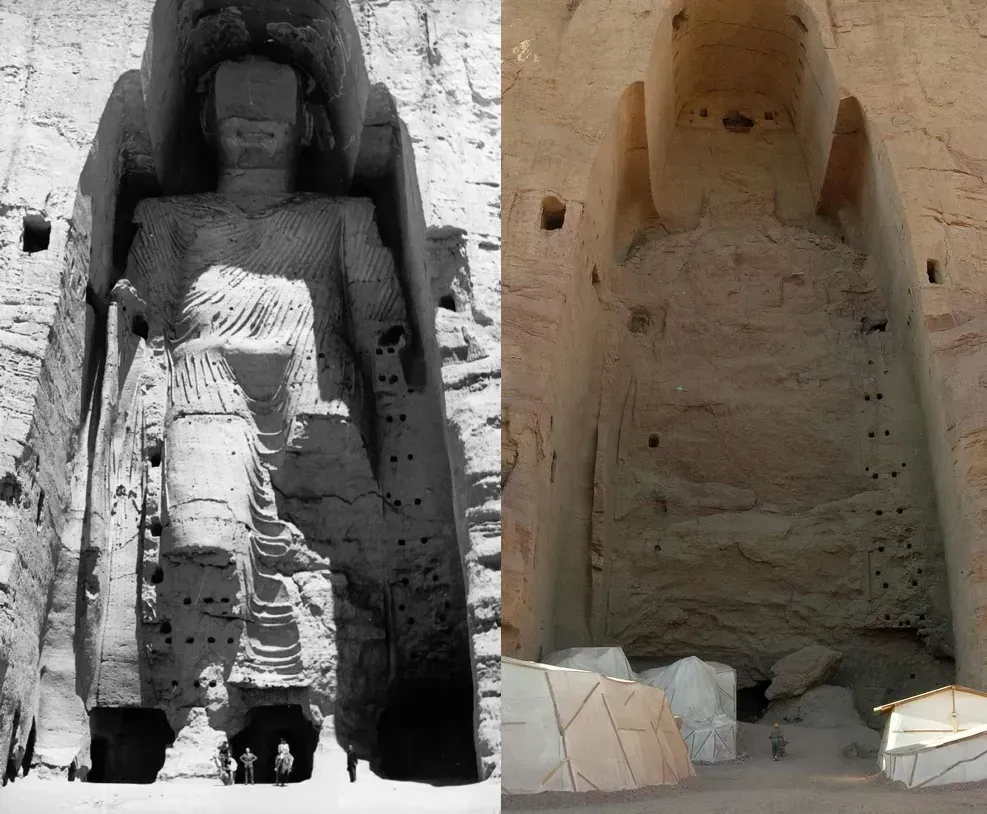
The Bamiyan Valley holds the remains of Buddhist monasteries, caves and sanctuaries, along with the empty niches of two giant Buddha statues. The Taliban destroyed those statues in 2001, an event that made the valley known worldwide. UNESCO inscribed the cultural landscape in 2003.
The site is known far more for its destruction than for any recent tourism. Afghanistan remains under severe travel warnings from most governments. Visits do happen, but they are rare and shaped by security conditions.
Mount Nemrut, Türkiye
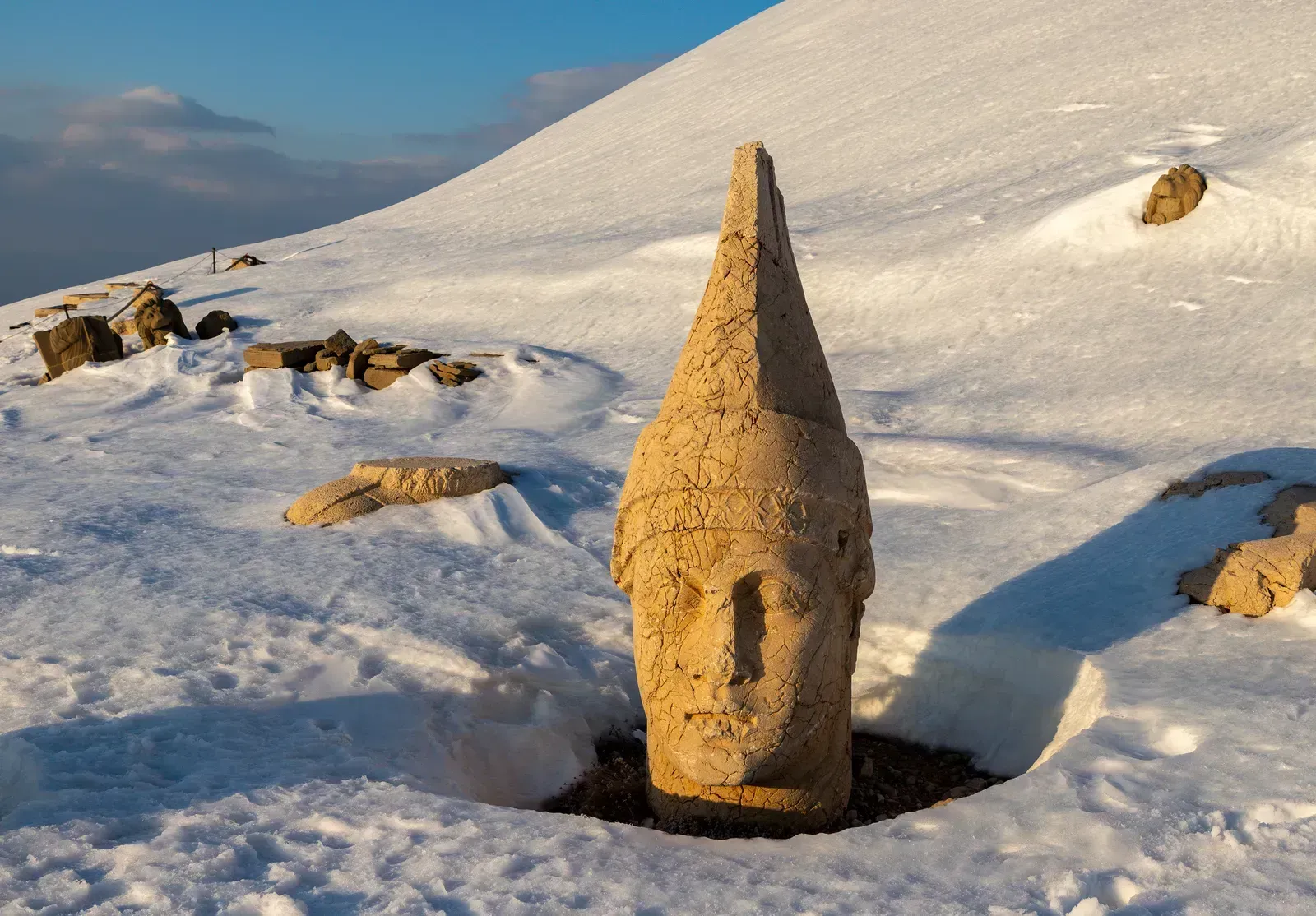
On the summit of Mount Nemrut in southeastern Türkiye, colossal stone heads of gods and a king sit among a first century BCE tomb sanctuary. It was built by Antiochus I of Commagene. UNESCO inscribed it in 1987.
Türkiye is one of the world’s busiest tourist countries, but most travellers stick to Istanbul, Cappadocia and the Aegean coast. Nemrut is remote, reached by long road journeys from towns like Adıyaman or Malatya. The region was also affected by the major earthquakes of February 2023, which further disrupted travel in parts of the southeast.
Persepolis, Iran
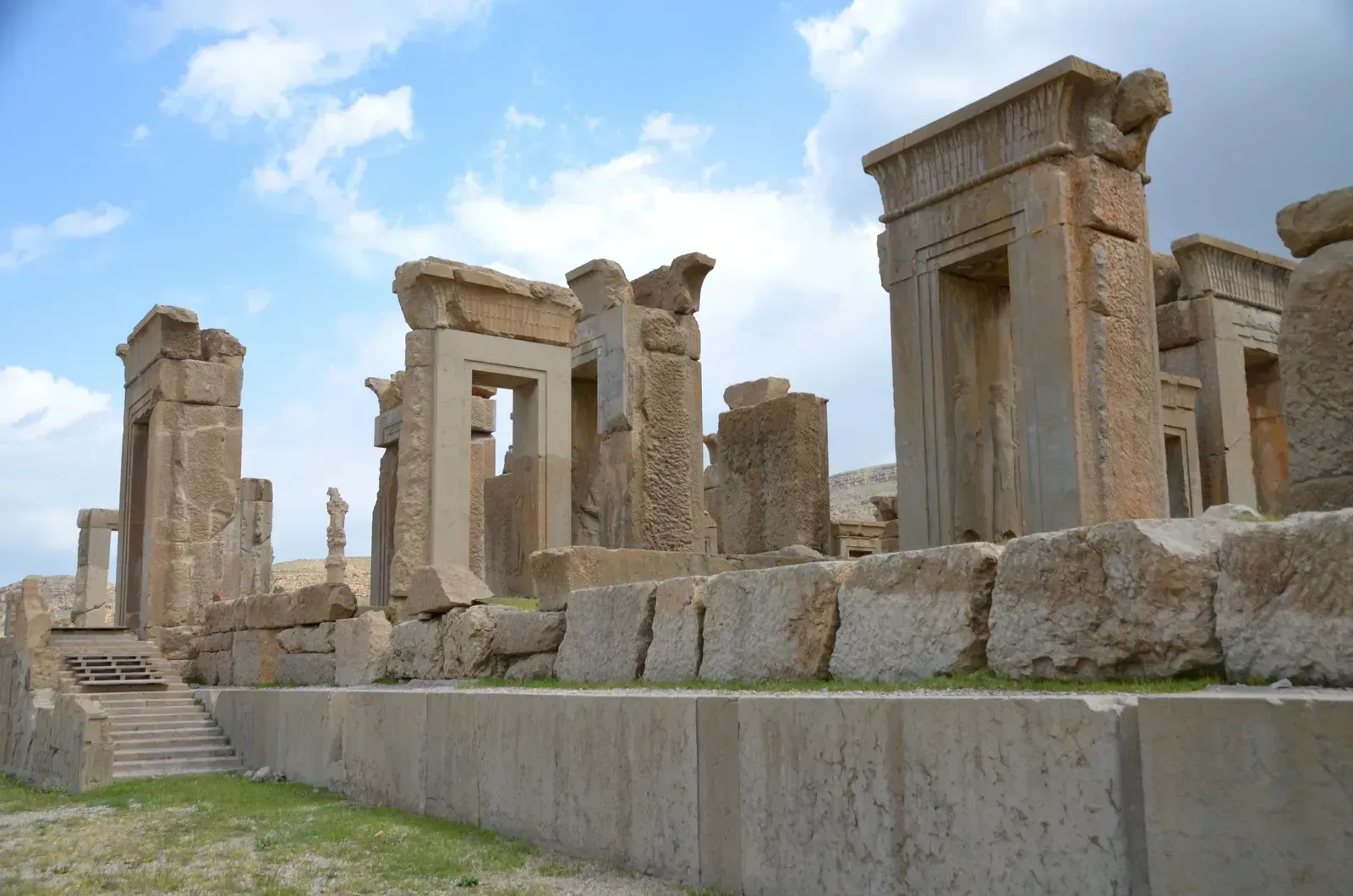
Persepolis was the ceremonial capital of the Achaemenid Empire, founded by Darius I around 518 BCE. Its staircases, carved reliefs and towering column bases remain among the best known remnants of the ancient Persian world. UNESCO added it to the list in 1979.
Iran has a wealth of heritage, yet tourism there has been held back by political tensions, sanctions and shifting travel advisories. Many Western governments caution against travel to the country. Those who do visit often describe the site as surprisingly uncrowded for its stature.
Galápagos Islands, Ecuador
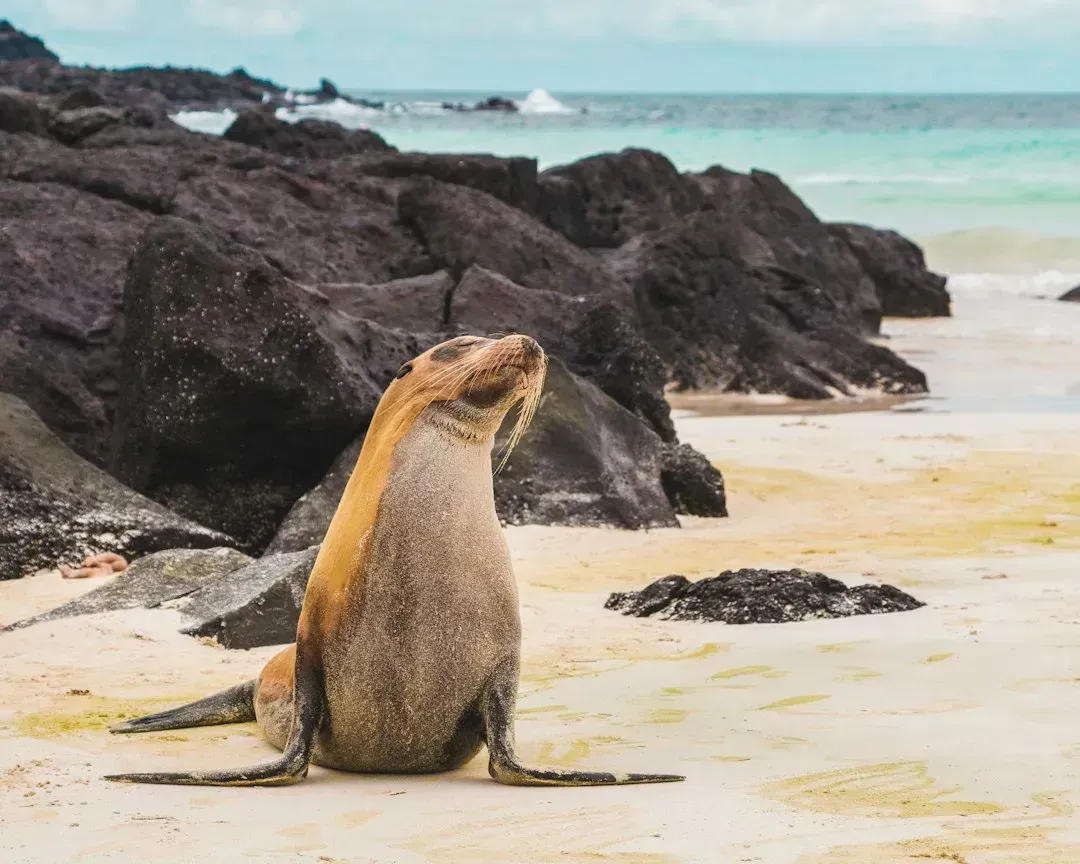
The Galápagos were among the first places on the World Heritage List, inscribed in 1978. Their wildlife helped shape Charles Darwin’s thinking about evolution, which keeps the name instantly familiar. Few places are better known in natural history.
Visitor numbers are deliberately restricted, though. Tourists pay a national park entry fee, follow strict rules, and travel with licensed guides, while flights and accommodation are expensive. The result is a destination that is world famous but intentionally protected from mass tourism.

Leave a Reply