
The idea has circulated for more than a year: Americans are staying away from because of politics, crime warnings and a frosty diplomatic climate. Parts of that story have real roots. The official numbers for 2025 and 2026 tell a more complicated tale.
Before accepting the headline as settled fact, it helps to look at what Statistics and the Department of Tourism actually recorded. The picture shows a brief wobble, a few genuine irritants and a market that has largely kept coming.
The Claim Meets the Arrival Data

In June 2026, the United States was ‘s leading overseas source market for the second consecutive month, with 40,566 Americans visiting. That is hard to square with a country being skipped. A mass boycott would not leave the US at the top of the overseas list.
The wider tourism picture points the same way. Between January and June 2026, welcomed 5,584,473 international tourists, up 12.3% from the same period in 2025. Most of that came from neighbouring countries, though the overseas segment also grew.
The Real Dip in Spring 2025

The skipping narrative did not come from nowhere. Statistics figures showed a 6.3% drop in US arrivals when April 2025 was compared with April 2024. Every other market in ‘s top ten overseas sources grew over the same period.
That made the American decline stand out. Several operators told Tourism Update that Trump’s ongoing claims of a white genocide in had weighed on demand. It was an industry perception, and one month of data, not a long term trend.
What the Recovery Looks Like in 2026

The 2025 slump did not carry forward. US tourism to rebounded in April 2026, with the US reclaiming its position as the country’s second largest overseas source market. That month the UK sent 29,554 visitors, the US 27,419 and Germany 17,383.
Later months showed American arrivals holding up. One industry outlet reported 36,590 US tourists in August 2025 and 37,134 in August 2026. The rise is slight, but it points to stability, not flight.
The Month Germany Pulled Ahead

March 2026 gave sceptics something to point to. Germany temporarily overtook the US in tourist arrivals that month. The same report tied this to a broader trade shift, with Germany becoming Pretoria’s second largest bilateral trade partner after severe American import tariffs.
A one month swap in ranking says little on its own. The US was back in second place by April and in first place among overseas markets by May and June. Rankings among top source markets can move on small differences in monthly counts.
The Level 2 Travel Advisory
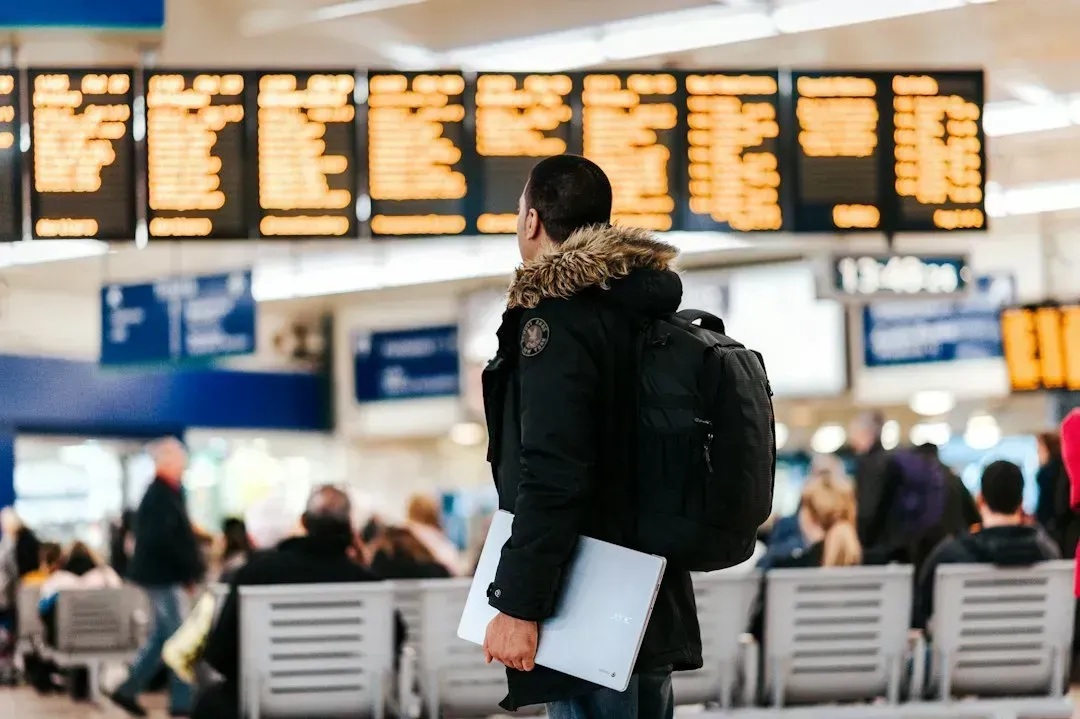
Washington’s advisory is the most concrete official signal Americans receive. The United States lists at Level 2, Exercise Increased Caution, in an advisory first issued on May 27, 2025. It cites crime, terrorism, civil unrest and kidnapping.
Context matters here. Level 2 is the same level held by a long list of countries that includes the UK, France, Germany and Sweden. Tourism Update reported that the level itself had not changed. Only the wording was refreshed, and Level 4 is the tier that tells Americans not to travel.
Politics and the Perception Problem

The advisory landed at a sensitive moment. It was revised after President Cyril Ramaphosa met Donald Trump at the White House, which raised concerns that it was another attempt to paint as a no go zone. The tourism minister responded quickly, as the press coverage at the time showed.
The government line was calm. The Presidency said it was standard practice for the US government to issue regular advisories for dozens of countries. The Department of Tourism noted that 110,000 US citizens visited in 2024, and that US visitor numbers in the first four months of 2025 surpassed those from the UK.
Entry Rules and Visa Friction

Practical hurdles may matter more than headlines. Most short stay tourists from the US, UK, Australia and Canada can enter without a visa for up to 90 days, subject to passport validity requirements. Even so, travellers are urged to confirm entry conditions, since continues to expand electronic travel authorisation and digitised border processes.
Some commentary has flagged friction. One September 2026 report said mounting concerns over visa processing timelines and entry uncertainties are emerging as primary obstacles to sustained tourism expansion. That report is an industry commentary, not an official finding, so it should be read as a risk and not as measured fallout.
Why Safari Buyers Still Book

Demand is driven by what offers in one trip. The country combines Atlantic and Indian Ocean coastlines, vineyards and urban cultural hubs within a single border. Safari provinces such as Mpumalanga, Limpopo and the Eastern Cape remain central to its appeal, and updated advisories do not single out national parks or private reserves as off limits.
Exchange rates and marketing have been cited as well. One outlet attributed June’s American arrivals to favourable exchange rates, wildlife experiences and extensive marketing campaigns aimed at affluent leisure travellers. That is an interpretation by a trade publication, but it fits the pattern of steady long distance bookings.
Where the Growth Is Really Coming From
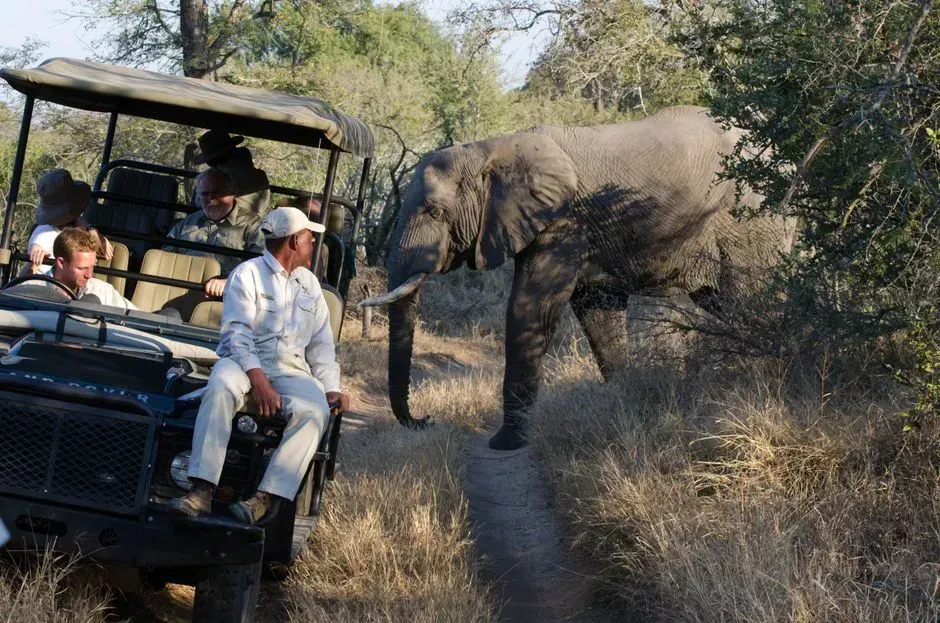
The loudest growth story is regional, not American. Arrivals from Africa rose by 14.3% in the first half of 2026, while overseas arrivals grew by 5.6%. Tourists from the Southern African Development Community made up 79.6% of all arrivals in April 2026.
That means American visitors are a small slice of a very large total. They are still a valuable one, because they travel by air and tend to book longer, pricier trips. recorded a record 10.5 million international arrivals in 2025.
What the Latest Advisories Say

As of early November 2026, scrutiny of the country’s safety language continues. Recent updates from the United States, United Kingdom, Australia and Canada converge on a more cautious stance, even where the formal alert level has not shifted. Available visitor data and statements from tourism bodies suggest demand from those four markets remains substantial.
The US advisory itself remains at Level 2. The official arrival statistics through August 2026 show the US among ‘s top overseas markets, with a dip in April 2025 and a brief overtaking by Germany in March 2026 as the only notable interruptions.

Leave a Reply