
More than fifty countries now offer some version of a digital nomad visa, according to one 2026 industry guide. More than 50 countries offer one in 2026. The rules behind those visas are far from uniform, though, and the gap between the easiest and the toughest is wide.
This ranking looks at three things: the income or savings you must prove, how heavy the paperwork is, and how quickly applications tend to move. Exchange rates and minimum wages shift often, and published figures differ between trackers. Treat the numbers below as 2026 snapshots and check the official government page before you apply.
Colombia: The Lowest Income Bar

Colombia’s Visa V for digital nomads launched in October 2023. It requires only about $909 a month in income, which is three times the Colombian minimum wage. That is the lowest formal threshold among the major programs, though other trackers list higher dollar equivalents because of currency swings.
The visa runs for up to two years, and one tracker puts Colombia’s processing time at around 30 days. Expect to gather the usual remote work proof and a clean record. The low bar is the real draw here.
Thailand: Savings Instead of Salary

Thailand’s Destination Thailand Visa takes a different route. There is no income floor, only financial evidence of at least ฿500,000. It is a five year visa with 180 day stays.
There’s a catch for anyone planning to apply abroad. One tracker notes that since 31 August 2026 you must apply where you’re a national or permanent resident, with a police clearance. The same source says the savings must also be seasoned for at least three months. It’s easy on income and a little stricter on logistics.
Brazil: A Simple $1,500 Test

Brazil’s VITEM XIV visa keeps things plain. It asks for $1,500 a month or $18,000 in savings, lasts 12 months, and costs about $100. It can be renewed once.
The document list is short: a valid passport, health insurance, a clean criminal record and proof of remote work. Proof of transportation in Brazil is also required. Few surprises, which is exactly why it ranks as one of the easier options.
Georgia: Fast and Almost Free

Georgia is known for speed. It takes less than two weeks to process and can be done entirely online. One tracker lists $2,000 a month, a free application and 10 day processing.
Another source converts the bar to roughly €1,840, so the exact figure moves with currency rates. Either way, the process is light compared with most European programs. If you want to be working from Tbilisi quickly, this is a strong candidate.
Mauritius: Low Bar, Tropical Setting

Mauritius suits people who want an island base without a huge income test. It offers one year, renewable, at $1,500 a month per adult, with foreign income exempt from local tax. That per adult wording matters if you’re bringing a partner.
Cost and speed are favorable too. Georgia, Mauritius and Uruguay charge no meaningful government fee at all. One tracker estimates a wait of about two to six weeks.
Costa Rica: Easy for Americans to Reach
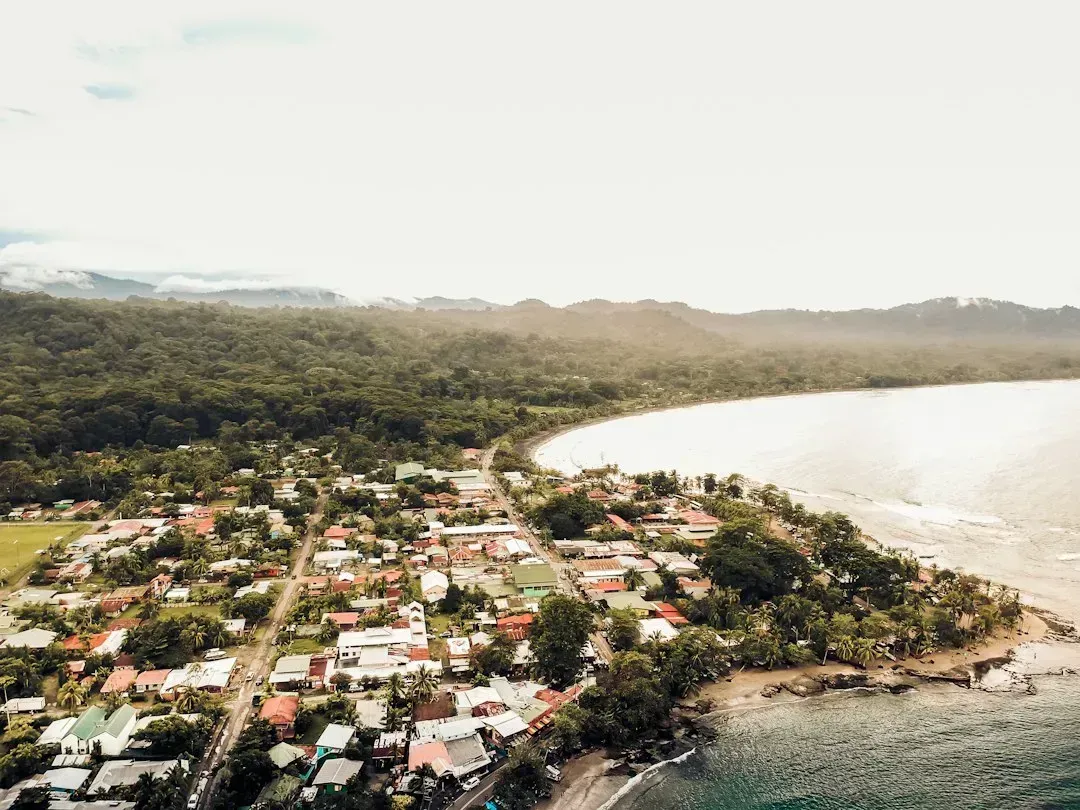
Costa Rica is often called the easiest overall, especially for US citizens. It has a $3,000 monthly threshold, you can apply from inside the country, and the visa is a renewable year. The income bar is higher than Colombia’s, but the process is friendlier.
One data set lists a $100 fee and about 15 days of processing, with tax applied on a territorial basis. In other words, foreign earnings generally aren’t taxed locally. Staying in the country while you apply removes a lot of hassle.
Iceland: The Steepest Monthly Bar

Iceland tops one 2026 dataset. It sets the highest income requirement of any open digital nomad visa, at about $7,980 a month. The official figure is set in krona, and Iceland requires ISK 1,000,000 per month.
Couples face a bigger number still, since the spouse or partner figure is ISK 1,300,000 combined. The same dataset says Iceland asks roughly 8.2 times what Albania does. For most freelancers, that alone makes it a stretch.
South Korea: High Pay and a New Structure

South Korea made its program permanent this year. It formally launched the former pilot on June 30, 2026, extended the maximum stay from two to three years, and added age and location based income relief. That relief helps, but the base requirement remains steep.
Trackers disagree on the dollar amount. One lists ₩88,102,000 a year, about US$66,000, while another puts the highest requirement at $74K a year. The gap comes from exchange rates, so confirm the won figure.
Japan: High Earners Only

Japan’s visa arrived in 2024 and has stayed exclusive. It requires ¥10,000,000 a year and offers six months with no extension. One ranking calls it the most exclusive, targeting only high earners from select countries.
The six month cap is the other obstacle. You can’t renew in place, so it works best as a long stay rather than a base. Pair a steep income test with a short window, and few applicants qualify.
Cayman Islands: Zero Tax, Very High Bar
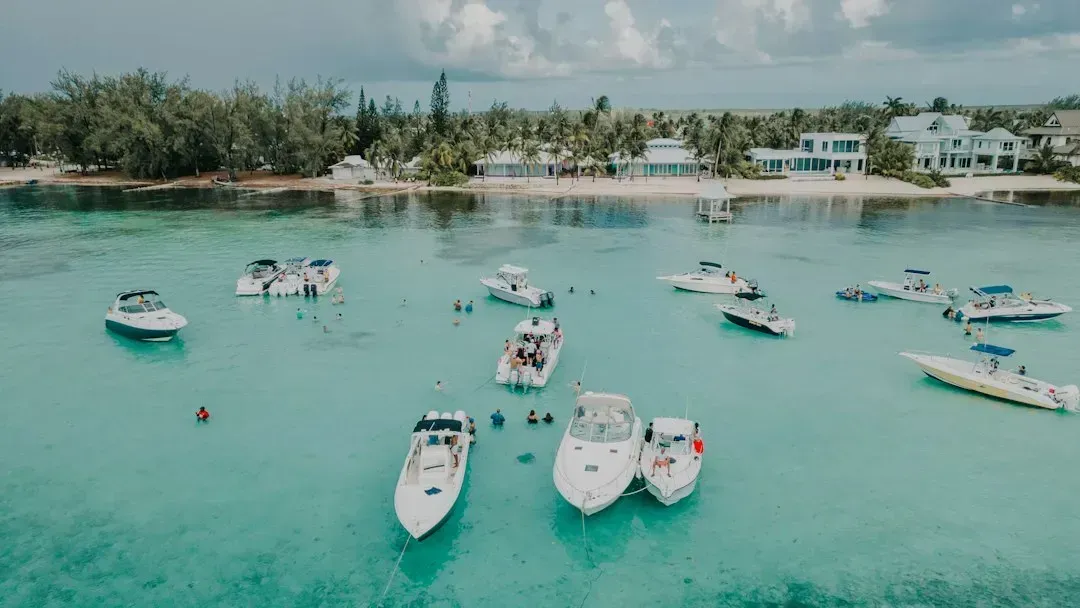
The Cayman Islands appears at the top of the price scale in one 2026 ranking. It lists about $8,300 a month, with zero tax. That source is older than most here, so verify against current government guidance.
The appeal is obvious: a Caribbean location without local income tax. The cost of living is among the highest in the region too. Only well paid remote workers will find the math comfortable.
Czech Republic: Easy Income, Hard Paperwork

Czechia is a confusing case. One ranking places it among visas needing $5,550 a month, yet another source lists at least $5,200 in savings or client contracts plus a trade license fee. The figure depends on which route you take.
Another comparison calls Czechia’s income bar low, at about €1,000, but notes a slow process. So the difficulty here isn’t the money. It’s the bureaucracy and the time you’ll need to budget.
United Arab Emirates: A Rising Threshold

The UAE’s virtual working program has gotten pricier. One 2026 comparison says it requires $5,000 a month, raised from $3,500 in 2026, with no income tax but a high cost of living. An earlier source gave the lower figure.
A third comparison lists even higher numbers, around $7,000 a month for some applicants. Published thresholds clearly vary, so the official Dubai and federal portals are the sources to trust. Either way, it’s no longer a budget option.
Estonia: Europe’s Highest Income Test

Estonia helped pioneer the model. It pioneered digital applications but has the highest income requirement. The bar is €4,500 a month gross, with a six month history, and the visa lasts up to 365 days.
Renewal is limited. It is generally not extendable beyond the initial year, though applicants can reapply after departure. The digital first process is smooth, but the income test and short horizon keep it on the harder list.
Belize: A Large Annual Income Requirement
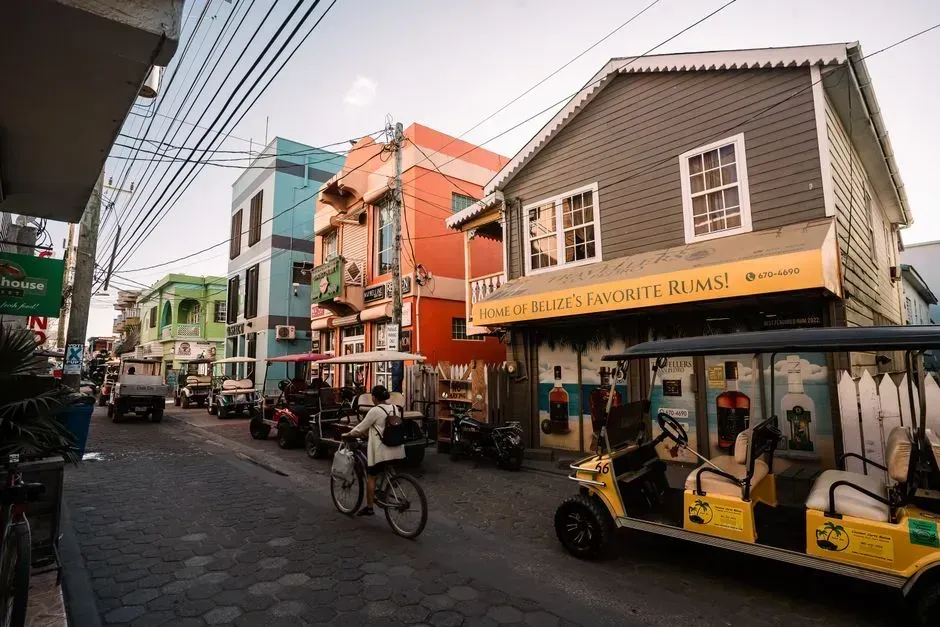
Belize asks for a lot on paper. It requires annual income of at least $75,000 for individuals or $100,000 for couples and families. That works out to a monthly figure of about $6,250 for a single applicant.
The permit is short as well. It lasts six months and is renewable, with foreign income exempt from local tax. Strong income plus a brief stay is a tough combination for most remote workers.
Indonesia: Costly and Tax Unclear

Indonesia’s second home visa variant is aimed at wealthier remote workers. It requires proof of $60,000 a year in income and costs $358 for six months. That’s a heavy price for a short stay.
Taxes add uncertainty. Indonesia technically taxes worldwide income of residents, and the legal framework around nomad taxation is unclear. Many Bali visitors skip the visa entirely, but working on a tourist visa carries legal risk.

Leave a Reply