
A worldwide caution from the State Department sounds dramatic, but it often arrives with very little detail. If you have a flight booked, the obvious question is whether anything about your plans needs to change.
The short answer depends on where you’re going and how you travel. The sections below cover what the alerts have said, what they don’t do, and what’s worth checking before you leave.
What a Worldwide Caution Actually Is

A Worldwide Caution is a broad security notice from the U.S. State Department. It isn’t tied to one country, and it isn’t a ban. The department did not order Americans to evacuate any specific country or impose new restrictions on international travel when it issued one during the conflict with Iran.
Think of it as a prompt to pay closer attention. Country travel advisories carry the specific risk levels, and those are updated every six to 12 months based on crime, natural disasters and other factors. The worldwide alert sits above those and covers threats that could reach beyond a single border.
How the Alerts Have Unfolded Since 2025
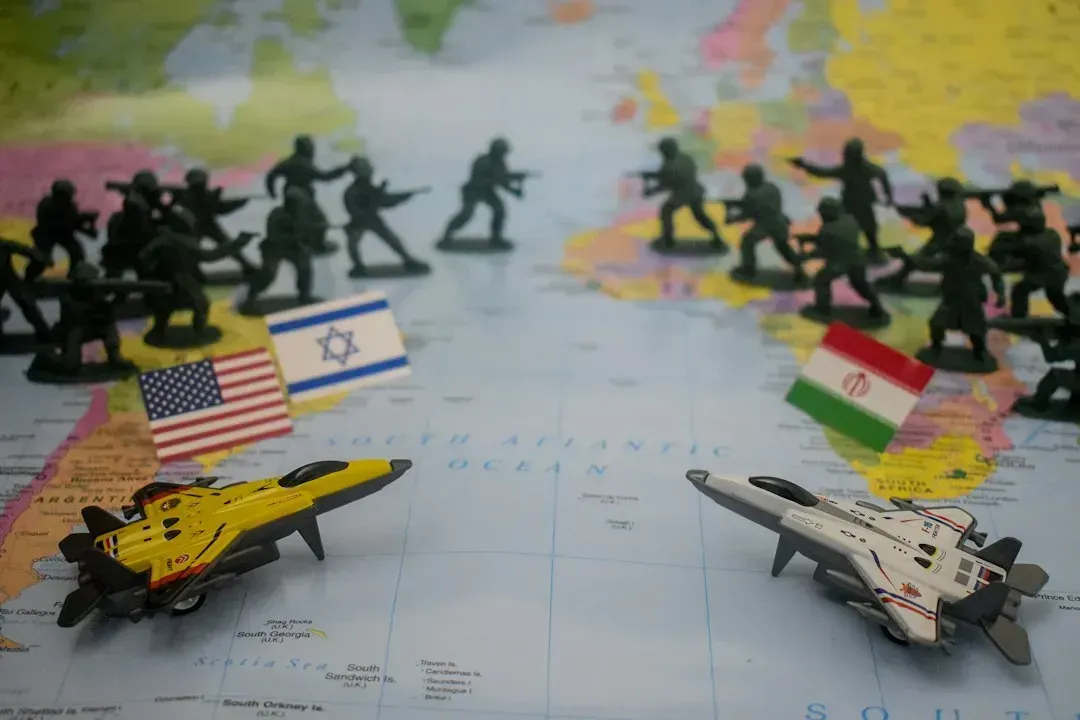
This isn’t the first such alert. A similar one was issued in June 2025 amid conflict between Israel and Iran, and again on Feb. 28 at the start of the war. The June 2025 version followed U.S. strikes on Iran, and the department noted at the time that the conflict had resulted in disruptions to travel and periodic closure of airspace across the Middle East.
Later in 2026 the notices kept coming. One was issued in March, when the conflict was nearing the one month mark. Another followed in July, after the U.S.–Iran ceasefire agreement collapsed on July 8. I couldn’t find a newer alert than the July one, so check the State Department’s site for anything more recent.
Why the Alert Reaches Beyond the Middle East
The Middle East is the main concern, yet the alerts deliberately point further afield. The department has warned that U.S. diplomatic facilities, including outside the Middle East, have been targeted. It has also cautioned that groups supportive of Iran may target other U.S. interests overseas.
That’s the reason a traveler heading to Europe or Asia sees the same notice as someone going to the Gulf. The risk isn’t equal everywhere. The alert is a general warning that the threat environment is wider than the fighting itself.
Flight Disruptions and Airspace Closures

For most people the practical effect is on flights. The State Department has said that periodic airspace closures may cause travel disruptions. The July alert also urged Americans in the region to prepare for possible flight cancellations and disruption to travel.
Airlines responded in 2025 too. Reporting from that period noted that several airlines canceled flights to the Middle East after the U.S. strikes. Routes that cross the region can be rerouted or suspended with little notice, even if your destination is far from the conflict.
Who Faces the Most Risk

Travelers in the Middle East are the group the State Department singles out. Its language has consistently advised Americans worldwide, and especially those in the Middle East, to take more care. Locations tied to the U.S. government, military or high profile American interests are the ones most often named.
Those with a layover in the region should take note as well. In July, Jordanian authorities evacuated Aqaba’s international airport and seaport because of what officials described as a specific and credible threat. Incidents like that can change a transit plan within hours.
Enroll in STEP Before You Go
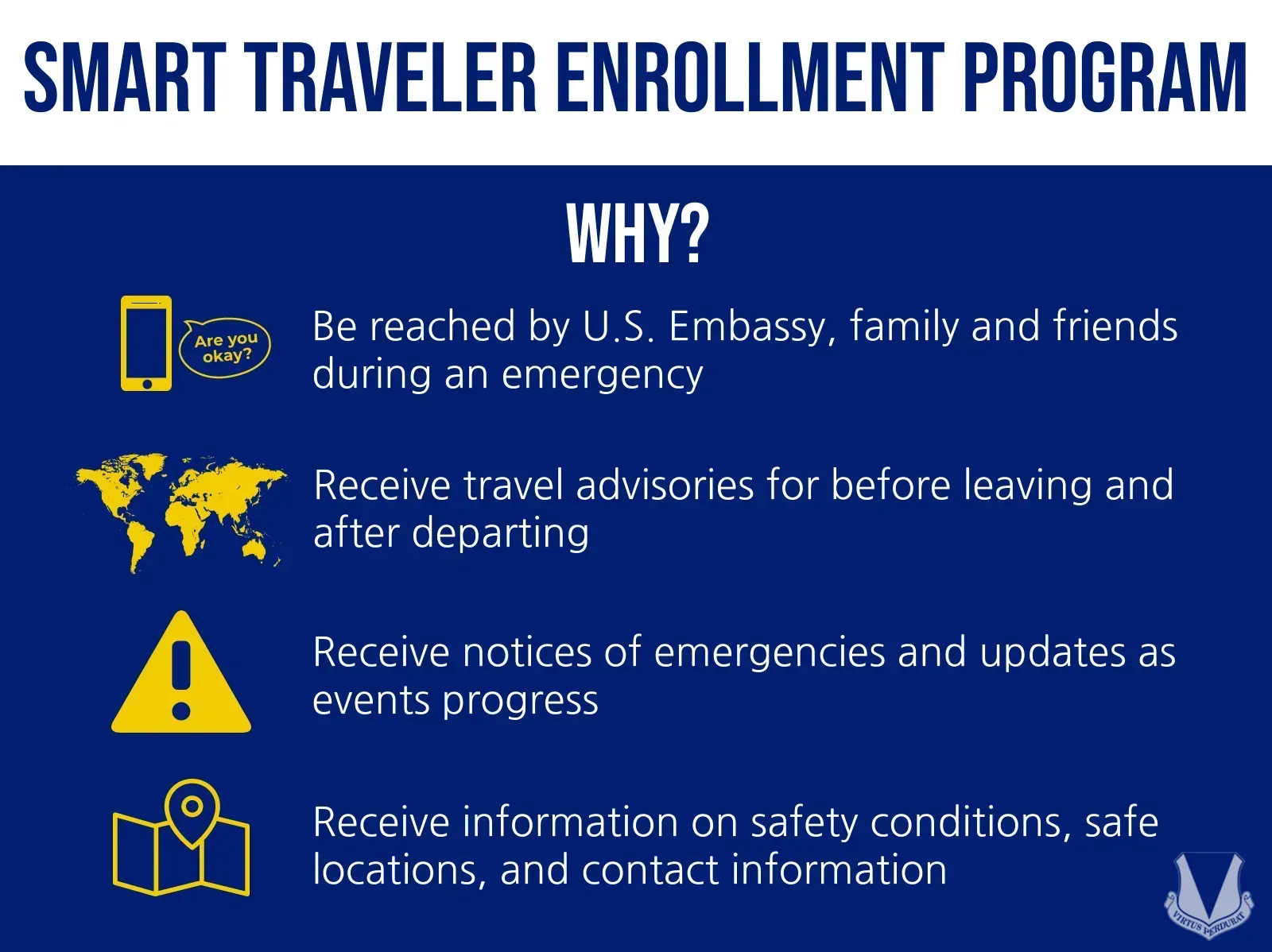
The most useful step is also the simplest. The department urges Americans abroad to enroll in the STEP program at step.state.gov to receive the latest security alerts. Enrollment links your trip details to the nearest embassy or consulate.
It takes only a few minutes. Alerts then come to you directly rather than depending on whether you happen to see the news. The department also posts updates through WhatsApp and on its X account @TravelGov.
What Happened When Americans Had to Leave
The scale of earlier departures shows how quickly things can shift. The State Department said that more than 43,000 Americans had safely returned from the Middle East after the U.S. and Israel began striking Iran earlier in 2026. That figure came from the department itself, so treat it as an official count.
The department also told its embassies and consulates worldwide to immediately evaluate their security operations after retaliatory attacks on embassies in the Middle East. For travelers, this means embassy services and hours can change. It’s worth confirming before you rely on one.
Practical Steps for Your Trip
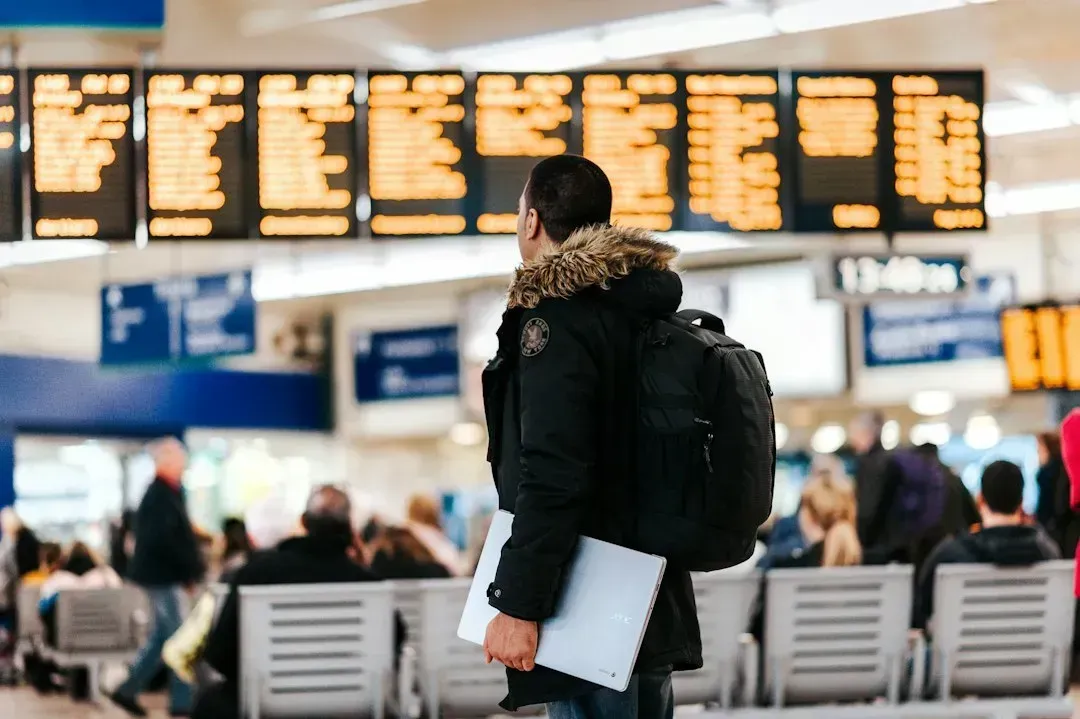
Start with your destination’s current travel advisory and recent security alerts. The department says to review the latest Travel Advisory and security alerts for your destination at travel.state.gov before departing. Also confirm what your airline says about your specific route.
Some basics help regardless of destination. Keep copies of your passport and itinerary, share your plans with someone at home, and know where the nearest embassy is. Check whether your travel insurance covers cancellations tied to conflict, since policies differ and many exclude events that were already underway when you booked.
Where to Check for Updates

Conditions here change quickly, and the alerts have been reissued as the situation shifted. The State Department’s travel site is the primary source. The embassy or consulate nearest you will publish local guidance, which the department tells Americans to follow.
Airline apps and airport websites will carry the most current word on schedule changes. Check them in the days before departure and again on the day you fly.

Leave a Reply