
Most people can name their own state capital, but far fewer have walked through the building at its center. State capitols are working government buildings, yet many also function as free museums of architecture, art, and local history. Some are marble giants, and others are small and a little surprising.
This list covers ten capitols that stand out for their design, their stories, or both. Count how many you’ve seen in person, and note which ones deserve a spot on your next road trip.
Texas State Capitol, Austin
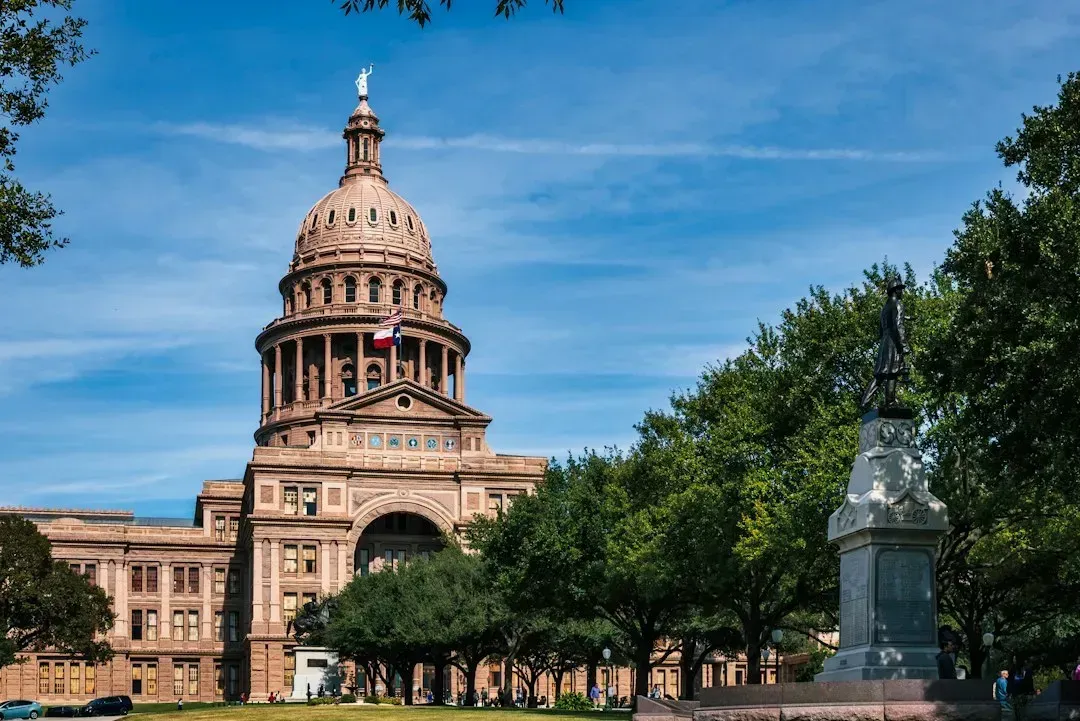
Finished in 1888, the Texas Capitol is built from sunset red granite quarried at Granite Mountain near Marble Falls. It stands taller than the U.S. Capitol in Washington, a fact Texans have never been shy about sharing.
The rotunda floor features the seals of the six nations that have flown flags over Texas. Visitors can usually join guided tours or wander on their own, and the grounds hold monuments worth a slow lap.
Louisiana State Capitol, Baton Rouge
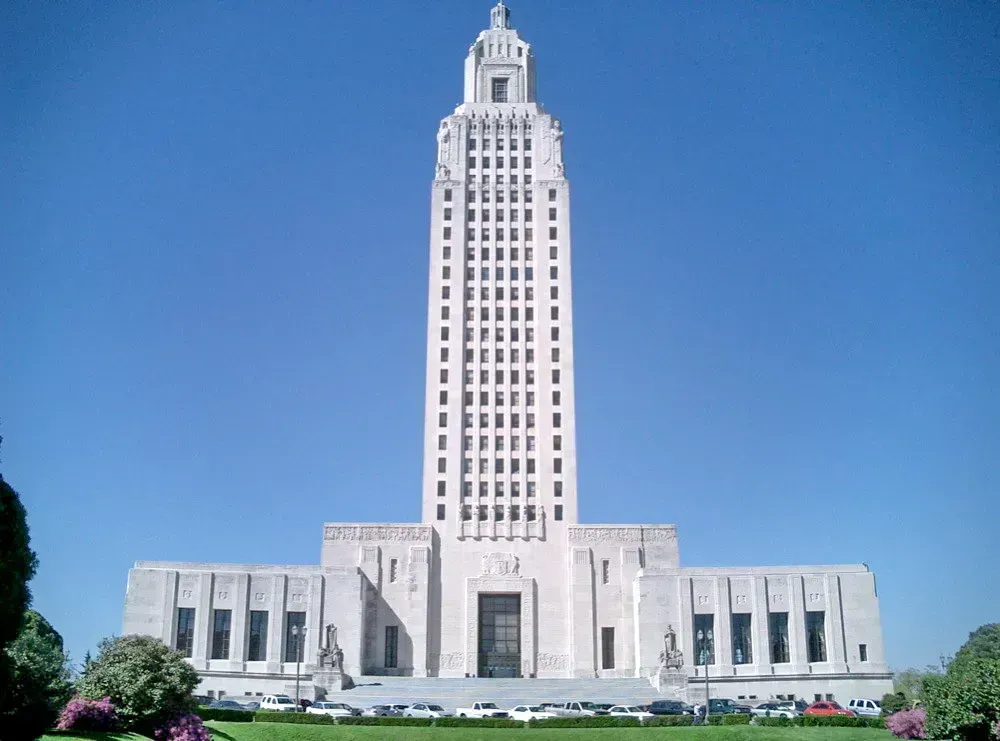
Completed in 1932, this Art Deco tower rises 34 stories and is the tallest state capitol in the country. Governor Huey Long championed its construction, and he was fatally shot inside the building in 1935.
The observation deck near the top gives wide views of the Mississippi River and the city. The Memorial Hall inside is covered in detailed stonework and is the best place to appreciate the building’s style.
Utah State Capitol, Salt Lake City
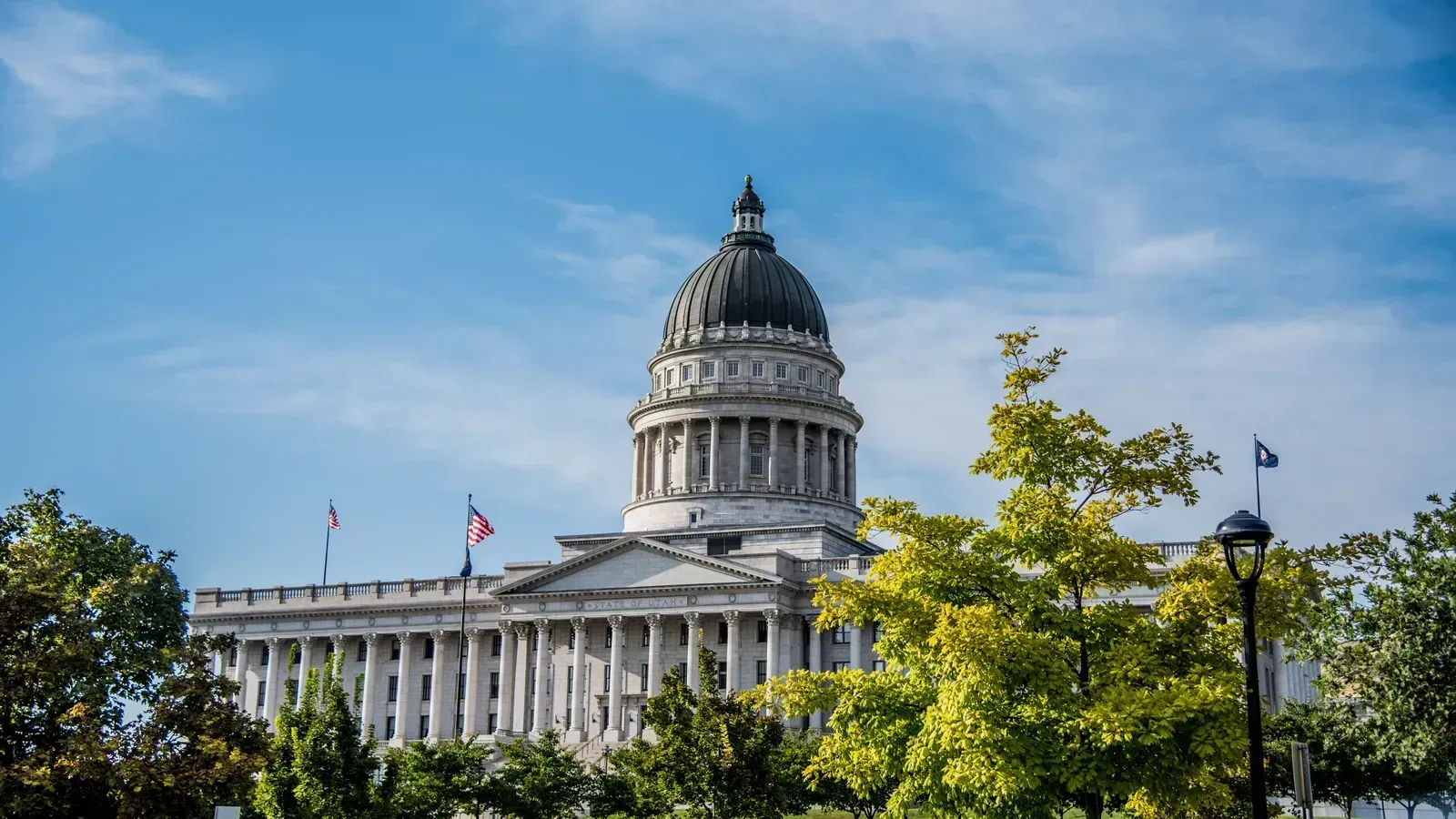
Opened in 1916, Utah’s Capitol sits on a hill north of downtown with the Wasatch Mountains behind it. Its neoclassical design includes a copper dome and a grand rotunda with murals depicting the state’s history.
A major restoration finished in 2008 added seismic base isolators beneath the structure, a sensible upgrade in earthquake country. The building is also known for its collection of Utah art displayed in public halls.
Wisconsin State Capitol, Madison
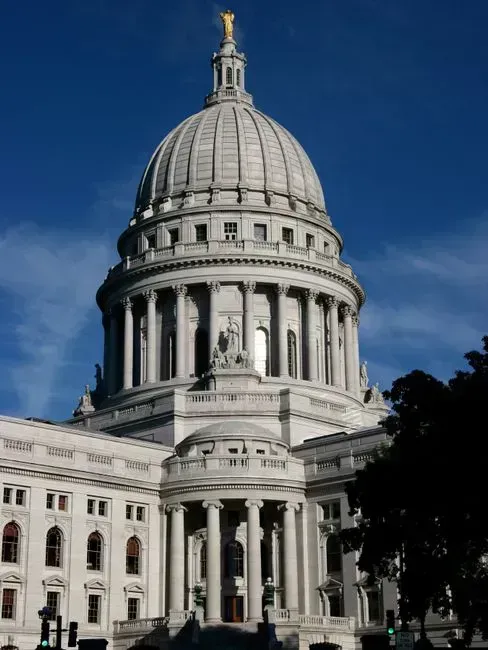
The Wisconsin Capitol was completed in 1917 and is the only state capitol with a granite dome. It sits on an isthmus between two lakes, and its four wings line up with the downtown streets that lead to it.
Inside, mosaics, murals, and stone from several countries and states decorate the rotunda and hearing rooms. Tours often include a trip up toward the dome, though access can vary, so check the schedule before you go.
Massachusetts State House, Boston
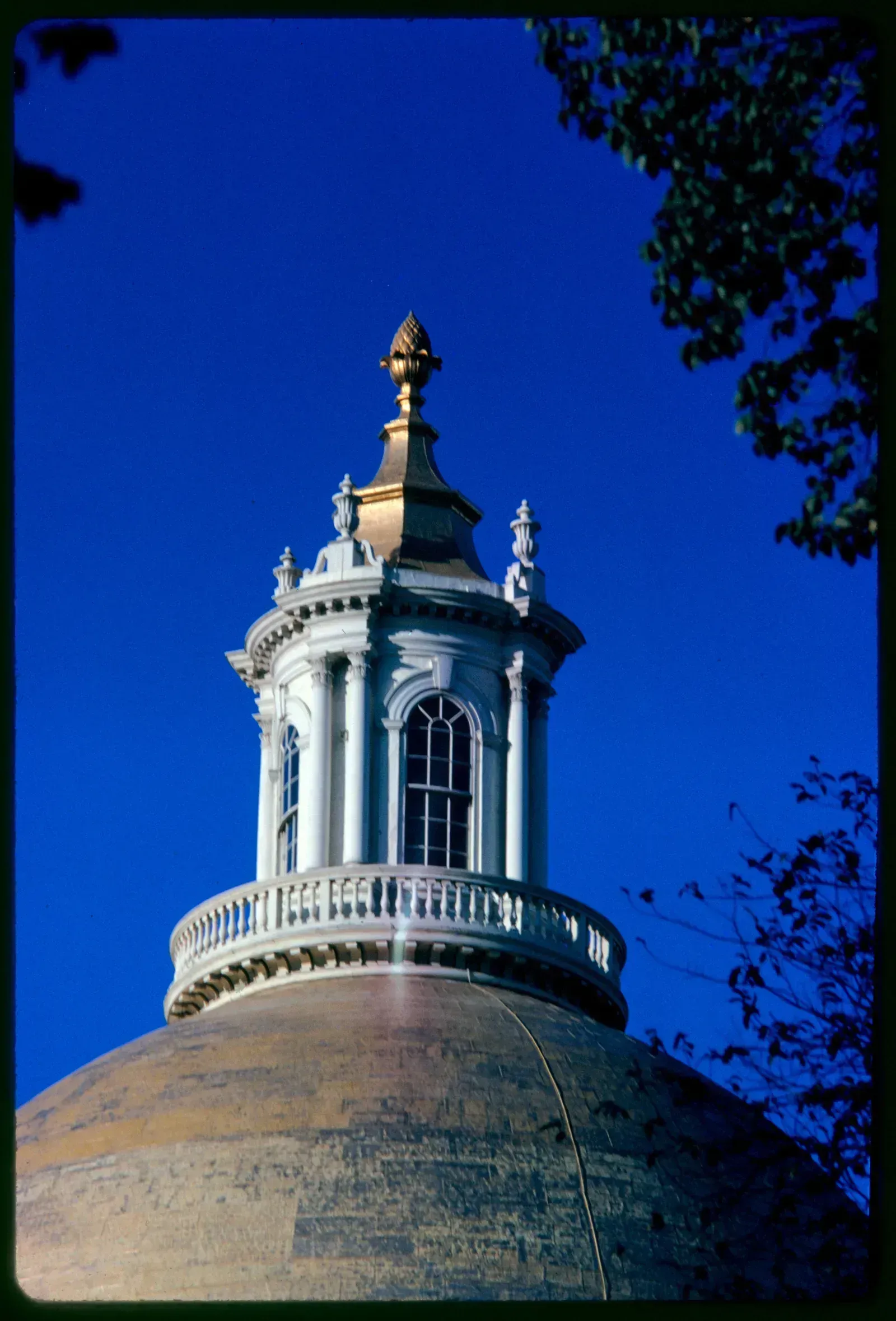
Designed by Charles Bulfinch and finished in 1798, the State House is one of the oldest capitols still in use. Its dome was first covered in wood shingles, later in copper, and then in gold leaf in the 1870s.
The building overlooks Boston Common on Beacon Hill. Free tours take in the House and Senate chambers and relics such as the Sacred Cod, a carved fish that hangs in the House.
Colorado State Capitol, Denver
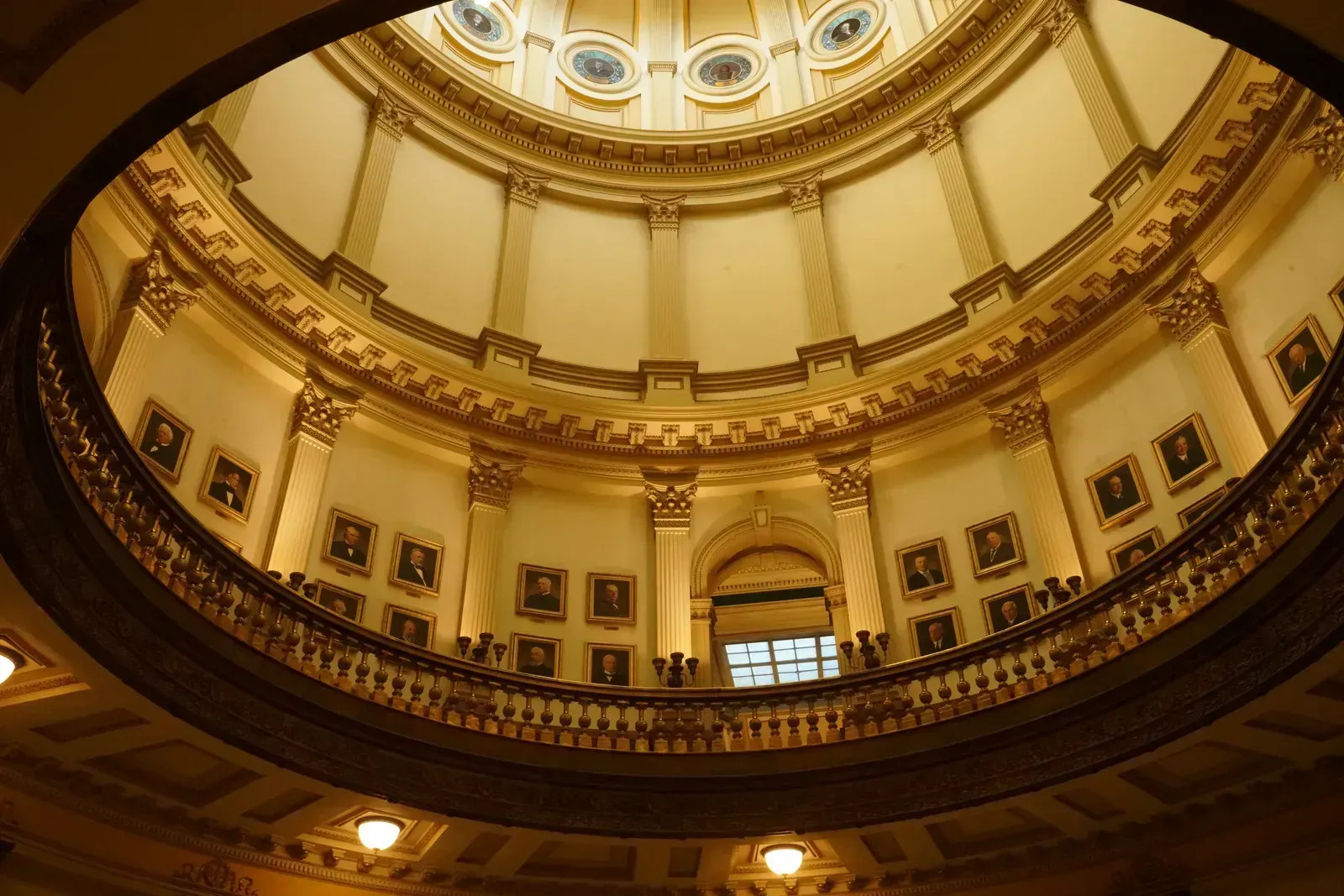
Colorado’s Capitol was completed in 1894 and is topped by a dome covered in gold leaf. Inside, the walls and wainscoting use rose onyx from a quarry in Beulah, Colorado, a stone found in remarkably few places.
On the west steps, one stair is marked as exactly one mile above sea level, and visitors line up to photograph it. Tours let you see the chambers and, in some seasons, climb to the dome’s outer walkway.
Minnesota State Capitol, St. Paul
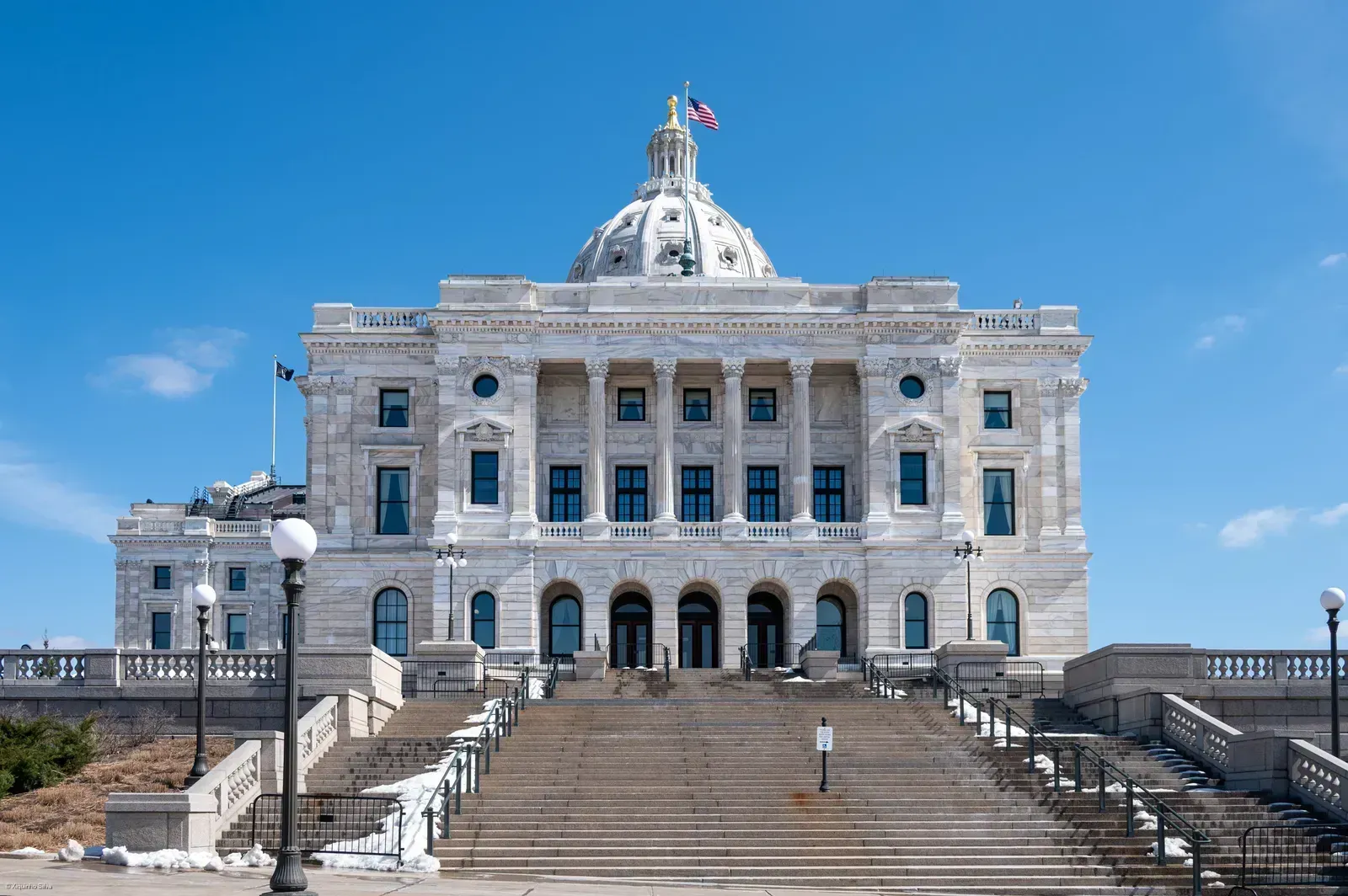
Architect Cass Gilbert designed the Minnesota Capitol, which opened in 1905. Its marble dome is among the largest self supporting marble domes in the world, modeled on St. Peter’s Basilica in Rome.
A multi year restoration wrapped up in 2017, cleaning the stonework and reviving the painted interiors. A gilded sculpture group called the Quadriga sits above the main entrance and is easy to spot from the lawn.
Vermont State House, Montpelier
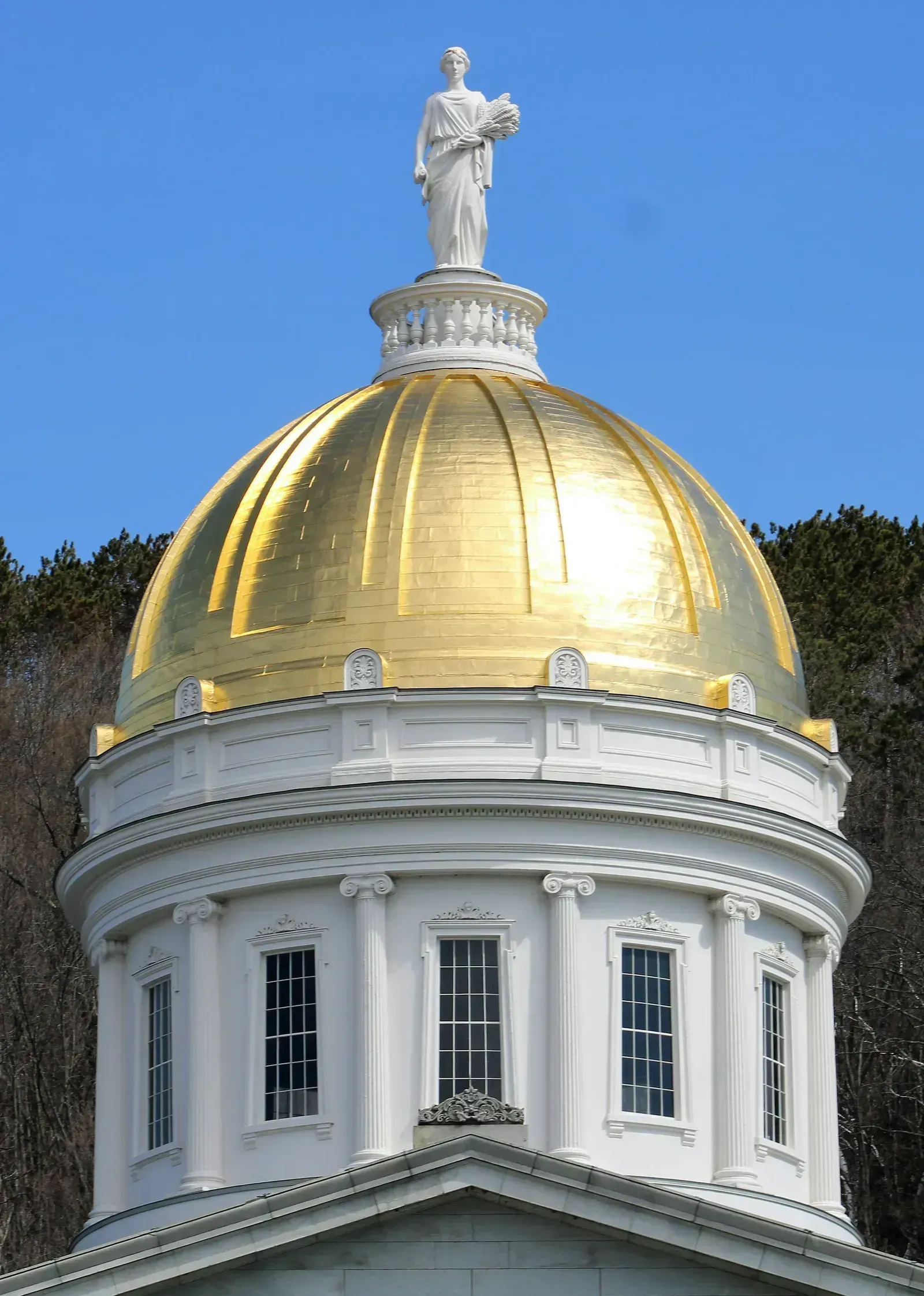
The current Vermont State House dates to 1859 and is built with local granite from nearby Barre. A Greek Doric portico fronts the building, and a gold leaf dome tops it, crowned by a statue of Ceres, the Roman goddess of agriculture.
It’s modest in size compared with the big capitols, and that’s part of the charm. Visitors can walk through the legislative chambers in a building that still feels like part of a small town.
Hawaii State Capitol, Honolulu
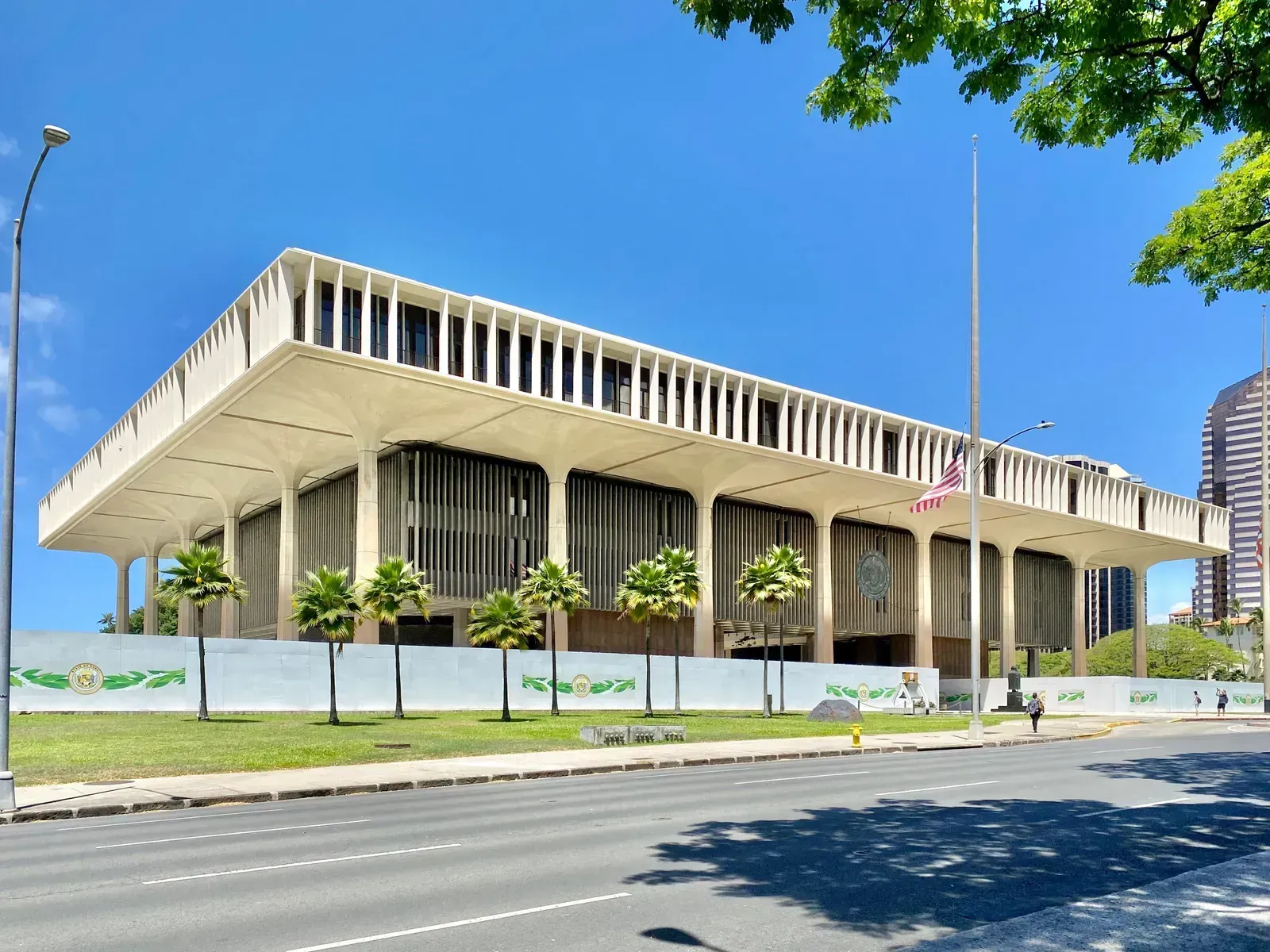
Opened in 1969, Hawaii’s Capitol breaks from the dome and columns tradition entirely. The architects designed it to evoke the islands, with legislative chambers shaped like volcanoes and reflecting pools meant to suggest the surrounding ocean.
The central courtyard is open to the sky, so trade winds move right through the building. It’s among the most distinctive government buildings in the country, and it’s free to explore.
Virginia State Capitol, Richmond
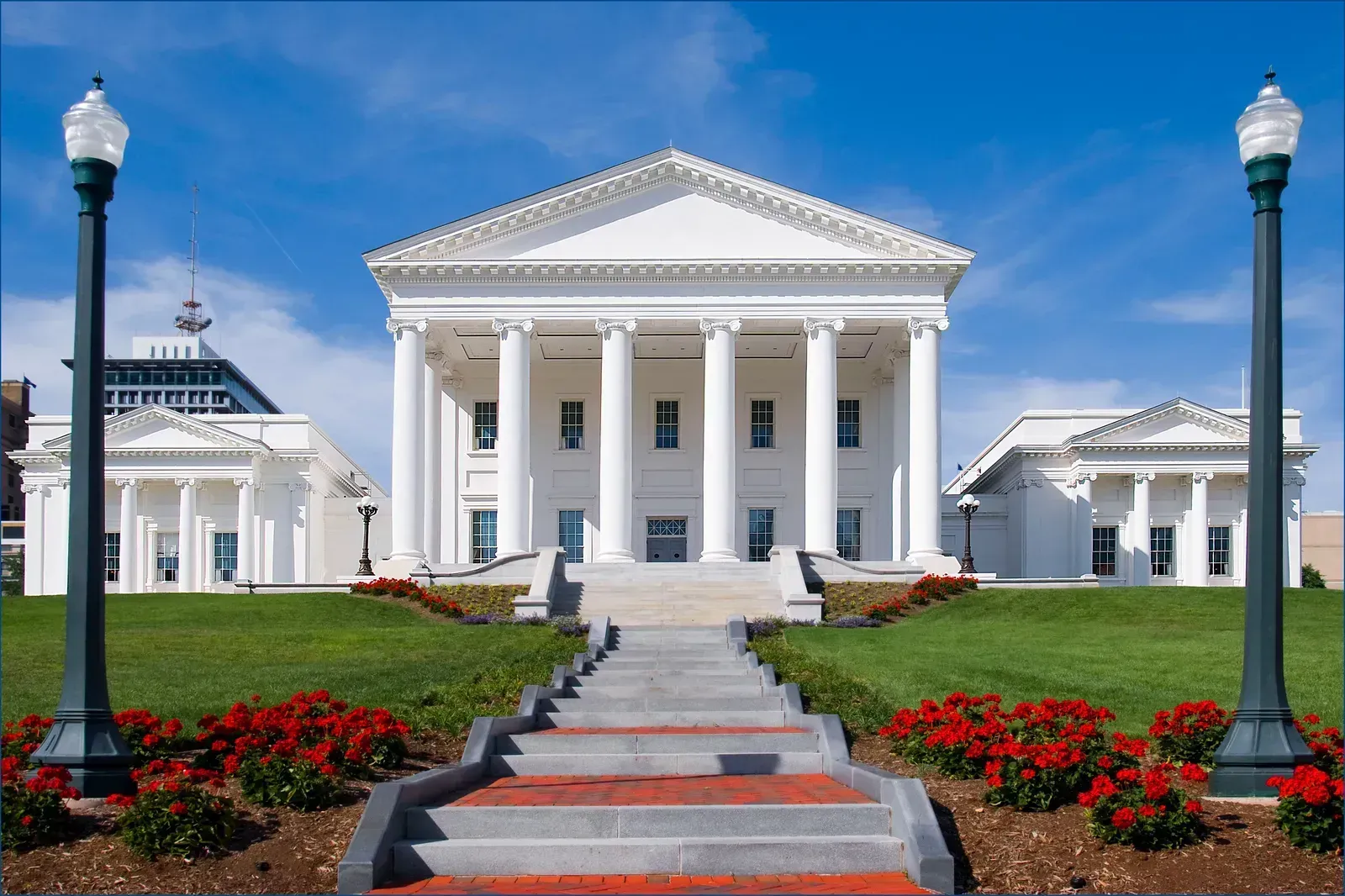
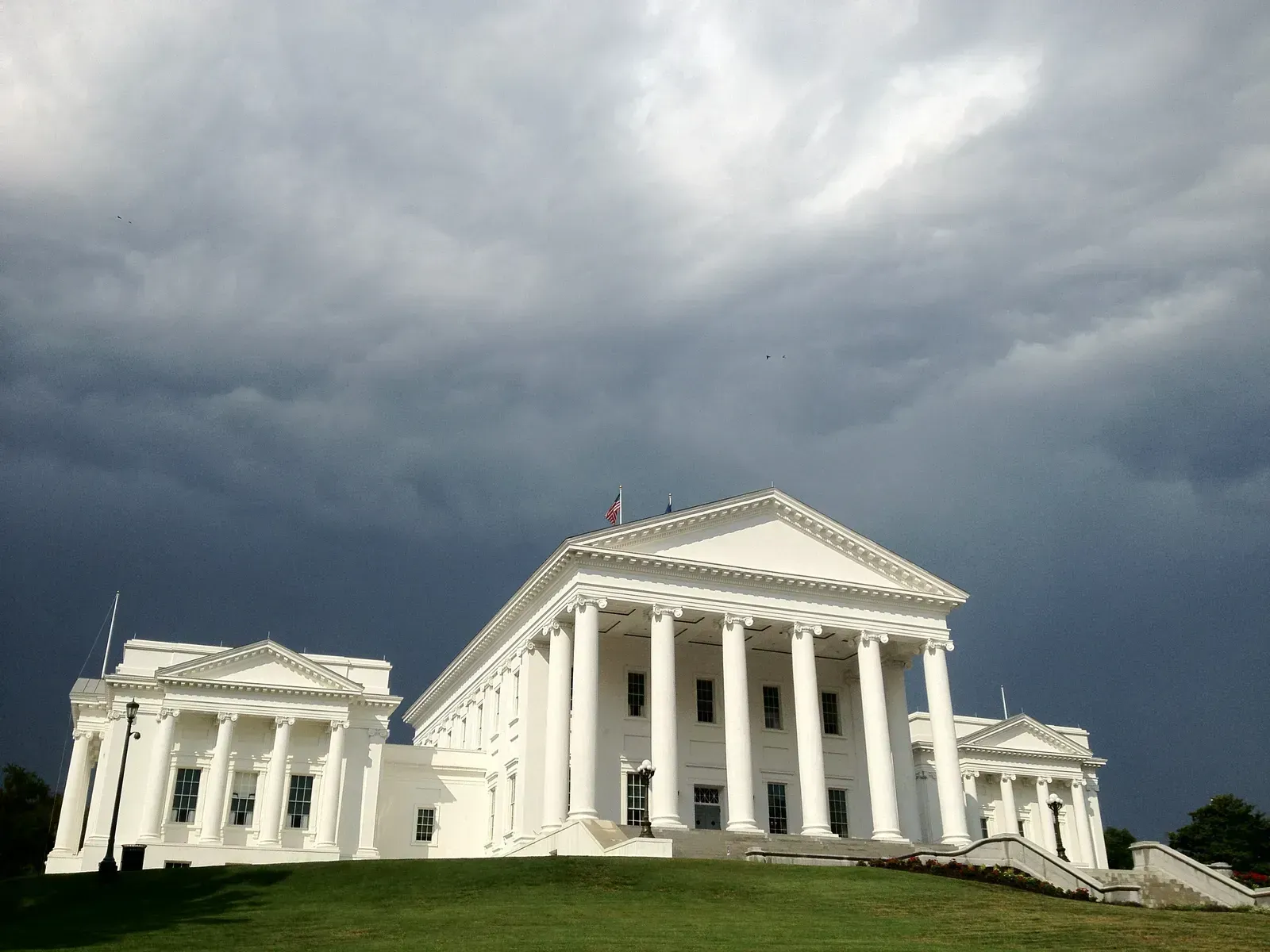
Thomas Jefferson designed the Virginia Capitol, basing it on the Maison Carrée, a Roman temple in Nîmes, France. Construction began in the 1780s, and the building helped spread classical styling across American public architecture.
Inside, a lifelike statue of George Washington by Jean Antoine Houdon stands in the rotunda. Wings added in the early 2000s expanded the visitor space, so the historic core now has room to breathe.
Planning Your Own Capitol Visit
Many state capitols offer free tours, but hours, security screening, and access to areas like domes and observation decks can change. Check each building’s official website before you travel.
If you’re building a list, start with the capitol nearest you and work outward. Each one shows a different slice of the state that built it.





Leave a Reply