
Every year, millions of Americans pack their bags and head abroad, chasing new horizons, cheaper living costs, or simply an escape from the familiar. Some land somewhere that feels like a warm embrace from a stranger. Others step off the plane into a chilly silence they hadn’t anticipated. The world is a big, complicated place, and not every country rolls out the same welcome mat for a U.S. passport holder.
Honestly, the difference between a dream trip and a stressful one can come down to something as simple as where the locals stand on Americans. So whether you’re planning a two-week vacation, a year abroad, or a full-blown relocation, this guide is worth reading in full. Some of what’s coming might genuinely surprise you. Let’s dive in.
Ireland: The Most Genuine Hug You’ll Get in Europe

Here’s the thing about Ireland – it doesn’t just tolerate American tourists, it actually needs them. By May 2024, American tourists accounted for roughly one in five of all foreign visitors to Ireland. That’s a staggering share for a single source country, and it speaks volumes about the depth of the relationship. The Irish have always maintained a special connection with Americans, largely rooted in shared history and the millions of Irish-Americans who call the United States home.
In 2024 alone, 1.24 million U.S. visitors arrived in Ireland, a nine percent increase on the year before. American and Canadian visitors spent an average of over €1,500 per person while in Ireland in 2024, nearly triple what the average British visitor spent. That’s not just warmth – that’s a relationship built on genuine mutual appreciation, and locals feel it too.
Italy: Where Americans Feel Like Honored Guests
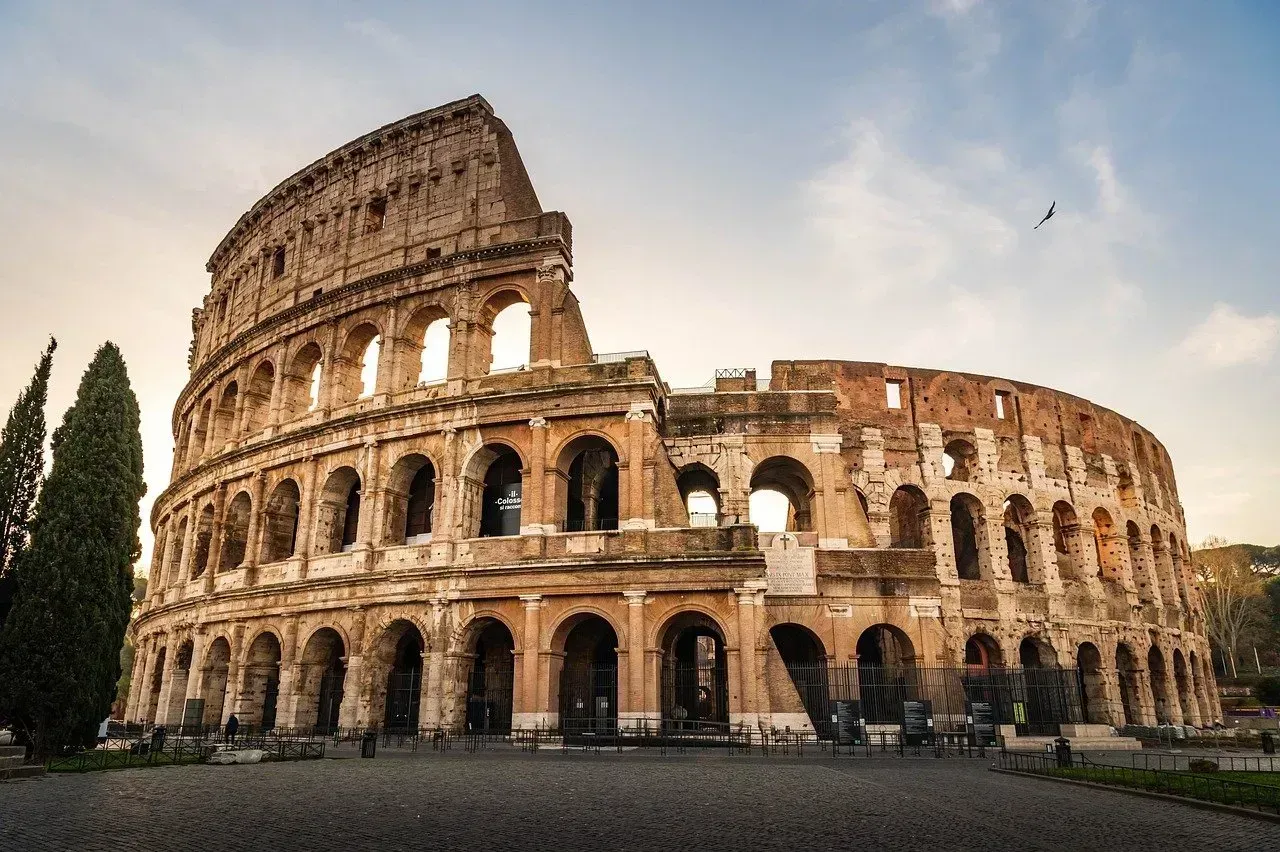
A study polled over 2,200 residents across 22 European countries to understand current perceptions of American travelers in 2025. Italy came out near the very top. Just two percent of Italians said their country is unwelcoming to Americans – a remarkably low number that reflects something deeply cultural. Italians adore the curiosity of American tourists when it comes to experiencing Italian culture, and they love the way Americans enjoy their food, with another strong connection being historical – they remain grateful to the United States for helping save the country at the end of World War II.
Italy is among the top ten American-friendly European countries, with roughly three in five Italians holding a favorable view of Americans. Italian warmth toward Americans creates an atmosphere where visitors feel like honored guests rather than mere tourists. I think that’s one of the most underrated compliments any country can receive. It means the warmth is real, not just commercial politeness.
Portugal: Europe’s Rising Star for American Travelers

Portugal is a top choice for American travelers in 2025, welcoming over a million U.S. visitors in just the first half of 2024 alone. It ranked number one in the 2025 Global Retirement Report by the Global Intelligence Unit, and sits at seventh place on the Global Peace Index. That’s a powerful combination for anyone considering a longer stay. The Portuguese people are known for their friendliness and warmth, with many speaking at least rudimentary English, especially in more populated areas.
The Algarve, along Portugal’s south coast, has beautiful cliff-side beaches and cobblestone-streeted towns, and recently brought travel agents from the United States directly to the region to experience its beauty firsthand – so those agents could confidently recommend it to American clients seeking a European destination free from hostility. A new direct flight connecting the Algarve’s capital, Faro, and New York launched in the summer of 2025, making access even easier for American travelers. Portugal is quietly becoming one of the most intelligently pro-American countries on the continent.
Vietnam: Surprisingly Warm, Given the History

I know it sounds crazy, but Vietnam consistently ranks as one of the friendliest countries in the world for Americans. According to Pew Research Center data, a full 84 percent of Vietnamese people interviewed showed positive inclinations toward Americans – a number that dwarfs many of America’s closest Western allies. Vietnam shows high levels of positive sentiment toward Americans according to research, with Vietnamese people giving visiting Americans such a warm welcome that many feel very comfortable, almost at home when visiting.
There is a deep appreciation in South Vietnam for America’s historical involvement, while in the North there is no real resentment – after all, the U.S. was just one of many brief invasions the country has experienced over thousands of years. The Chinese, Japanese, and French, among others, stayed much longer. In a nutshell, the Vietnamese are incredibly forgiving and welcoming. That’s a kind of cultural generosity that’s genuinely humbling when you stop to think about it.
Panama: The Gold Standard for American Expats
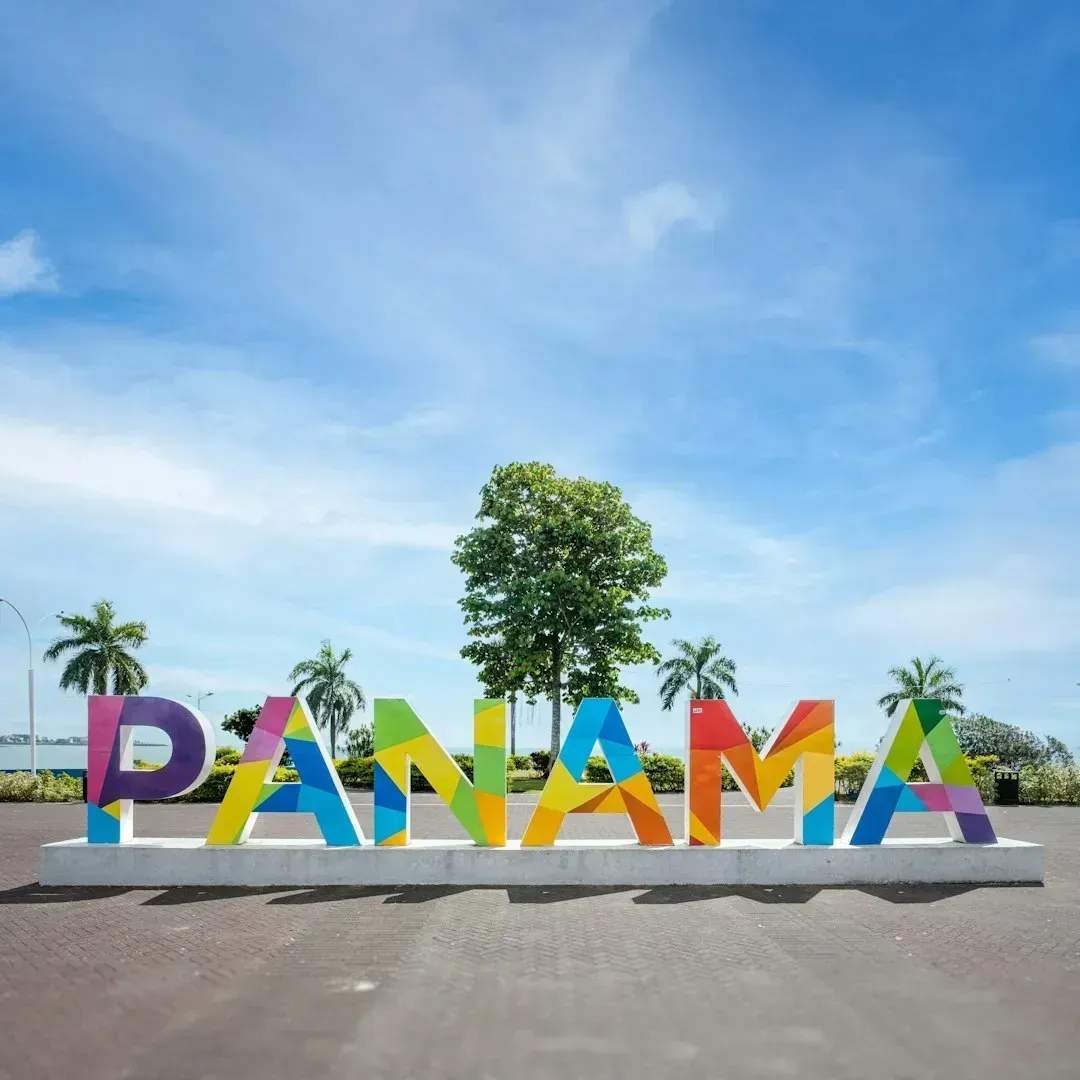
Panama might not be the first country that jumps to mind, but the data tells a compelling story. Panama topped the InterNations Expat Insider list as the friendliest country for expats in 2024, with expats particularly loving the affordable housing, great weather, and easy visa process. Let’s be real – that’s a hard combination to beat anywhere in the world. The cost of living is much lower than in the U.S., and Panama’s quality of life and level of human development are among the highest in Central America.
Think of Panama like a well-kept secret that the expat community has already figured out. The country has long had close ties with the United States – it literally uses the U.S. dollar as its currency. That familiarity translates into a comfort level for American visitors that few other countries in the region can match. It’s not just friendly, it’s practically designed for Americans abroad.
Russia: A Place Where Americans Should Not Go Right Now
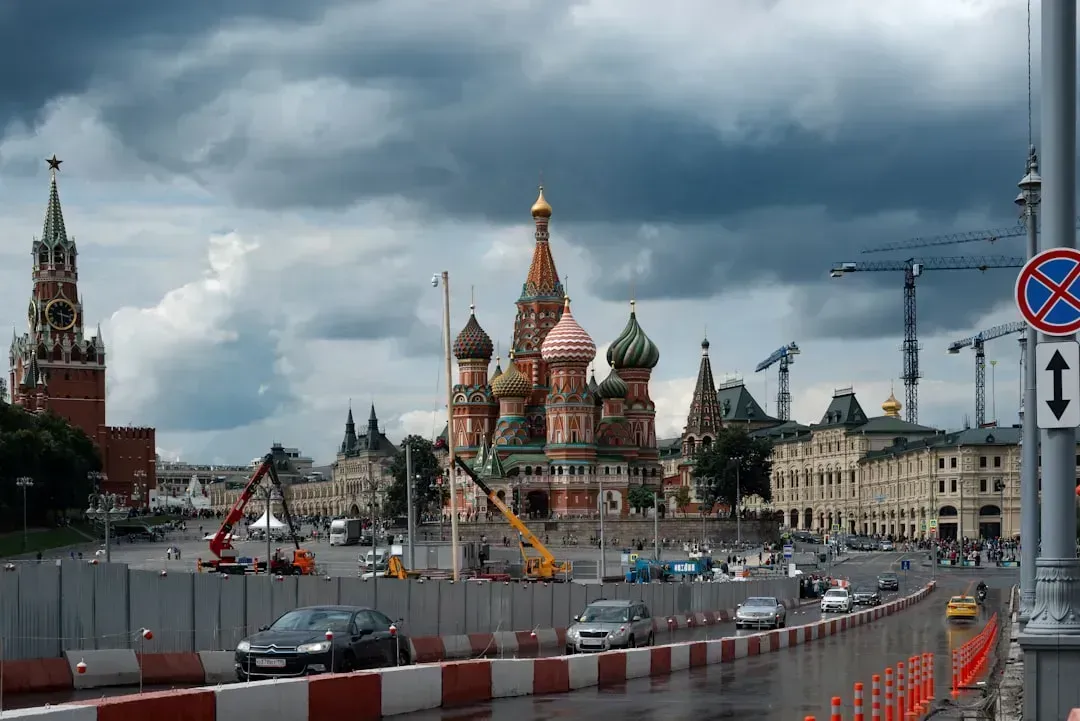
Now for the countries you may seriously want to reconsider. Russia sits near the top of any honest list of dangerous destinations for Americans. A Department of State advisory warns U.S. citizens not to travel to Russia due to the consequences of the full-scale invasion of Ukraine, and has determined there is a continued risk of wrongful detention of U.S. nationals by Russian authorities. That’s not diplomatic language – it’s a genuine warning. Russia appears on the Level 4 list in part because of arbitrary or wrongful detention concerns.
Limited assistance with unlawful detentions, deliberate targeting of U.S. passport holders, and limited flight alternatives are among the specific reasons the U.S. State Department warns against travel to Russia. There is little indication that Russia’s domestic security situation will improve in the near term, and travelers should expect Russia to remain under Level 4 “Do Not Travel” advisories in 2026. Visiting right now means accepting a level of personal risk that no vacation or business trip is worth.
North Korea: The One Country Where American Travel Is Legally Off-Limits

North Korea is in a category entirely by itself. North Korea is the only country that legally bans American travel under U.S. law. The U.S. Department of State enacted the restriction in September 2017 following the death of American student Otto Warmbier, and U.S. passports now require special validation for North Korea, granted mainly to journalists and humanitarian workers. This isn’t just a strong advisory – it is a legal restriction.
The risks cited for North Korea include the risk of long-term detention, a complete lack of diplomatic relations, and severe restrictions on movement. North Korea remained a Level 4 “Do Not Travel” country due to risks of wrongful detention and political instability. There is essentially no safety net for an American who ends up in trouble there. No embassy, no consular assistance, no real path to help. It’s one of those rare places where the word “avoid” barely captures the seriousness.
Venezuela: Political Chaos and Real Physical Danger

Venezuela is, by most credible accounts, one of the most genuinely dangerous countries on earth for a U.S. passport holder. Despite its natural beauty and cultural allure, it is one of the most dangerous countries due to rampant crime and political instability. Armed robbery, carjacking, and kidnappings are common, and the judicial system rarely prosecutes criminals. That’s a brutal combination for any traveler, let alone an American.
Venezuela was placed under a Level 4 advisory as of December 2025, just before a U.S. military operation in January 2026 that launched airstrikes into the country and took President Nicolás Maduro and his wife into custody on narco-terrorism, drug-trafficking and weapons charges. The State Department specifically cites political instability, crime, arbitrary detention, and collapse of infrastructure as reasons for its Level 4 designation. The situation remains deeply unpredictable as of early 2026.



Leave a Reply