
Something shifted permanently after the pandemic. Millions of people who had spent years chained to offices discovered they could do the same job from a beach in Bali, a rooftop in Medellín, or a cobblestone cafe in Lisbon. It sounded like freedom, and honestly, it was. Globally, an estimated 40 million people were living as digital nomads by 2025, roughly doubling from around 20 million just a few years prior. That’s not a trend. That’s a population movement.
The cities that welcomed these laptop-carrying wanderers got something they didn’t entirely bargain for: a housing crisis. An influx of digital nomads to major cities has raised alarms about increased rents, displacement, and gentrification. What follows is a look at ten cities where that influx sent rents soaring, sometimes past the point of no return for locals. Let’s dive in.
Mexico City, Mexico: The Canary in the Coal Mine

Mexico City was one of the first to feel it, and it hit hard. Rents in the most popular nomad and expat hubs have all seen rent increases that outpace inflation, and rents in Mexico City are reported to have risen by over 50% since October 2021. That’s not a slow creep. That’s a shockwave.
An anti-gentrification protest in Mexico City highlighted local frustration with housing availability and affordability becoming untenable for locals, who can’t compete with expat and digital nomad dollars. Mexico City’s mayor has since announced a plan to manage gentrification in the city, including regulations restricting rent increases. The city became a symbol of what happens when the global remote work revolution lands in a place that simply wasn’t prepared for the demand.
Medellín, Colombia: The City of Eternal Spring Turns Complicated
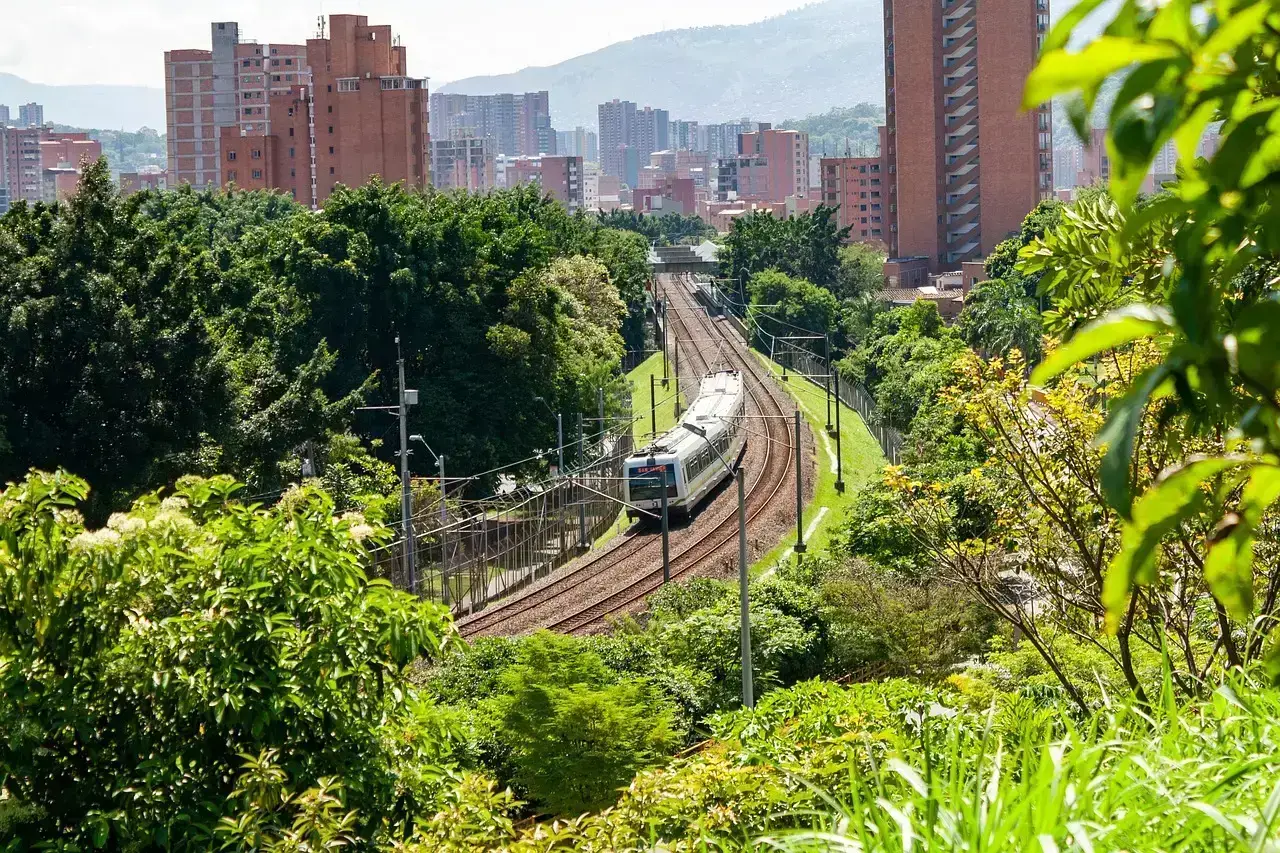
Medellín’s transformation story was supposed to be one of inspiration. Once a city synonymous with violence, it reinvented itself as a tech hub and cultural gem. Then came the nomads. In the high-income barrio of Laureles, rent prices increased by 80% in the first four months of 2023. Eighty percent. In four months. Think about that.
AirDNA noted that listings on Airbnb and Vrbo platforms jumped by 45% to 12,372 in June, up from 8,532 the year before. Cities like Medellín have seen a rise in short-term rental properties tailored to remote workers, which can reduce the availability of long-term housing for locals. The nomad dream collided directly with local reality, and the collision wasn’t pretty.
Lisbon, Portugal: Europe’s Most Beloved Victim of Its Own Success
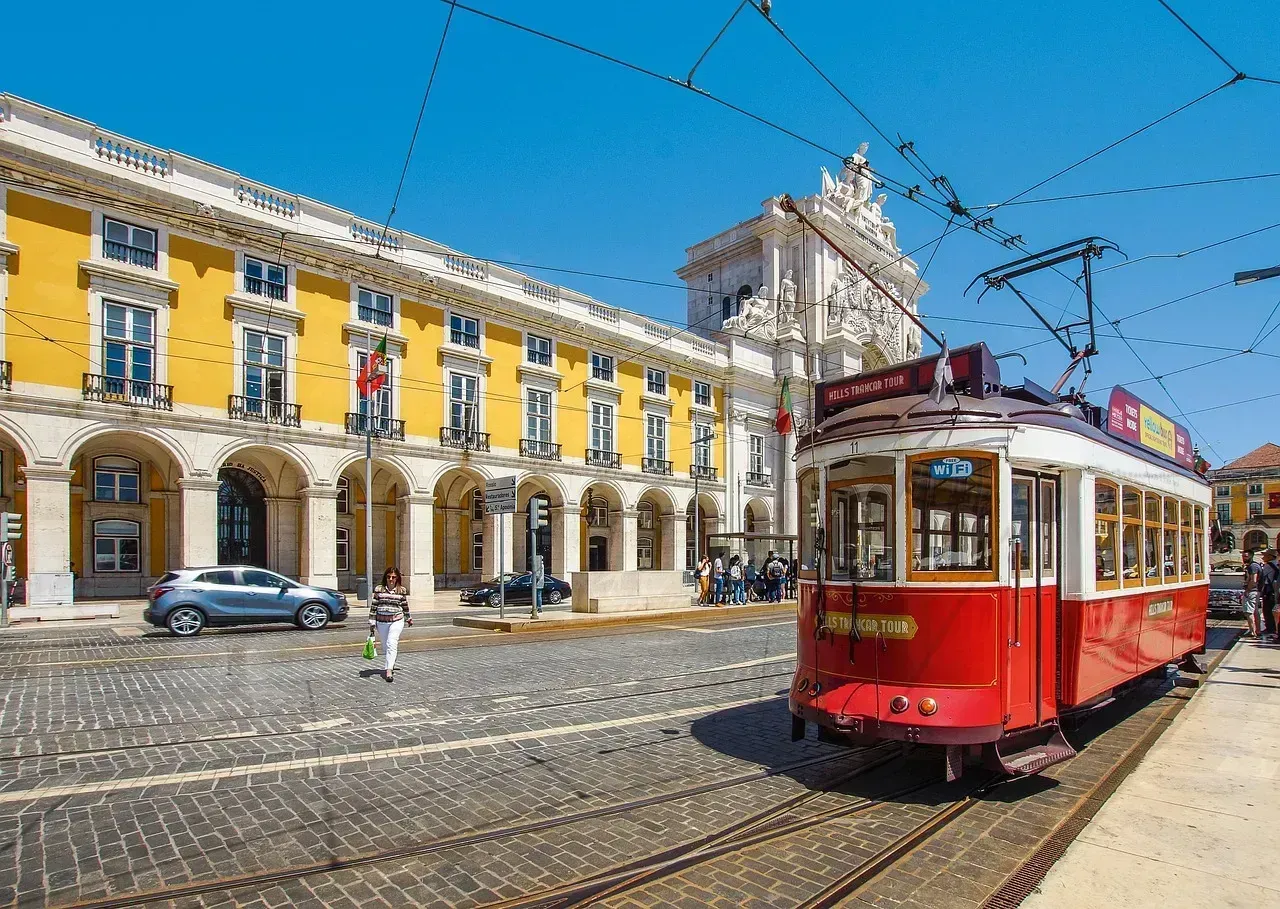
Lisbon became a kind of shorthand for everything the digital nomad lifestyle promised: ocean breezes, affordable wine, pastel-colored streets, and fast Wi-Fi. Lisbon became a top choice for digital nomads due to its vibrant culture, affordable living, and robust tech scene, with a booming coworking scene providing ample opportunities for networking and collaboration. It was almost too perfect.
Rising rents in Lisbon have sparked gentrification debates, and it’s easy to see why. In Portugal, where average wages hover below $20,000, this trend is particularly concerning, as affordable housing options become increasingly elusive for locals. Rising housing costs due to popularity are now listed openly as a downside of the city, a sentence that would have seemed absurd in 2018.
Barcelona, Spain: Protests in the Streets

Barcelona didn’t just develop a housing problem. It developed a cultural crisis. Locals began pushing back openly and loudly. In Barcelona, the influx of nomads and tourists sparked a backlash, resulting in protests and concerns over overcrowding, escalating rents, and the erosion of local identity. You don’t get street protests unless people are genuinely suffering.
With the recent introduction of the Spanish digital nomad visa in 2023, Spain became a top destination in Europe for digital nomads in 2024. Barcelona, as Spain’s most internationally recognized city, bore the brunt of that attention. The city that practically invented the concept of Mediterranean urban coolness now finds itself wrestling with the unintended consequences of its own appeal.
Bali, Indonesia: Paradise With a Price Problem

Bali is perhaps the single most iconic name in the digital nomad universe. The image of someone typing away on a laptop in Canggu, surrounded by rice paddies and yoga studios, became almost a cliché. The island has seen a surge in coworking developments, particularly in Canggu, Ubud, and Seminyak, where the digital community is well established. That demand, though, came at a cost for everyone who actually lived there already.
Rising prices and increasing tourist volumes have made some nomads look elsewhere. For those who do stay, Bali continues to offer a unique mix of wellness culture, scenic backdrops, and a globally connected peer network. Bali is now a popular digital nomad destination with rising rents, tourist-driven inflation, and hidden costs. The island that once felt like a secret has become, in housing terms, anything but affordable.
Tbilisi, Georgia: The Affordable Option That’s Getting Less So
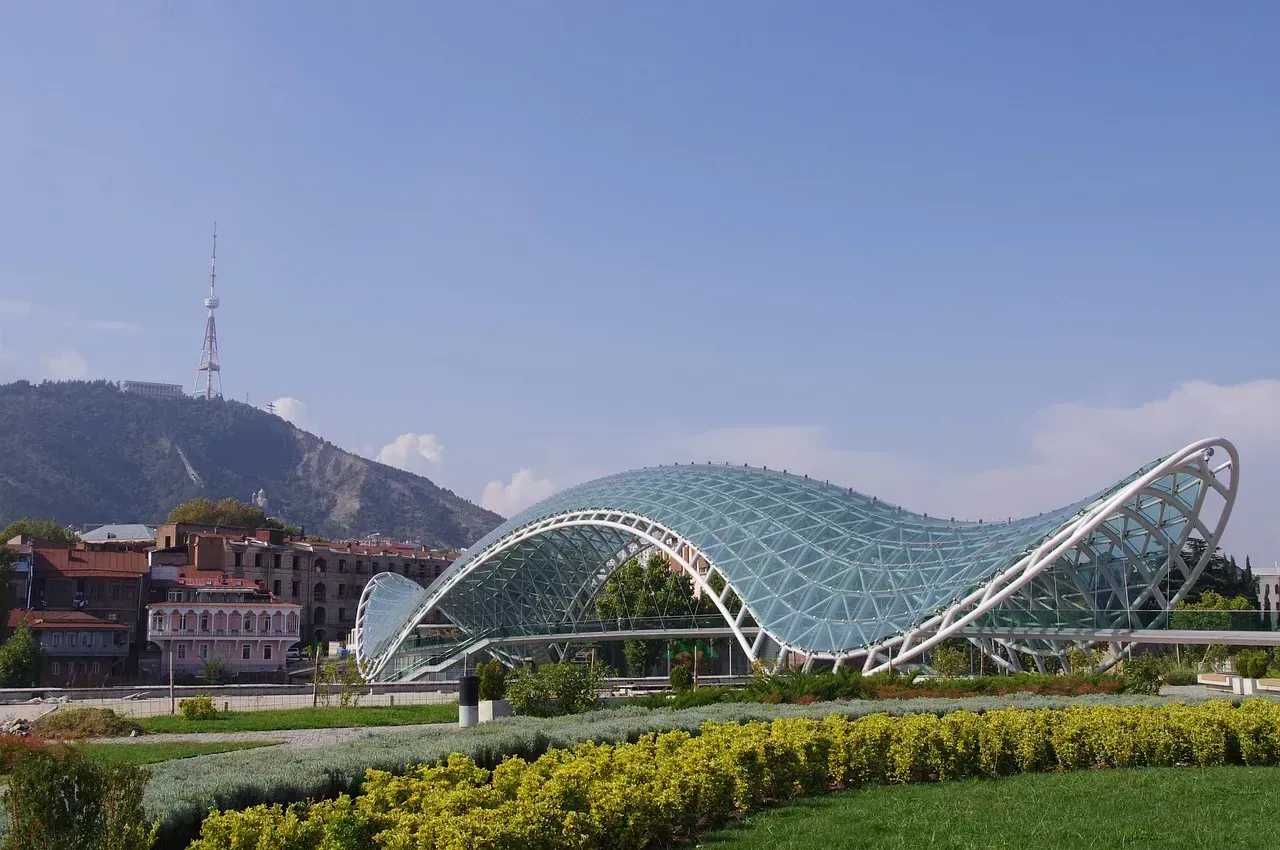
Tbilisi became the darling alternative to the overcrowded, overpriced classics. It offered something rare: genuine affordability, a stunning old town, remarkable wine, and remarkably relaxed visa rules. Georgia allows visa-free stays up to a year for many nationalities and offers a 1% tax rate for freelancers earning under $165,000 annually. That combination was almost irresistible for the nomad crowd.
Tbilisi offers a compelling mix of low living costs and a growing digital infrastructure, with monthly expenses for digital nomads ranging from $800 to $1,500. Tbilisi is gaining popularity for its affordability, rich culture, and generous digital nomad visa program. The problem is that popularity itself is the mechanism that erodes affordability. It’s a self-defeating cycle, and Tbilisi is now well into that loop.
Chiang Mai, Thailand: Asia’s OG Nomad Hub Under Pressure

If Lisbon is the European icon, Chiang Mai is the Asian original. It was practically inventing the digital nomad scene before most people had heard the term. Chiang Mai has long been a favorite among digital nomads, offering a low cost of living, thriving expat community, and excellent food, and in 2025 it’s continue its reign, especially with the introduction of new co-living spaces designed for remote workers.
Bali, Chiang Mai, and Lisbon used to top every list, but in 2025, digital nomads were rethinking their go-to spots, as rising prices, local pushback, and visa crackdowns are making once-popular destinations less appealing. Chiang Mai remains deeply popular, which is precisely why housing pressures have mounted steadily over the years, pushing local renters into neighborhoods further and further from the city center.
Buenos Aires, Argentina: Currency Games and Rent Spikes
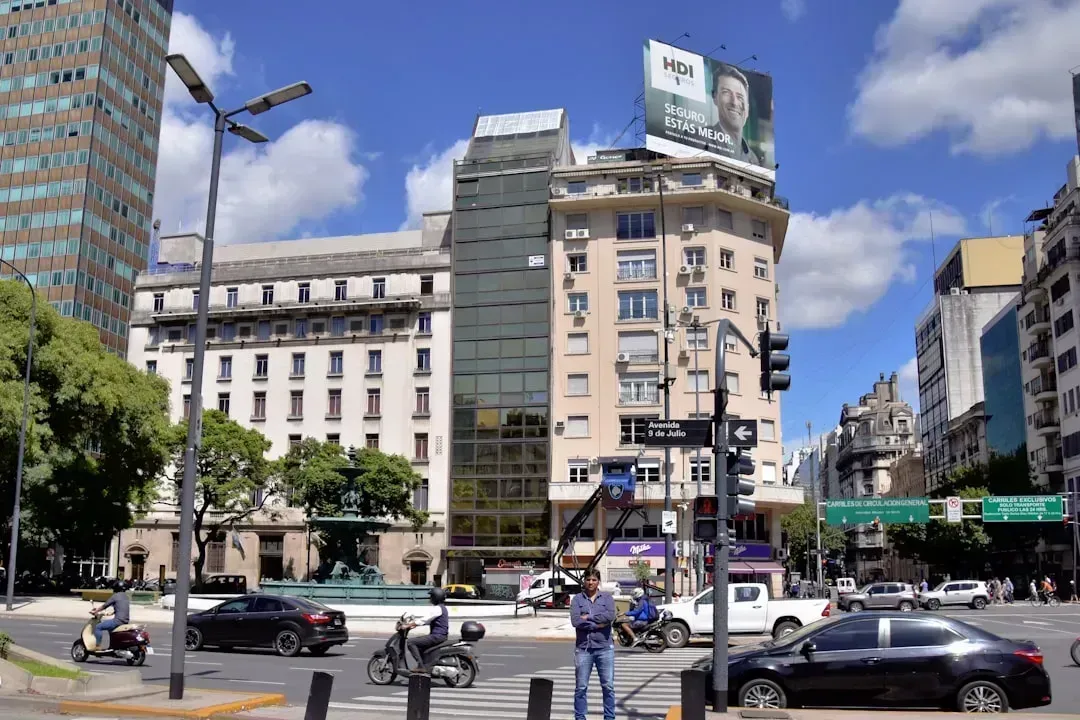
Buenos Aires is a fascinating and slightly unusual case. The city’s appeal to digital nomads skyrocketed largely because of Argentina’s currency instability. Nomads paying in dollars or euros could live extraordinarily well on a modest income by Western standards. Buenos Aires became recognized as a cultural hub with low costs due to currency exchange advantages. For locals earning in pesos, the picture looked completely different.
In 2024, there were an estimated 35 million people globally who identified as digital nomads, with an estimated spending power of over $700 billion USD annually, with the US, Canada, UK, and Germany accounting for nearly two thirds of all nomads. When those dollar-wielding nomads flood a market like Buenos Aires, landlords quickly learn to price accordingly, abandoning long-term peso-denominated leases for dollar-priced short-term rentals that locals simply cannot compete with.
Cape Town, South Africa: Stunning Scenery, Soaring Rents
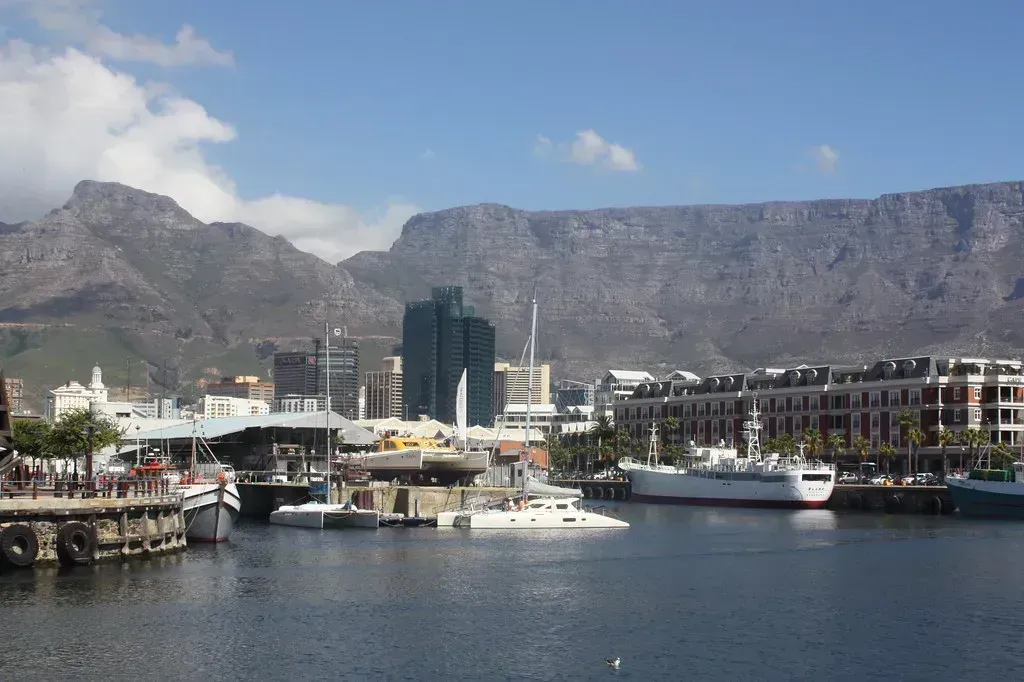
Cape Town is one of those cities that seems almost engineered to attract creative, mobile workers. Mountain views, ocean access, a vibrant food scene, improving digital infrastructure. The city offers a digital nomad visa and a lifestyle mix few places can match. However, rising rents and local gentrification have created friction. That friction is a polite word for what is, in reality, a serious affordability crisis for ordinary residents.
Digital nomads are reshaping housing markets in many sought-after destinations by increasing demand for short-term rentals and higher-end accommodations, and their typically higher incomes often drive up rental prices, making it more challenging for local residents to afford housing. In a city already shaped by deep economic inequality, the pressure applied by a wealthier incoming class of remote workers amplifies existing disparities in ways that demand urgent policy attention.
Playa del Carmen, Mexico: The Beach Town That Priced Out Its Own People
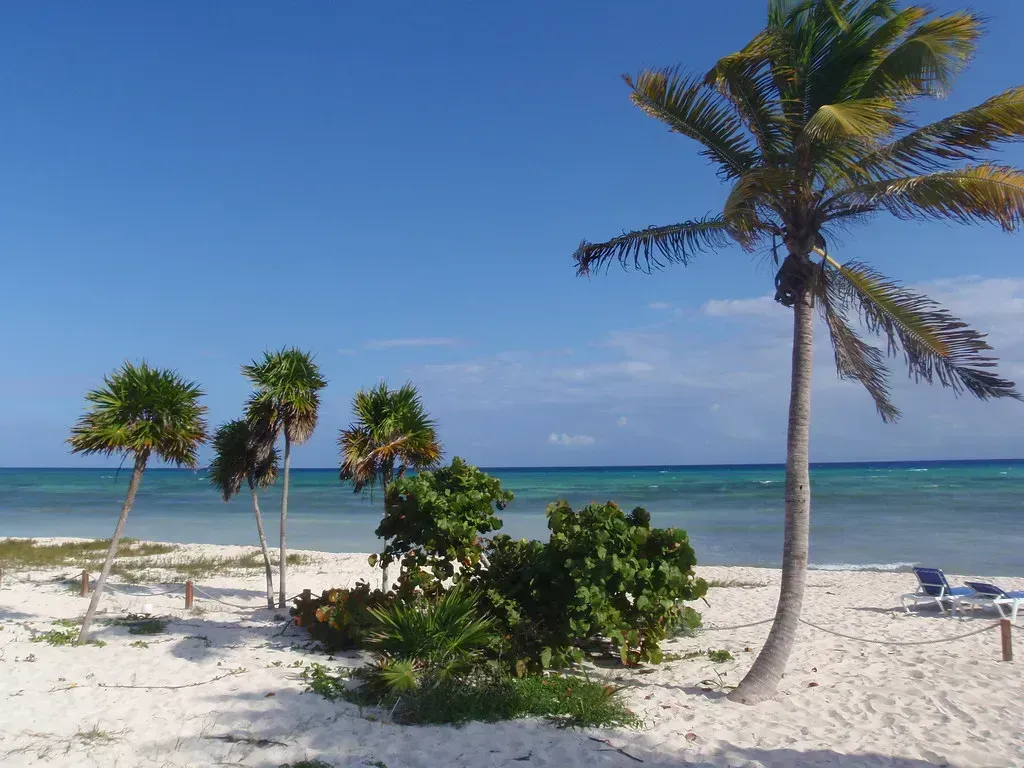
Playa del Carmen is a slightly different story from Mexico City, but no less striking. This Caribbean coastal town long served as a chill backpacker stopover. Then it discovered coworking spaces and fiber internet. Mexico continues to be a top choice for North American digital nomads, especially those seeking proximity to the U.S. and a lower cost of living. Mexico City, Oaxaca, and Playa del Carmen are home to established nomad communities and a steady supply of coworking spaces, cafes with fast Wi-Fi, and temporary visa options.
Long-term rentals are up across major cities, with more than half of Mexico’s Airbnbs booked for 30-plus night stays, over 60% in Medellín, and over 40% in Lima. In beach towns like Playa del Carmen, this conversion of residential stock into short-term rentals priced for foreign earners has pushed entire communities of local workers into distant suburbs with no reliable transit. The sand and sea remain, but the soul of a neighborhood can be remarkably fragile when the economics shift underneath it. What would you think if your own neighborhood changed beyond recognition in just three years?




Leave a Reply