
Retirement tends to arrive with a quiet assumption: finally, more time together. For many couples, that turns out to be both the best and the trickiest part. Spending nearly every hour in the same house is a very different thing from sharing evenings and weekends.
Researchers who study later life relationships have long noted that the shift out of work can reshape marriages, for better or worse. Couples who describe themselves as content often point to small, ordinary habits rather than grand gestures. Here are seven of the most common ones.
Keeping Separate Interests Alive
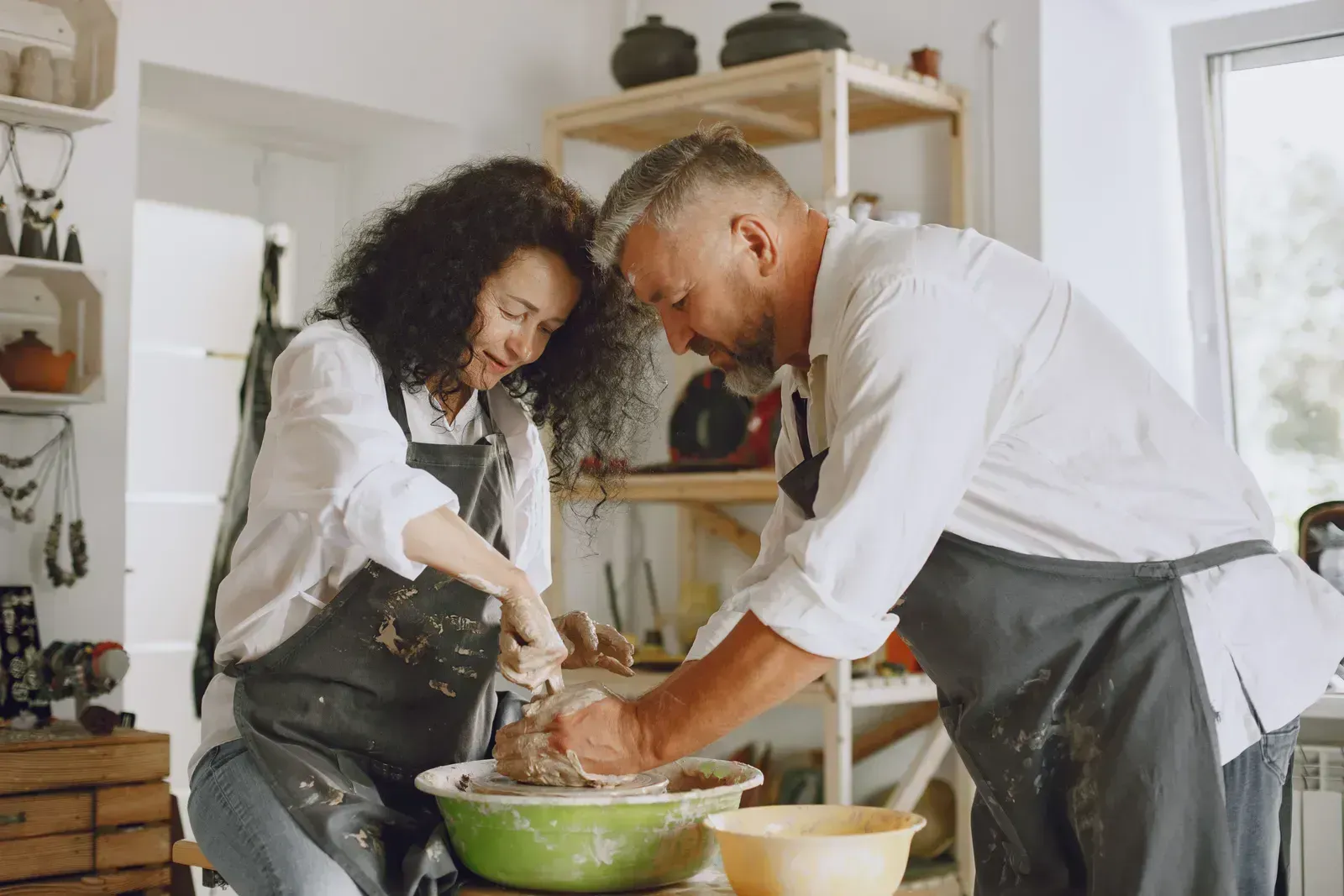
Many retired couples say they stay happier when each person keeps a hobby or pursuit that’s their own. One might garden or volunteer while the other walks, paints, or meets friends for coffee. It’s less about avoiding each other and more about having something to talk about at dinner.
Relationship researchers often describe this as maintaining individual identity inside a partnership. When work disappears, so does a big piece of how people define themselves. Holding on to personal interests helps fill that gap without leaning on a spouse to do it.
Building In Time Apart on Purpose

Time apart doesn’t happen automatically once both people are home all day. Couples who report fewer irritations tend to schedule it, whether that’s a morning at the library, a golf round, or a weekly lunch with friends. Some simply agree that an afternoon is quiet time in separate rooms.
Studies on retirement adjustment have found that spouses can feel crowded when one partner suddenly occupies the other’s daily space. Planned breathing room helps prevent that. It also makes reunions at the end of the day feel a little more welcome.
Dividing Household Tasks Clearly
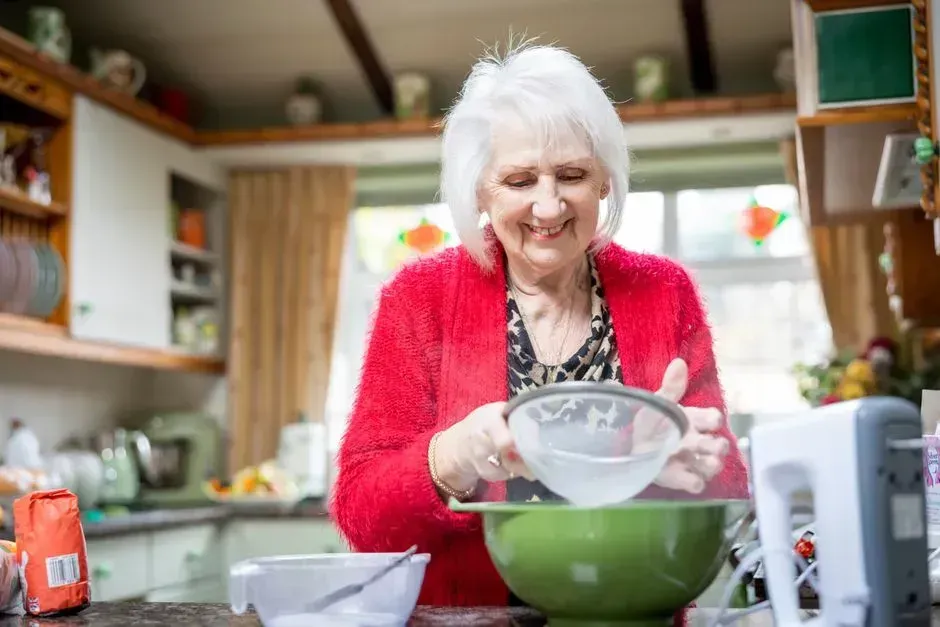
Chores are a classic source of friction, and retirement can blur who does what. Couples who get along well often sit down and divide tasks again rather than letting old patterns drift. One person may take cooking and the other laundry, or they may rotate weekly.
Research on marital satisfaction in older adults has repeatedly linked perceived fairness in household work to happier relationships. The key seems to be that both partners feel the arrangement is reasonable. Clear expectations beat quiet resentment every time.
Talking Openly About Expectations

Plenty of couples admit they never discussed what retirement would look like. One partner pictured travel, the other pictured staying home. Those who avoid friction usually talk about money, schedules, and goals early, then check in again as things change.
Financial planners and counselors who work with retirees commonly encourage this kind of conversation before and after leaving work. Differences in spending comfort or activity level are normal. Naming them early keeps them from turning into slow, repeated arguments.
Giving Each Other Space to Be Annoying

Some of the most relaxed couples say they simply let small habits go. The chewing, the humming, the way the dishwasher gets loaded, none of it is worth a fight after decades together. A bit of humor tends to help.
This lines up with long running research on marriage showing that how couples handle everyday irritations matters more than whether irritations exist. Gentle tones and a willingness to let minor things slide are associated with more stable relationships. Choosing which battles matter is a skill, and many retirees say they’ve gotten better at it.
Staying Socially Connected Beyond the Marriage

Couples who lean only on each other for company often feel the strain. Those who keep up friendships, family ties, clubs, faith communities, or volunteer roles spread that emotional load around. Neither person has to be the other’s entire social world.
Public health research has tied social connection in later life to better wellbeing, and loneliness to worse outcomes. A wider circle also gives couples fresh stories to share. That alone can make home feel less repetitive.
Building New Routines Together

Finally, many retired couples say shared routines keep things steady. A morning walk, a weekly dinner out, a standing game night, or a project like learning a language gives the days some shape. It’s time together that feels chosen rather than simply default.
Working life used to supply structure for free, and its absence can feel unsettling. Couples who create their own rhythm, while leaving room for flexibility, tend to report less restlessness. A few reliable rituals can make the long, open days feel comfortable.




Leave a Reply