
A trip to the grocery store used to be fairly straightforward. You walked in, found what you needed, paid a cashier, and left. That experience has changed considerably over the last several years, and not always in ways that feel like improvements. Prices are higher, the checkout process has gotten more complicated, and some familiar products keep quietly getting smaller.
More than half of Americans say they are stressed about food costs, with over half of those surveyed describing grocery costs as a “major” source of stress. The frustration isn’t just about money, though. It’s also about trust, convenience, and the slow erosion of a shopping experience that used to feel reliable. Here are the eight shifts Americans point to most often.
1. Relentless Price Increases That Just Won’t Let Up
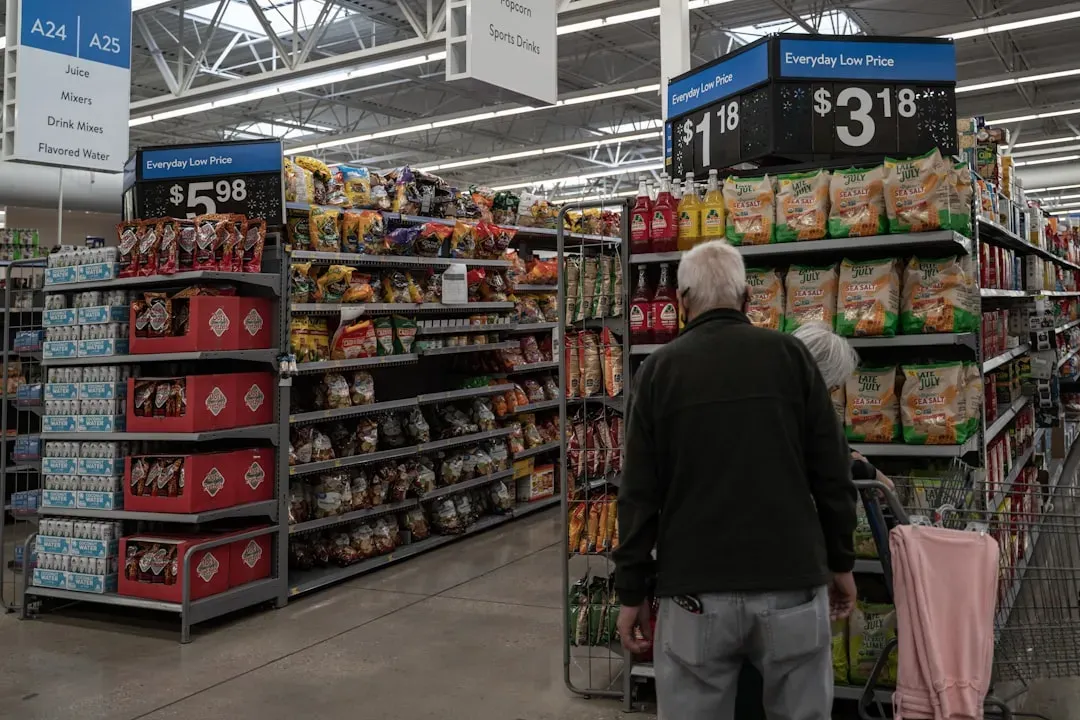
Between 2020 and 2024, an average family of four spent an additional $8,300 on groceries over the period, according to estimates from the Center for American Progress. That number captures something most shoppers already feel in their gut every time they get to the register. The cumulative impact of years of food inflation doesn’t disappear just because monthly inflation figures look smaller.
One in three consumers bought fewer groceries in 2024 versus 2023, with price being the top reason. Just over half of shoppers felt that food inflation worsened in 2024. That shared sense of being squeezed has reshaped how Americans shop, pushing many toward store brands, discount chains, and smaller basket sizes.
2. Shrinkflation: Paying the Same for Less
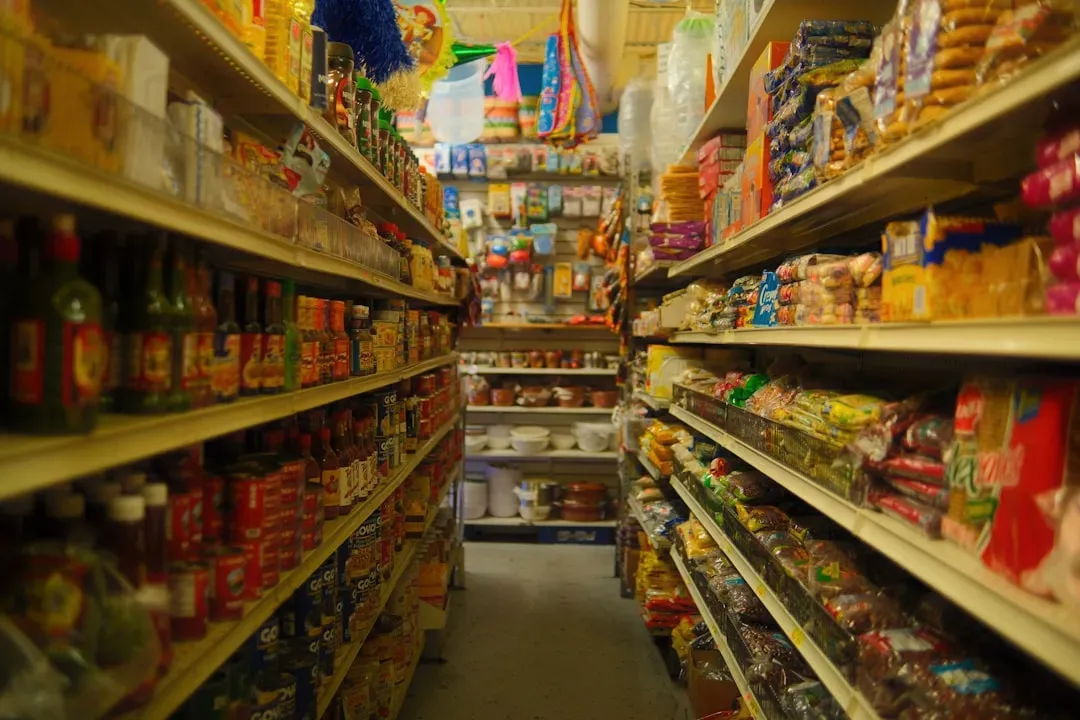
Over three-quarters of surveyed consumers say they have noticed shrinkflation at the grocery store in the previous 30 days, according to the October 2024 Consumer Food Insights Report from Purdue University. The practice, where manufacturers quietly reduce the size or quantity of a product while keeping the price the same, has become one of the defining frustrations of modern grocery shopping.
One industry analysis of 100 common grocery products found that roughly one third had shrunken in size between 2019 and 2024. Of the consumers who noticed shrinkflation, nearly four in five reported observing it in snack foods, and more than half spotted it in packaged desserts and sweets. Just under half also said they had seen it in frozen foods. It’s the kind of change that’s easy to miss in the moment but impossible to ignore once you start looking at unit prices.
3. The Self-Checkout Takeover
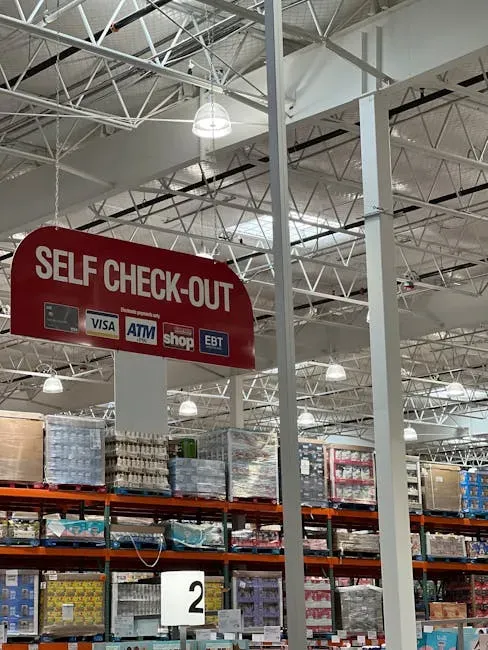
Retailers once heralded self-checkout as the ultimate solution for speed and efficiency. Yet in 2026, the reality for many shoppers feels like the exact opposite, with long lines, only one traditional checkout lane actually open, and what was promised as a frictionless experience becoming an error-prone chore. The frustration is well-documented and growing.
A BrightLocal review analysis noted that negative store feedback mentioning “self-checkout frustrations” rose from 9% of complaints in 2022 to 17% in 2024. Some states are now looking into the issue amid consumer complaints about the machines, with lawmakers in Massachusetts proposing a bill that would limit the number of self-checkout lanes at grocery stores and require a store employee to supervise them. The machines were meant to make shopping faster. For many people, they’ve done the opposite.
4. The Disappearance of Human Cashiers
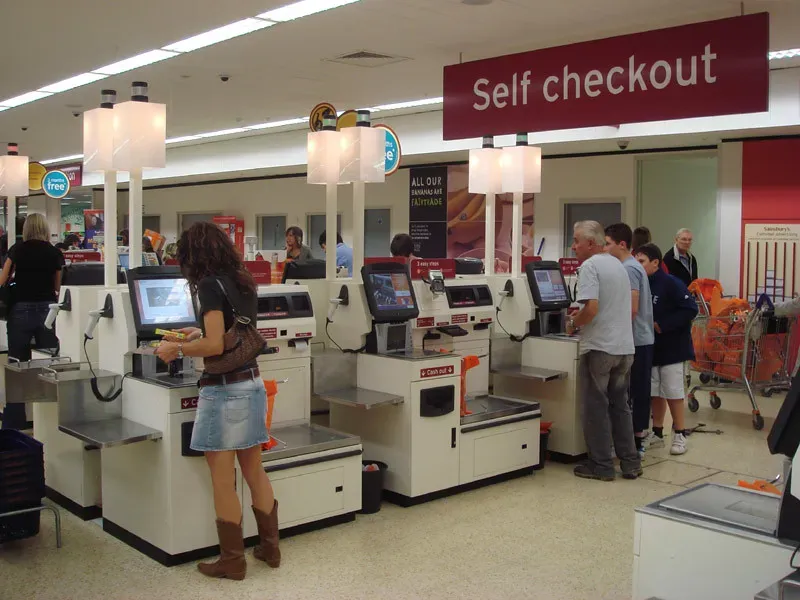
The cascading problems at the front of the store include how some big-box and grocery chains have cut labor so drastically that just one cashier remains in a traditional lane, with everyone else funneled to self-checkout kiosks. The reduction in staffed lanes is something shoppers notice immediately, especially during busy periods when the kiosk area turns into a bottleneck.
There was once a time when grocery stores had long rows of checkout lanes with cashiers and baggers working side by side. Many stores have replaced them, and shoppers are now more likely to see lanes with self-checkout kiosks, forcing them to scan each item and deal with any issues themselves. The loss of the bagger role in particular has drawn consistent complaints, with customers now responsible for organizing fragile items themselves, often in cramped bagging areas.
5. Loyalty Card Lock-In and Gated Pricing
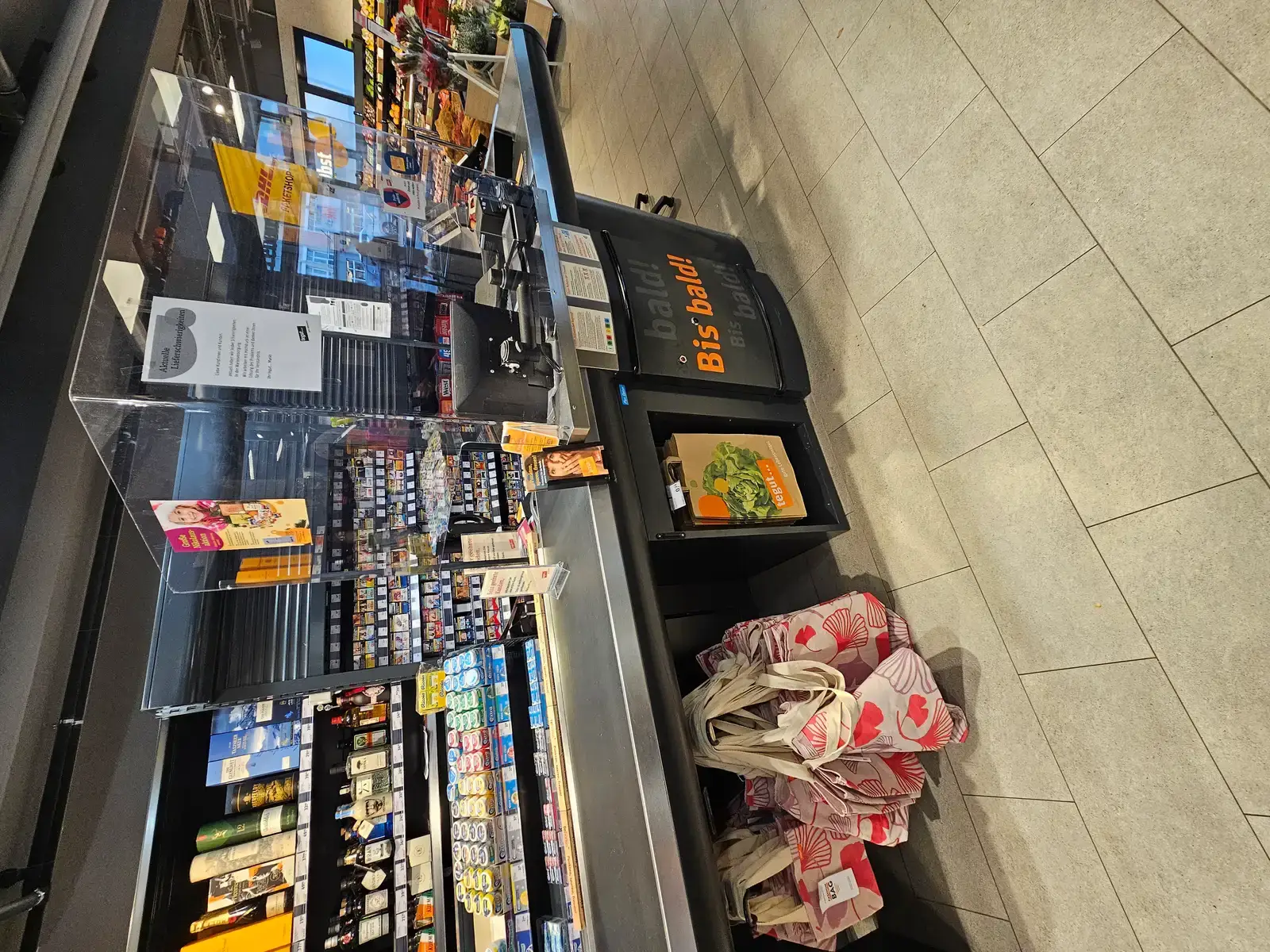
In January 2025, the Federal Trade Commission released initial findings from its surveillance pricing market study, revealing that a wide range of personal data, including precise location, demographic data, search history, and even mouse movements, is frequently used to set individualized consumer prices for the same goods and services. For shoppers, this raises a pointed question: is the “member price” actually a fair price, or just the price you’re charged for refusing to hand over your data?
Kroger, one of the nation’s largest grocery chains, has acknowledged using demographic data and purchase history in the various promotions and discounts it routinely offers its loyalty program members. Personalized pricing refers to situations where the amount a shopper pays can vary based on information gathered through loyalty cards, store apps, or browsing history. The concern is how far such technology could go. For example, if a shopper buys the same cereal every week, an algorithm might recognize that pattern and quietly raise the price for that customer alone. Many shoppers find this arrangement uncomfortable even when they can’t fully articulate why.
6. Electronic Shelf Labels and Dynamic Pricing Fears
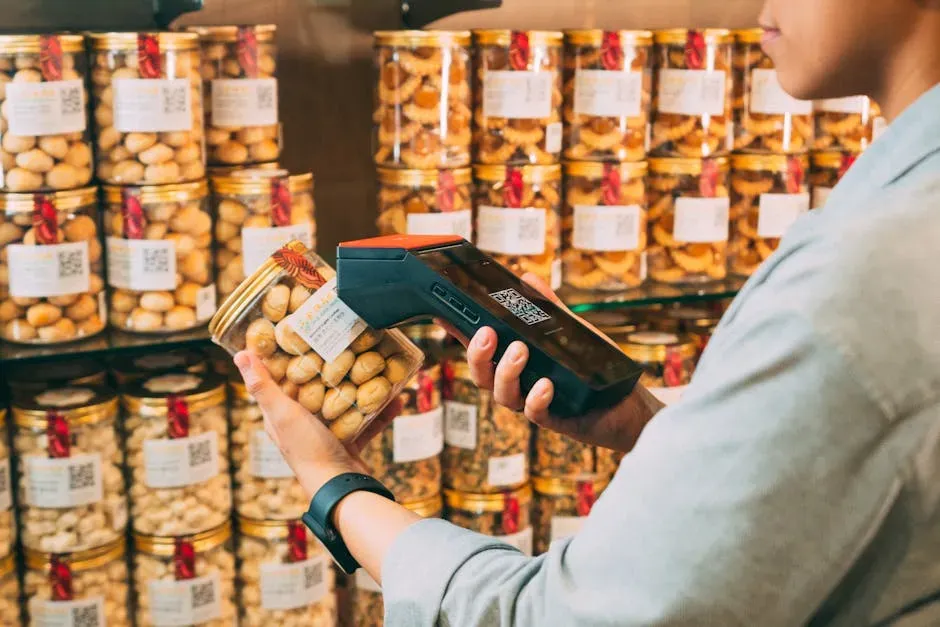
Electronic shelf labels, digital screens that display the price of an item, are replacing traditional paper price tags in grocery stores across America. The technology can already be found at Whole Foods, Amazon Fresh, and Kroger, along with stores in Canada, Europe, Asia, and other regions. Retailers say the labels improve efficiency and reduce paper waste. Shoppers worry about what else they might enable.
Consumer advocates worry the technology could make it easier for stores to surge prices during times of high demand, as well as to change prices for each consumer based on personal information, including through facial recognition capabilities. The concern is seeing the price of milk change multiple times a day, something most shoppers are simply not accustomed to in the context of a grocery store. Research from UC San Diego and other institutions suggests actual surge pricing in groceries is currently rare, but public trust on the issue remains low.
7. Out-of-Stock Products and Thin Shelves
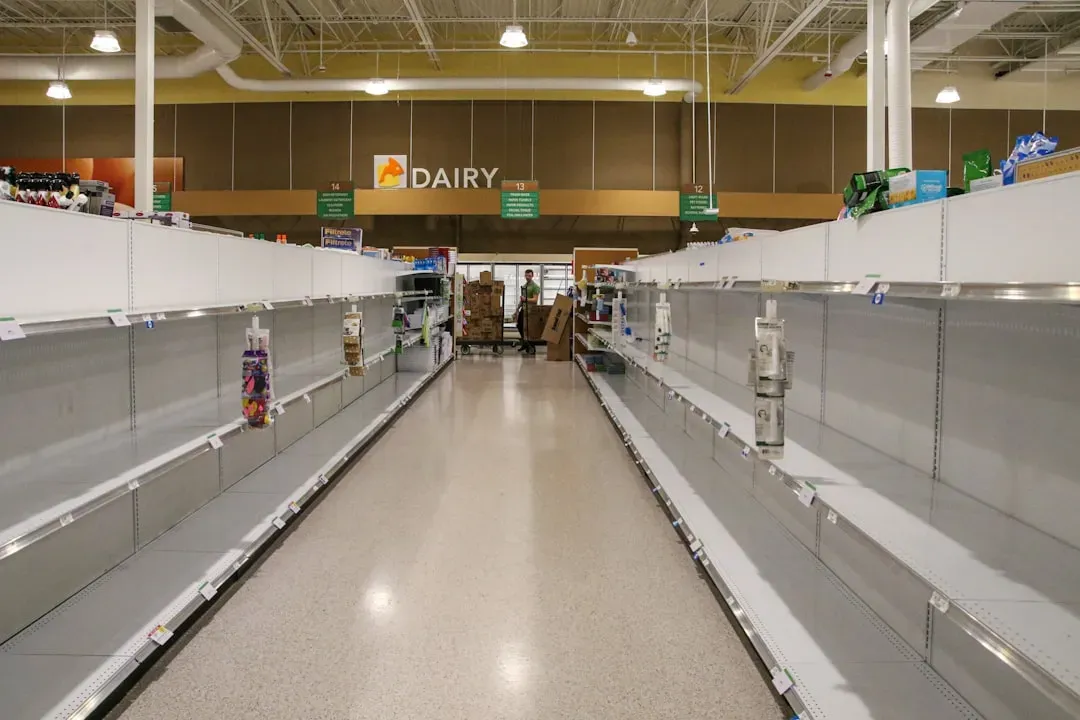
Among shoppers who have used online grocery services, their main issues include out-of-stock products, cited by roughly four in ten, fees being too expensive, and displeasure with product substitutions. The out-of-stock problem isn’t limited to digital orders, though. In-store shoppers have grown accustomed to finding empty shelf space where familiar items used to be, a residual effect of supply chain volatility that hasn’t fully resolved.
The past few years have seen supply chain volatility like never before. This was partly due to the pandemic, but other factors have added to the problem, including the epic egg shortage of 2025, which was the result of a continuing bird flu outbreak, while weather remains an issue for crops somewhere in the world. For shoppers who do their weekly planning around consistent availability, the unpredictability has added a layer of frustration to what used to be a routine errand.
8. Shrinking Product Variety and Brand Consolidation
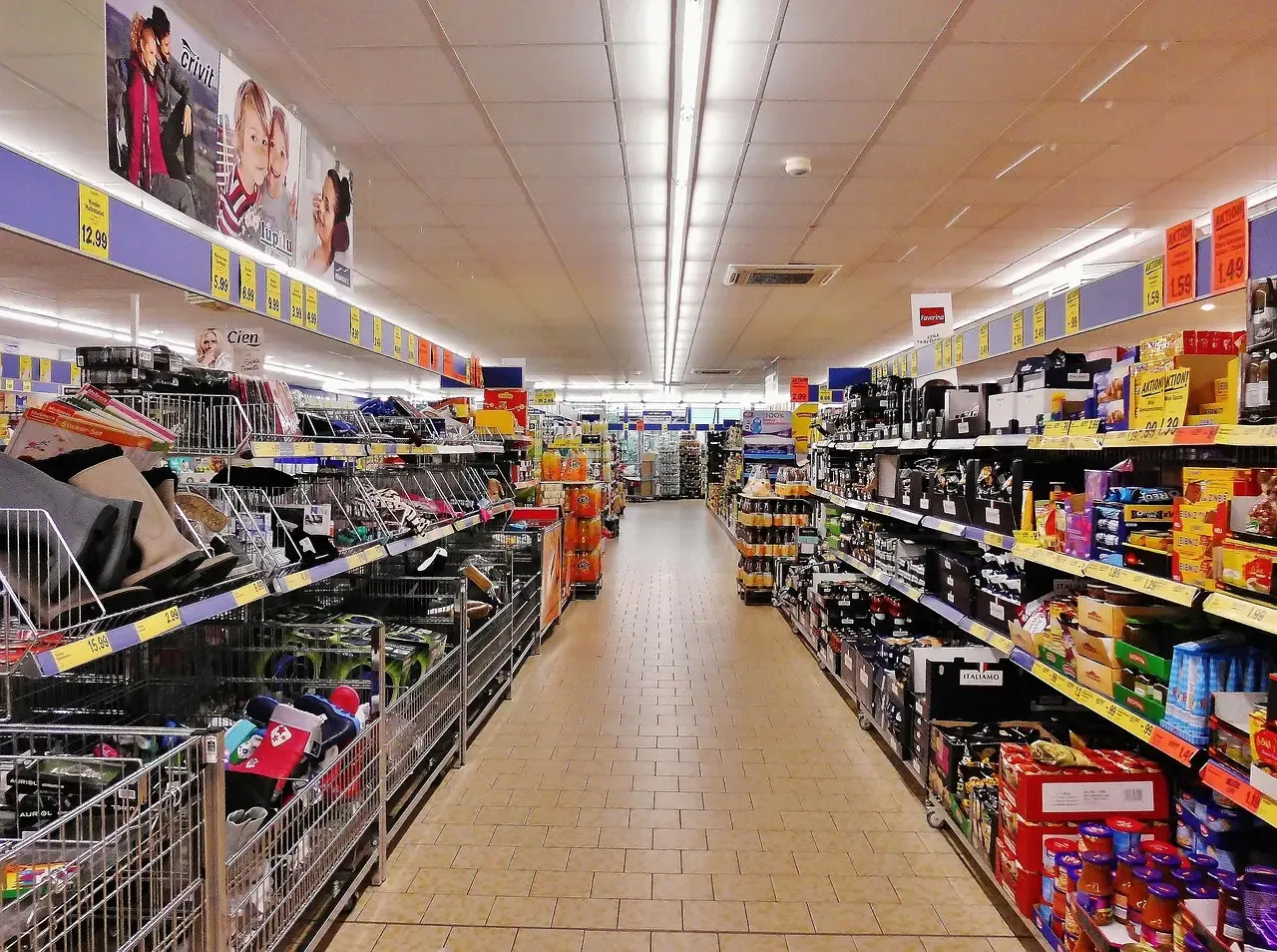
PepsiCo is putting its product line through a major overhaul that includes plans to discontinue about 20% of its products before early 2027, and as of early 2026 had not released the full list of affected items. This kind of consolidation is happening across the industry as major manufacturers streamline their portfolios, often eliminating products that had developed loyal followings.
The first hints of the PepsiCo overhaul appeared in 2025 with the discovery that several Pepsi and Mountain Dew flavors would be leaving shelves. Among the departing flavors were Pepsi Peach and Mountain Dew Caffeine Free. Some products, no doubt, weren’t selling well, but others had become customer favorites. When shoppers lose access to the specific products they rely on, the emotional impact is real, even if it seems minor from a business perspective. People don’t just buy groceries. They buy the same groceries, week after week, and disrupting that rhythm has a cost that doesn’t always show up in a company’s quarterly report.
Taken together, these eight shifts paint a fairly consistent picture. The grocery store has become more automated, more opaque about pricing, and more focused on efficiency than experience. Whether or not any individual change was justified on its own, the cumulative effect is a shopping environment that feels less personal, less predictable, and harder to trust than it once did. That’s worth paying attention to.




Leave a Reply