
Most of us were taught to refrigerate everything the moment we get home from the grocery store. It feels like the responsible thing to do. Keeping food cold means keeping it safe, right? Well, not always. For a surprisingly long range of everyday items, the fridge actually works against you, dulling flavors, ruining textures, and even speeding up spoilage.
The good news is that fixing these habits is simple. Once you know which items prefer the pantry, the countertop, or just a cool dark corner of the kitchen, you’ll waste less food and honestly eat better for it. Here are ten of the most common offenders sitting in fridges right now.
1. Tomatoes
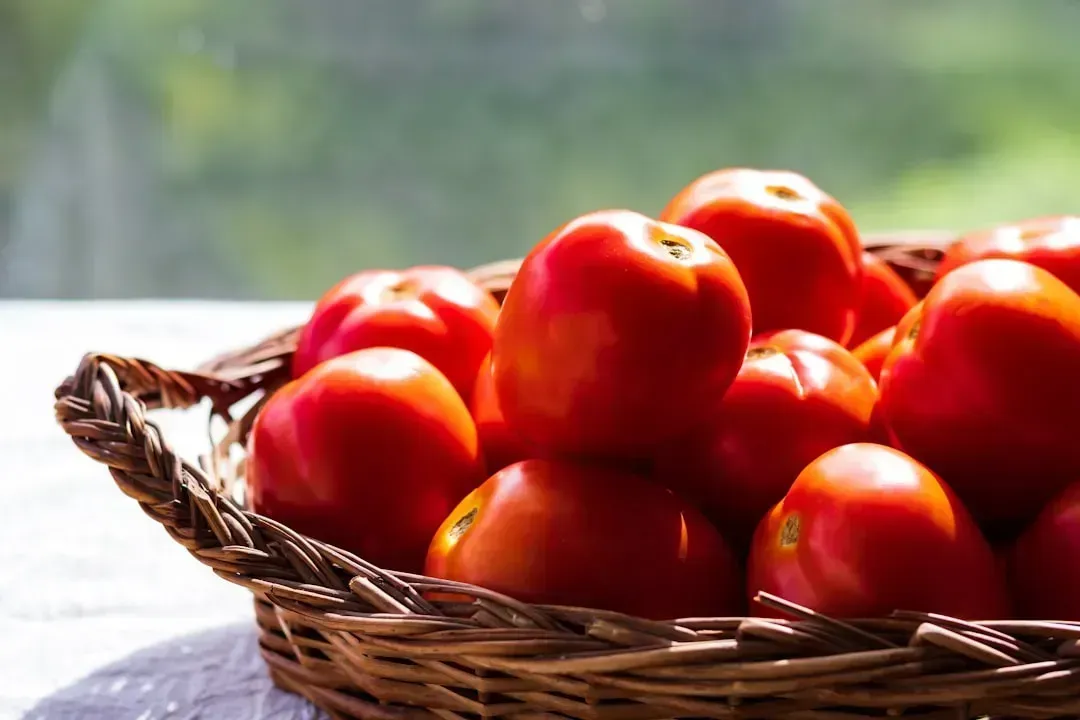
Cool air alters the chemical pathways in tomatoes, slowing those that contribute to fresh flavor and accelerating others that dull it. That’s why a refrigerated tomato so often tastes flat and watery compared to one left on the countertop. The difference isn’t subtle.
Cold temperatures can make tomatoes mealy in texture and flavorless on the plate. Storing them at room temperature away from direct sunlight and allowing them to come to peak ripeness delivers optimal flavor. If you’ve already cut one, a day or two in an airtight container in the fridge is fine, but whole tomatoes really do belong on the counter.
2. Potatoes
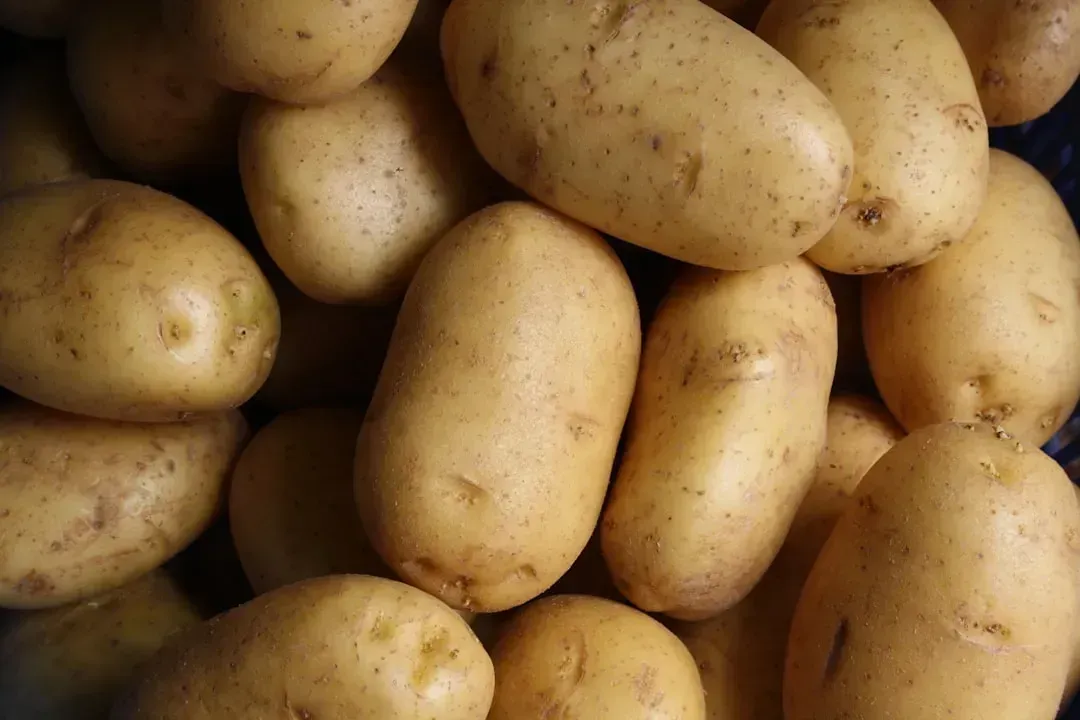
Cold temperatures convert potato starch into sugar, resulting in a gritty texture and a slightly sweet flavor. Potatoes actually do best at around 45°F, while most refrigerators are set between 35°F and 38°F. That temperature gap is enough to noticeably degrade the quality of your spuds.
Refrigeration turns potato starch into sugar more quickly, and when baked or fried, these sugars may produce the cancer-causing chemical acrylamide, according to Public Health England. Store them in a paper bag in the cool pantry and they’ll stay in far better shape, both in taste and safety terms.
3. Onions
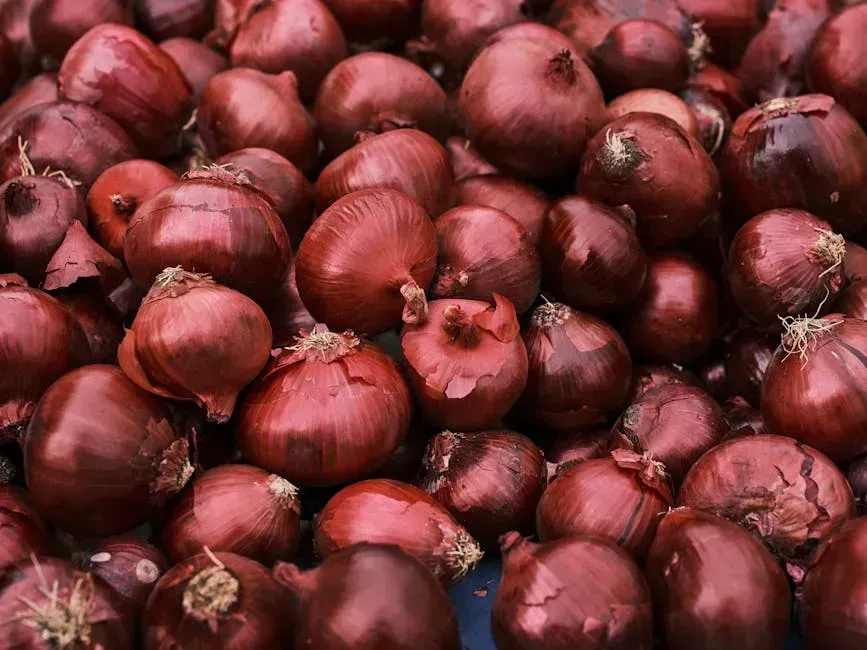
Uncut onions are perfectly content out of the cold. The humidity of the refrigerator makes them moldy and mushy. Avoid direct sunlight, and once they’re cut open, place them in a resealable bag in the vegetable drawer. That last point is worth noting: the rule changes the moment you slice into one.
Onions emit gas and moisture that can cause potatoes to spoil quickly, which is another reason to store them separately and away from the fridge entirely. A ventilated paper bag in a cool pantry is the ideal home for whole onions.
4. Bread

You shouldn’t refrigerate bread. Bread actually goes stale and dries out much faster in the fridge. Many people assume the fridge extends shelf life for bread the way it does for most other foods, but the cold environment actively accelerates the staling process here.
According to the USDA, bread can be stored at room temperature for two to four days, but it will last seven to fourteen days in the refrigerator. The catch is that refrigerated bread may last longer without growing mold, but it loses its appeal long before it technically expires. When stored in the fridge, bread can become stale. Instead, keep bread on the counter for the first 24 hours, then freeze it and use a toaster to thaw before eating.
5. Honey
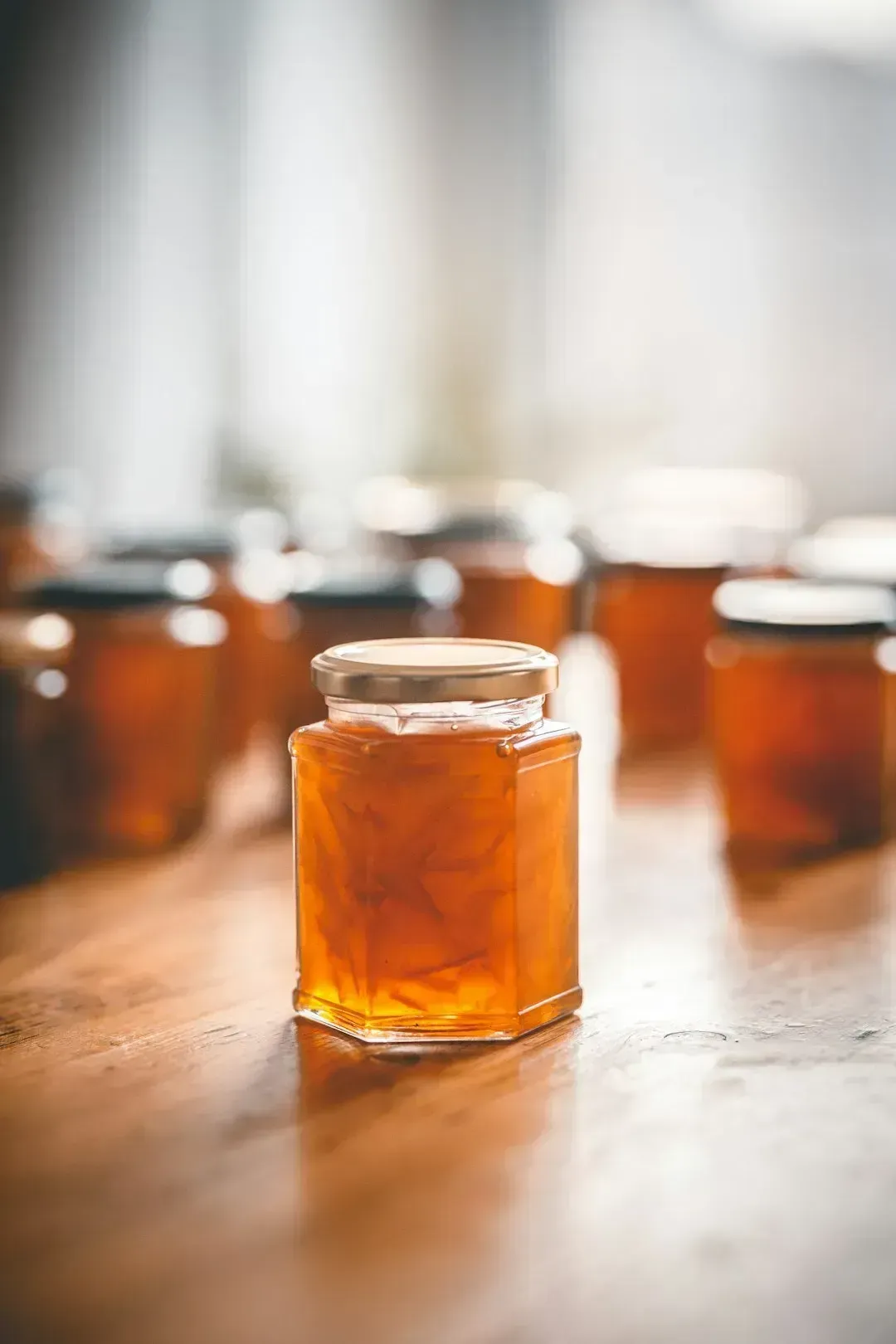
If you keep honey in the fridge, it can turn hard and lumpy. To keep it smooth and easy to use, leave it at room temperature. Honey is one of the most naturally shelf-stable foods known to humanity, thanks to its low moisture content and natural antimicrobial properties. It genuinely does not need refrigeration.
Honey can crystallize and seize up in cold temperatures. Room temperature is ideal to keep this natural sweetener perfectly gooey. Crystallization is harmless and reversible if it does happen, but keeping honey in a cool cupboard prevents it altogether and makes it much easier to use.
6. Garlic
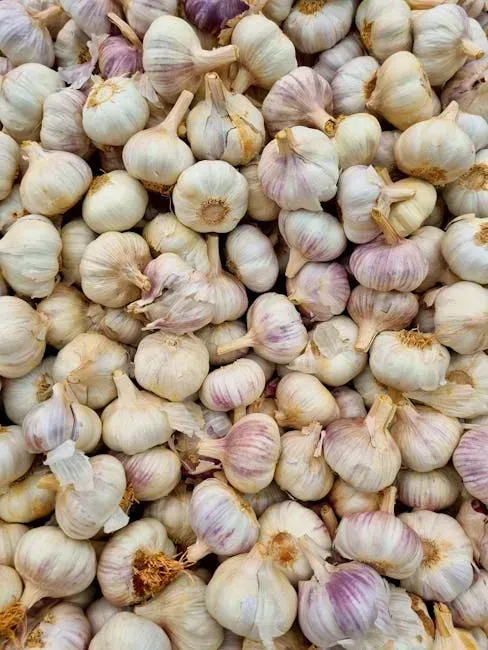
Cold, humid conditions encourage mold growth, turning garlic soft and unusable. For garlic that stays robust, store it in a dry, dark spot with good ventilation. A whole head of garlic can last for several weeks this way without any problems. The fridge, in contrast, accelerates its decline.
Refrigerating garlic causes it to become rubbery in texture, and garlic spoils faster in the fridge due to excess moisture. Keep garlic in a cool, dry place. Once a head has been broken open and individual cloves exposed, use the cloves within ten days regardless of where they’re stored.
7. Coffee
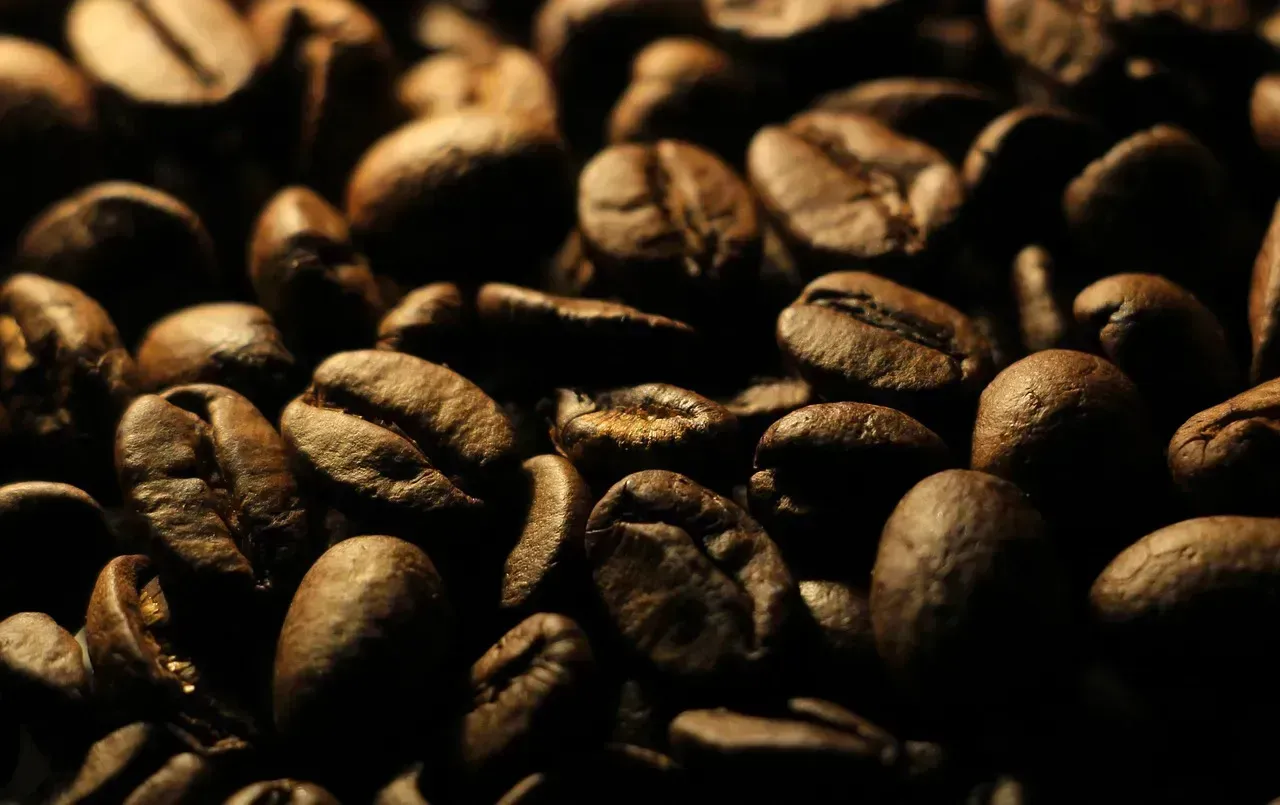
Whether in whole bean form, ground, or brewed, you never want to store your coffee in the fridge. Coffee beans tend to soak up the smells around them, including whatever else is sitting in the refrigerator. That’s a problem when your fridge contains last night’s leftovers or any particularly pungent ingredients.
Humidity in the fridge can cause a buildup of watery condensation, which is damaging to the flavor of ground or whole bean coffee. Store it in an airtight container in the pantry instead. Moisture is the main enemy of coffee quality, and your fridge has plenty of it.
8. Chocolate
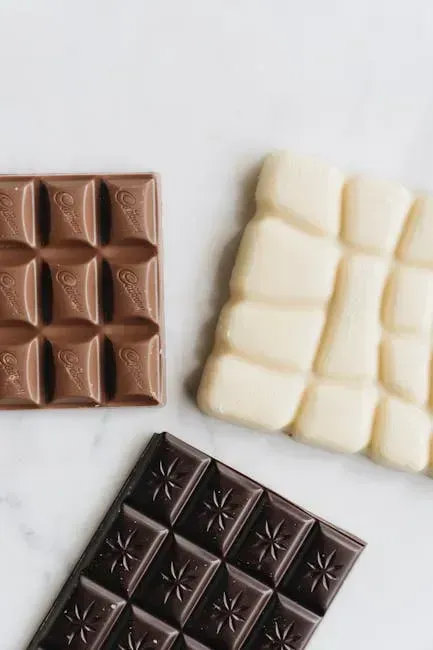
When left in the fridge, chocolate may become grainy and have a dull flavor. Instead, opt to store it in a dark, dry place. This happens because chocolate is sensitive to temperature fluctuations and moisture, both of which the fridge provides in abundance. The result is that milky, slightly powdery surface that appears when chocolate has been improperly stored.
Much like coffee, chocolate easily absorbs the smells and flavors of whatever is around it. Keep it in a cool, dark cupboard sealed in an airtight container and away from strongly scented spices. A consistent room temperature environment is all chocolate really needs to stay in excellent condition.
9. Bananas
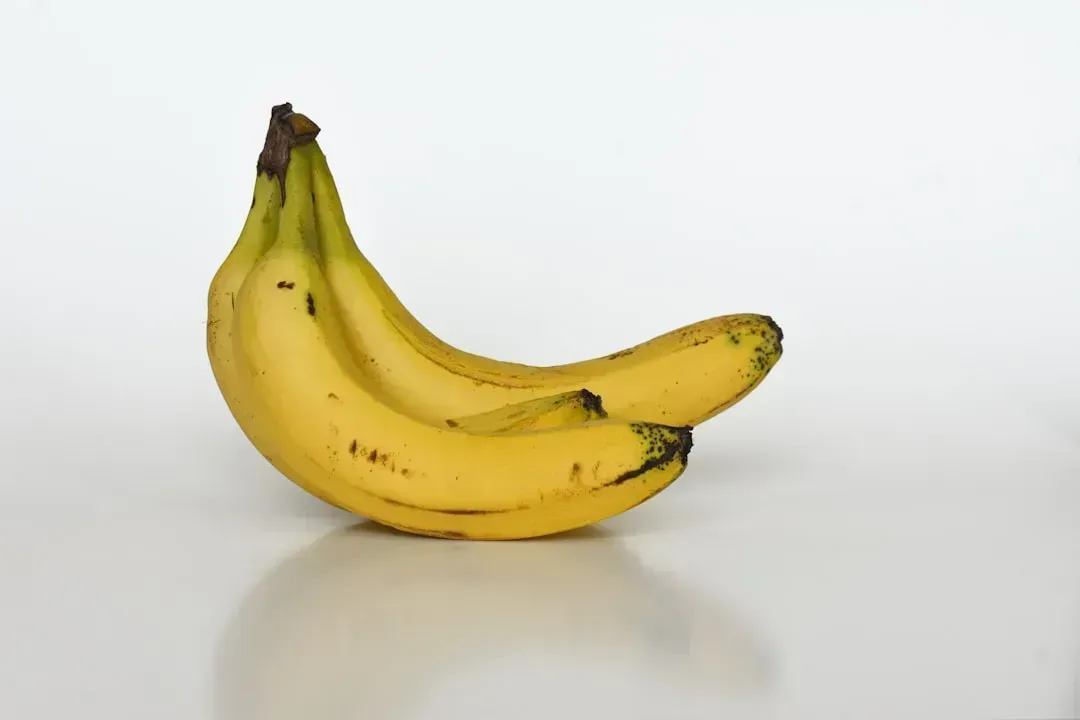
Because bananas are tropical fruits, they aren’t fans of cold temperatures. When you refrigerate bananas, you stop the ripening process, and the skin will blacken while the fruit goes bad. The dramatic blackening of the peel makes them look far worse than they sometimes are inside, but the cold temperature does real damage to the overall quality.
Bananas need room temperature for two reasons: the warm temperatures help the fruit finish ripening, and the light and air slow down decay. A countertop hook or a fruit bowl works perfectly. Bananas also release a gas that ripens other fruit, so keep them away from other produce if you want to control how quickly everything else matures.
10. Whole Melons
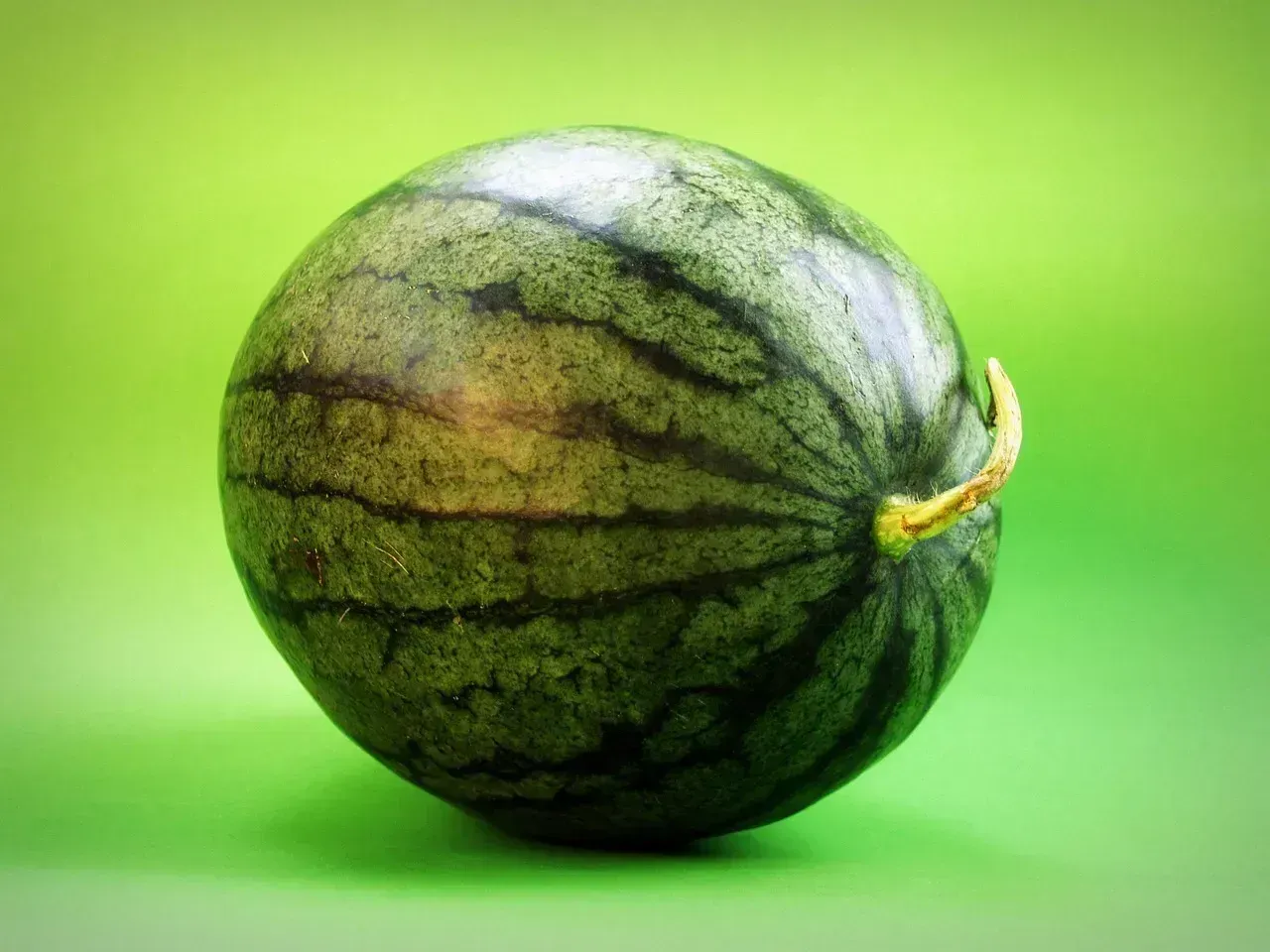
Keeping whole watermelons at room temperature may even maximize their nutritional value. When stored at room temp, watermelon has double the amount of the antioxidant beta carotene and twenty percent more lycopene compared to refrigerated melons, according to a study in the Journal of Agriculture and Food Chemistry. That’s a meaningful nutritional difference for something as simple as where you store your fruit.
Whole melons not only take up a large amount of space in the fridge, but they ripen slower there too. Leave whole melons out on the counter to ripen for the best flavor. Once you slice into one, you can wrap the cut side and place it in the fridge. The rule of thumb is straightforward: whole melons belong on the counter, sliced melons belong in the fridge.
Storage habits are easy to build and just as easy to change. The fridge is an incredible tool, but treating it as a universal solution for every item in the kitchen can quietly work against you. A cooler, darker corner of the pantry, or simply the kitchen counter, turns out to be the better home for more foods than most people realize. Small adjustments in how you store things can make a noticeable difference in how everything tastes.



Leave a Reply