
We all carry around a small mental archive of “facts” picked up from school, television, half-remembered documentaries, and dinner table conversations. Most of the time, nobody questions them. They feel too familiar to be wrong.
The trouble is, a surprising number of those confident little certainties turn out to be myths, misreadings, or pieces of deliberate propaganda that somehow outlasted their original context. Here are ten of the most widely believed “facts” that are actually false – and the real story behind each one.
Napoleon Bonaparte Was Short

Most people believe Napoleon Bonaparte was extremely short, but he was actually around average height for his time. This widely accepted “fact” about one of history’s most famous military leaders turns out to be nothing more than propaganda that stuck around for over 200 years.
The myth that Napoleon was unusually short started from British propaganda and confusion between French and English measurement systems. French inches were longer than English inches, making his recorded height of “5 foot 2″ in French measures actually closer to 5’7” in English. British cartoonists like James Gillray created satirical prints that showed Napoleon as tiny and angry during the wars. These images spread across England and became a psychological weapon against France. The caricatures worked so well that people forgot they were propaganda.
Polar Bears Have White Fur
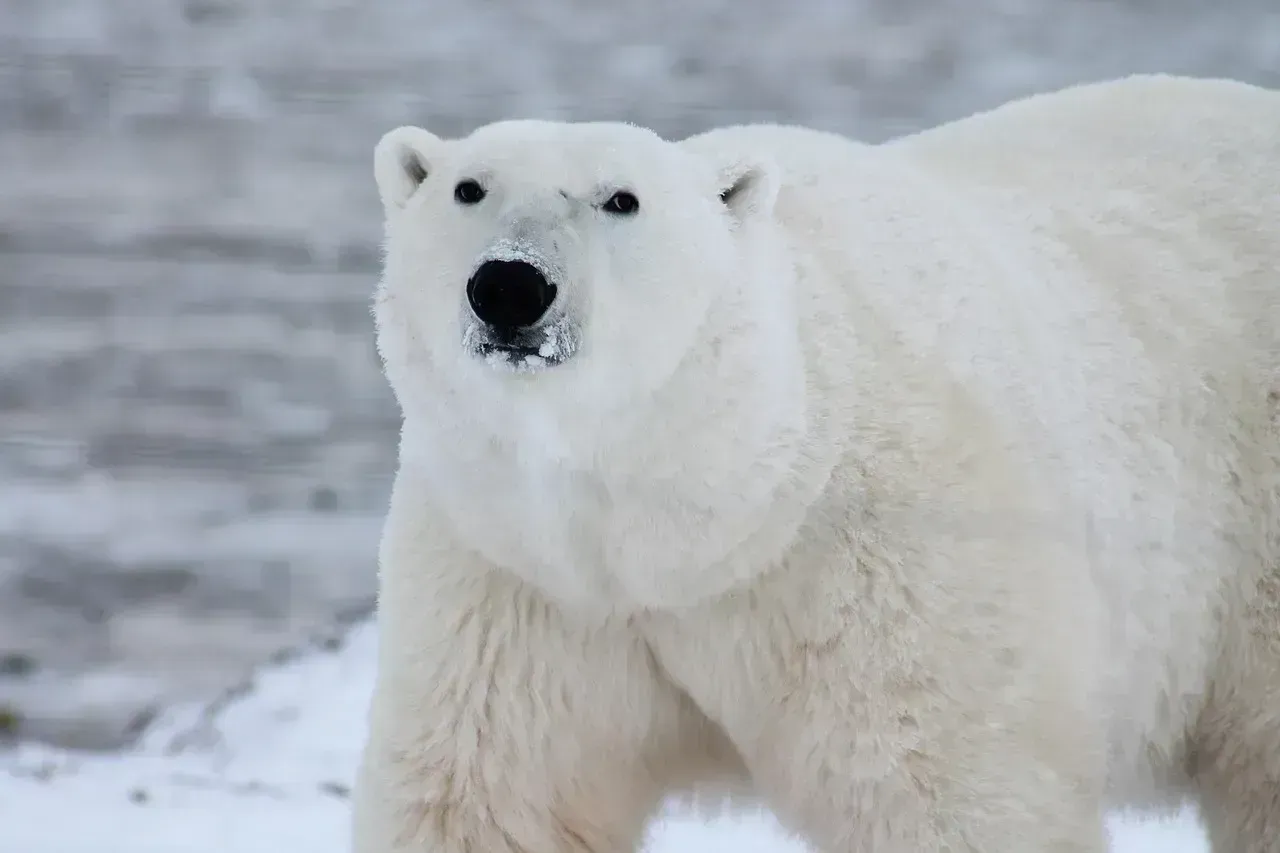
Polar bears may be known for being so white they can hide in snow, but the truth is they aren’t white at all. Their skin is black, and their hairs are hollow and clear. Despite popular belief, polar bear fur has no white pigment whatsoever. Each strand of hair is transparent and hollow. Light entering the shaft is scattered in such a way that it simply appears white to the human eye.
Black skin absorbs heat more efficiently than any other color, making it the perfect adaptation for life in an environment where temperatures routinely plunge below negative 40 degrees Celsius. Light hits their fur and is trapped inside the hollow part of the hair, causing a reaction called luminescence. In addition, salt particles stick to the bears’ fur and act as light-scattering particles. The whole setup is essentially a biological thermal system dressed in an optical illusion.
Cracking Your Knuckles Causes Arthritis

While cracking your knuckles may be annoying for those around you, it has no correlation to arthritis in those joints. Several studies that aimed to find a link between the two found no substantial evidence of any correlation. However, those who excessively cracked their knuckles did have slightly weaker grip strength later in life.
Knuckle cracking is simply a bubble being formed and popped by the liquid that surrounds your knuckle joints. It causes no trauma to these areas that would accelerate the onset of inflammation, which is what arthritis is. The myth has likely persisted because the sound is so viscerally unpleasant that it feels like something bad must be happening.
Lightning Never Strikes the Same Place Twice

The idea that lightning doesn’t strike the same place twice is a popular misconception – it’s all it is. Lightning strikes are too frequent to not hit the same place on earth multiple times. Studies show that around 500 to 1,000 lightning strikes happen globally every second.
The Empire State Building was once used as a lightning laboratory because the building is struck with lightning around 100 times a year. Tall, conductive structures in exposed locations are actually more likely to be struck repeatedly, for the straightforward reason that they present the path of least resistance. The saying is catchy, but physics doesn’t care about clever phrases.
Chameleons Change Color to Blend In

All those changing colors, unlike what many people believe, usually don’t have a thing to do with blending into their surroundings. It hinges on the particular species, of course, but they’re usually pretty well camouflaged to begin with. If they need to visually merge into the background, they can just stick with their normal coloration.
Instead, chameleon color-changing is typically triggered by physical, physiological, and emotional changes. If they’re feeling angry, afraid, or combative, they’ll change colors using their chromatophores. They’ll also change colors as a way of communicating and to pick a fight with a competitor. So the famous party trick is really more about mood and messaging than camouflage.
Bulls Are Enraged by the Color Red
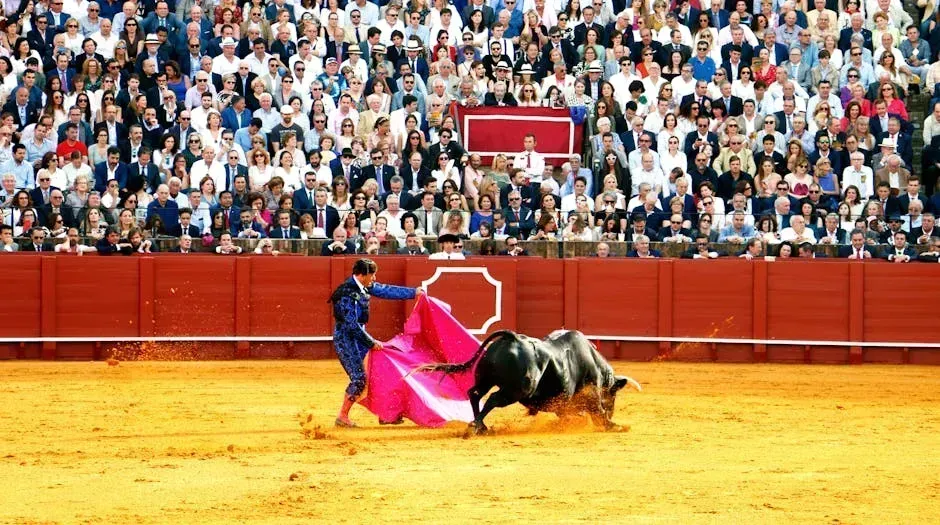
Contrary to common belief, a bull doesn’t go into attack mode because he hates the color red. Instead, he’s triggered by both the movement of the cape and the presence of the bullfighter invading his personal space.
Bulls can’t actually see red because they’re partially color blind and are only able to make out yellowish-green and bluish-purple shades. The red cape used in bullfighting, called the muleta, is red primarily to hide bloodstains and to play to the human audience’s expectations – not because it provokes the bull. The animal is reacting to motion, full stop.
Mice Love Cheese
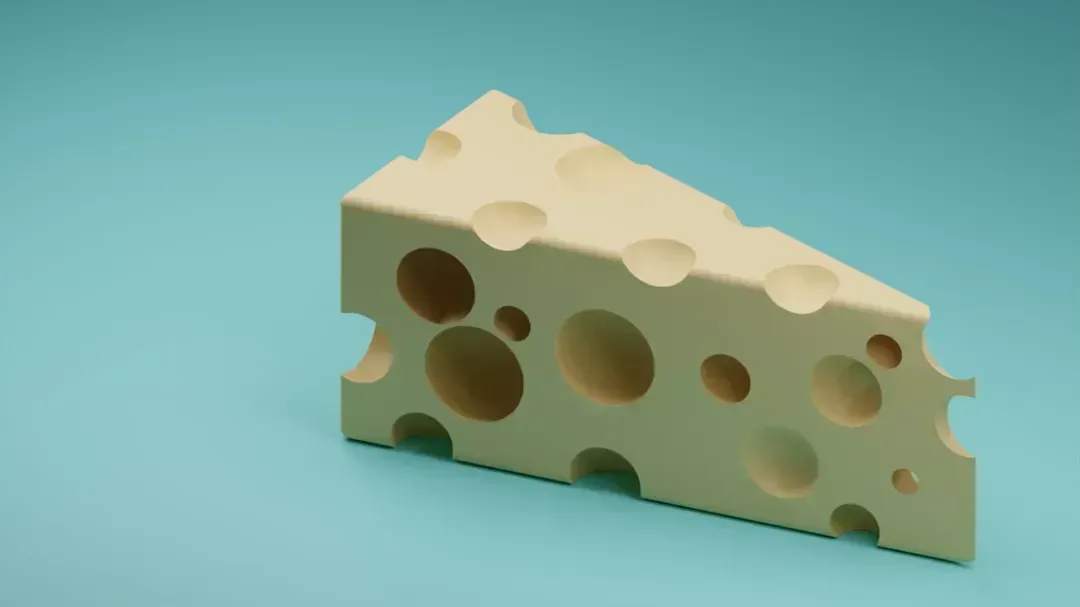
Mice do not have a special appetite for cheese, and will eat it only for lack of better options. They actually favor sweet, sugary foods. The myth may have come from the fact that before the advent of refrigeration, cheese was usually stored outside and was therefore an easy food for mice to reach.
The popular science myth that mice love cheese originated in medieval times when families didn’t have refrigerators. They hung meat from the ceiling and stored grain in silos, but cheese was simply wrapped in a thin layer of wax or cloth, making it much easier for rodents to find and eat. In fact, during the bubonic plague, it was common practice to forgo cheese in diets so as not to attract mice. The cartoon association did the rest of the damage.
Babies Are Born With 206 Bones

Babies are born with about 300 bones, whereas adults have 206. As babies get older, some of their bones begin to fuse together. Babies tend to have soft spots on their heads, which feel very different from the hard skulls adults have. As babies age, those soft spots close up as the bones in their head fuse, producing the rigid skull structure we carry through adulthood.
Most people assume the number 206 applies across all of human life, but it’s really only the final count. The fusing process continues through childhood and into early adulthood, with some bones not fully merging until a person’s mid-twenties. It’s one of those facts that sounds wrong even when you know it’s right.
Sign Language Is Universal

There are, in fact, around 300 different sign languages. Different countries have their own sign languages, which vary even if the base spoken language is the same. For instance, both American and British sign languages are based on the English language, but they are two entirely different sign languages.
Languages can also vary regionally and culturally, much like dialects or accents do in spoken language. The assumption that one universal sign language exists is understandable but mistaken. Sign languages are fully independent linguistic systems with their own grammar, structure, and history – not simply manual translations of spoken words.
Lemmings Jump Off Cliffs in Mass Suicides
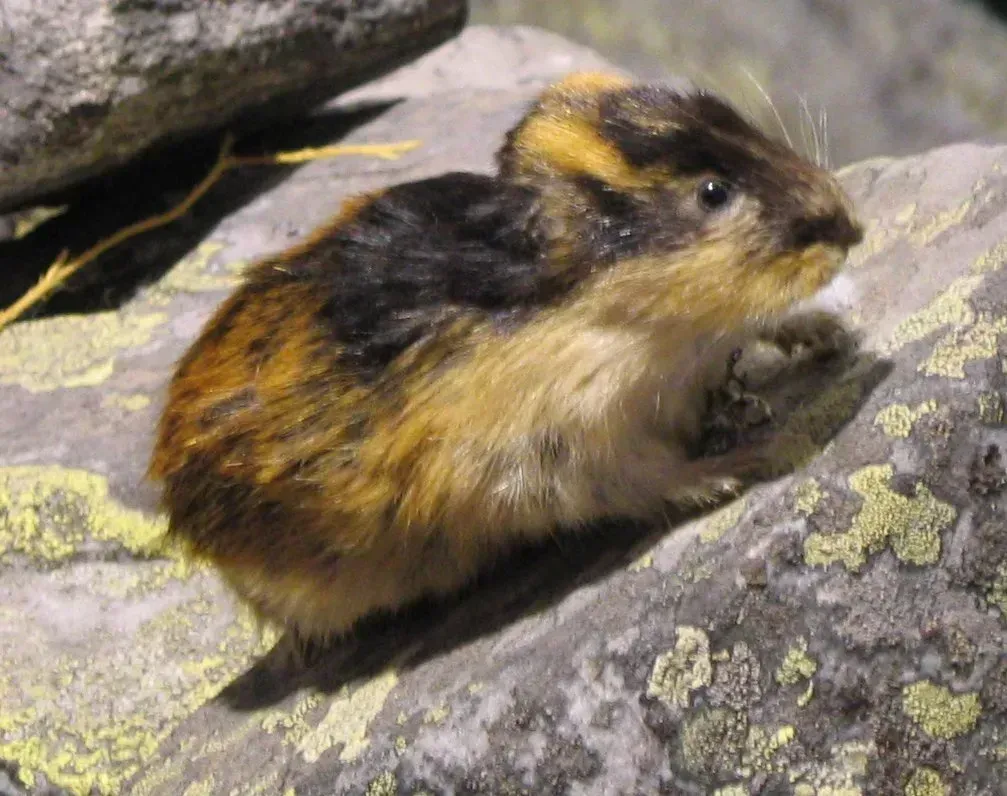
Lemmings do not engage in mass suicidal dives off cliffs when migrating. The scenes of lemming suicides in the 1958 Disney documentary film “White Wilderness,” which popularized this idea, were completely fabricated. The lemmings in the film were actually purchased from Inuit children, transported to the filming location in Canada, and repeatedly shoved off a nearby cliff by the filmmakers to create the illusion of a mass suicide.
The misconception itself is much older, dating back to at least the late 19th century, though its exact origins are uncertain. Lemmings do undergo population booms and mass migrations, during which some individuals may accidentally fall into water while navigating unfamiliar terrain. But the dramatic, deliberate cliff-dive? That was invented for a camera. It remains one of the most consequential pieces of wildlife misinformation ever filmed.




Leave a Reply