
A great movie ending is harder to pull off than it looks. Directors can spend years crafting a story, only to stumble at the final hurdle with something rushed, unearned, or simply forgettable. The final scenes of a movie can make or break an entire picture. However good the previous couple of hours, if the last five minutes go spectacularly wrong, you could be looking at the difference between a classic and an also-ran.
The eight films below got it right. They vary in tone, genre, and era, but each one closes with something that lands so completely it permanently changes how you remember everything that came before it. These aren’t endings that just tie up loose threads. They’re the scenes that stay with you long after the lights come back on.
Citizen Kane (1941): The Burning Sled

In the opening scene of Orson Welles’ masterpiece, the film’s leading character, Charles Foster Kane, whispers a single word while lying on his deathbed in his cavernous mansion. The cryptic utterance sets off the film’s central mystery: Who was Kane, really? A team of journalists tries to chase down the meaning of his last word, hoping it will unlock the enigma of the man.
The closing moments of Citizen Kane deliver a haunting exploration of loss and meaning. As Charles Foster Kane’s immense collection of possessions is sorted and discarded, the audience is treated to a montage that concludes in the destruction of a simple sled bearing the word “Rosebud,” tossed into a furnace, revealing itself as the key to understanding Kane’s tragedy: the loss of his childhood innocence and the simplicity that wealth could never reclaim. Cinematically, Citizen Kane is regarded as one of the most innovative films in the history of the medium. The film’s cinematographer described their pioneering use of deep focus photography as a way to immerse audiences more deeply, allowing them to decide where to look rather than having the director guide their attention. The film’s mixture of nonlinear storytelling, innovative editing, and dramatic lighting techniques showed the possibilities for art and communication in film more than any other movie.
Some Like It Hot (1959): The Perfect Punchline
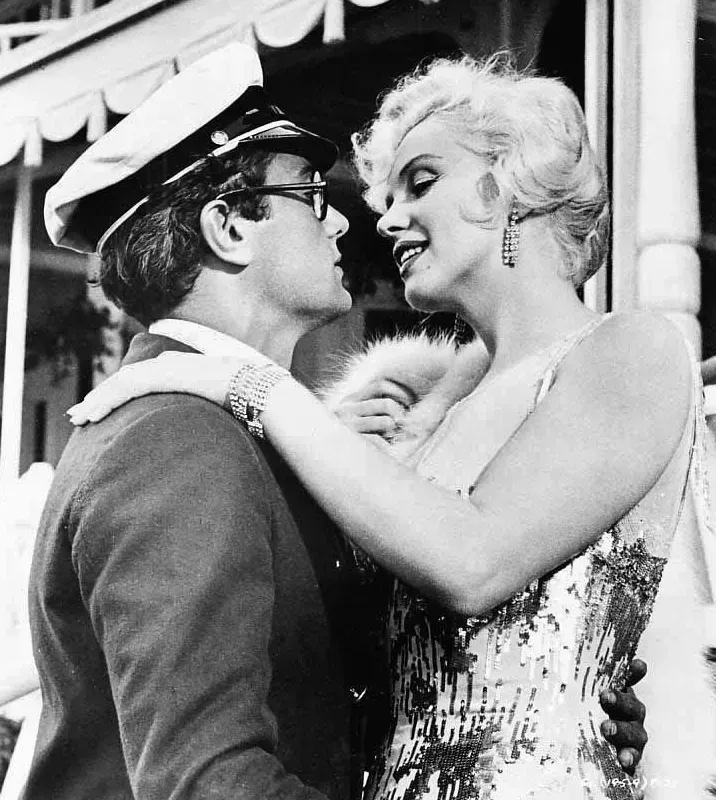
Billy Wilder’s cross-dressing comedy wraps up with one of the most celebrated final lines in all of cinema. Having spent most of the movie masquerading as a woman to hide from gangsters, double bass player Jerry makes such an endearing Daphne that ageing millionaire Osgood takes a shine to him and won’t take no for an answer to his marriage proposal. Increasingly exasperated as his excuses fall flat, Jerry resorts to pulling off his wig and telling Osgood he’s a man. The unfazed Osgood simply replies, “Well, nobody’s perfect.”
Some Like It Hot has over its rivals, however, arguably the greatest final line in cinema. What makes it so enduring is that the joke works on multiple levels simultaneously. It’s absurdist, it’s warm, and it defuses every tension the film built over two hours in a single breath. There’s a reason the line has been quoted and referenced for over six decades without losing its punch.
Planet of the Apes (1968): The Statue That Changed Everything
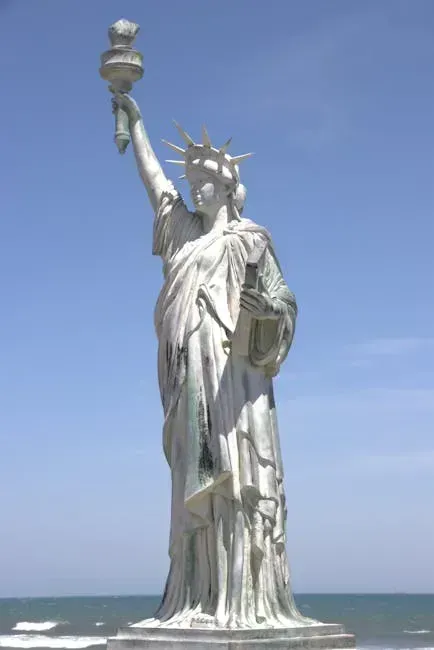
Astronaut George Taylor discovers the ruined Statue of Liberty on the beach, realizing he has been on Earth all along. He falls to his knees, cursing humanity for destroying its own civilization. This twist-ending redefined the sci-fi genre, proving speculative fiction could deliver not just spectacle but gut-wrenching social commentary.
The ending of Planet of the Apes, featuring a horrified Charlton Heston screaming at the ruins of the Statue of Liberty, is one of the most referenced, parodied, and commented on endings in all of cinema history. It’s so recognizable that you probably know what it is even if you haven’t seen the film, but it didn’t just reach that status because it’s a memorable image. Leon Shamroy’s sweeping cinematography and Jerry Goldsmith’s eerie score punctuate the desolation of the revelation. It’s a masterclass in timing: a single image recontextualizes everything before it.
Casablanca (1942): The Beginning of a Beautiful Friendship
archive, Public domain)
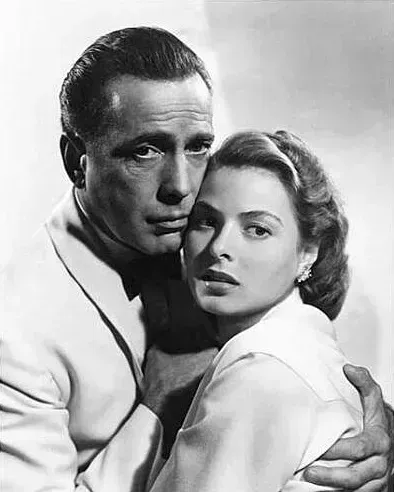
Casablanca is one of the most beautiful movies ever made. From the dialogue to the set-pieces to the story of two people reconnecting in a gin joint where they’re reminded of their previous romance, this is one of those rare perfect pictures. The ending, in which they must say goodbye at an airport, is almost too emotional for words.
Arguably the greatest propaganda film of all time, if you’re ever in any doubt about doing the right thing in wartime, Casablanca also has one of the best movie endings. Rick’s sacrifice isn’t triumphant or easy. It’s genuinely painful, and the film never flinches from that. The airport farewell works precisely because it refuses to offer the audience the reunion it spent two hours hoping for. That restraint is what makes it unforgettable.
The Good, the Bad and the Ugly (1966): The Three-Way Standoff
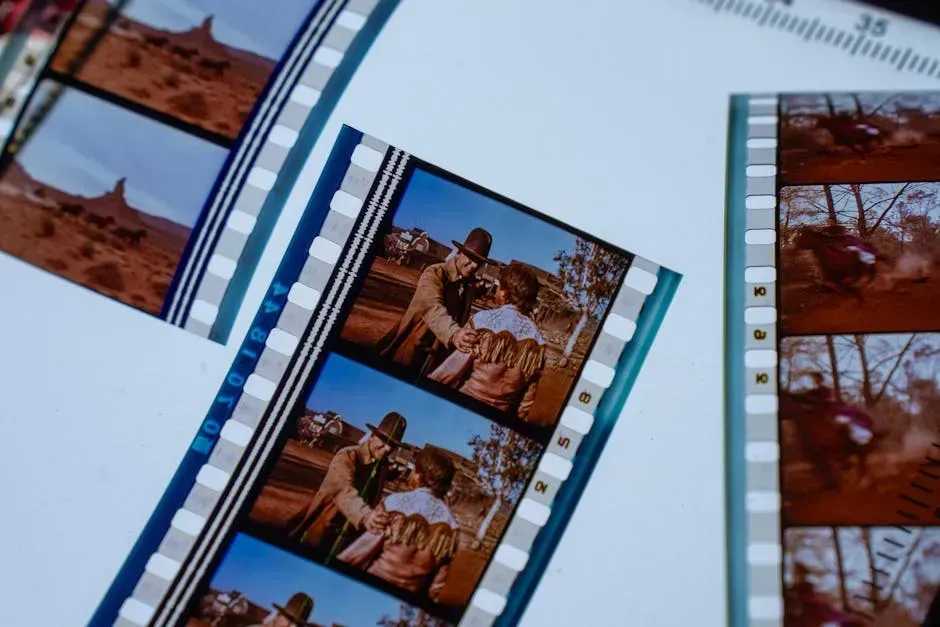
Sergio Leone built the climax of his iconic Spaghetti Western around one of the longest, most tension-saturated standoffs in film history. The 1966 Sergio Leone film probably has the best ending in any Leone-directed film. The final cemetery duel is stretched to nearly ten minutes, with Ennio Morricone’s iconic score doing as much work as any of the actors. Every close-up, every bead of sweat, every eye-flick is a lesson in visual storytelling.
Not all great movies have great endings, just as not all terrible movies have terrible endings. That said, the majority of the greatest endings in movie history come from some of the greatest movies in movie history. From jaw-dropping twists to romantic kisses, ambiguous freeze-frames to wonderful jokes, these movie conclusions stick with you long after the credits roll. Leone’s finale belongs firmly in the first category: a conclusion so precisely constructed that it became the template for every Western showdown that followed it.
The Empire Strikes Back (1980): Heroes Don’t Always Win
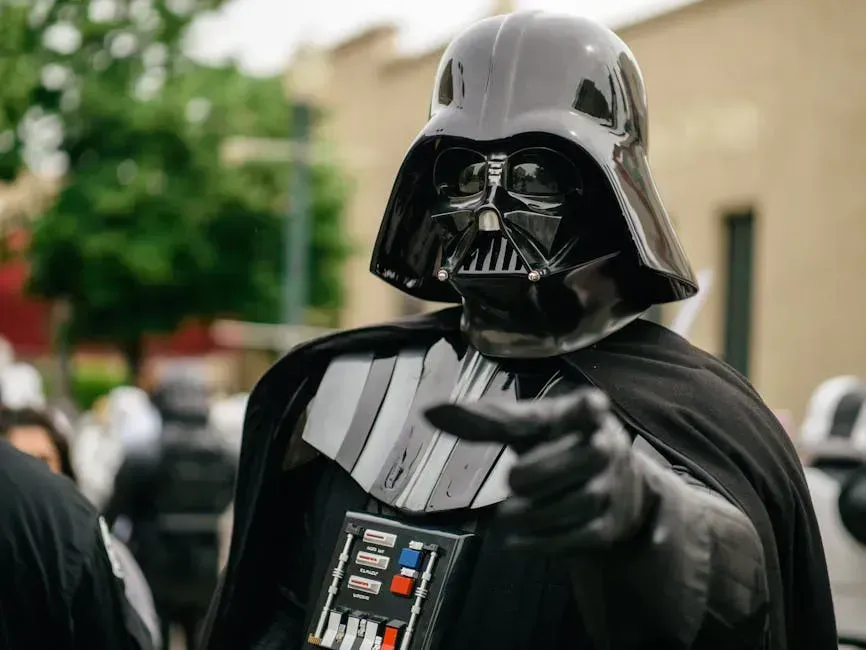
Every movie in the original Star Wars trilogy is some level of great, but it’s the second of the bunch that just so happens to be the greatest. A lot of that comes down to the bold way it concludes, with the heroes suffering a series of setbacks. None enough to kill anyone, but the Empire ends the film having successfully struck back, following on from their defeat in A New Hope.
The Empire Strikes Back is credited with the first ever “heroes lose” ending. Han Solo is encased in carbonite. Luke Skywalker has lost his hand and learned the most devastating truth of his life. The Rebel fleet drifts in space with nowhere obvious to go. Audiences in 1980 walked out shell-shocked, which is exactly what great storytelling is supposed to do. Decades later, the ending reads as an act of genuine creative courage by a major studio franchise.
Se7en (1995): What’s in the Box
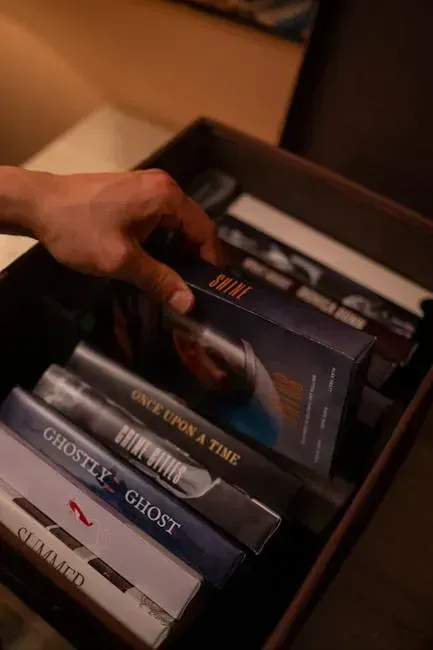
David Fincher’s clinical direction, Darius Khondji’s bleak cinematography, and Howard Shore’s score turn the desert setting into a stage for pure despair. Se7en’s ending refuses closure, instead leaving us with a moral paradox: Doe wins by losing. The craft note here is restraint. The box is never shown, and that choice makes the scene infinitely more horrifying.
David Fincher masterfully builds the tension as we slowly realize with dawning horror what John Doe’s endgame was. The ending forces Detective Mills, and the audience, into an impossible position. One of the darkest entries imaginable, it features an ending you will not see coming. Once you’ve had time to digest what you’ve just been exposed to, and the diabolical plan behind it, you want to stop and watch the whole movie over again. It’s a finale that functions almost like a trap, and the fact that it still provokes visceral reactions more than three decades later proves it has lost none of its power.
Inception (2010): The Spinning Top
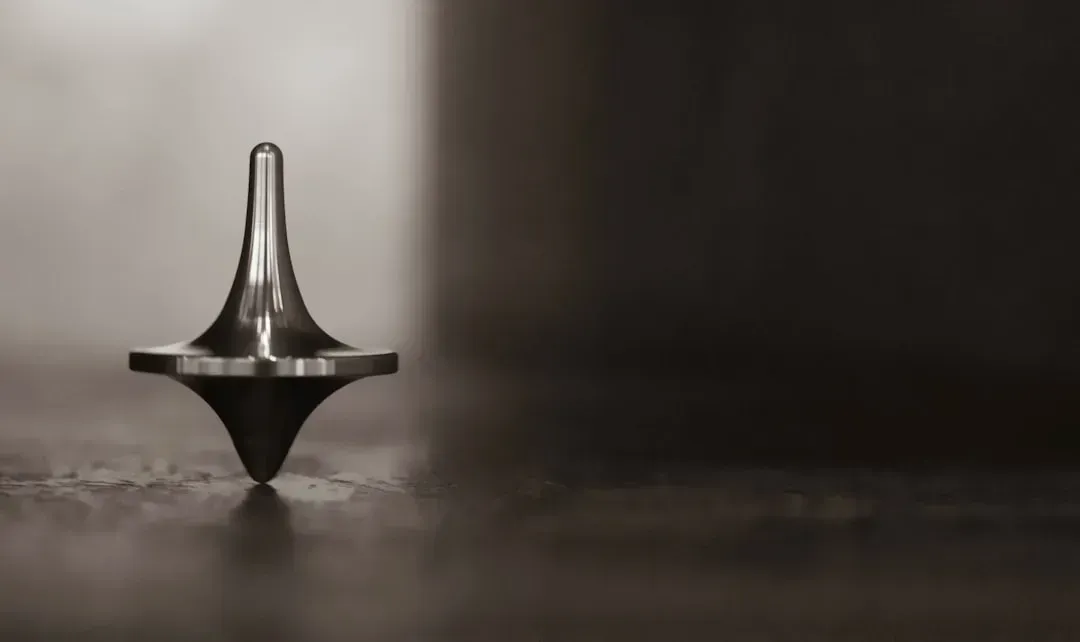
Thirteen years after its release, Christopher Nolan was still being hounded with questions about the ending of Inception, his acclaimed 2010 action thriller about a group of criminals who pull off a dream heist. The ending is notorious. Leonardo DiCaprio’s Cobb has completed his task and returns home to his children, but the film lingers on his spinning totem top as it begins to wobble. Cut to black.
Moviegoers have spent over a decade debating whether or not Cobb is awake or dreaming at the end of Inception, but Nolan has said that such debates are missing the ending’s real takeaway: Cobb doesn’t care. Cobb walking away from the top is a statement that completes the arc of his character. Inception is a maze designed to plant a simple idea in the viewer’s mind: “Reality” is a relative concept. The spinning top isn’t really about dream versus reality. It’s about a man finally choosing to stop checking. That shift, and the cut to black before we can know the answer, is what makes the ending one of cinema’s most discussed and debated final shots to this day.





Leave a Reply