
Every generation carries its own set of rituals, preferences, and deeply ingrained ways of doing things. For baby boomers, born between 1946 and 1964, those habits were formed during a time of landlines, paper records, and a culture that valued routine above almost everything else. Some of those habits aged gracefully. Others, not so much.
What makes this topic genuinely interesting is that these behaviors aren’t rooted in stubbornness alone. These habits aren’t just about stubbornness – they’re often rooted in reliability, familiarity, and years of lived experience. Still, in 2026, a number of these tendencies create friction with younger generations who’ve grown up in a faster, more digital world. Here’s a close look at eleven of the most persistent.
1. Writing Checks for Everything

Despite digital payments becoming the norm, many boomers still regularly purchase and use checkbooks. This habit reflects a preference for tangible financial records and a sense of control over transactions. There’s something genuinely understandable about that. A paper trail you can hold and file feels more concrete than a notification on your phone.
Some boomers cling to this old-school habit, slowing down queues and frustrating cashiers and fellow customers with their insistence on writing out checks. Whether it’s at the grocery store or paying a utility bill, the checkbook remains a fixture in many boomer households – even as banks quietly phase out the services that support it.
2. Keeping a Landline Phone
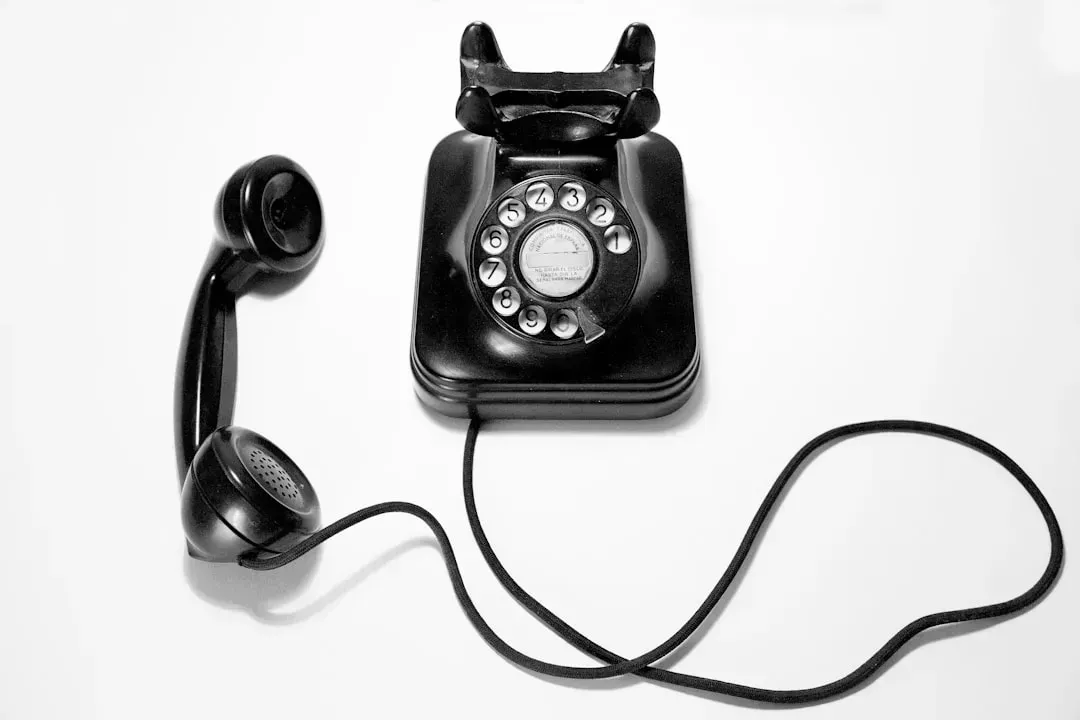
Landlines still exist – and boomers still use them with pride. Many keep landlines for emergencies, better call quality, or simply out of habit formed over decades. Mobile plans may offer flexibility, but landlines provide a sense of reliability and permanence. For a generation that grew up associating a home phone with stability, cutting the cord feels like losing a piece of the household itself.
Some boomers also prefer the simplicity of a home phone, free from apps, notifications, and constant updates. Even as telecom companies phase out traditional services, boomers remain loyal to the landline as a household staple. It’s less about the technology and more about what it represents: a dependable, distraction-free way to communicate.
3. Watching Cable TV Instead of Streaming
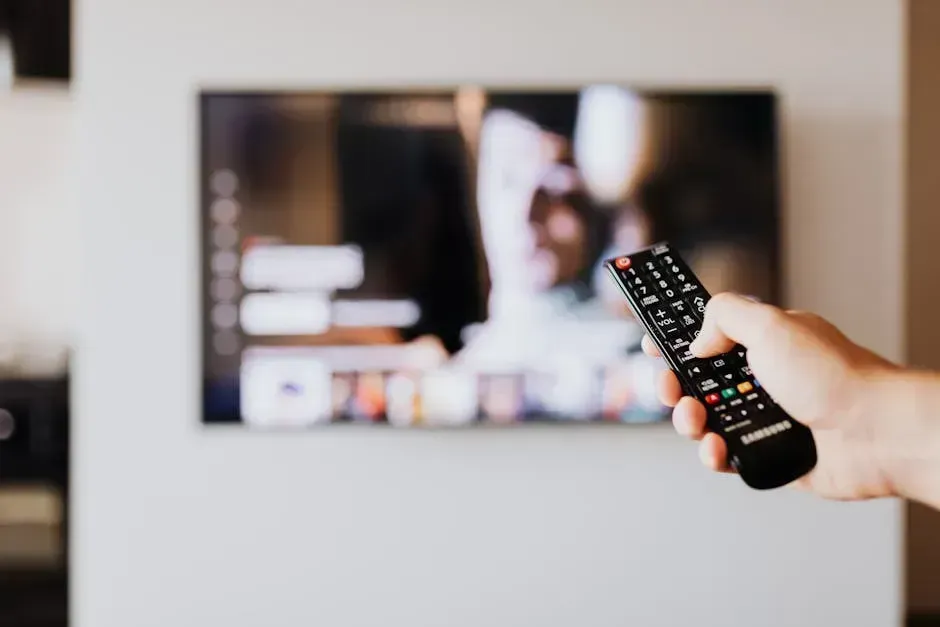
Streaming services may dominate younger households, but many boomers remain steadfast in their loyalty to cable television. Familiar channels, live news broadcasts, and sports coverage offer comfort and reliability that newer platforms struggle to replicate. Many boomers find streaming interfaces confusing or overwhelming, preferring the simplicity of flipping through channels.
Even with rising monthly bills, they see cable as a dependable source of entertainment and information. For them, cutting the cord isn’t just a financial decision – it’s a disruption to a long-standing routine. When you’ve spent forty years knowing exactly where to find the evening news, the idea of navigating an app library doesn’t feel like progress.
4. Reading Print Newspapers and Magazines

Boomers grew up with newspapers and magazines being their primary source of news. Many still swear by the feel of crisp paper and the smell of fresh ink, insisting that it offers a reading experience digital screens can’t replicate. That’s not entirely wrong – research consistently shows that readers retain more information from print than from screens.
Reading the morning paper with coffee is a ritual many aren’t ready to replace with a screen. However, print subscriptions can add up over time compared to free or low-cost digital options. Still, the tactile experience keeps these purchases relevant. For many boomers, the morning newspaper isn’t just information – it’s a ritual that signals the start of the day.
5. Insisting on Phone Calls Over Texts

Calling someone requires their immediate attention, whereas a text can be looked at and responded to when the recipient has time. Many younger people prefer texting over calling and voicemails for normal communication. This tension comes up constantly between boomers and their adult children or younger colleagues, and it’s rarely resolved without some mild frustration on both sides.
For boomers, a phone call signals care and seriousness. Leaving a voicemail shows effort. The idea that a text could carry the same weight feels, to many of them, almost dismissive. While younger generations often find a sense of belonging through curating a specific image on social media, boomers use technology as a mode of connection and communication with the people already in their lives. Boomers aren’t interested in oversharing everything about their routine, seeking validation, or trying to be someone they’re not.
6. Holding Onto Physical Media Collections
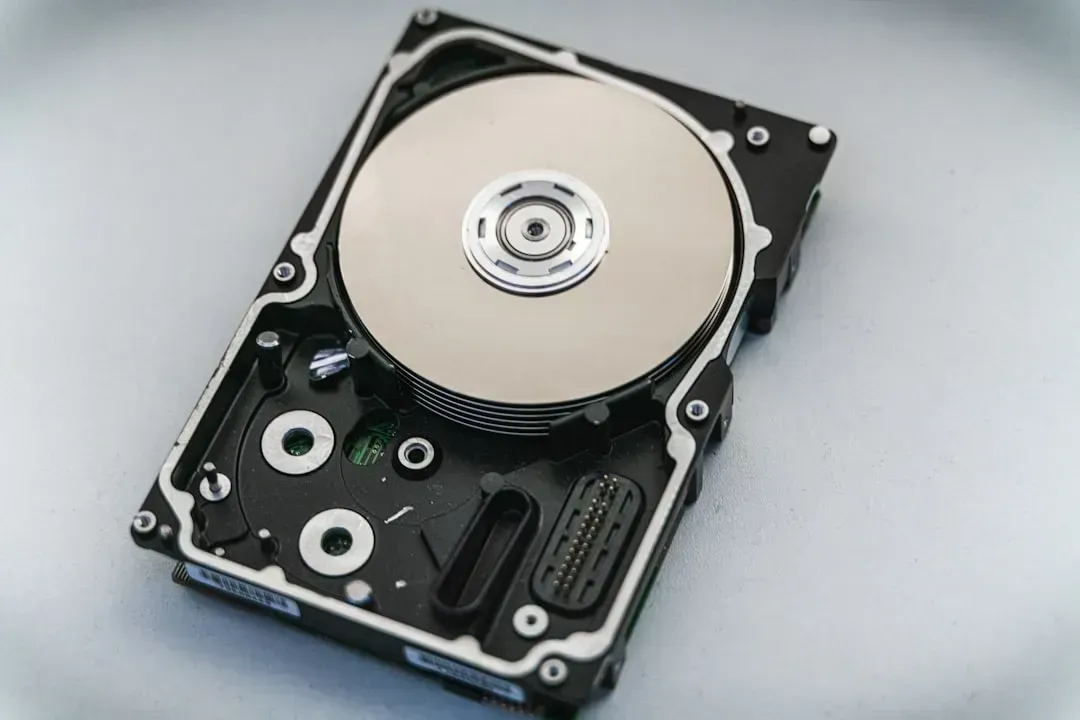
Even in the age of streaming, boomers still buy DVDs and CDs for entertainment. Owning physical media ensures access without relying on internet connections or changing streaming libraries. For instance, a favorite movie or album is always available without subscription fees. There’s a certain logic to this – streaming catalogs shift without warning, and ownership does mean something.
However, storage space and declining device compatibility are growing concerns. Despite that, the idea of ownership continues to outweigh convenience for many. A wall of DVDs, carefully organized and alphabetized, represents something more than just movies. It’s a physical record of a life’s worth of entertainment choices, and letting go of that feels more significant than it might look from the outside.
7. Using Cash for Most Purchases
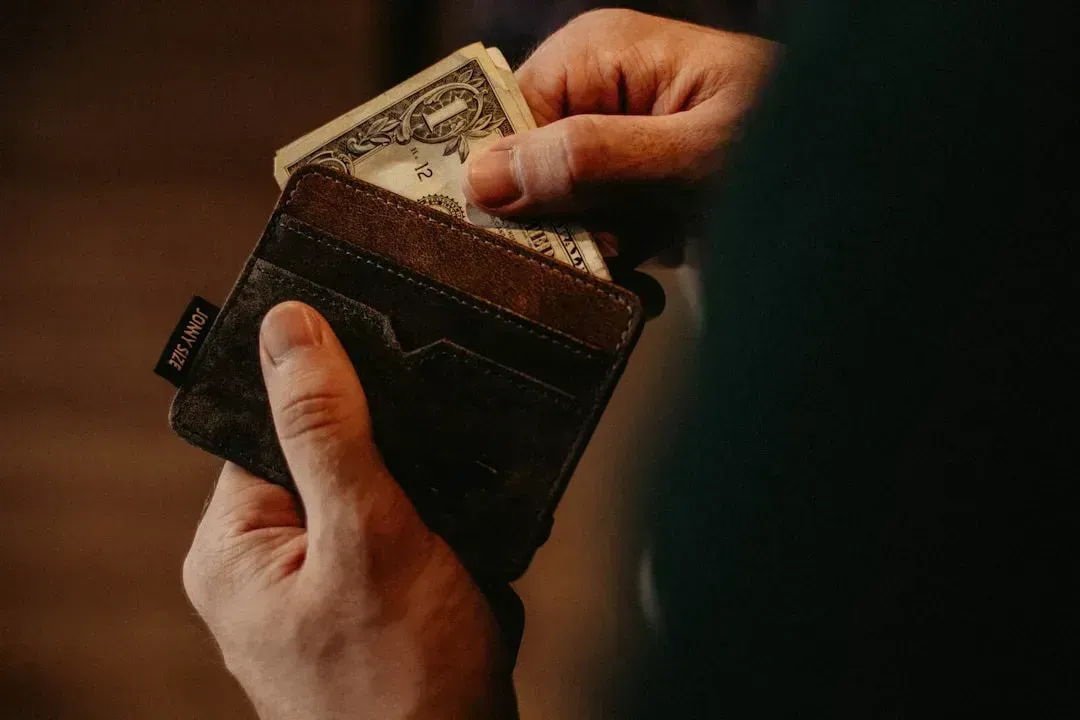
The Federal Reserve’s 2024 Diary of Consumer Payment Choice showed that adults aged 55 and older still use cash for roughly a fifth of all their payments, firmly resisting the cashless society. Carrying physical money provides a comforting sense of security when card readers break down or power outages occur. That’s a practical argument that’s hard to dismiss entirely.
They simply do not want every single purchase they make to be tracked and logged by a credit card company. A few crisp bills in the pocket will always be their ultimate financial safety net. In a world of data breaches and digital surveillance concerns, this habit may look less outdated and more quietly prescient to some.
8. Dismissing Therapy and Mental Health Conversations

Especially for boomers who grew up in a time when seeking help for and speaking out about individual mental health was relatively stigmatized and taboo, it’s not surprising that using therapy for self-care is one of the habits many have no use for. Younger generations have a relatively progressive stance on therapy, often using it as a form of self-care and wellness, rather than a way to address a specific trauma or problem.
Much like having quality time with friends boosts happiness, therapy is a tool to practice emotional intelligence that adds to well-being. However, many boomers are still existing under the weight of mental health stigma. This isn’t unique to boomers – cultural attitudes toward mental health have shifted rapidly over the last two decades, and older generations were simply never given the framework that younger people now take for granted.
9. Printing Out Everything
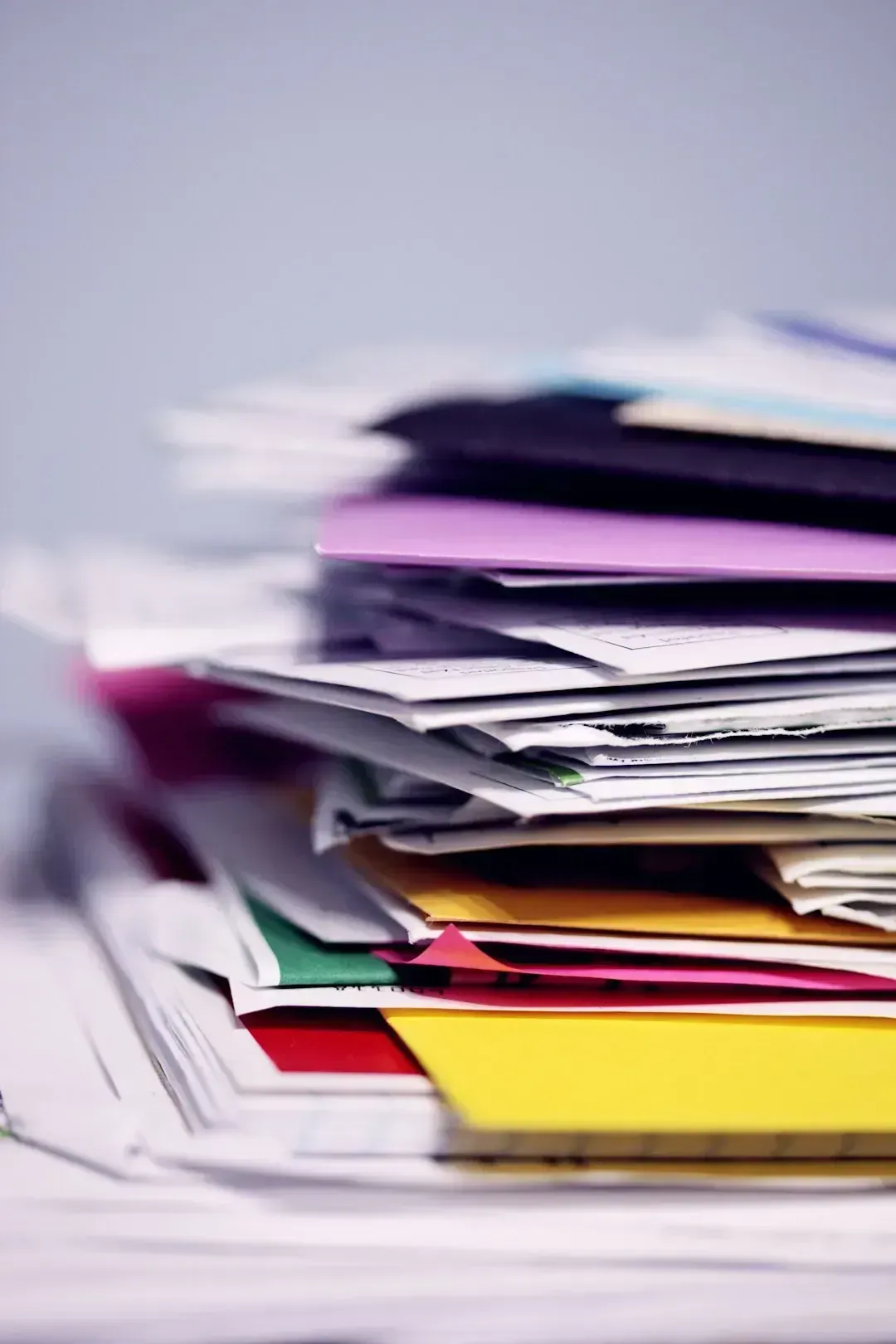
In the workplace, many people don’t understand why some boomers regularly print out emails and other seemingly unimportant things. It’s a waste of paper and resources. Yet for a generation that spent decades managing paper files, the impulse to have a physical copy of anything important is deeply embedded.
According to research from the Pew Research Center on technology adoption across generations, boomers are significantly less likely than younger adults to rely on smartphones and apps for planning and navigation, preferring familiar analog methods even when digital alternatives are more efficient. The printout habit extends beyond the office – travel itineraries, reservation confirmations, receipts. If it matters, it gets printed. It’s a form of preparedness that just happens to look like inefficiency to everyone else in the room.
10. Sticking With Trusted Brands No Matter What
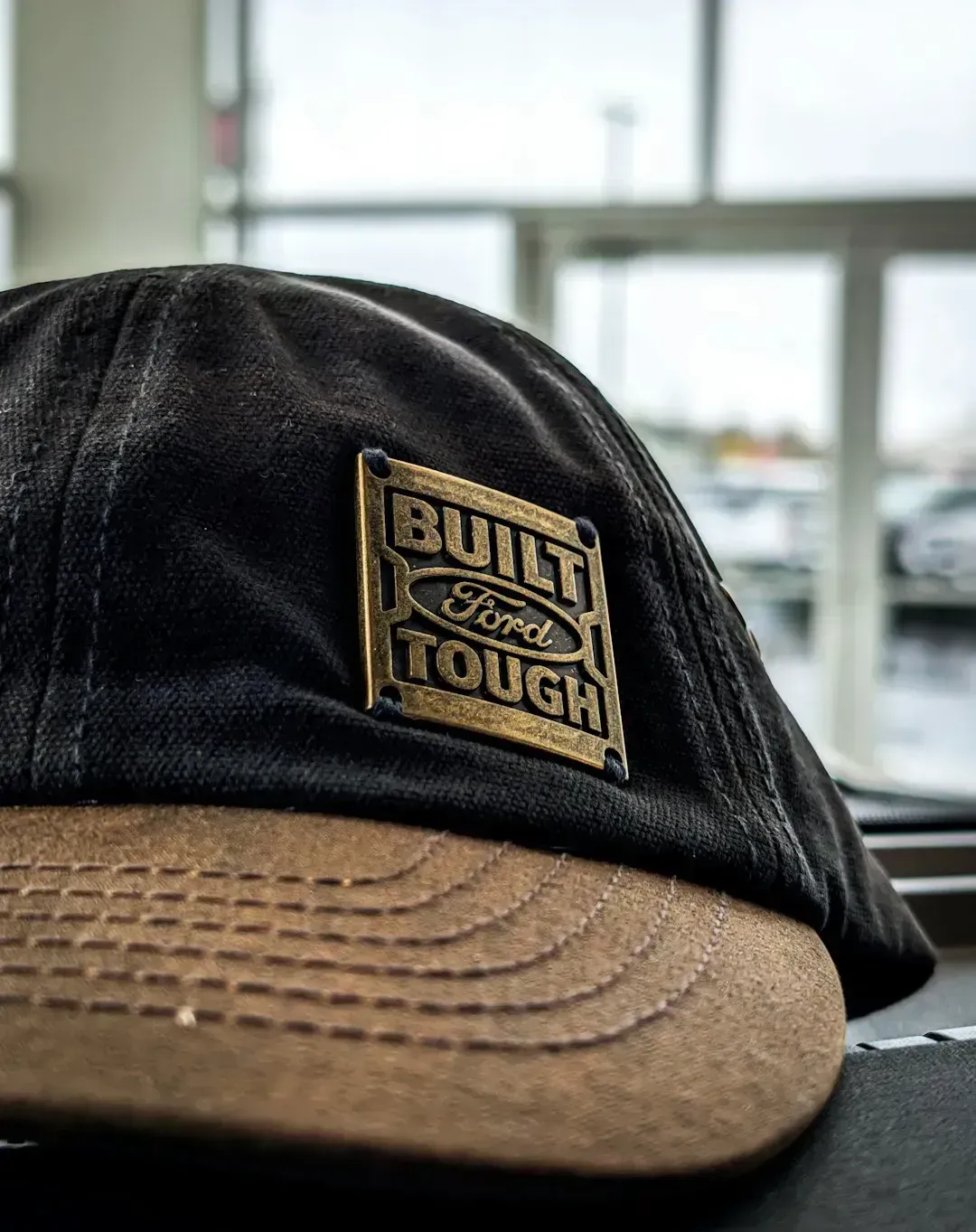
Boomers grew up trusting certain household brands, and they’re not about to switch now. Whether it’s Tide detergent, Campbell’s soup, or Charmin toilet paper, these products represent quality and consistency. Generic alternatives may be cheaper, but boomers often view them as inferior or unreliable.
Baby boomers tend to be more brand loyal than younger consumers. That loyalty was earned over decades of reliable performance, and it doesn’t dissolve simply because a cheaper store-brand option appeared on the shelf below. Baby boomers are more likely than younger generations to discover brands through traditional means like ads in newspapers, stories or articles in newspapers, and emails or letters from companies. Trust, for this generation, isn’t built by a viral ad – it’s accumulated slowly, over years.
11. Refusing to Engage With New Technology on Its Own Terms
While new technology can be hard to learn, some boomers refuse to even try simple things that might make their lives better, like texting, using the internet, or learning how to take photos with their phone. That can really limit the way they interact with their friends and family just because they might be stubborn about technology. The gap isn’t always about ability – it’s often about motivation and the willingness to accept that a familiar way of doing things is no longer the only way.
A 2025 AARP technology survey revealed that a majority of older adults expressed no interest in adopting artificial intelligence platforms or virtual reality ecosystems. That skepticism extends broadly – from AI assistants to app-based services to digital wallets. Talking to a machine for life advice or recipe ideas feels incredibly unnatural to people who value human connection. They would much rather pick up a cookbook or call a friend than ask a computer program for instructions. There’s something genuinely human about that instinct, even if the world keeps building in the other direction.
None of these habits exist in a vacuum, and most of them make perfect sense once you understand where they came from. A generation shaped by economic uncertainty, analog systems, and deeply social norms built its habits accordingly. The friction with younger generations isn’t really about right or wrong – it’s about the speed of change outpacing the comfort with change. That’s a tension that will repeat itself, in different forms, with every generation that follows.



Leave a Reply