
Every generation rewrites a few rules. Sometimes it’s dramatic, sometimes it’s quiet, but the shift is always real. What’s striking about Millennials and Gen Z is the sheer breadth of habits they’re letting go of, from how they drink to how they dress for work, often without much nostalgia for what came before.
Some of these departures are driven by economics. Others reflect a genuine change in values. Deloitte’s 2026 global survey of more than 22,500 Gen Zs and Millennials finds these generations seeking progress on their own terms, prioritizing stability, skills, and well-being over fast-paced growth. That mindset is showing up everywhere, including in the everyday habits they’re quietly leaving behind.
1. Drinking Alcohol as a Social Default

Research from the National Institute on Drug Abuse shows that lifetime drinking, past-month drinking, and past-year drinking among young people began to decline around the year 2000, a trend that has especially impacted Generation Z and some Millennials. This isn’t a fringe movement. According to IWSR’s No/Low Alcohol Strategic Study published in December 2024, roughly three quarters of Gen Z consumers said they had moderated their alcohol intake over the prior six months, compared with a similar share of Millennials and notably lower rates among Gen X and Boomers.
According to a 2025 study, a quarter of Gen Z and Millennials who currently consume alcohol plan to cut back further, and researchers describe this not as a passing trend but as a reflection of deeper lifestyle shifts. Health experts say the shift is tied to greater awareness about alcohol’s impact on the body and brain, with research showing Gen Z is drinking significantly less than previous generations, partly because many young people are more conscious about how alcohol affects sleep, mood, and overall health.
2. Hustle Culture and the “Always Grind” Mentality

Gen Z has broadly moved toward doing the “bare minimum” at their jobs, abandoning hustle culture, with coined terms like “quiet quitting” and the “lazy girl” movement going viral as memes reflecting their preference for work-life balance. This isn’t pure laziness, though it gets framed that way. The APA found that task-switching can eat up to roughly two-fifths of your productive time, and it takes a full 25 minutes to refocus after a single interruption, meaning those packed schedules were essentially sabotaging themselves.
As Gen Zs and Millennials move deeper into adulthood and leadership, they are reshaping how progress at work is defined, often prioritizing stability, skills, and well-being before advancement. When it comes to the workforce, Millennials prioritize flexibility and purpose-driven roles, with many wanting to work for companies that align with their values, while Gen Z seeks support, mental health resources, and inclusivity.
3. Rigid Formal Dress Codes
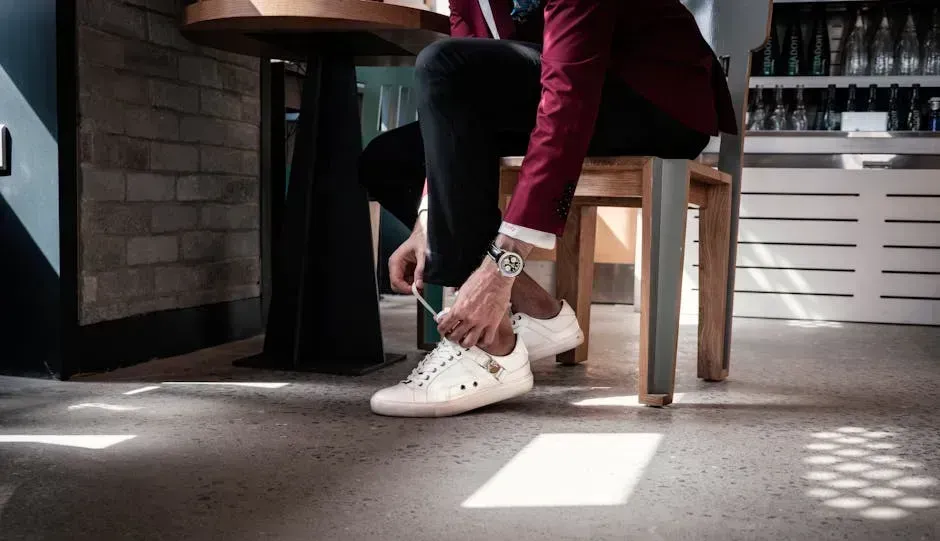
Human resources departments are updating policies that no longer reflect how people actually dress, and etiquette coach Myka Meier notes that some Gen Z workers interpret athleisure as business casual, assuming sneakers fit the same role as traditional office shoes, while many companies are choosing flexibility over strict rules. The traditional suit-and-tie default has lost a great deal of its grip. Changes in the modern workplace have led to a dress code revolution, where what’s appropriate is as varied as where work takes place, with startup tech companies encouraging workers to dress comfortably and employers competing to attract top candidates by offering a casual dress code as a perk.
For many young people, getting dressed is a form of self-expression, where a good outfit does more than look cool and instead signals their taste, mood, values, and belonging. The Gen Z aesthetic rejects stiffness in both communication and fashion, with the generation wanting brands that are relatable and clothes that move with them, which is why relaxed shapes and casual styling dominate so much of Gen Z fashion and the shift away from rigid polish is clear.
4. Loyalty to a Single Employer

Gen Z and Millennials are making career choices that prioritize long-term fit over short-term advancement. The idea of spending decades at one company, collecting a gold watch on the way out, reads as a relic to most people under 40. A recent survey found that roughly two-thirds of Gen Z workers prefer hybrid work arrangements, and they place a strong emphasis on work-life balance. That demand for flexibility itself signals a looser attachment to any one employer.
By 2025, Gen Zers may comprise more than a quarter of the global workforce and have different priorities than previous generations, expecting flexible working, career progression, and a purpose in their work. Staying put out of obligation, without growth or values alignment, simply isn’t the default anymore.
5. Paying Green Premiums for Eco-Friendly Products
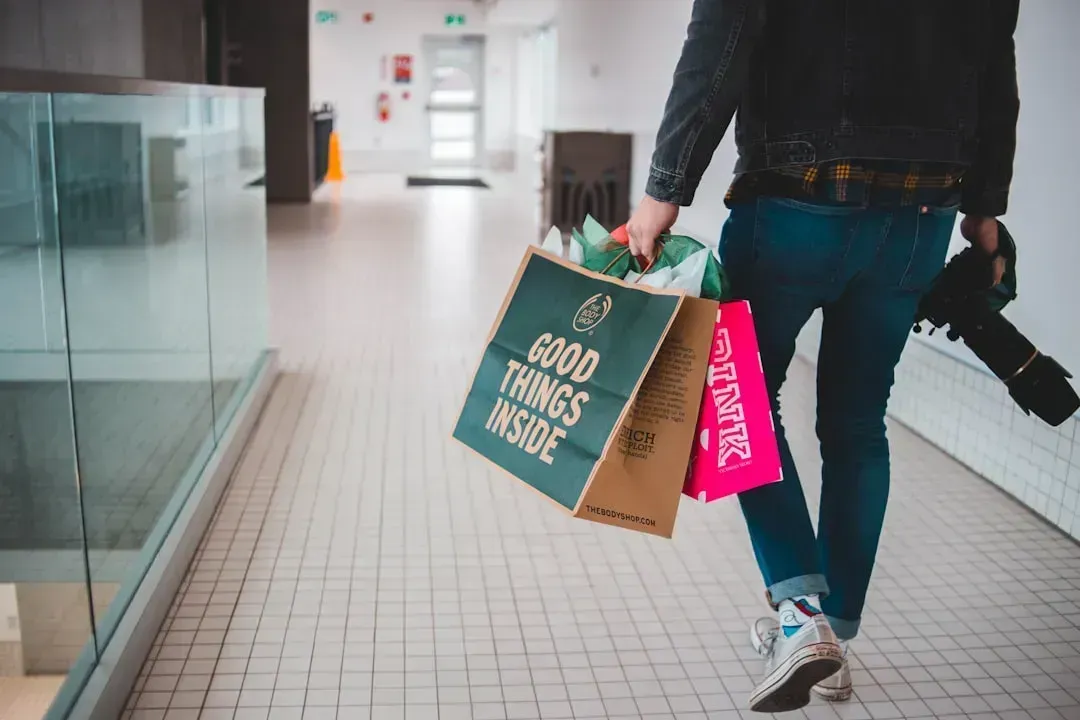
Generation Z, long considered a bellwether for progressive consumer behavior, is showing signs of shifting priorities, with new data from consumer research platform GWI showing that the percentage of Gen Z consumers who say they would pay more for environmentally friendly products has declined by several percentage points since 2020, sitting slightly below the willingness of the average internet user. The broader care for the environment hasn’t disappeared; the willingness to personally absorb the cost has. It’s not that Gen Z doesn’t care, they just want brands to do the heavy lifting, and of all US generations they’re the least likely to feel personally responsible for the environment and the most likely to say brands should do more.
The cultural narrative that Gen Z is inherently more eco-conscious than other generations is being tested by rising economic pressures, and as cost-of-living challenges mount, Gen Z’s consumer values are evolving, with financial security becoming more important than aligning every purchase with environmental ideals. It’s a pragmatic recalibration, not an abandonment of principle.
6. Traditional Cable Television
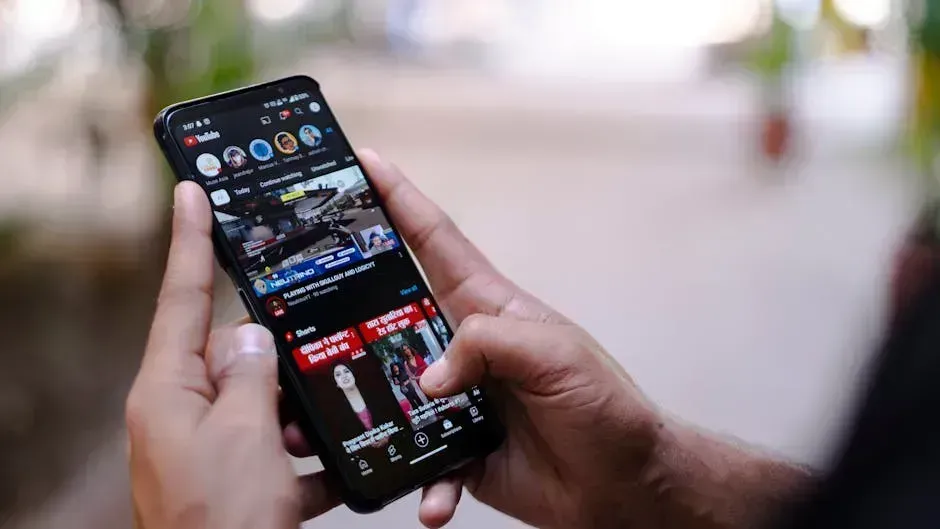
About half of Gen Z and Millennials combined said they spend more time watching social media videos and streaming services than watching legacy television. That number has been climbing steadily. Content value is measured by authenticity and relatability, with over half of Gen Z saying social content feels more relevant, and almost half of younger generations watching more micro-series content now than they did a year prior.
Nearly all Gen Zs either own a smartphone or have access to one, making them the first truly “digital native” generation. Scheduling life around a broadcast timetable, the very foundation of traditional TV, simply doesn’t fit how this group consumes content. Gen Z are digital natives who’ve never known a world without smartphones, social media, or streaming.
7. The Assumption of Homeownership as a Life Milestone

Young Americans are tracking behind their parents’ generations, with only about a third of 27-year-olds owning their home today compared to roughly two-fifths of baby boomers at the same age. Much of this is structural, not a lifestyle choice. More than half of Gen Zs and Millennials say they are delaying major life decisions, such as marriage, starting a family or business, or furthering education, due to their financial situation.
Gen Z isn’t diving into big, life-changing purchases yet, with only about six percent planning to buy property, and the number of Gen Zers planning to get engaged has dropped by about a quarter since early 2024, while those planning to marry is down noticeably as well. What were once assumed rites of passage are increasingly seen as goals to reach on one’s own terms, if at all.
8. Overspending on Subscriptions Without Reviewing Them
Research has found that many Millennials overspend on services like streaming platforms, with a notable share reporting they exceed budgets on subscriptions for services like Netflix, Amazon Prime, Disney Plus, and Hulu. Experts are now calling on younger generations to audit these habits. Gen Z and Millennials hold the most active subscriptions, but that average has declined from over four services across all generations in 2024, suggesting some course correction is underway.
Over the last 12 months, nearly three quarters of Gen Z took steps to improve their financial health, with nearly two-thirds focusing on reducing expenses, including cutting back on dining out and shopping at more affordable stores. Subscription creep is increasingly recognized as one of the cleaner places to find savings, and younger consumers are starting to act on that.
9. Absorbing Financial Advice Only from Traditional Institutions

YouTube is a major influence for younger generations, with how-to videos, commentary channels, and entertainment often replacing traditional experts, as a Millennial or Gen Zer might learn personal finance tips from a YouTube channel rather than a financial advisor. The shift is practical as much as cultural. Financial education and money management are top priorities for Gen Z, with many seeking out resources to improve their financial literacy, including nearly a quarter wanting their bank to offer a financial advice hotline and over a third wanting access to online financial courses.
Gen Z employs innovative saving methods often inspired by online trends and social media, with one popular approach being the “100 Envelope Challenge” and “loud budgeting” gaining traction on TikTok, where users publicly share their budgeting strategies and financial goals, fostering community support and accountability. The tools have changed; the underlying desire to build financial stability has not.
10. Worrying About Brand Names Over Value

While older generations believed they would have ample opportunity to earn wealth, most Gen Z grew up with an understanding that the economy won’t always be in their favor, making them much more careful with their money and spending far more time researching their purchases. Brand loyalty for its own sake is fading. Gen Z is both budget-conscious and tech-savvy, with price being the top factor for over half of them when buying household essentials.
More than half of Gen Z have bought directly through social platforms, and younger shoppers are putting nearly half of their apparel budget toward the secondhand market, with Gen Z style being built from a mix of resale finds, trend-driven content, and pop culture references. Paying full price for a logo, without clear practical or quality justification, is increasingly seen as the less savvy move.
11. Relying on Social Media Purely for Passive Scrolling
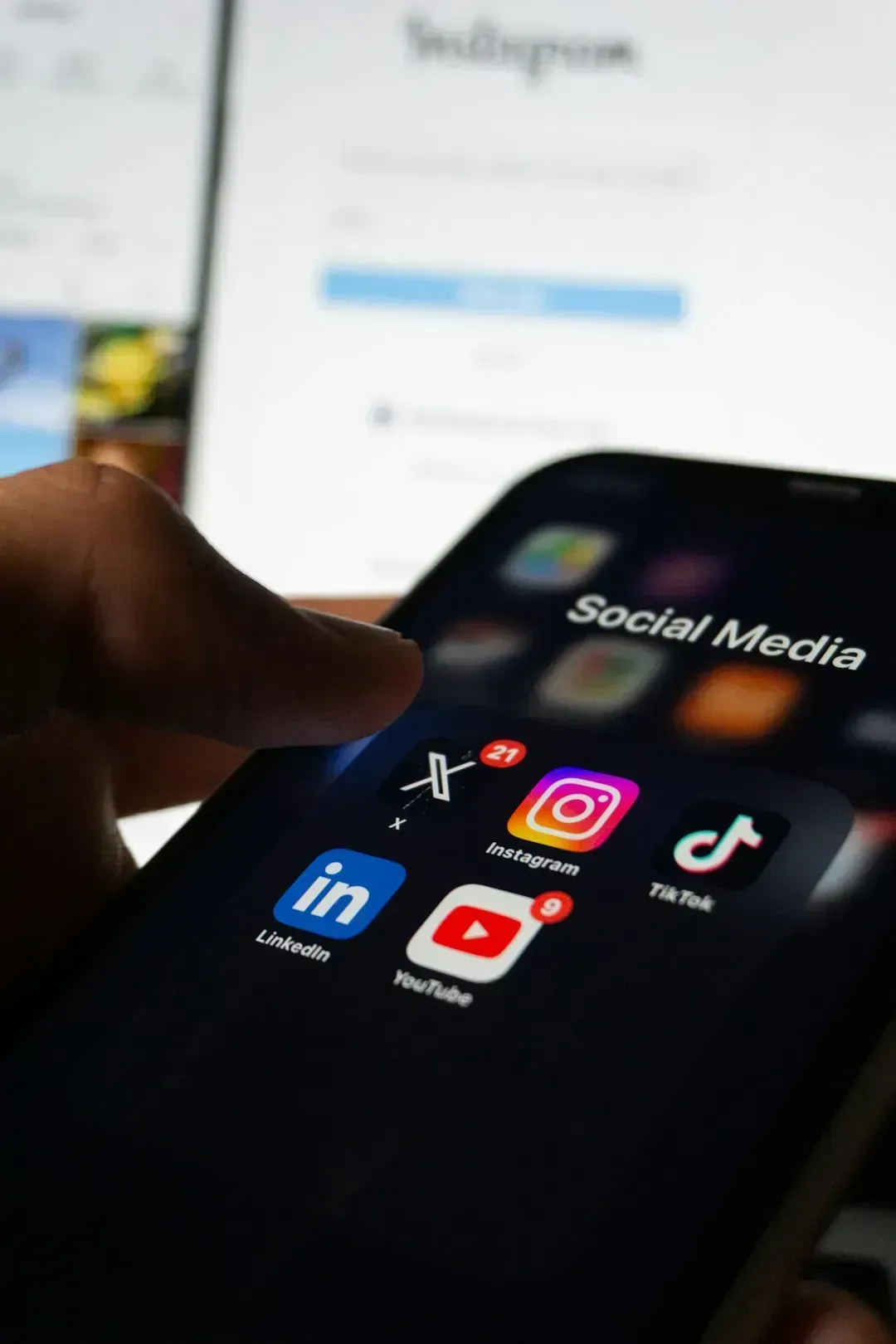
Social media still plays a big role in Gen Z’s lives, but they’re not just using it for scrolling and swiping, as between 2020 and 2024 the number of Gen Z TikTokers using the app to message friends and family jumped by over four-fifths. The platforms have become genuine communication infrastructure. Roughly four-fifths of Gen Z and Millennials report that an influencer’s endorsement has at least some influence on their purchase decisions.
Social media isn’t just a form of entertainment for Gen Z but a tool, with statistics showing the younger generation is more likely to partake in online interaction with brands they enjoy, use YouTube for product research, and even make purchases through social media sites and live events. The line between browsing and doing has blurred substantially for this group.
12. Pursuing Flashy Materialism Over Experiences

Gen Z prioritizes experiences over material things and is far more likely to scroll and shop on their phones than browse in-store. Travel and lived moments rank high on the priority list. For Gen Z, travel is right at the top of their priority list, with about a third of Gen Z resolution-makers in late 2024 saying they planned to travel more frequently during the year ahead, with international vacation bookings bouncing back from post-pandemic lows.
Gen Z is also more likely than other generations to travel solo when they find a destination they love, with about a third planning a trip alone compared to smaller shares among Millennials, Gen X, and Baby Boomers. Clearly, this is a generation that values experiences, prioritizing destinations with beautiful photo ops, outdoor adventures, and unique cultural activities over accumulating things that simply sit on a shelf.
What holds all 12 of these shifts together is less about rejection and more about recalibration. Younger generations are applying a kind of quiet pragmatism to habits that older generations often treated as fixed truths. Whether economic pressure is accelerating these changes or whether they reflect something deeper in how this cohort sees the world, the trajectory is clear and it’s moving in one direction.




Leave a Reply