
There’s a particular kind of nostalgia that hits differently when you think back to the 1980s. It wasn’t just about neon colors or big hair – although those were certainly part of it. Being the cool kid back then came down to the things you owned, carried, and wore, and the social currency each one represented was surprisingly real. A single item could shift your entire social standing before first period even started.
The rules of cool in the ’80s were unwritten but universally understood. Throughout the decade, there were a number of items that every kid had to get their hands on. Having these items guaranteed an ’80s adolescent would be walking into school as one of the cool kids. Here are six of the most iconic.
The Sony Walkman
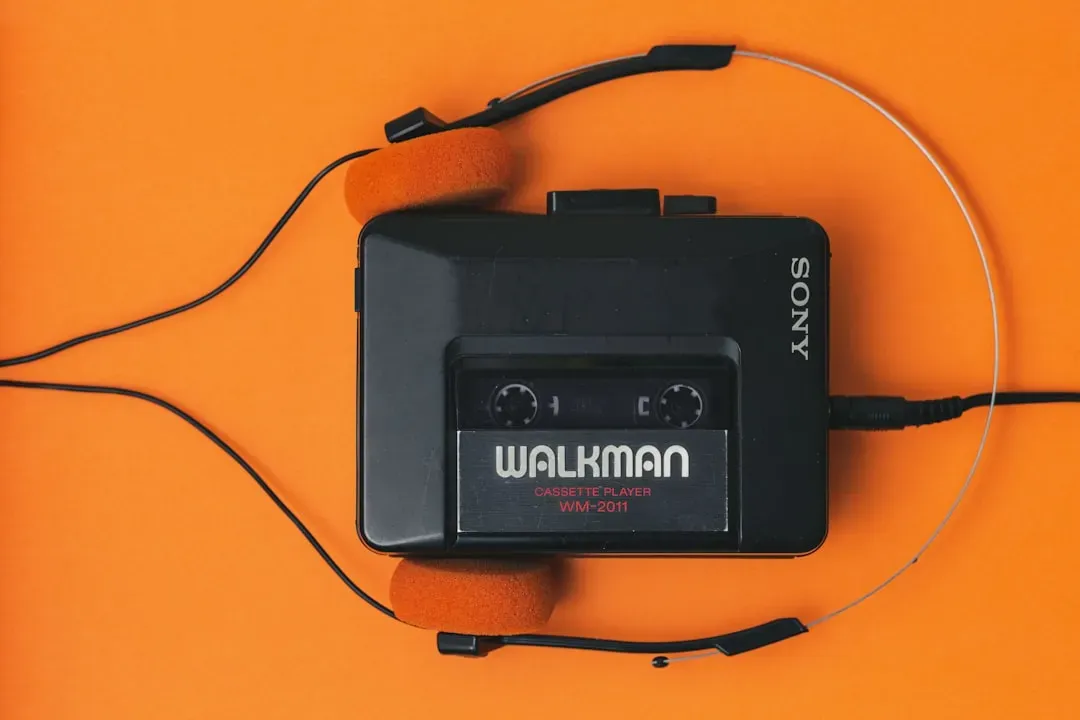
The Sony Walkman, introduced in 1979, was your personal soundtrack on the go in the ’80s. Pop in a cassette, slip on the foam headphones, and you were transported into your own music bubble. Flipping the tape became a zen-like ritual, and managing battery life – often with spare AA batteries in your backpack – was part of the experience. There was something almost cinematic about walking down the street with headphones on, completely in your own world.
The Sony Walkman revolutionized how kids experienced music, giving them the freedom to carry their favorite songs wherever they went. The ritual of creating the perfect mixtape, the anxiety of your batteries dying at the worst moment, and the joy of sharing headphones with a friend created some of the most intimate musical moments of childhood. Orange foam headphones became a fashion statement, and the distinctive click of the play button was the sound of escape. Whether you were listening to Madonna, Michael Jackson, or whatever your older sibling introduced you to, the Walkman made you feel like you had your own personal soundtrack to life.
The Boombox
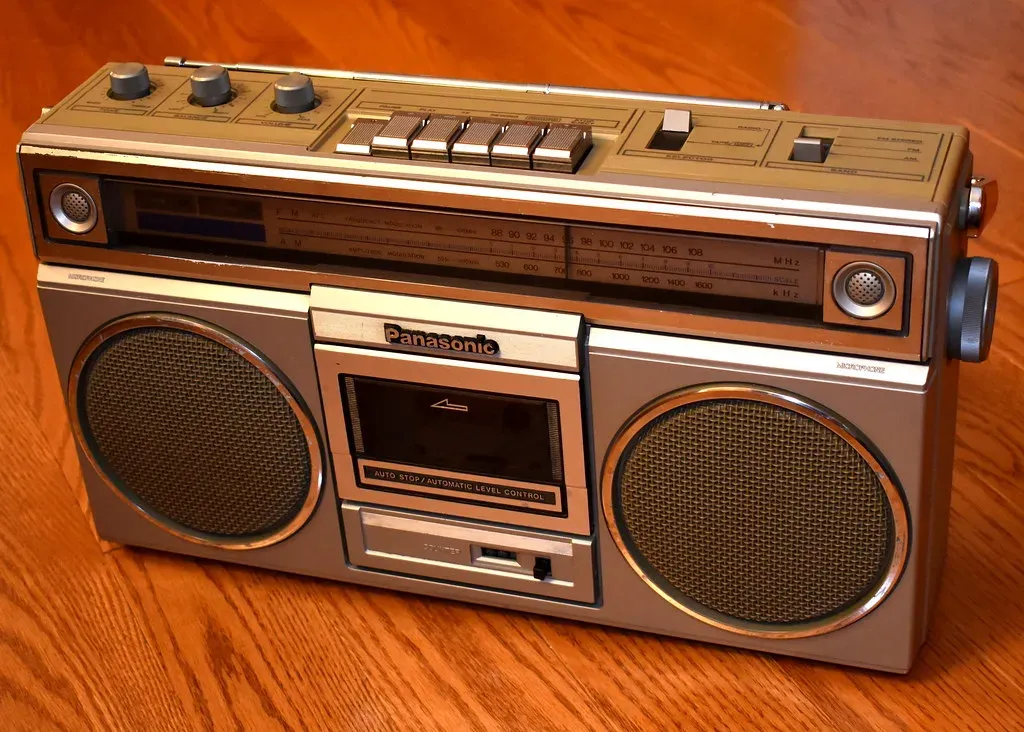
In the ’80s, if you wanted to bring the party with you, you needed a boombox. These massive portable stereos were a common sight on city streets and in parks. They were the ultimate symbol of cool, often featured in hip-hop and breakdancing scenes in movies. Boomboxes came in all sizes, but the biggest and loudest ones were the most coveted. Carrying one on your shoulder wasn’t just a choice – it was a statement.
Initially introduced to the American market during the mid-1970s, the boombox’s popularity surged in the ’80s, becoming almost a status symbol. With the change in musical genres and the boombox’s ubiquitous presence on the streets, over time, these portable radios became increasingly larger, some even reaching the size of a suitcase. Frequently used in music battles, the rise of the boombox brought music to the streets and to the kids, giving the opportunity to many rising artists to prove their musical and rapping ability to their peers.
The Atari 2600
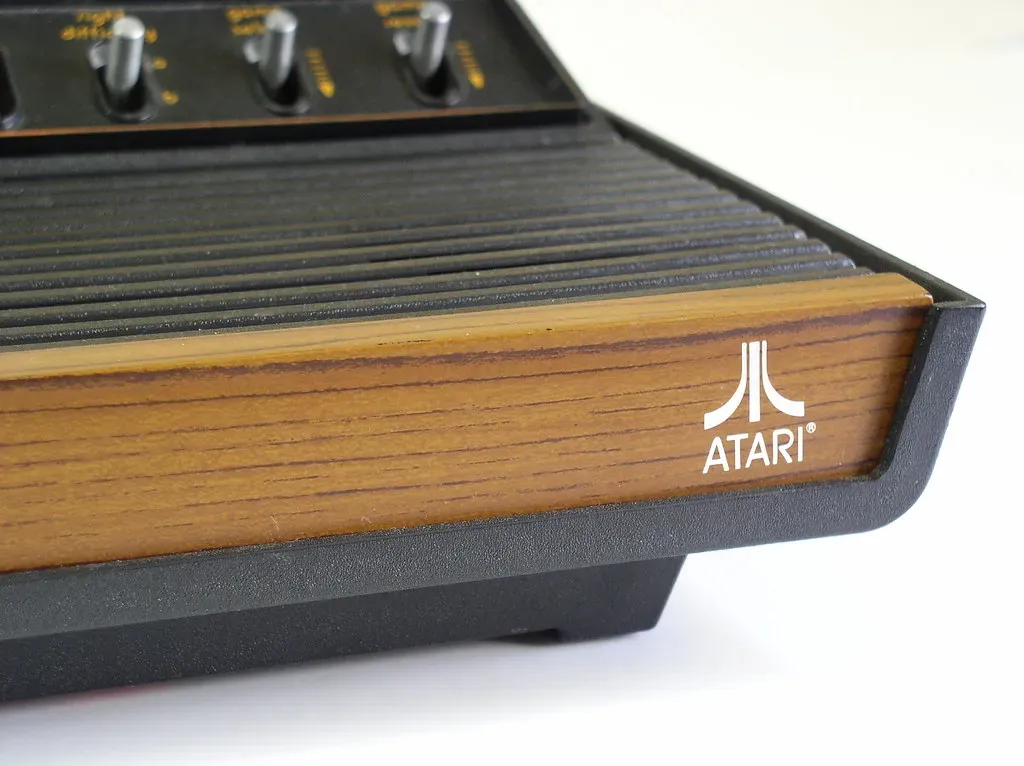
It was like having an arcade in your very own living room. Sure, the graphics were horrible, but no one cared. Any kid lucky enough to have their own Atari 2600 was the most popular person in their neighborhood, with friends and would-be friends lining up outside the door for the chance to play Pong, Space Invaders, Breakout, or Pitfall! That kind of social pull was impossible to fake.
Before the NES took over, the Atari 2600 was the console that introduced many kids to the magic of home gaming. Released in the late ’70s but exploding in popularity through the ’80s, it transformed living rooms into arcades with classics like Asteroids, Pitfall!, and Adventure. Its joystick and cartridge system were simple, yet revolutionary, offering a variety of games that could be swapped in seconds. While Atari eventually lost its lead to Nintendo and Sega, it laid the foundation for the video game industry we know today.
The Members Only Jacket
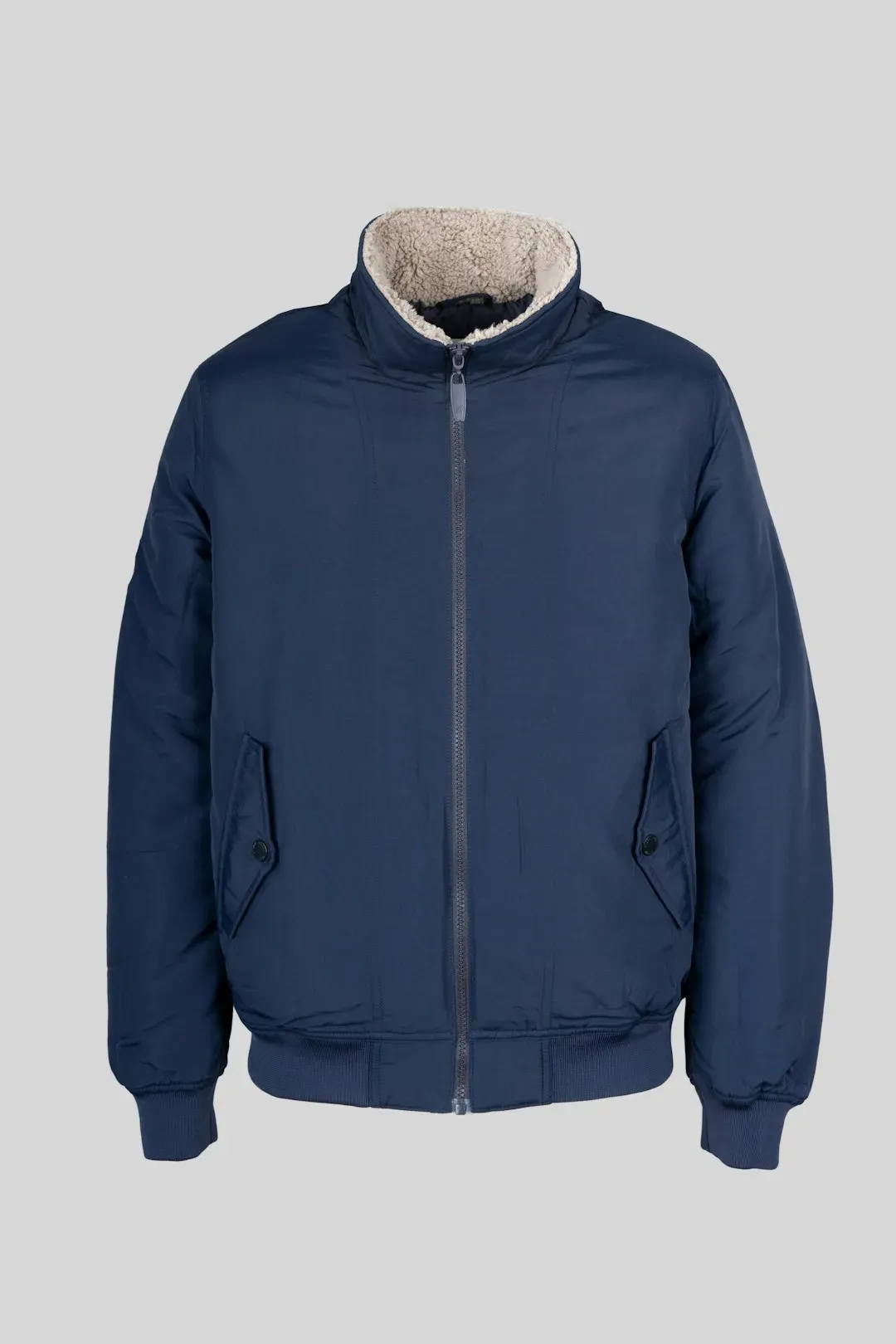
The brilliance of the Members Only jacket is that it promised exclusivity when in reality it offered nothing of the kind. When a cool kid wore a Members Only jacket, they were presenting themselves as part of an elite clique of social insiders. The name alone did most of the marketing work. It implied you were in on something, even if everyone around you was wearing the exact same thing.
Sales of the Members Only line peaked in the 1980s at anywhere from $100 million to $200 million, depending on whom you ask. It was popular enough for multiple companies from Florida to South Korea to try to smuggle counterfeit jackets to market. It was popular enough to launch a fragrance in 1985 with a $2 million marketing budget. Michael Jackson sported a black Members Only jacket in his “Thriller” music video, one of the most influential music videos of all time. His association with the jacket, along with its appearance in numerous other ’80s films, TV shows, and music videos, made it a must-have item for fans of pop culture.
The Trapper Keeper
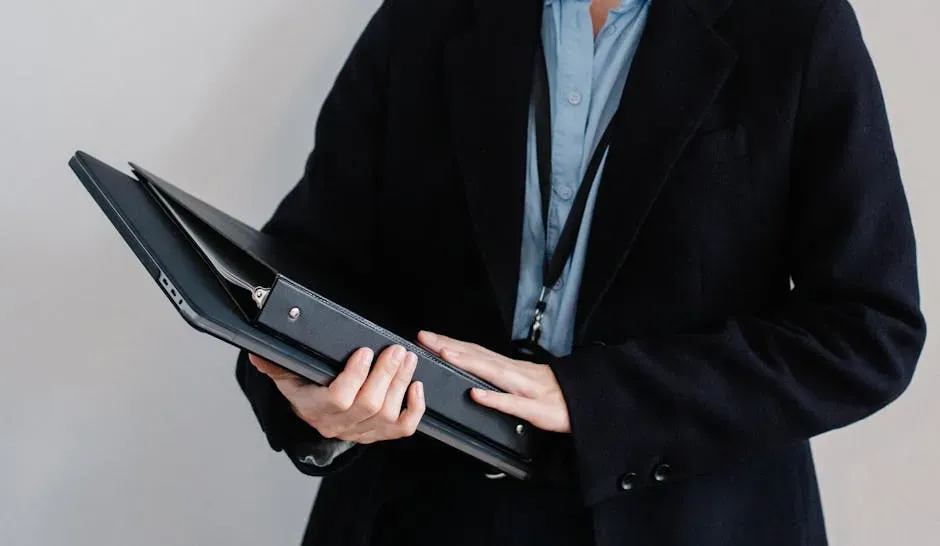
In the neon glow of the 1980s, few school supplies carried as much cultural clout as the Trapper Keeper. More than just a binder, it was a symbol of organization, self-expression, and status – an accessory that turned back-to-school shopping into a ritual of identity. It came in bright neon colors, geometric patterns, and popular themes ranging from unicorns to race cars. This wasn’t just school gear – it was self-expression. For kids in the 1980s, showing up with the newest Trapper Keeper design was one of the best ways to make a first impression.
By the mid-’80s, Trapper Keepers were everywhere. Their satisfying Velcro rip echoed through classrooms nationwide. Kids traded covers, decorated them with stickers, and flaunted their latest designs like fashion statements. Teachers sometimes banned them for being noisy or bulky, but that only added to their mystique. They weren’t just tools – they were trophies. Owning a Trapper Keeper meant you were organized, stylish, and in the know.
Air Jordans
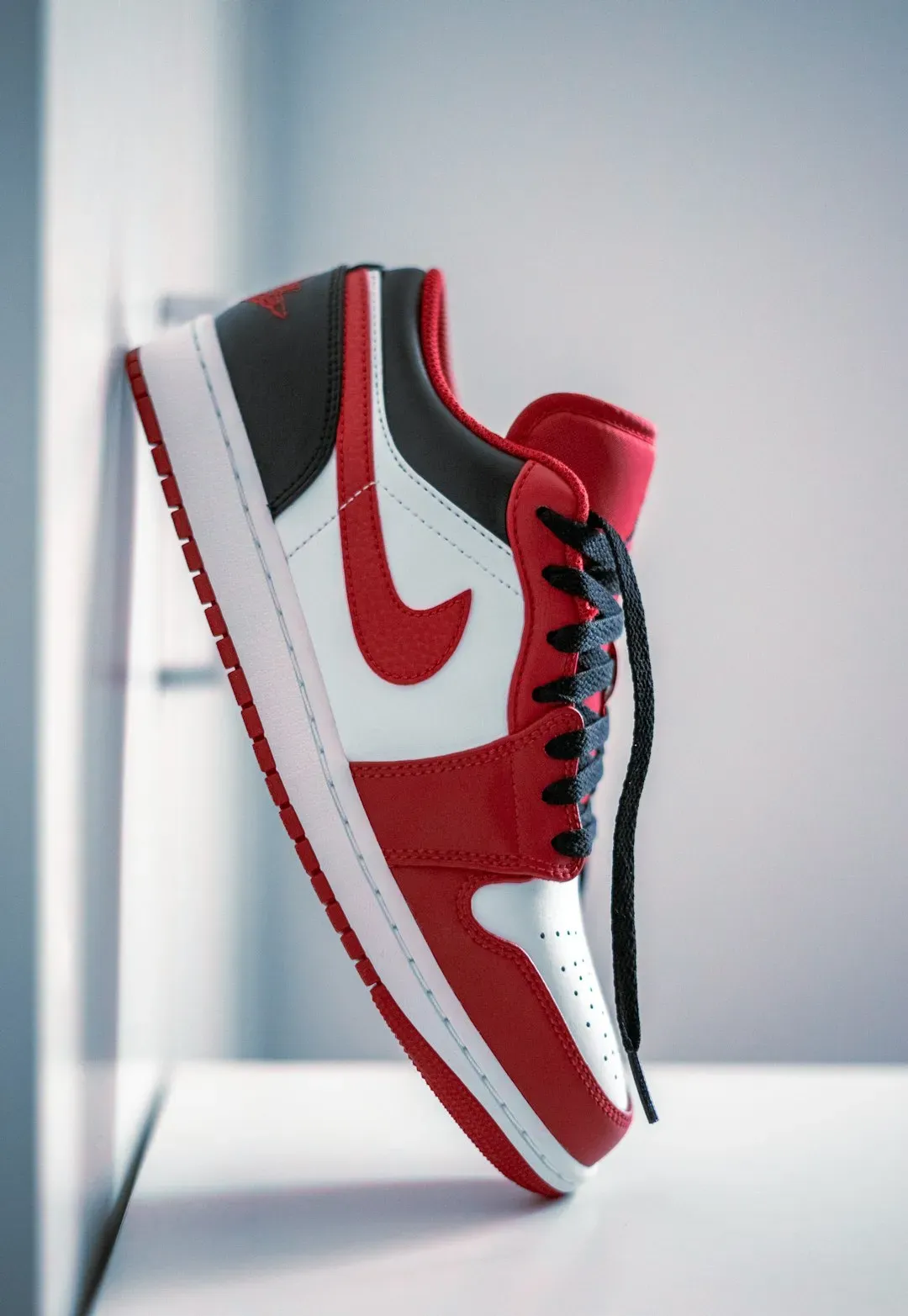
While the ’70s had its bell bottoms, the ’80s gave us sneaker culture. Air Jordans weren’t just shoes – they were status symbols. Launched in 1984, after Jordan won a Gold Medal at the Olympics, Jordan signed a five-year, $2.5 million contract with Nike that led to one of the most iconic and sought-after shoe brands in footwear history. Kids didn’t just want to wear them – they wanted to be seen in them.
Nothing was worse in school than to watch the “cool kids” walk into class with a new pair of Air Jordans or sporting the coolest new Trapper Keeper. If you were a kid or a teenager in the ’80s, you either owned or wanted to own one or more of these things. The original Air Jordan 1 was actually banned by the NBA for violating uniform rules, which only made kids want them more. That kind of rebellious credibility was something money alone couldn’t manufacture – though, to be fair, it definitely helped.
Looking back, what these six things had in common wasn’t price or brand – it was the way each one became a shorthand for identity. In a decade before social media, your stuff did the talking for you, and that made choosing it feel like the most important decision in the world.



Leave a Reply