
There’s something deeply familiar about the American diner. The hiss of a flat-top grill, a laminated menu thicker than a paperback novel, and bottomless coffee poured by someone who’s worked the same counter for twenty years. These places built their identity on feeding people simply, affordably, and well.
American food culture has changed dramatically over the decades, leaving behind dishes that once filled dining tables and diner menus across the country. Some classics have quietly disappeared as tastes evolved, health trends shifted, and new flavors took center stage. The result is that whole categories of once-loved food have slipped off menus without much fanfare, replaced by grain bowls and avocado toast. Here’s a look at the diner favorites that are increasingly hard to find.
Liver and Onions: The Dish That Divided the Counter
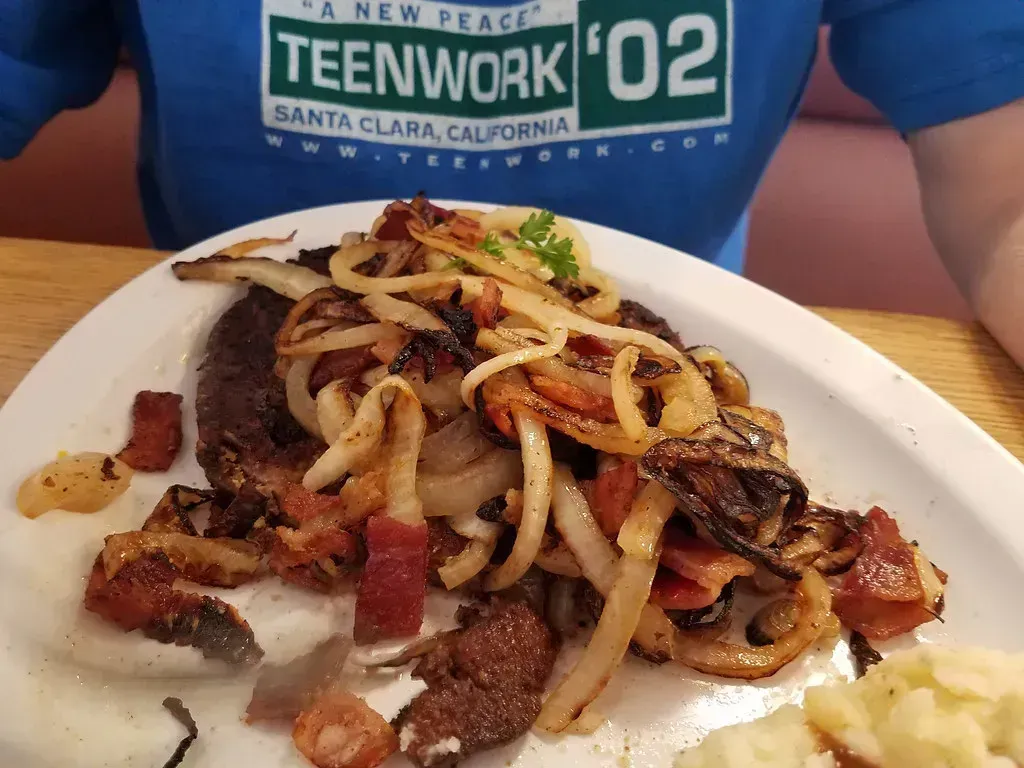
Liver and onions was popular in the 1950s for its low cost and satiating ability, but younger generations aren’t fans today, prompting its steady disappearance from menus. The dish was traditionally prepared by pan-frying thinly pounded, flour-dredged beef liver with caramelized onions, and it was a common fixture on 1950s dinner tables.
Love it or hate it, liver and onions was once a proud fixture on American restaurant menus, especially in diners and steakhouses. The dish earned its fans through rich, iron-packed flavor and deeply caramelized onions that softened its boldness. Food historians say its decline came as younger diners grew unfamiliar with organ meats. Preparing it well takes real skill – overcook it by even a minute and it turns rubbery.
Salisbury Steak: From Diner Hero to Frozen Aisle Relic
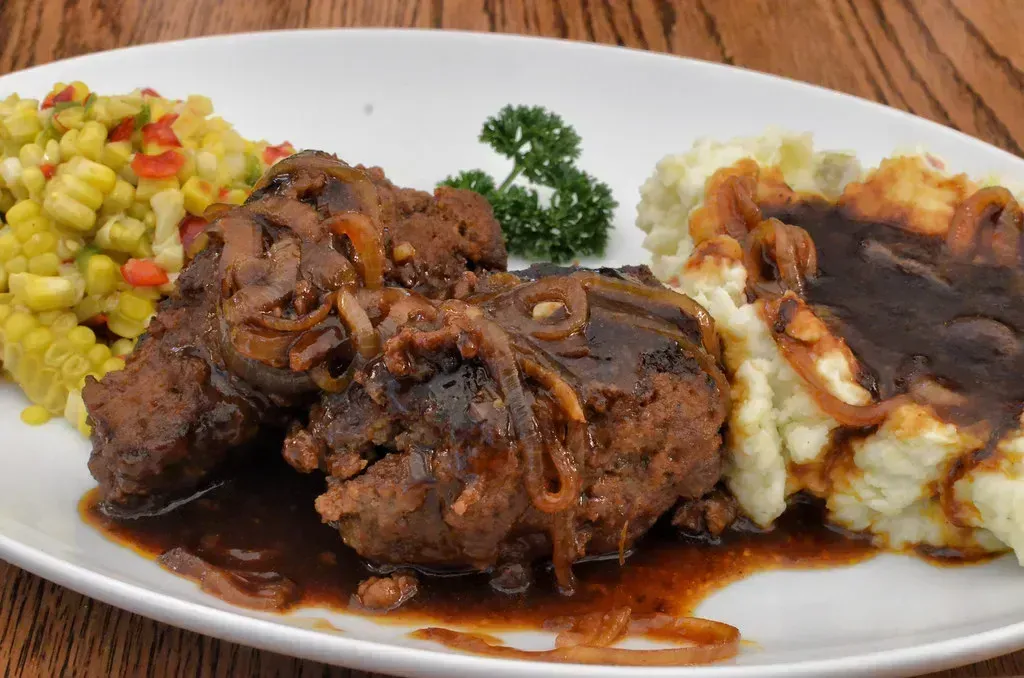
Salisbury steak is a classic hearty diner dish involving ground beef in a creamy mushroom gravy, often served with potatoes. The simple diner dish was also often the star of 1950s canned food and TV dinners, but it didn’t start out as a diner staple. It was actually invented by a doctor named James Henry Salisbury, who wanted to help prevent malnutrition in American soldiers during the Civil War.
Salisbury steak slowly faded from many restaurant menus in the 2000s as more diners gravitated towards fresher, less processed meals. It is now a rarity outside of school lunches and frozen grocery aisles. Today it mostly survives as a frozen TV dinner, which is a real shame – when made fresh, the gravy clings to each bite and the beef stays juicy, and experts agree the scratch-made version is a completely different and far better experience.
Creamed Chipped Beef on Toast: A Wartime Staple Gone Quiet
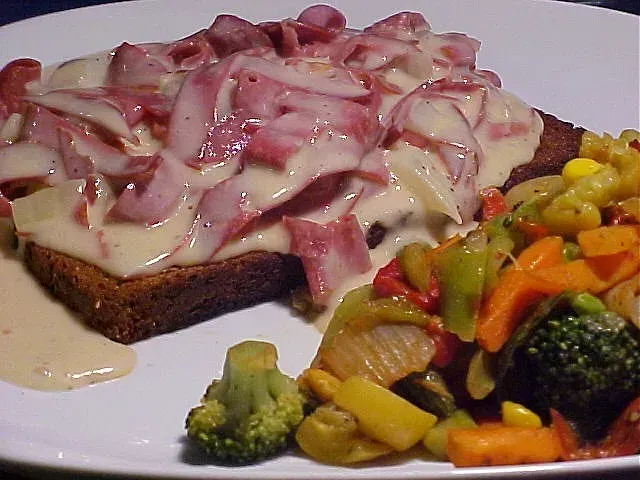
Creamed chipped beef on toast consists of thin slices of dried beef in a creamy white sauce, ladled over toast. Diners adopted it in the mid-20th century because it was inexpensive, easy to prepare, and felt like a step up from a plain hamburger patty. Throughout the 1940s and 1950s, it was a popular, everyday meal, but frozen TV dinners and cafeterias eventually made it feel institutional rather than special. Today, it’s rarely found in diners.
There was a time when you could walk into a diner-style restaurant chain like IHOP or Cracker Barrel and find creamed chipped beef on the menu, but those days are behind us, as both chains have discontinued the diner classic. However, you can still find the dish served in a few diners across the country – Tastee’s in Maryland, for example, has offered it since at least the 1980s and it’s still on the menu today.
Tuna Casserole: The Queen of the Blue Plate That Lost Her Crown
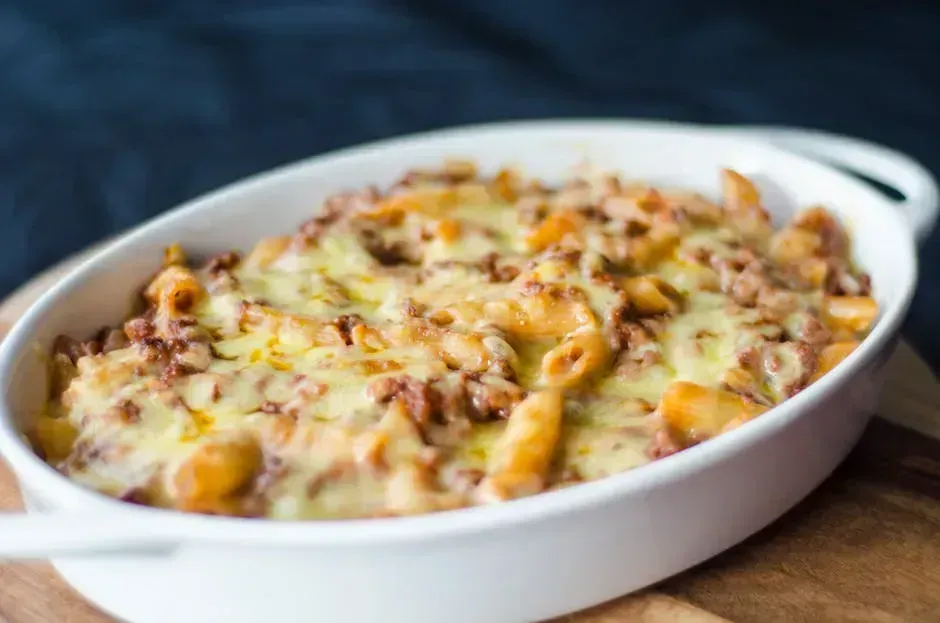
Tuna casserole first made an appearance in Sunset magazine back in 1930, and by the 1950s it was riding the popularity charts. It became a perfect fit for a post-war America discovering its penchant for convenience foods and electric appliances. The typical version combined noodles, canned tuna, and cream of mushroom soup, often finished with a crunchy topping of breadcrumbs or crushed potato chips – it fit neatly into the homestyle cooking diners specialized in.
By the 1980s and 1990s, its appeal had begun to dull. Environmental issues like overfishing and sustainability, worries over high mercury content in tuna, and a growing awareness of the ill effects of high-sodium diets all contributed to its waning popularity as words like “organic,” “fresh,” and “health foods” became the new standard. Tuna casserole hasn’t gone extinct as yet, but its rare sighting at dinner tables makes it an endangered species.
Chicken à la King: From Hotel Luxury to Diner Staple to Forgotten
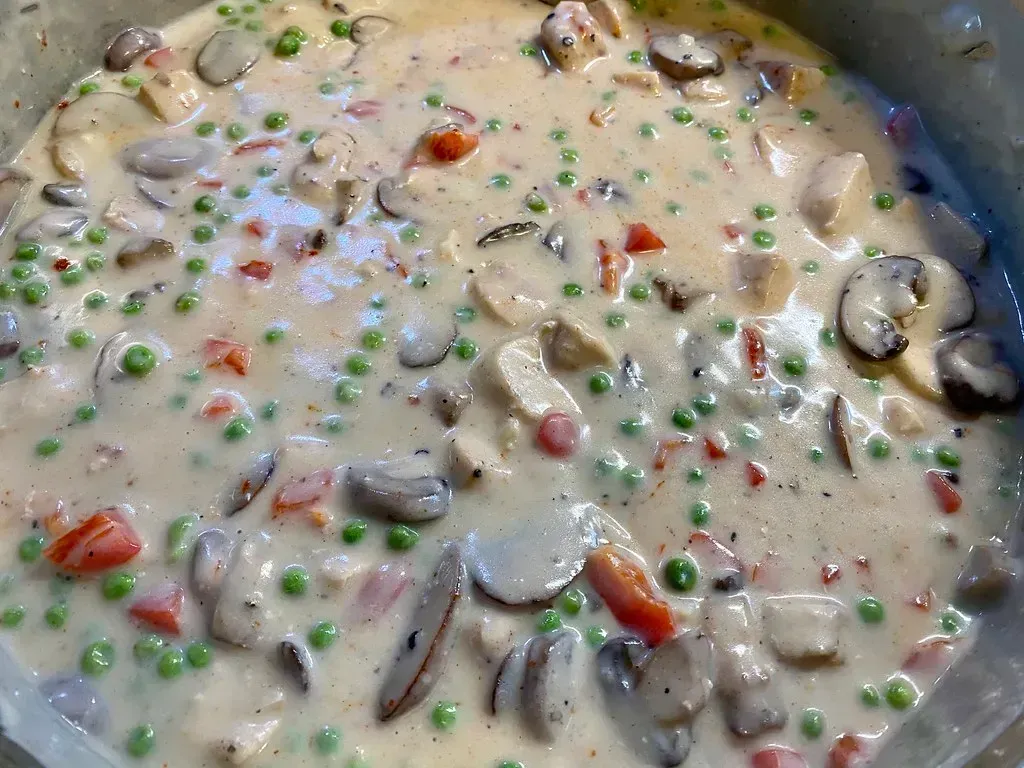
If there ever was diner royalty, it was Chicken à la King – chunks of chicken cooked in a creamy white sauce with mushrooms, peppers, and peas, poured over toast, rice, or noodles. It originated as a hotel dish in the early 1900s, but by mid-century it had become a staple in diners everywhere. It looked classier than your average blue plate special but was cheap enough to fit the menu. By the 1970s, it had become just another heavy cream dish that didn’t fit with changing tastes.
The dish appeared on an estimated 300 different restaurant menus between 1910 and 1960 as a standard banquet item. Today, the heavy sauce is seen as dated and unhealthy compared to grilled or roasted options, and the dish has been effectively relegated to the history books or hospital cafeterias. Food writers were already penning its obituary by the 1980s as “New American” cuisine took over.
Oyster Stew: A Coastal Classic Priced Off the Menu
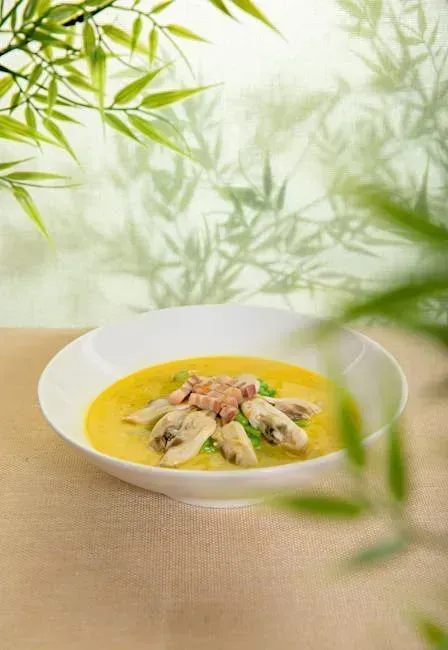
By the 1800s, a production boom saw the price of oysters plummet, and the American working class couldn’t get enough. Markets and oyster bars sprang up in cities like New York, New Orleans, and Baltimore, while trains and the rise of refrigeration helped distribute canned oysters further inland. They were perfect for the diners that sprang up across the country in the early 20th century, where oyster stew regularly featured on menus.
Oyster may not sound like diner fare today, but for much of the 20th century, oyster stew was a menu fixture. The dish thrived because oysters were plentiful and inexpensive, so even inland diners could serve it using canned oysters. As oyster populations dwindled and prices climbed, and as diners shifted toward pancakes, burgers, and fries, oyster stew quietly disappeared.
The Blue Plate Special: An Entire Tradition Fading Away
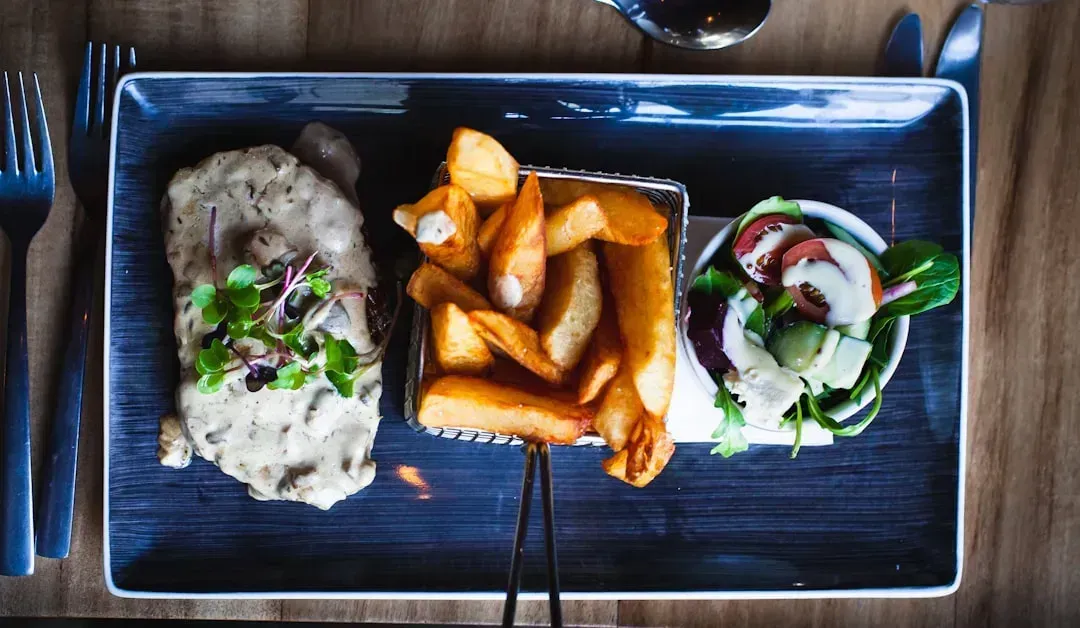
The Blue Plate Special is the name given to an inexpensive plated lunch or dinner served in American diners and other inexpensive restaurants. The tradition has been around since at least the 1920s and was a hearty and cheap meal perfect for the hardworking but money-strapped folks of the time. The blue plate special refers to any large and hearty, inexpensive plated lunch or dinner with generous servings – usually a main dish with meat, three or four vegetables, bread, and a drink.
The practice was common from the 1920s in American and Canadian restaurants through the 1950s, especially in diners and greasy spoons. As of 2026, there are still a few restaurants and diners that offer blue-plate specials under that name, sometimes on blue plates, but it is a vanishing tradition.
Roast Beef Manhattan: A Midwest Diner Icon Almost Nobody Knows
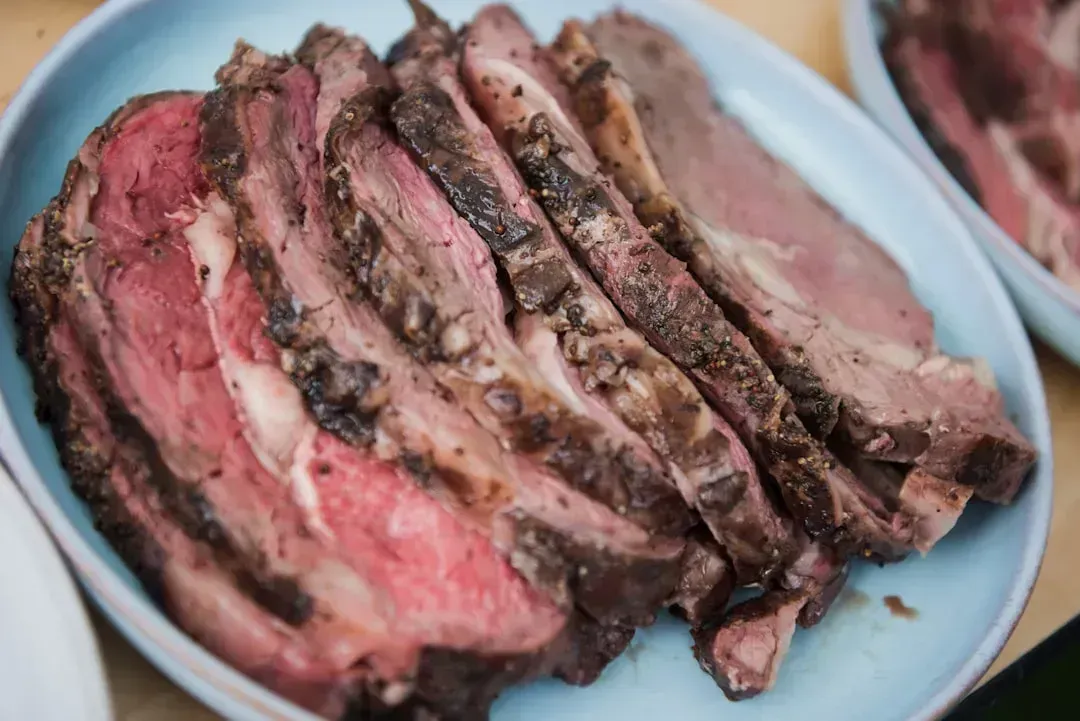
Another once-popular restaurant dish seems to be edging toward extinction: roast beef Manhattan. If you go to a more modern restaurant without the tradition of years behind it, you’ll likely get a blank stare if you ask for it. The origins of roast beef Manhattan trace back to a delicatessen in Indianapolis, Indiana, back in the 1940s. Also known as beef Manhattan or Manhattan hot shot, it consists of beef, bread, mashed potatoes, and gravy.
It seems that rather old-fashioned eating spots are the only places to find roast beef Manhattan these days. There’s a group of restaurants in the heart of Ohio’s Amish country, for instance, operated by a company called Dutchman Hospitality Group that’s been around for over half a century. A glance at the restaurant menus would tell you time is standing still here – one of the items is, you guessed it, roast beef Manhattan.
Liverwurst Sandwiches: A Humble Staple With a Troubled Exit
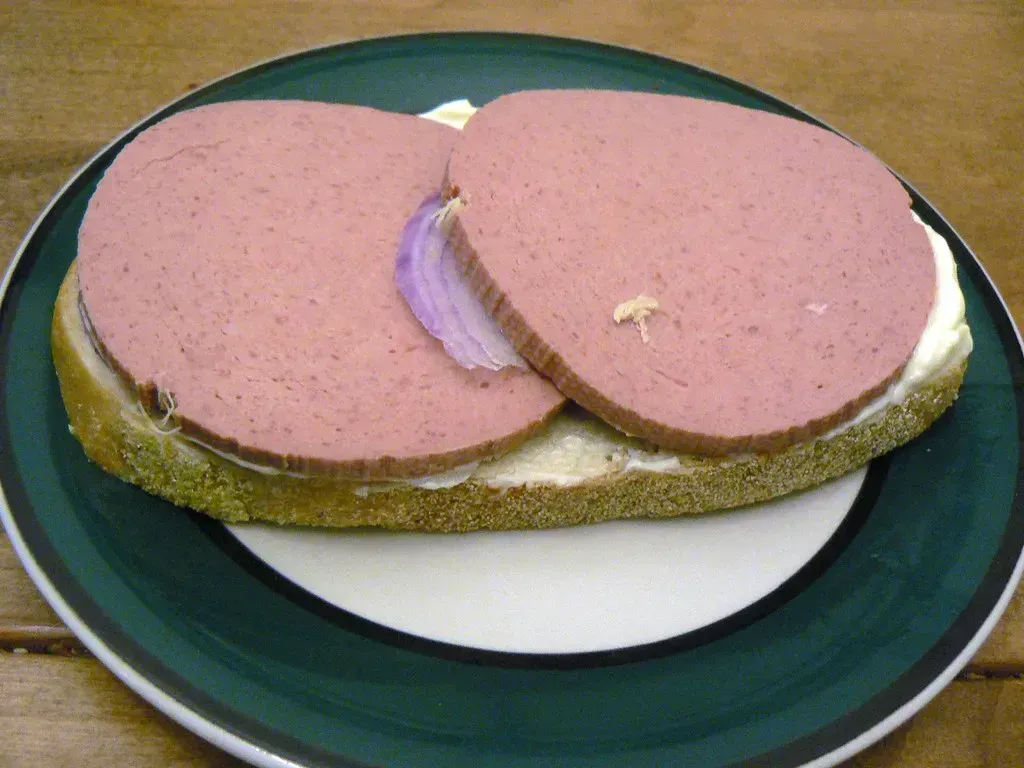
Much like liver and onions, you’re unlikely to frequently come across liverwurst sandwiches on menus today. The meat, a German sausage made with liver, was popular in the 20th century largely because it was cheap. It hasn’t stood the test of time, though. Old diner menus from the 1930s routinely listed it alongside sardines and oysters as an everyday sandwich filling, a world away from today’s menus.
In 2024, Boar’s Head, one of the biggest U.S. suppliers of deli meats like liverwurst, ended its production of the processed meat entirely after a major Listeria outbreak at one of its plants. That development effectively closed the door on liverwurst’s lingering presence in American deli cases and diner kitchens alike, making what was already a rare order even harder to find.
Tapioca Pudding: The Diner Dessert That Lost Its Audience
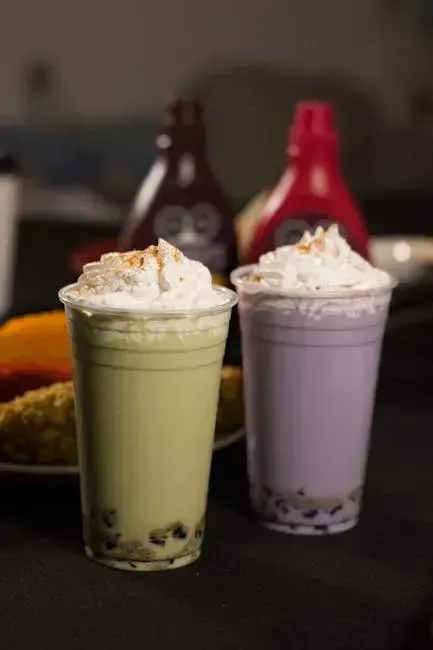
Classic creamy tapioca pudding was once a standard dessert on every kid’s menu and diner list. The tapioca market has shifted entirely to beverages, with the bubble tea industry now valued at billions globally. The pearls are now chewed in drinks rather than spooned up in a warm vanilla custard.
Interestingly, the tapioca market is actually booming, but almost entirely due to the bubble tea craze. The pearls are now chewed in drinks rather than spooned up in a warm vanilla custard. The old-fashioned pudding version is quickly becoming a relic. Rice pudding has similarly largely vanished from diner menus. It hasn’t disappeared entirely, as some retro-style spots still keep it alive, but it has been overshadowed by more modern desserts – cakes, pies, and elaborate sundaes took over as diners leaned into items that felt more indulgent.
Ham Steak with Pineapple: The Sweet-Savory Icon of Mid-Century Menus
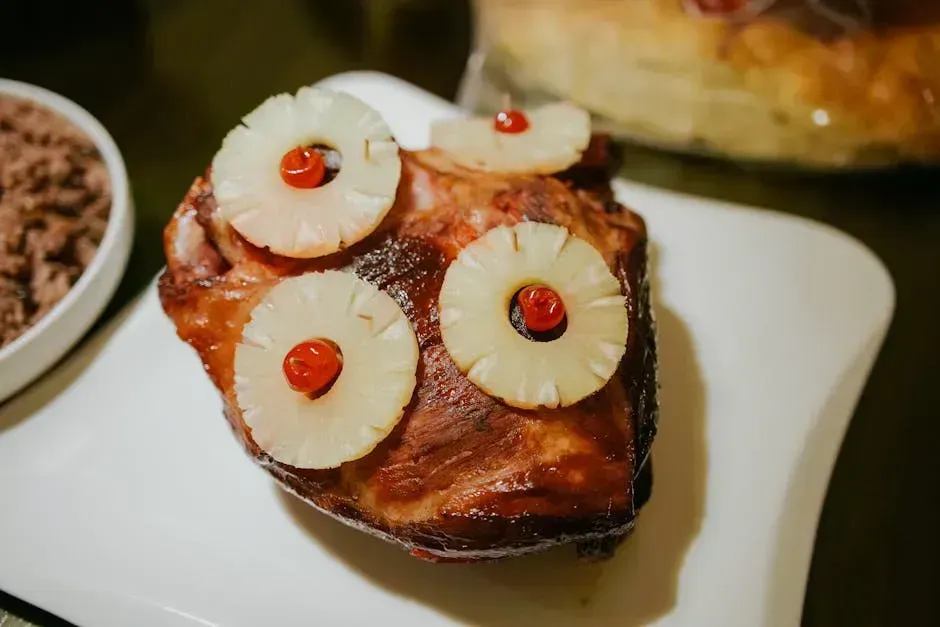
Ham steak with pineapple rings was practically the mascot of mid-century American dining. A thick, bone-in ham slice grilled or pan-fried and topped with caramelized canned pineapple rings and a brown sugar glaze was sweet, salty, and satisfying all at once. It showed up on diner menus, supper club specials, and family restaurant boards with cheerful regularity. The combination of ham and pineapple was considered the ultimate sweet-savory pairing long before anyone argued about it on pizza.
As culinary tastes grew more sophisticated and canned fruit fell from grace, this dish quietly disappeared. It still makes an appearance at holiday tables, just rarely at restaurants anymore. While ham still shows up in various guises on modern diner menus – chopped in omelets and salads, thinly sliced in sandwiches – ham steaks, which are nothing more than bigger, thicker slices of ham, have fallen out of favor.
The Bigger Picture: Why These Dishes Keep Vanishing

Many of these classic diner staples were beloved by American consumers, but changing food trends and preferences have played a big role in their decline. Formerly popular dishes may now be considered too stodgy or too heavy, or they may have just fallen off the radar in place of trendier fare. There’s also the hard economics of a diner kitchen – labor costs, shrinking margins, and the pressure to attract younger customers all push owners toward simpler, safer menus.
The restaurant scene of 2024 and 2025 revealed a story not just of changing tastes, but of financial reckonings long postponed. As iconic brands that defined casual dining for generations face existential threats, their struggles reveal deeper truths about American consumption patterns, post-pandemic economics, and the fragility of nostalgia as a business model. The old diner dishes didn’t disappear because they were bad. They disappeared because the world around them changed, and the counters where they were served are changing too.


Leave a Reply