
Most great recipes have an origin story involving careful planning, years of refinement, and deliberate craft. Then there’s the other kind: the ones born from a moment of panic, spite, distraction, or sheer luck. Surprisingly, food history is full of those. Some of the most beloved dishes on the planet came into existence because something went wrong – an ingredient ran out, a burrito slipped, a sauce was forgotten in a cellar for two years.
What makes these stories compelling isn’t just the accident itself, but what happened next. Someone chose to taste the mistake rather than throw it out. That single decision changed kitchens worldwide. Here are nine recipes that pivoted mid-creation and ended up shaping the way the world eats.
The Chocolate Chip Cookie: A Substitution That Redefined Baking

There might not be a happier accident in culinary history than the chocolate chip cookie, which was created by Ruth Graves Wakefield in the 1930s at the Toll House Inn in Massachusetts. While making her signature cookies, she realized she was out of baker’s chocolate, so she broke up a Nestlé chocolate bar and stirred the pieces into the batter, expecting them to melt into chocolate cookies. They didn’t melt. They held their shape, turning into those now-iconic pockets of gooey chocolate in every bite.
The cookies became so popular that the recipe was published in a Boston newspaper, and what began as an accidental twist on a butter cookie quickly became a sensation. Nestlé reportedly purchased Ruth’s recipe for only one dollar, a job writing other recipes, and free chocolate for life. Today, her Toll House cookie recipe can be found on the back of every yellow bag of Nestlé chocolate chips sold. Not bad for a kitchen substitution.
Tarte Tatin: The Upside-Down Rescue
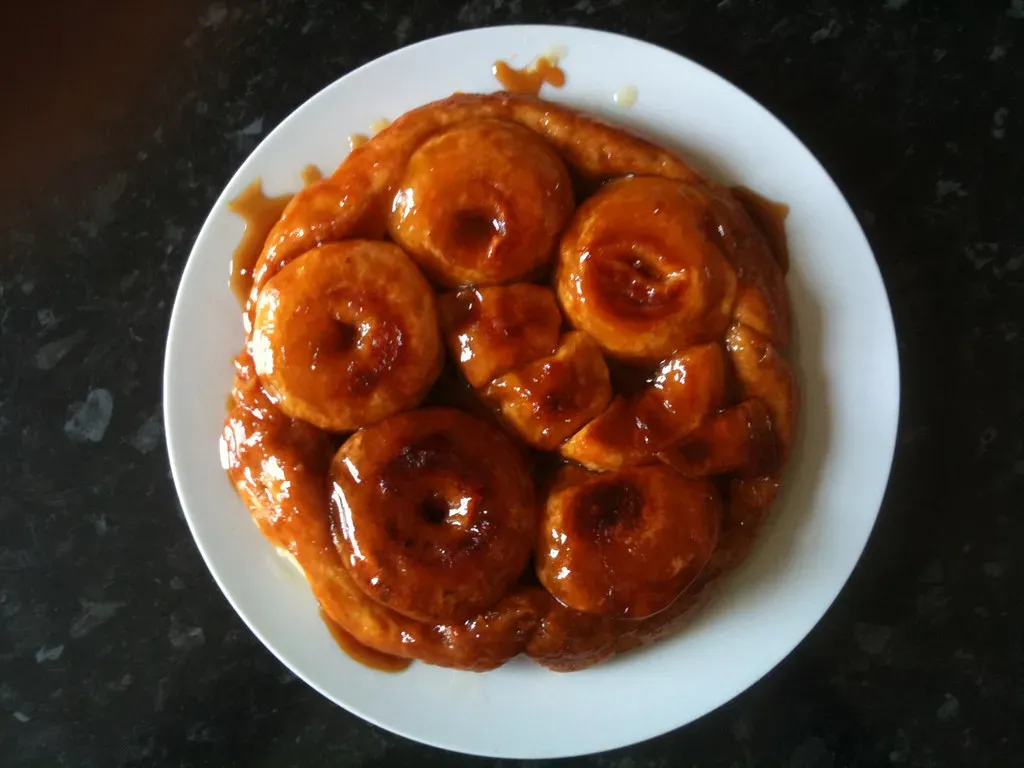
In the 1880s, sisters Stéphanie and Caroline Tatin ran a hotel in France. One day, Stéphanie accidentally overcooked apples in butter and sugar while making a traditional pie. To save it, she threw pastry on top and baked it upside down, and guests loved it. The Tarte Tatin became a French classic. The whole thing was essentially a cover-up that became a crown jewel of French patisserie.
During a particularly busy lunch service, she absent-mindedly forgot to add the pastry to the tart first. The apples caramelized in the heat, and in a flurried attempt to hide her mistake, she threw some dough over the apples – and the Tarte Tatin was born. The Tarte Tatin is now a staple in fine dining, and it was never meant to exist.
Potato Chips: Revenge Served Crispy
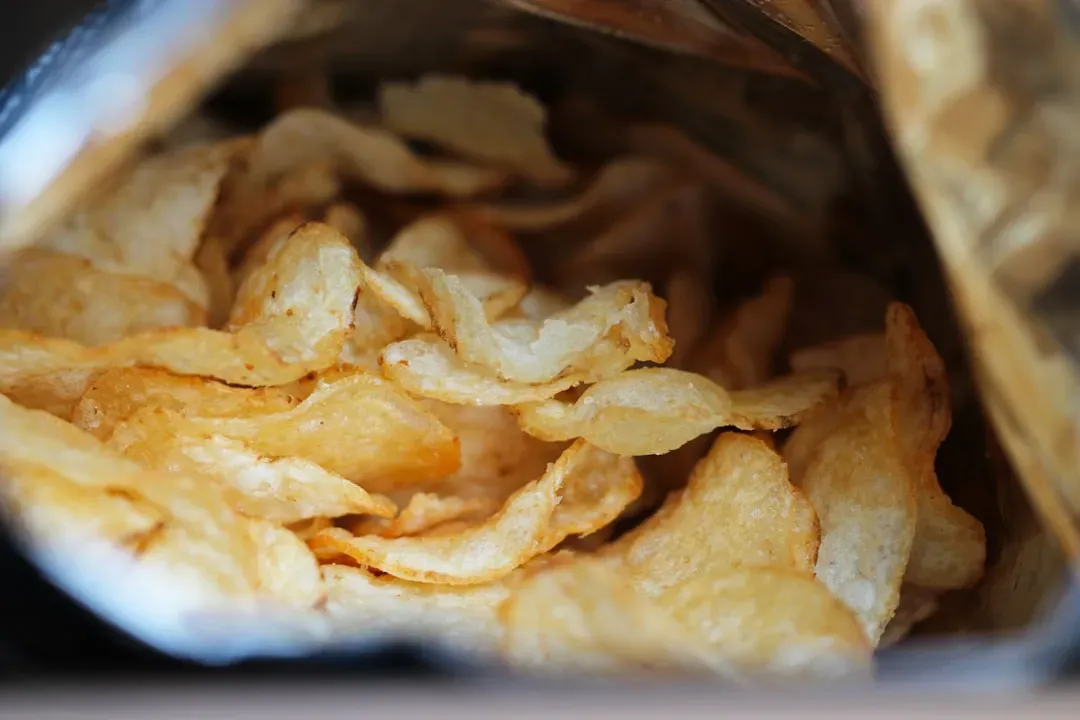
In 1853, at a resort in Saratoga Springs, New York, a salty act of culinary revenge may have given us one of the world’s favorite snacks. Railroad magnate Cornelius Vanderbilt sent back his fried potatoes, complaining they were too thick and soggy. In response, chef George Crum allegedly sliced a new batch razor-thin, fried them to a crisp, and piled on the salt – fully expecting Vanderbilt to hate them. Instead, he loved them.
Finished with a sprinkle of salt, Crum’s “Saratoga Chips” were born that same night. After becoming a hit at the restaurant, they quickly took off beyond the kitchen, eventually evolving into the iconic snack food we know and crunch on today. There are recipes for crisps in the early nineteenth century, before George was even a chef, which adds some historical nuance – but the legend has endured for good reason.
The Caesar Salad: Born from a Bare Pantry on the Fourth of July
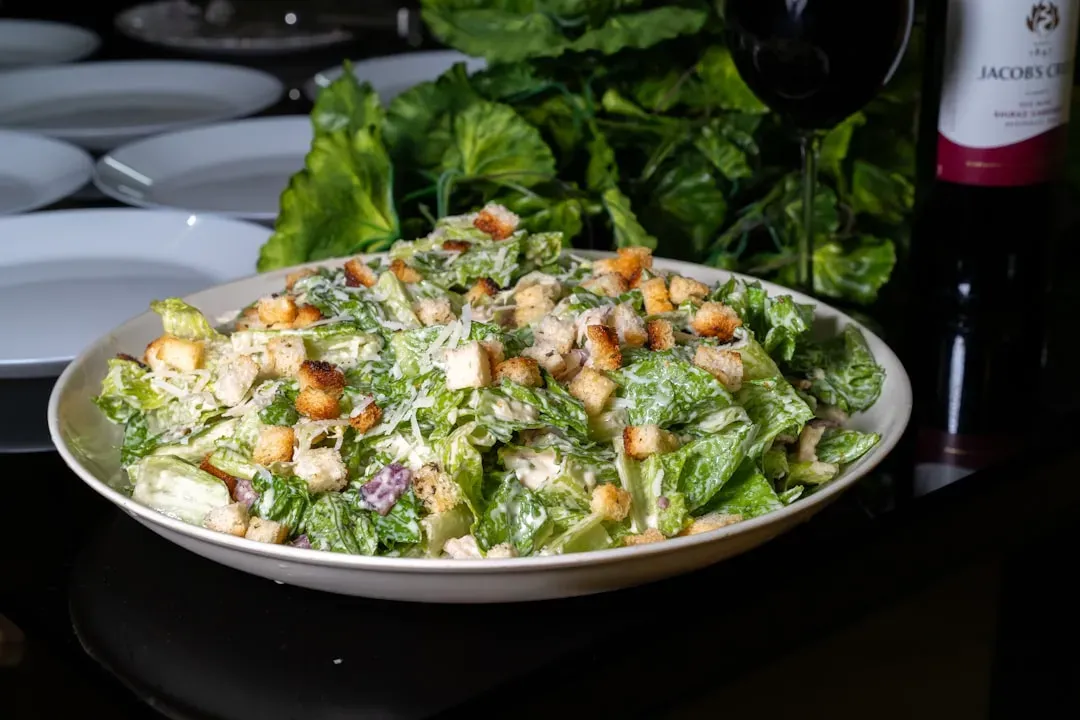
The Caesar salad was created on July 4, 1924, by Caesar Cardini at Caesar’s in Tijuana, Mexico, when the kitchen was overwhelmed and short on ingredients. It was originally prepared tableside, and it is still prepared tableside at the original venue. Cardini lived in San Diego but ran his Tijuana restaurant to attract American customers seeking to circumvent the restrictions of Prohibition.
As the story goes, the restaurant was overwhelmed by holiday partiers on that fateful July 4. They gobbled up everything but a few pantry staples: olive oil, Parmesan, egg, Worcestershire sauce, and lettuce. Someone there – perhaps Cardini or possibly his brother – scraped the provisions together into a big wooden bowl, and Caesar’s salad was a hit. The salad was originally meant to be eaten as finger food, with the baby leaves used as scoops for the dressing.
Nachos: An After-Hours Improvisation in Mexico
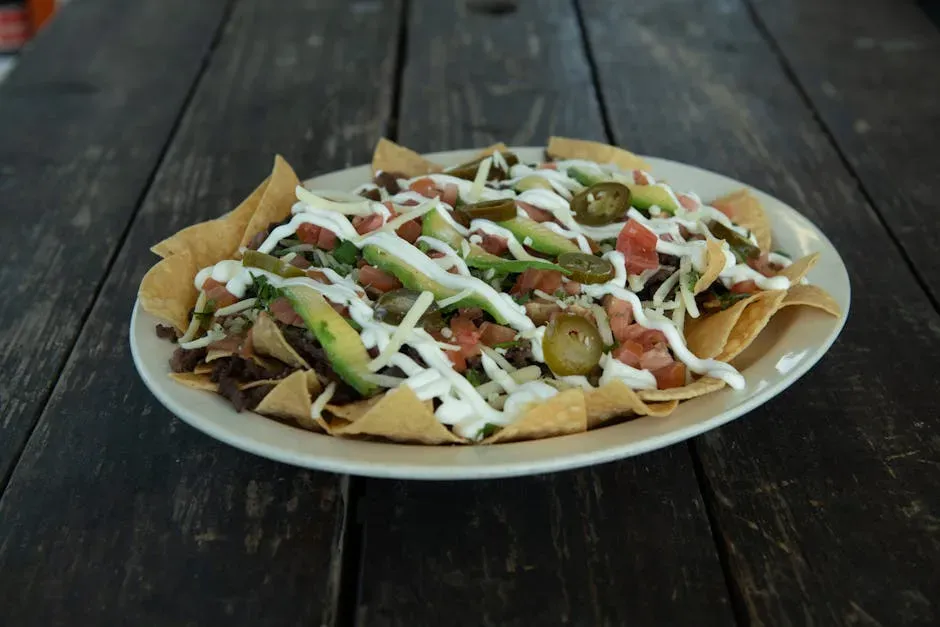
Nachos were accidentally invented at the Victory Club in Piedras Negras, Mexico, by a maître d’ named Ignacio “Nacho” Anaya in 1943. A group of hungry US military wives crossed the border from the Fort Duncan Army base, and unable to locate the chef, Anaya improvised a dish by covering a plate of tortilla chips with grated cheese. He added jalapeños, popped the whole thing in the oven, and named it after himself.
Thinking on his feet, he tossed together some tortilla chips, shredded cheese, and jalapeños, and popped it in the oven. The dish was a hit, and the nacho was born. Today, October 21st is celebrated as International Nacho Day in honor of Anaya’s crunchy creation. What started as a quick fix for a few late-night visitors became one of the world’s most popular shared snacks.
Worcestershire Sauce: Left in the Cellar and Forgotten
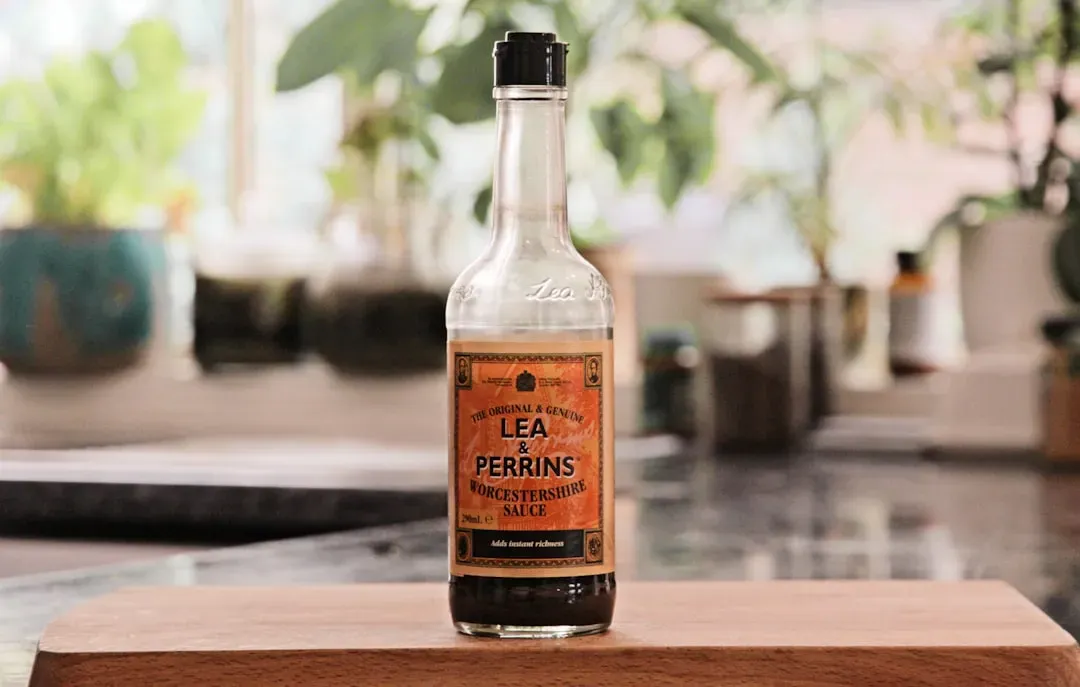
Some say Worcestershire sauce came to fruition as a result of culinary nostalgia. When Lord Sandys returned to Worcester, England, following a governing stint in Bengal, India, he developed an intense craving for his favorite Indian sauce. Unable to stay separated from the flavor, he turned to chemists John Lea and William Perrins to recreate it. The duo made a large batch but stashed it in the cellar of their shop due to the mixture’s overwhelmingly strong, fishy smell.
Two years later, in 1837, Lea and Perrins rediscovered the forgotten sauce, which had surprisingly mellowed and aged into something far more appealing. They began selling it to customers, who quickly snapped it up, sparking a worldwide Worcestershire sauce craze that continues to this day. It’s worth noting: a sauce deemed too foul to serve became one of the most essential condiments in Western cooking.
Crêpe Suzette: The Sauce That Caught Fire
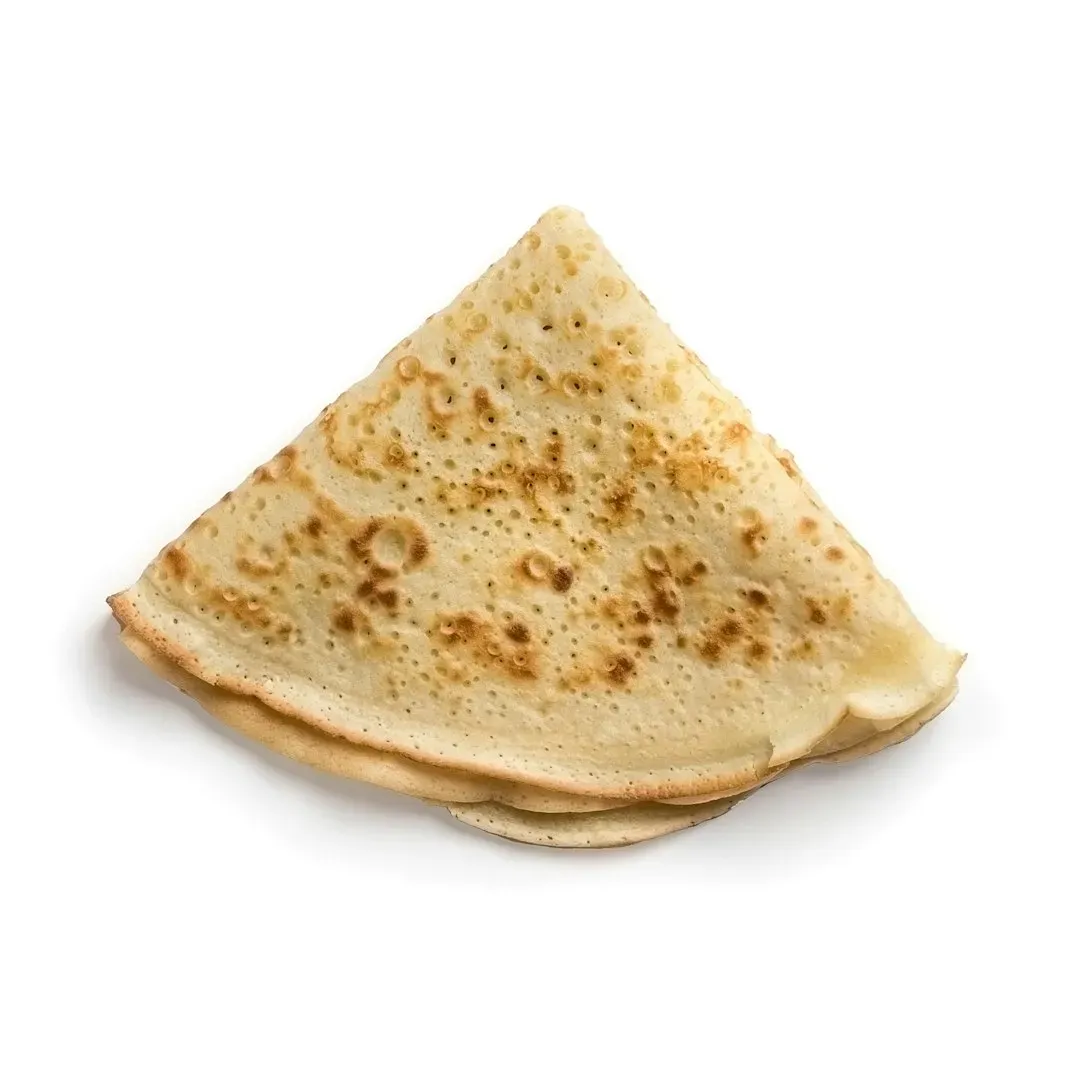
Legend holds that this flambéed crêpe dish was invented in 1895 by a 14-year-old assistant waiter named Henri Charpentier at a restaurant in Monte Carlo. While sautéing crêpes in butter and liqueurs for the Prince of Wales, the whole concoction caught fire. Charpentier thought the dish was ruined, but after waiting for the flames to die down, he took a taste and knew he had actually created something special. The dish was named after a lady at the prince’s table.
One of those diners, the Prince of Wales (later to be known as Britain’s King Edward VII) enjoyed it so much that he requested it be named after the woman he was with, and her name was, you guessed it, Suzette. Traditionally prepared tableside, this spectacular dish sees hot crêpes doused in a mixture of caramelized sugar, butter, orange juice and orange zest, splashed with orange liqueur, then set aflame. A kitchen accident involving royalty tends to have staying power.
Nashville Hot Chicken: The Revenge That Backfired Beautifully
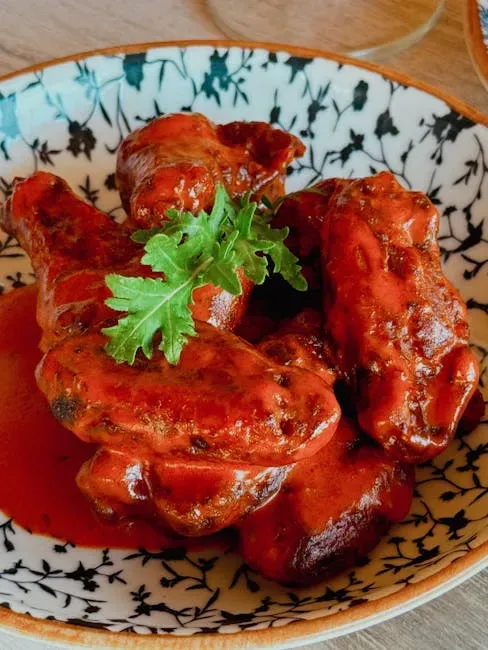
Prince’s Hot Chicken Shack was owned by Thornton Prince III. André Prince Jeffries says the development of hot chicken was an accident. Her great-uncle Thornton was purportedly a womanizer, and after a particularly late Saturday night out, his girlfriend at the time cooked him a fried chicken breakfast with extra pepper as revenge. Instead, Thornton decided he liked it so much that, by the mid-1930s, he and his brothers had created their own recipe and opened the BBQ Chicken Shack café.
Prince’s Hot Chicken Shack, located in Nashville, Tennessee, is credited with popularizing the dish and inspiring restaurants with similar offerings. The business was started in 1945 by James Thornton Prince. Reflecting its growing popularity, many cities in the United States now host restaurants that serve hot chicken or a variation thereof, including Atlanta, New York City, Philadelphia, Chicago, and Los Angeles. The anonymous girlfriend whose name history never recorded may have been the most influential cook of the 20th century.
The Chimichanga: A Dropped Burrito and a Substituted Swear Word
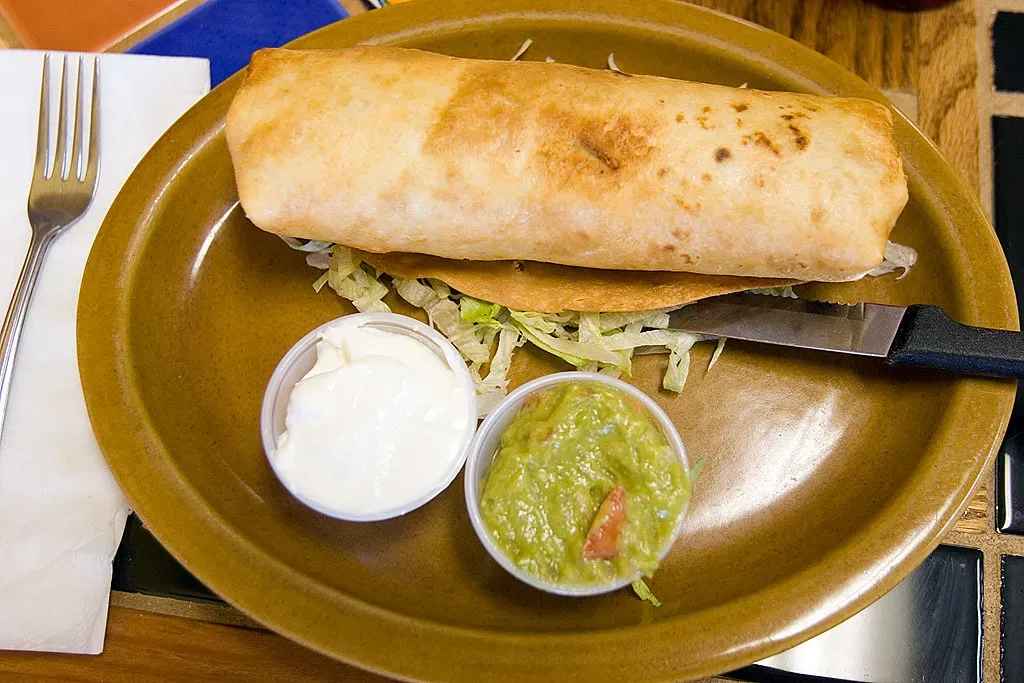
The story goes that chef Monica Flin, at El Charro Café in Arizona, was cooking a burrito when she accidentally dropped it into a vat of hot oil, splashing herself. She started to say a Spanish swear word beginning with “ch,” but the presence of her young nieces and nephews meant she changed it to “chimichanga,” a Spanish equivalent of “thingamajig.” Rather than throwing the fried burrito away, she tried it and quickly realized it deserved a spot on her menu.
Legend has it that it was invented by Monica Flin at her now-legendary Tucson restaurant, El Charro Café. According to the restaurant, while frying her famous El Charro ground beef tacos, she accidentally dropped a burrito into the frying pan, and the oil splashed up. Thankfully, she had the foresight to take a bite. The word chimichanga is believed to be a playful Spanish euphemism, loosely translating to “thingamajig.” The name stuck. So did the dish.
What these nine stories share isn’t just a pivot point – it’s the instinct to taste rather than discard. The kitchen is rarely a controlled environment, and that unpredictability turns out to be one of its greatest strengths. Some dishes that define entire food cultures were never planned at all. They were saved from the trash, eaten out of curiosity, or born from frustration. The accident was just the beginning.


Leave a Reply