
There’s a specific kind of disappointment that happens at a restaurant table. You’ve spent nine or ten minutes deciding, pointed at something on the menu that sounded genuinely exciting, and then watched it arrive looking nothing like you imagined. The bill comes, the stomach protests, and you quietly make a promise to yourself. Dining out has become more expensive than ever before, with U.S. consumers reporting an average spend of roughly $191 per person per month in 2024, a significant rise from around $166 the year prior. With that much money on the line, a bad call stings in a very particular way.
Some dishes have earned their place on the “never again” list not because they’re universally bad, but because the gap between expectation and reality is simply too wide to ignore. What follows are nine well-known dishes that have quietly accumulated a long trail of diner regret.
1. Truffle Fries
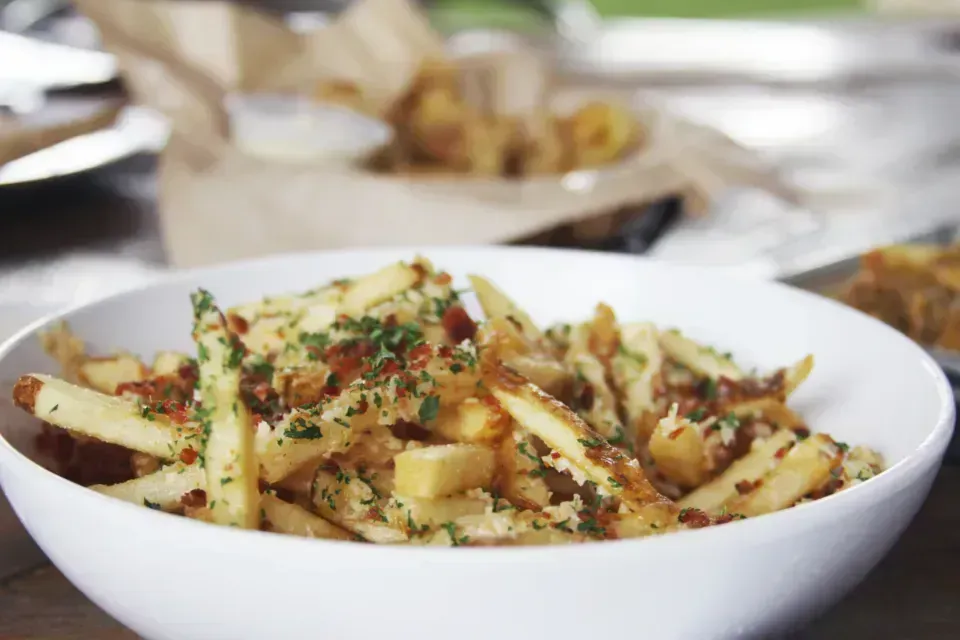
Few menu items have coasted on prestige as long or as successfully as truffle fries. The word “truffle” does a lot of heavy lifting. It signals luxury, earthiness, and culinary intent. The problem is that most truffle fries served at casual and mid-range restaurants aren’t actually made with truffles at all. One award-winning chef put it plainly: any time you see “truffled” as a descriptor on a menu alongside items like fries or mac and cheese, and there are no actual truffles in the dish, it is a red flag, because many kitchens are simply drizzling synthetically scented truffle oil on the food.
Chefs have been vocal about this for some time, with some noting that synthetic truffle oil overpowers dishes, lacks nuance, and often masks what could have been great ingredients. The disconnect between the price premium and what actually lands on the plate is hard to ignore. Once you know, it becomes difficult to look at a twelve-dollar order of truffle fries the same way again.
2. The Plant-Based Burger
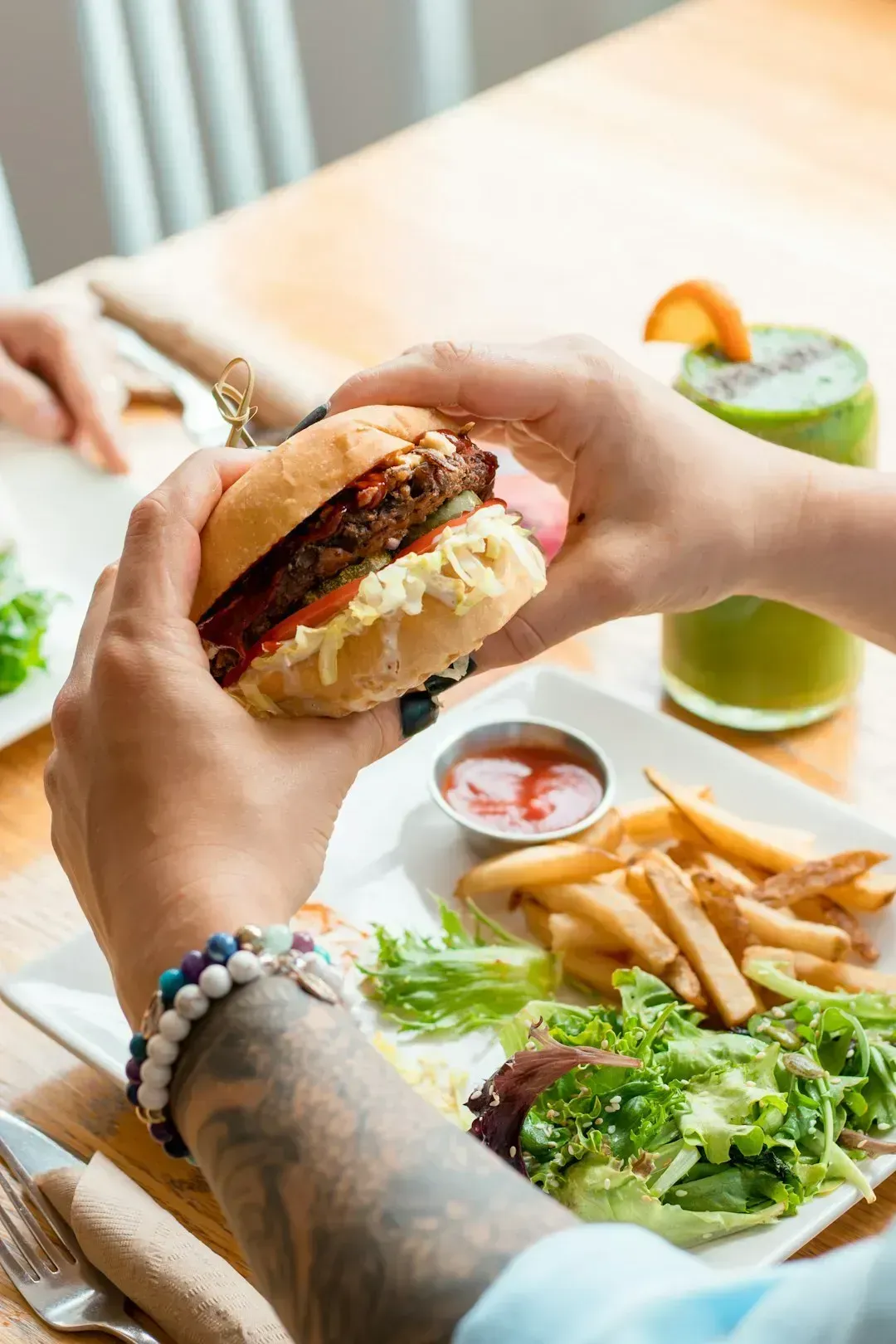
For a few years, the plant-based burger felt genuinely unstoppable. It was everywhere, loudly championed, and many diners were convinced this was the future of the restaurant burger. That momentum has since stalled in a measurable way. According to SPINS data analyzed by the Good Food Institute, U.S. retail sales of most plant-based categories were down in 2024 against a backdrop of rising sales for conventional meat, with plant-based meat and seafood specifically dropping roughly seven percent to $1.2 billion, and unit sales falling an even steeper eleven percent.
Sales of refrigerated plant-based burgers, which had been driving significant category growth just a few years prior, continued their steep decline, dropping about a quarter year over year, and chefs who once championed these dishes are now rethinking their menu space. Taste, in the end, has always been the harder obstacle. Many diners who tried one enthusiastically the first time have quietly gone back to the original.
3. The Multi-Course Tasting Menu
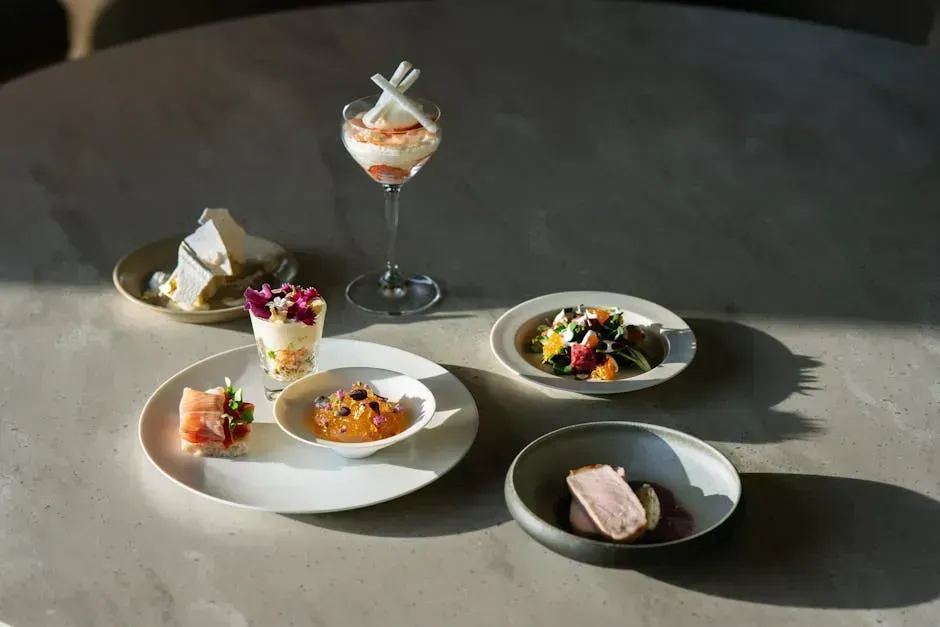
The tasting menu was once the gold standard of serious dining. It signaled ambition, restraint, and the chef’s full creative vision on a single evening. Somewhere along the way, though, the format started to feel less like a gift and more like an obligation. Critics have lamented the dogged persistence of the tasting menu and the way it often feels more like bait for a Michelin star than anything genuinely conceived with the diner in mind. The format has its defenders, but diners with full wallets and limited time have grown skeptical.
According to the U.S. Consumer Price Index, “food away from home” rose about six percent from January 2024 to September 2025, driven by rising labor, rent, and ingredient costs, putting the lengthy and expensive tasting menu under particular pressure, as inflation has reshaped consumer dining habits broadly, with guests still wanting to eat out but in more rational, budget-conscious ways. A sixteen-course dinner costing several hundred dollars per person is simply a harder sell when grocery bills feel punishing. On Eater’s Best New Restaurant list this year, only two of the fifteen restaurants solely offer a tasting menu, and just three of twenty on Bon Appétit’s equivalent list follow the format.
4. Fried Calamari
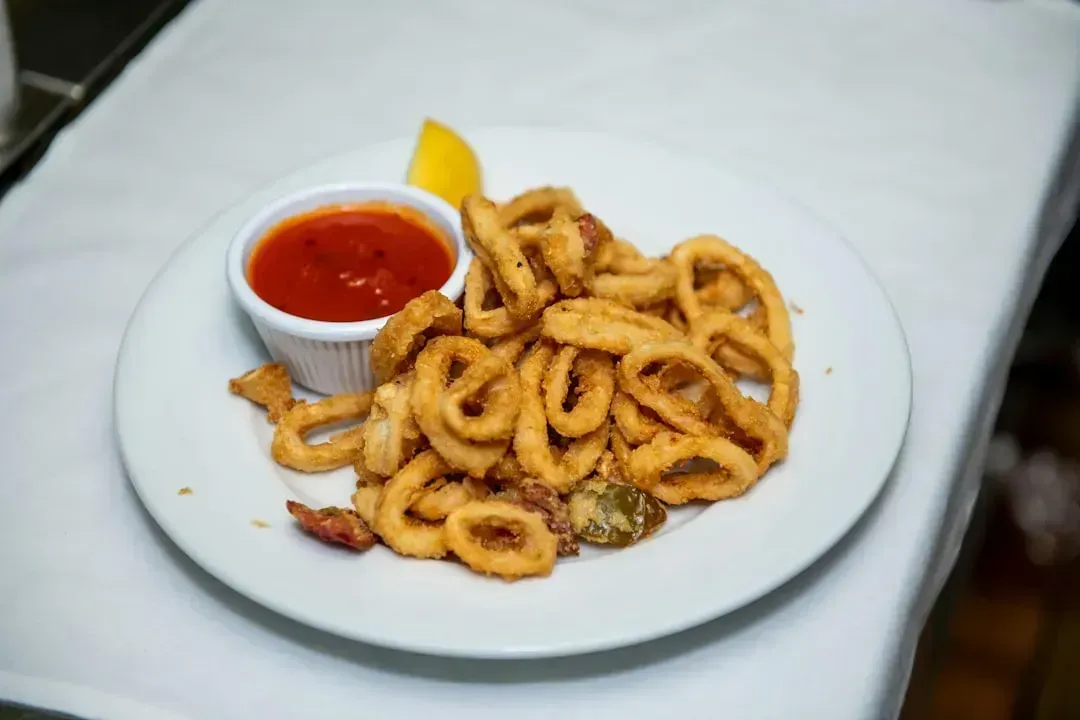
Calamari is the default appetizer at more restaurants than it has any right to be, which is part of the problem. When it’s done well, it’s genuinely enjoyable. When it isn’t, and it often isn’t, it can be a deeply unpleasant experience. Bad calamari happens when kitchens fry it too long or at improper temperatures, resulting in rubbery rings that require serious effort to chew through, and many establishments pre-fry batches and then reheat them, compounding the texture problem further.
The breading is typically thick, providing more surface area for the flour to absorb fryer oil, and the result is a high-calorie, high-fat dish that is far from what many diners expect. Fish filets at certain seafood chains are doused in off-putting seasoning, and a notable consumer poll found that roughly one in four Red Lobster customers agree that the calamari is the worst appetizer the chain serves. Across the broader restaurant landscape, rubbery calamari has become something of a running grievance.
5. Lobster Mac and Cheese
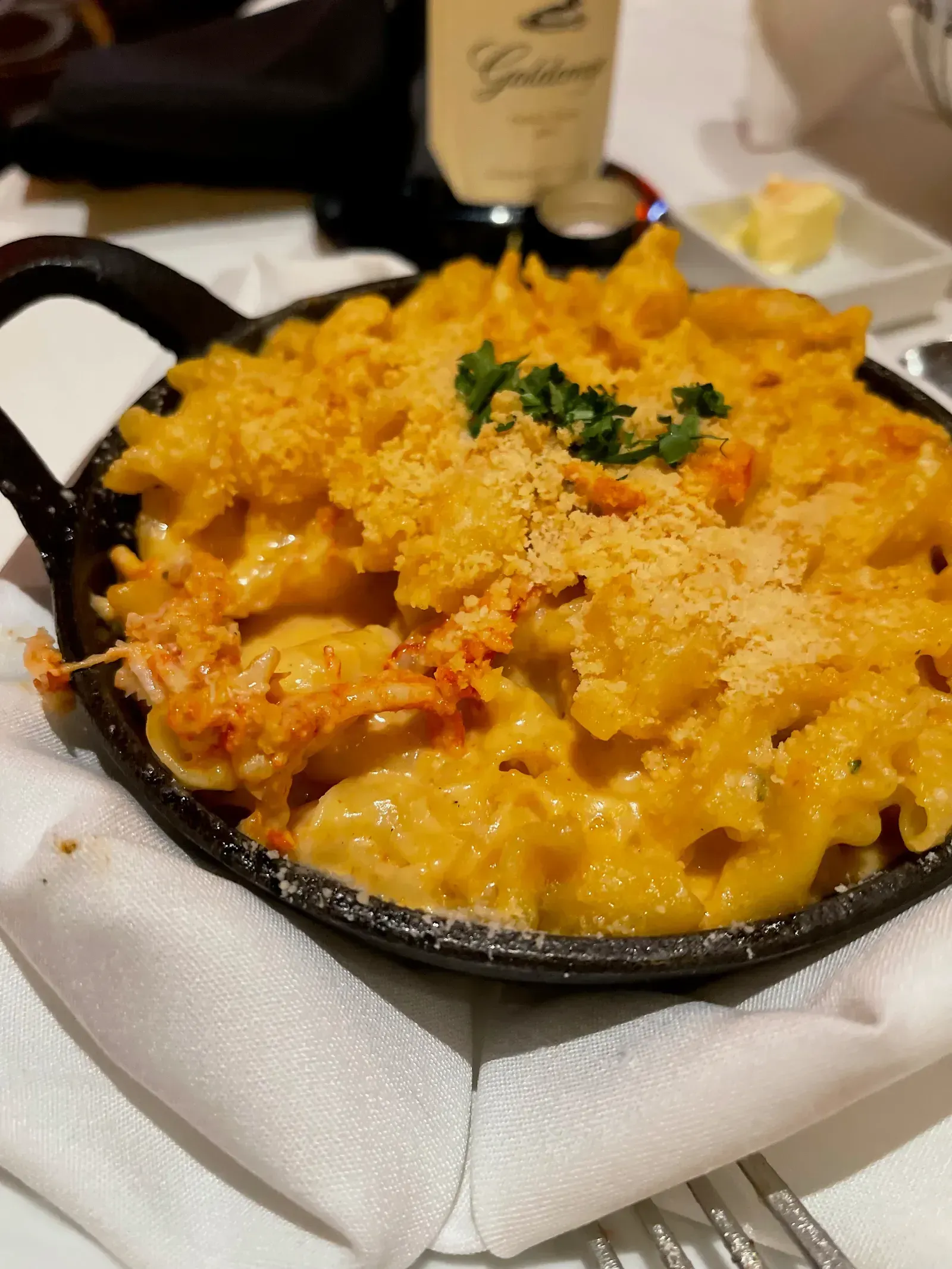
Lobster mac and cheese sounds like the best of both worlds: comfort food elevated with a genuinely luxurious ingredient. The concept is appealing. The execution, at most restaurants, falls well short of the promise. Lobster mac and cheese is a dish that promises much but delivers little, because the richness of the cheese sauce tends to overwhelm the delicate lobster flavor entirely, leaving diners longing for more of the main ingredient they actually paid for.
The delicate sweetness of lobster gets completely lost in heavy cheese sauce, and most restaurants use minimal amounts of low-quality lobster pieces while charging premium prices for the luxury ingredient’s name alone. The math rarely works in the diner’s favor. You’re paying for lobster and getting mostly pasta and cheese, which you could have ordered at a fraction of the cost without the disappointment.
6. The Wedge Salad
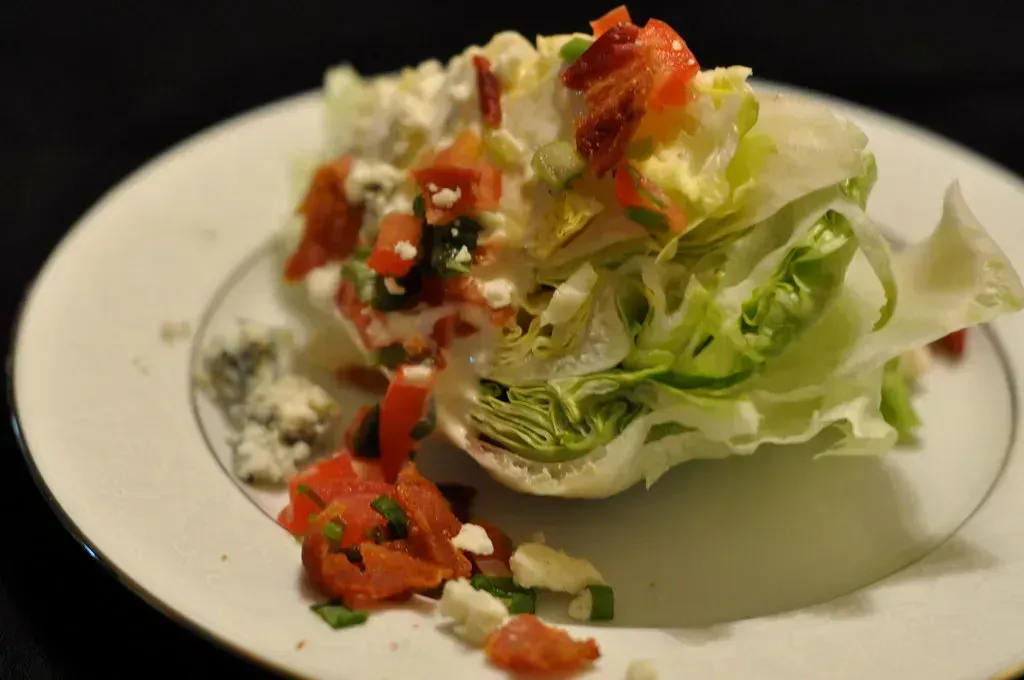
The wedge salad has survived on menus for decades, largely on the strength of its steakhouse association and a certain retro charm. Diners, however, have become increasingly vocal about its shortcomings. Diners in 2025 and 2026 have grown increasingly unwilling to pay steakhouse prices for something that requires almost no cooking skill, and the wedge salad is a near-perfect example of a dish charged at a premium purely on the basis of presentation, trendiness, and atmosphere combined.
Diners have noted that the wedge demands you chop up your own salad just to evenly distribute the dressing, and that iceberg lettuce alone can feel off-putting, watery, and nutritionally thin, especially paired with the heaviness of blue cheese and bacon. It’s one of those dishes that looks fine in a photograph and feels vaguely unsatisfying in person. For the price, most diners have decided they’d rather spend it elsewhere on the menu.
7. Fried Seafood Platters at Chain Restaurants
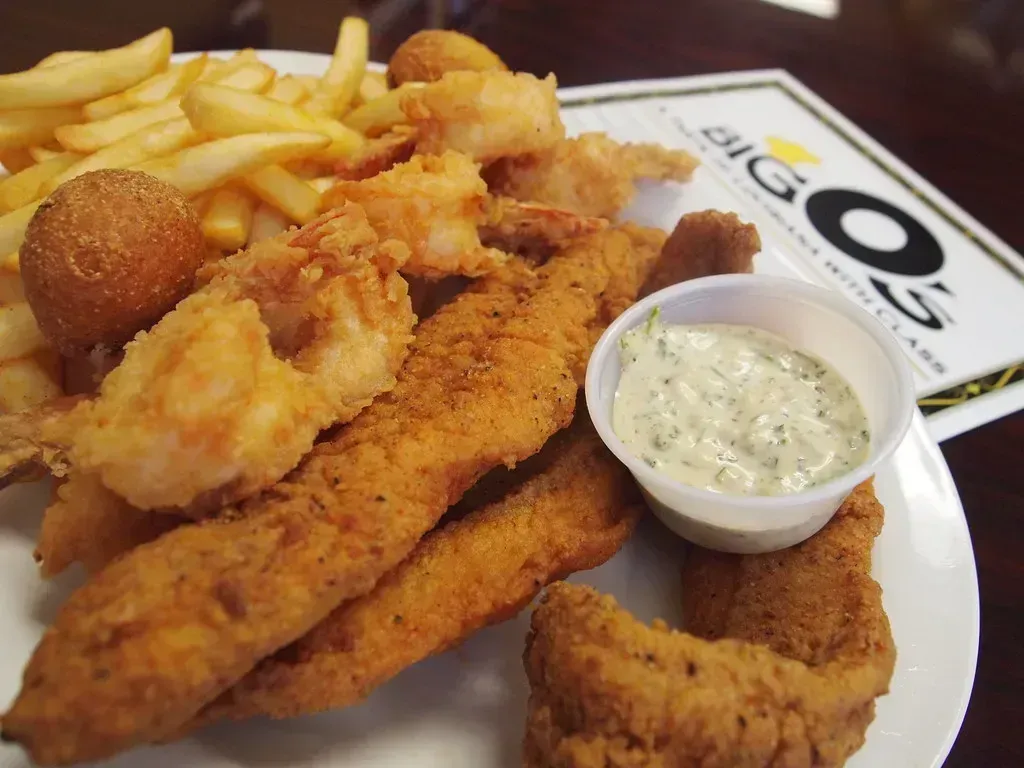
The fried seafood platter sounds like a generous, crowd-pleasing order, and the menu photograph usually confirms that impression. Reality, particularly at casual chains, tends to diverge sharply. Red Lobster experienced a sales drop of nearly twenty-three percent in 2024, with its restaurant count falling twenty percent to 518 locations, a decline that speaks to a broader disillusionment with the casual seafood chain model. Red Lobster, which filed for Chapter 11 in 2024 after closing more than 100 restaurants, spent 2025 shrinking its footprint and attempting to reboot under new ownership.
Certain seafood chains have long relied on their cheddar bay biscuits as a saving grace, with their fish filets described as doused in off-putting seasoning and mussels that taste previously frozen. Seafood fraud is also a genuine concern: fish are sometimes mislabeled or swapped for cheaper alternatives, meaning diners may end up paying substantial prices for a species quite different from the one described on the menu. The platter, in short, often costs more than it should and delivers far less than it implies.
8. Avocado Toast
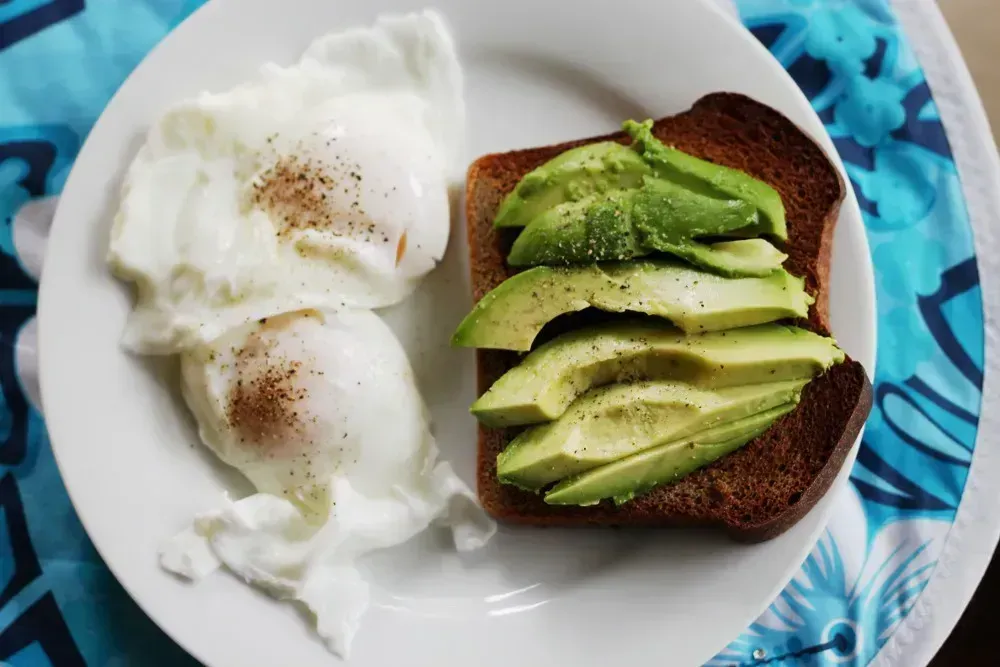
Avocado toast had one of the more remarkable runs of any single dish in modern restaurant culture. It went from niche health café item to ubiquitous brunch staple to cultural shorthand for a certain kind of millennial spending, all within roughly a decade. It went from health-café curiosity to restaurant staple to cultural punchline in under a decade, and now even chefs are questioning its staying power.
The issue isn’t that it’s a bad dish. At its best, with ripe avocado, good bread, and a considered garnish, it can be genuinely satisfying. The issue is what it costs relative to what it is. Among consumers who said dining out wasn’t worth the money, most were disappointed in food quality and portion size, and this was particularly true among younger diners, nearly three quarters of whom ranked food quality in their top three reasons for disappointment. Ordering avocado toast at a restaurant in 2026, where the markup can be staggering for a few ingredients you could assemble at home in minutes, has become a hard sell for diners who’ve done that math once too often.
9. Restaurant Chain Pasta
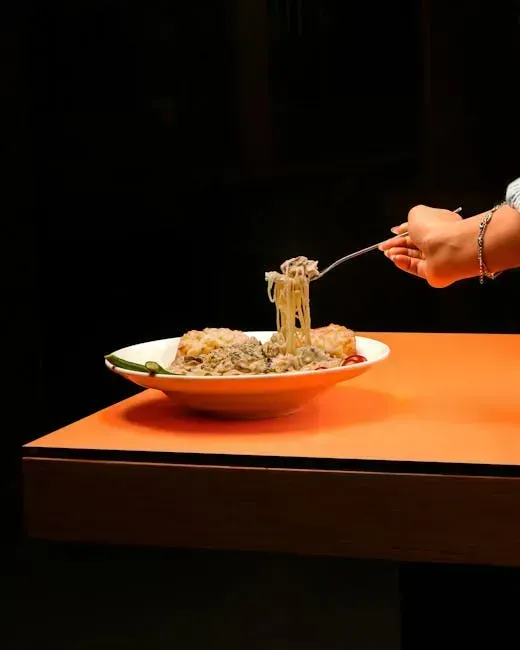
Pasta is one of those menu items that reads comfortably on paper and frequently underdelivers in execution, especially at chain restaurants. The ingredients are inexpensive, the preparation is straightforward, and the markup can be striking. Few things shock diners more than exorbitant prices on simple pasta dishes, and while pasta is a comfort food favorite, restaurants capitalize on its popularity and low-cost ingredients, leaving customers who receive an ordinary dish feeling shortchanged.
Based on social media comments and reviews, some pasta menu items at chains suffer from quality control issues and inconsistency, even when the restaurant’s broader menu is fairly solid overall. Rising food costs have also pushed many restaurants to quietly reduce portion sizes while keeping prices the same, and customers tend to notice the difference immediately when the plate arrives. Pasta, perhaps more than any other dish, makes that gap painfully obvious. When a bowl of noodles costs twenty dollars and tastes like it was made two hours ago, the regret tends to stick.
Dining regret is rarely about a single bad meal. It accumulates. Each underwhelming dish that costs too much and delivers too little chips away at the willingness to take that same risk again. What dazzles diners one year can quietly fade into irrelevance the next, and chefs across the country are watching it happen in real time. The dishes on this list haven’t disappeared from menus, but for a growing number of diners, they’ve quietly disappeared from consideration.

Leave a Reply