
That glass jar sitting on your kitchen counter, the one half-filled with pennies and loose change you’ve been quietly ignoring for years, just became a lot more interesting. After more than two centuries of production, the penny’s run is officially over. The penny began its 232-year run at the mint in Philadelphia and ended production on November 12, 2025, in the same place it started. It’s a genuinely strange moment in American monetary history.
The shift doesn’t mean your coins are suddenly worthless or that you need to act fast. Pennies will continue to be legal tender and retain their nominal value in perpetuity. Still, with the supply now fixed and the jar on your counter not getting any lighter on its own, it’s worth thinking about what to actually do with all that change.
Why the Penny Was Finally Retired
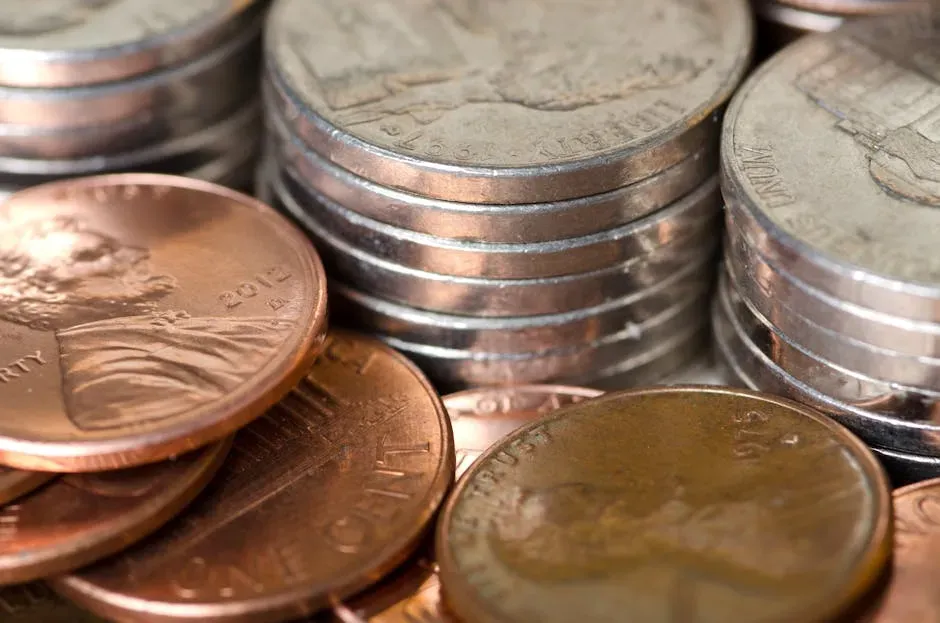
Over the past ten years, the total production cost of the penny rose from 1.3 cents to 3.69 cents per penny. That’s nearly four times the coin’s face value, and it had been going on for far longer than most people realize. It was the 19th consecutive year where it cost more than one cent for the U.S. Mint to make a penny.
The U.S. Mint projected an immediate annual savings of $56 million in reduced material costs by stopping penny production, and the Department of the Treasury concluded that continued production was not fiscally responsible or necessary to meet the needs of commerce in the United States. With more than 114 billion pennies currently in circulation, the government determined it was time to stop producing new ones due to rising costs, stagnant circulation, and the increasing shift toward digital payments.
Your Coins Are Still Good – Just Less Common Over Time
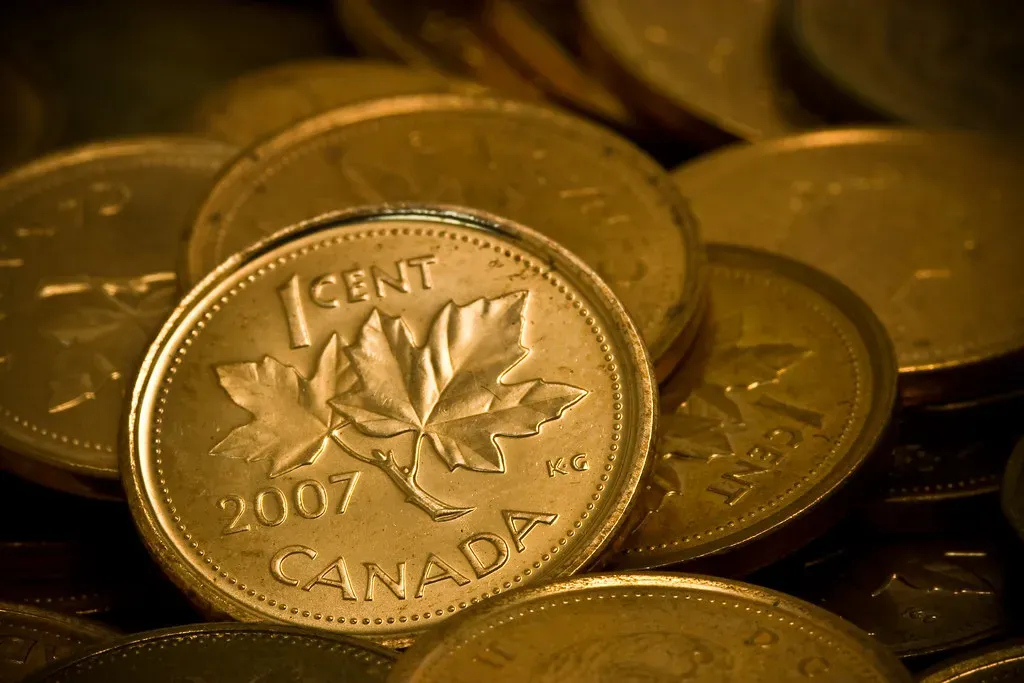
While existing pennies will remain legal tender for the foreseeable future, the decision signals the official beginning of the end of the penny’s life as a newly produced coin. There’s no recall happening, and nobody is going to reject your change at the register. Pennies in circulation will continue to be used, but their numbers will gradually decline through attrition, loss, and removal from circulation.
There are about 114 billion pennies being used across America, roughly 700 pennies for every person. So the coin isn’t disappearing overnight. The practical takeaway is that you have time to be thoughtful about what you do with your stash, rather than scrambling to unload it all at once.
Roll Them and Take Them to Your Bank

The most straightforward option is also the one that gets you every cent of your money’s value. Many banks allow you to exchange your coins in person for free if you’re a customer or for a fee for non-customers. You can roll your coins and bring them into your local branch to exchange for bills, though banks may request you sort and roll your coins with coin wrappers before coming in.
Don’t pay for coin wrappers. Just go to your bank’s teller window and ask for them – they will be happy to provide you with a variety of coin wrappers for free. It takes a bit of patience to sort pennies from dimes from quarters, but the result is a clean, fee-free deposit directly into your account.
Use a Coinstar Machine – But Know the Fees
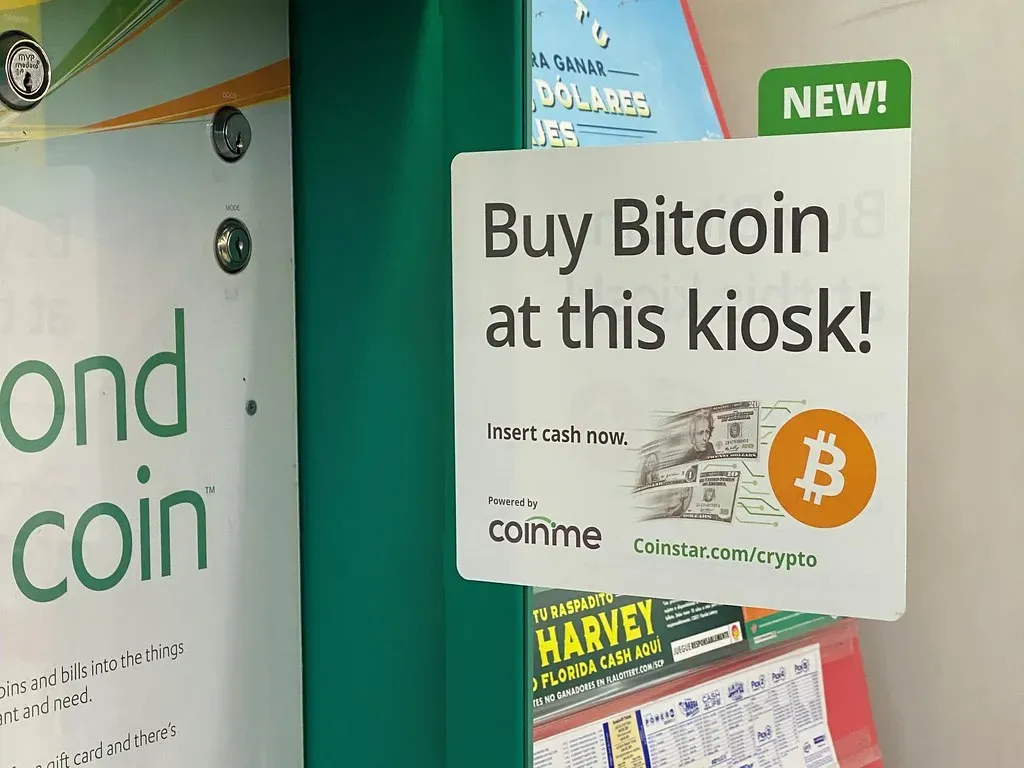
Coinstar kiosks offer three convenient options: get cash, which has a service fee up to 13.5% plus a $0.99 transaction fee (fees may vary by location), select an eGift Card, or make a donation to a favorite charity. That cash fee is significant. On a $100 jar of coins, you’d walk away with considerably less than you started with.
The smarter move at a Coinstar machine is to skip the cash payout entirely. To avoid the fee, you can choose to receive a no-fee electronic gift card instead of cash. You can also donate your coins to a charity through Coinstar, which is also a no-fee option and may be tax-deductible. Coinstar offers eGift Cards from multiple brands and retailers, such as AMC Theaters, Amazon, Apple, and The Gap.
Deposit Coins Directly Into a Savings Account
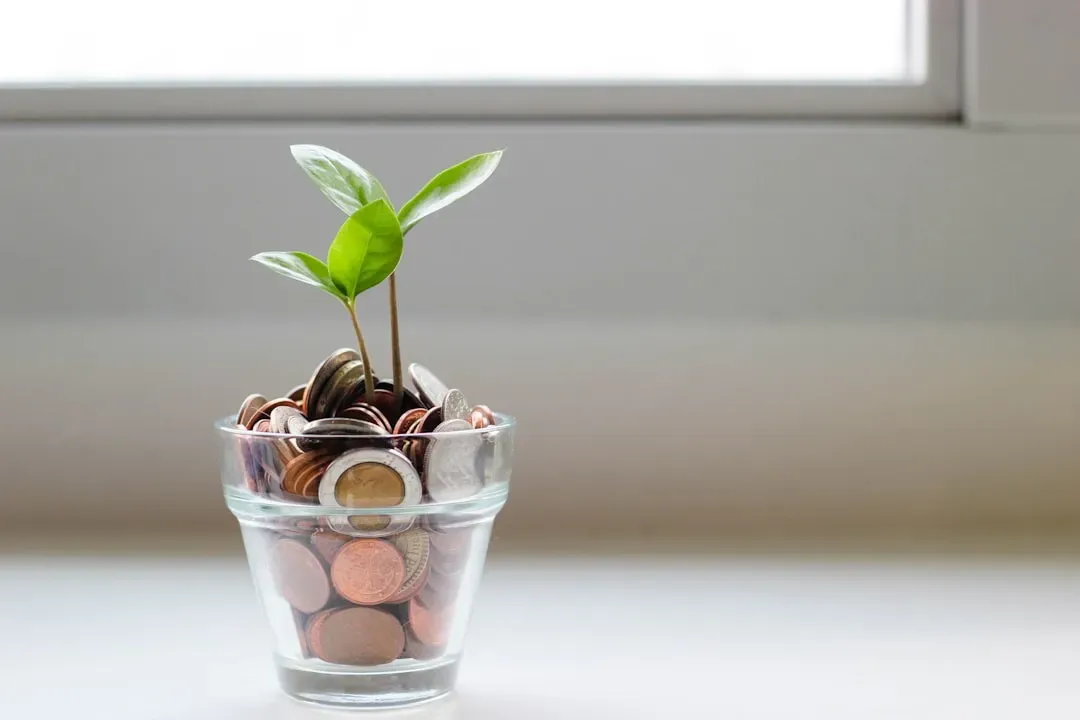
If you’d rather skip the machine route altogether, consider converting your change into a productive financial tool. If you’re cashing in spare change, keep it in a high-yield savings account. You can earn interest on your savings contributions, which is essentially free money. Even a modest jar of coins, once deposited, starts earning rather than sitting idle.
If you have loose change, collecting it, depositing it, and using it to add to an extra payment on a credit card or loan is a solid move. It might be small, but it moves in the right direction. There’s something genuinely satisfying about turning forgotten kitchen clutter into a dent in actual debt.
Use It Directly at Self-Checkout

One of the most underused tricks for getting rid of coins without losing any value is the self-checkout lane. A lot of self-checkout kiosks at grocery stores and retailers like Walmart or Target have trays for accepting coins as payment. You can pay for a small item using your change and the machine will give you the rest back in bills. For example, if you have $15 in coins, you can buy a $1 drink and the machine will dispense $14 in cash.
This approach costs nothing and takes only a few minutes. It also sidesteps the need to sort or roll coins beforehand. Parking meters, vending machines, and cash-only spots don’t care if you only have big bills or a card that won’t swipe. Keeping a stash of loose change in your car, wallet, or at home saves time and frustration when you need exact payment.
Look for Valuable Coins Before You Cash In
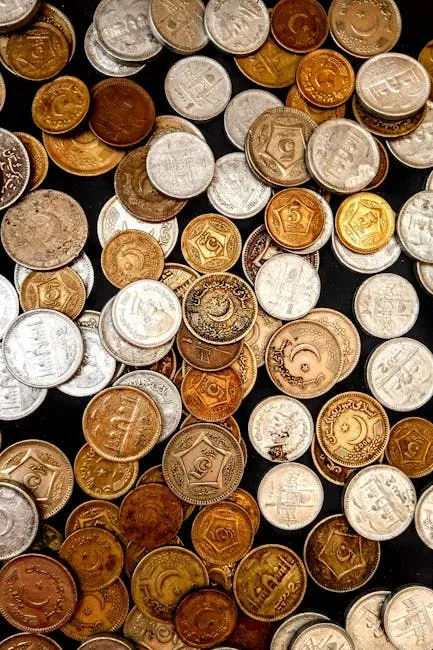
Before you dump the entire jar into a machine, it’s worth spending a few minutes actually looking at what you have. The U.S. Mint has confirmed that pennies are no longer being produced for circulation, which makes final-year and end-of-era Lincoln cents especially important to collectors in 2026. If you find a penny with an unusual date, mint mark, weight, or visible doubling, it is worth checking before spending it.
The most valuable pennies include the 1943-D Bronze Wheat Penny worth around $1.7 million, the 1944-S Steel Wheat Penny valued at approximately $408,000, and the 1958 Doubled Die Obverse at roughly $336,000. Other highly valuable pennies include the 1909-S VDB Lincoln Cent and the 1999 Wide AM Penny. These are rare, but they do exist in ordinary collections. A few minutes with a magnifying glass could be well worth the effort.
Save a Few as Keepsakes or Collectibles
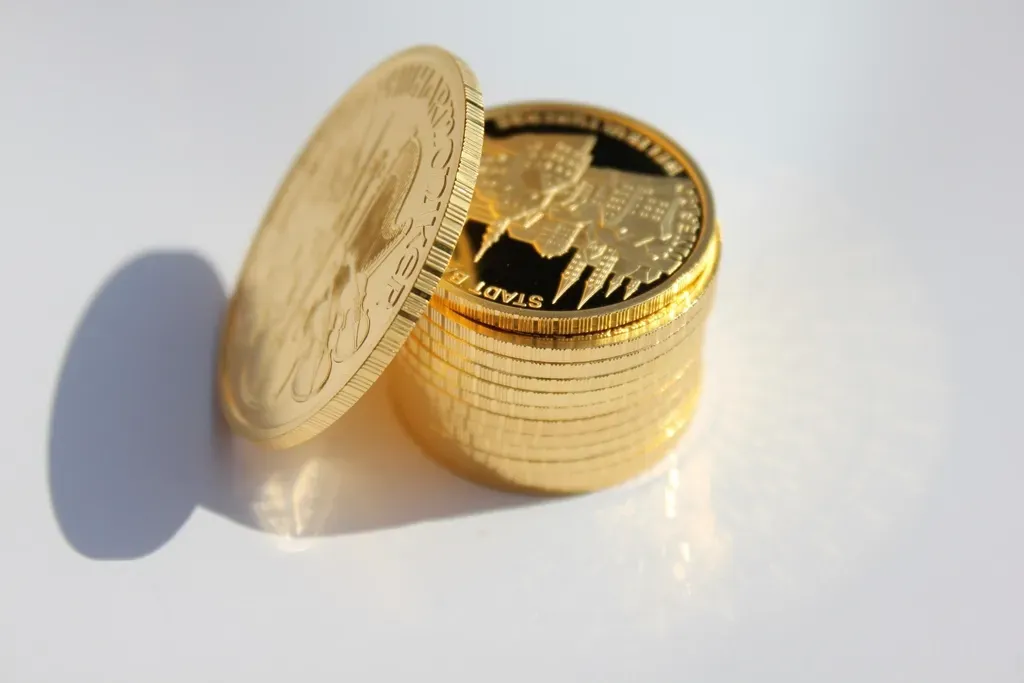
One of the most talked-about pennies in the collector market right now is the 2025 Gold Lincoln cent with the Omega privy mark. This coin was issued by the U.S. Mint as part of a special 232-set program marking the last circulating pennies ever struck. Each set included a 2025-P cent, a 2025-D cent, and a 99.99% 24-karat gold Lincoln cent, all carrying the Omega privy mark.
Even ordinary 2025 pennies are gaining collector attention simply because of what they represent. Only an estimated 250,000 business strikes were made in January before the shutdown, compared to over 7 billion pennies produced across Philadelphia and Denver in 2024. Choosing a few years of personal significance – a child’s birth year, an anniversary, or the oldest penny you can find – and keeping them as mementos is a small but meaningful gesture.
Donate Coins to Charity
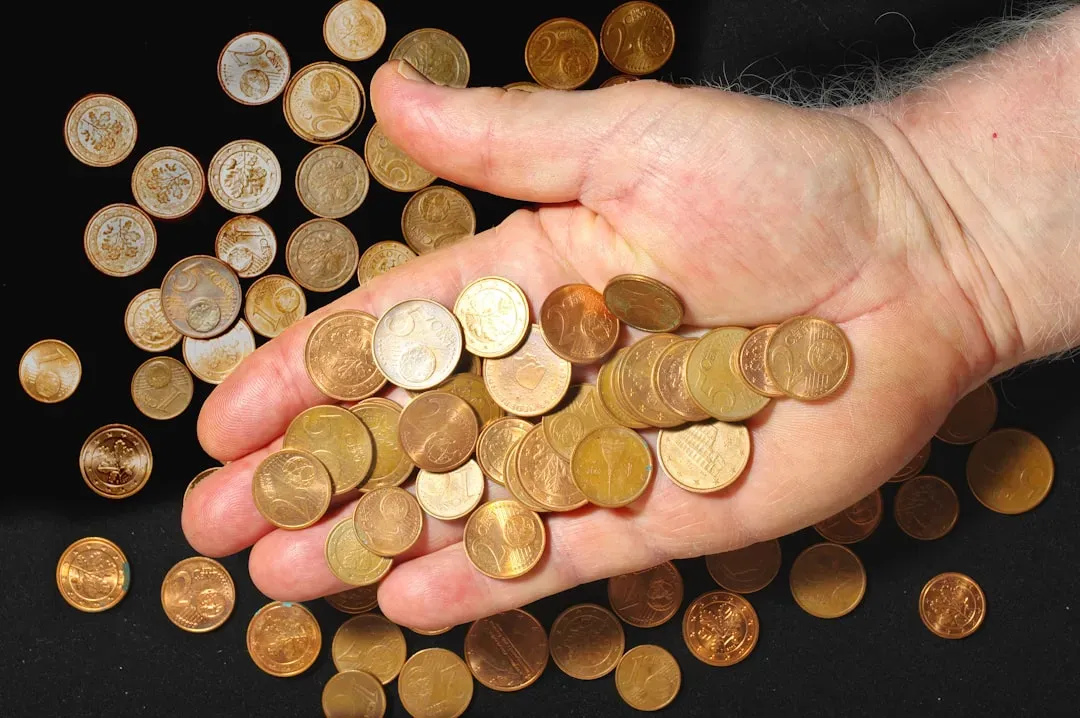
If you’d rather put your change toward something meaningful than count it out on a kitchen table, donating is a genuinely good use of those coins. A few coins tossed into a tip jar, spent at a neighborhood shop, or given through a donate spare change app might not seem like much, but multiply that by thousands of people doing the same thing, and the impact is undeniable.
Making a gift to the Salvation Army kettle during Christmas time or to a local animal shelter is one direct option. You can gather up coins you’ve saved and make a charitable gift to a cause that matters to you. For a fully no-effort version, donating directly at a Coinstar kiosk is an option too. For most of its major charity partners, Coinstar waives all fees, so all of your money goes to the cause.
Build a Small Emergency Fund or Travel Stash
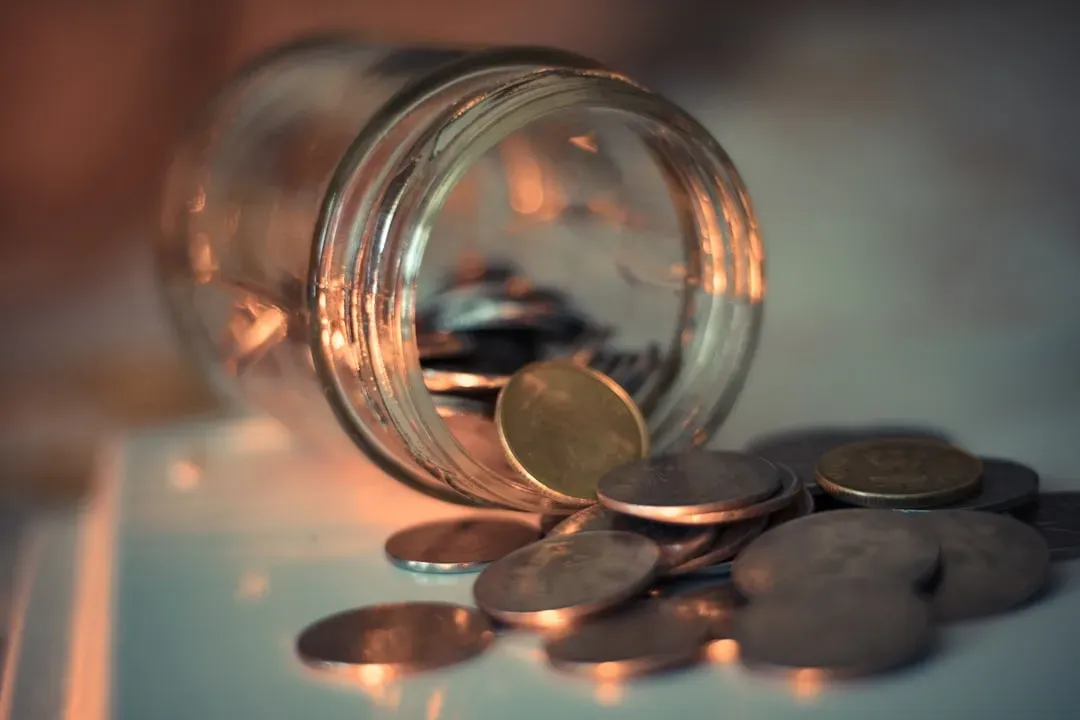
A change jar that’s been quietly filling up for a couple of years can hold more than people expect. Unexpected expenses don’t wait for payday. A surprise school fee, a last-minute medical copay, or even just needing a little extra for gas can pop up out of nowhere. Having a small stash of spare change savings means quick access to funds without dipping into your main budget.
Tossing coins into a jar might not seem like much, but over time it adds up, especially when combined with cashback apps or saving spare change with digital round-ups. That extra stash can turn into gas money, hotel stays, or even a meal out while traveling. It’s a low-friction way to save that requires essentially no discipline at all.
What About Rounding for Cash Purchases Going Forward?
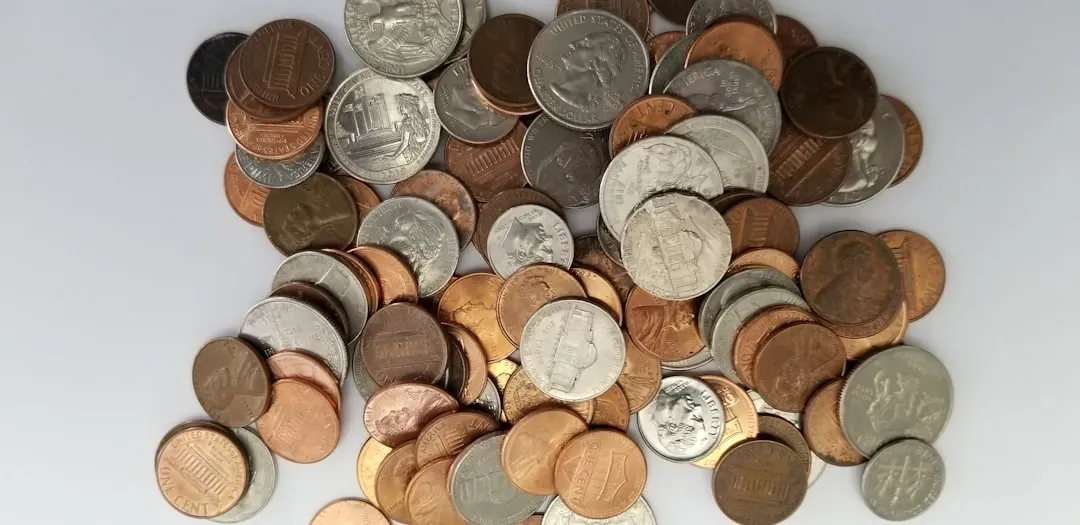
With pennies no longer being produced, the way cash transactions work at the register will shift. As pennies phase out, businesses are likely to round cash transactions to the nearest 5 cents, resulting in what some economists call a “rounding tax.” Research estimates that this rounding tax could cost U.S. consumers approximately $6 million annually. Spread across the entire country, that works out to a very small individual impact.
There is no impact on non-cash transactions. For cash transactions, final transaction prices will be rounded down just as often as they will be rounded up, so there should be no overall effect on consumer prices. Canada stopped making pennies in 2012, Australia eliminated its one-cent and two-cent coins in 1992, and New Zealand discontinued its smallest coins between 1990 and 2006 – and these countries successfully implemented rounding for cash payments while keeping exact prices for electronic transactions.
The era of the penny is genuinely over, but the coins already in your jar still carry real value. Whether you roll them, invest them, check them for rarities, or donate them to a cause you care about, that jar deserves better than collecting dust on the counter for another decade.



Leave a Reply