
Social rules were never written down in any official handbook. They spread quietly, parent to child, culture to culture, through thousands of small signals about what’s acceptable and what will get you quietly judged. For centuries, most people just followed them without too much thought. That’s sort of the point of an unwritten rule – you absorb it before you’re old enough to question it.
Social norms are essentially unwritten rules that prescribe what people ought or ought not to do, and understanding how they emerge, evolve, and respond to change has become a serious concern for researchers. What’s striking right now is how many of these rules are being questioned simultaneously – and often publicly, online, with millions of people nodding along in agreement. Some of the shifts feel genuinely liberating. Others are worth sitting with a little longer.
1. Answering Every Phone Call

For most of the 20th century, letting a phone ring was almost rude. If someone called, you answered. The expectation was nearly universal: availability was courtesy. That default has quietly collapsed. Texting first before calling is now widely considered the polite move, and many people screen every incoming call without a second thought.
The pace of change in technology, culture, and communication has accelerated so much over the last five years that several traditional social norms have shifted drastically – practices that were once considered standard or polite may now seem outdated. The phone call rule is a clean example of this. The practical question worth asking is whether the convenience of avoidance is quietly making people harder to reach in moments that actually matter.
2. Dressing Up for Shared Public Spaces
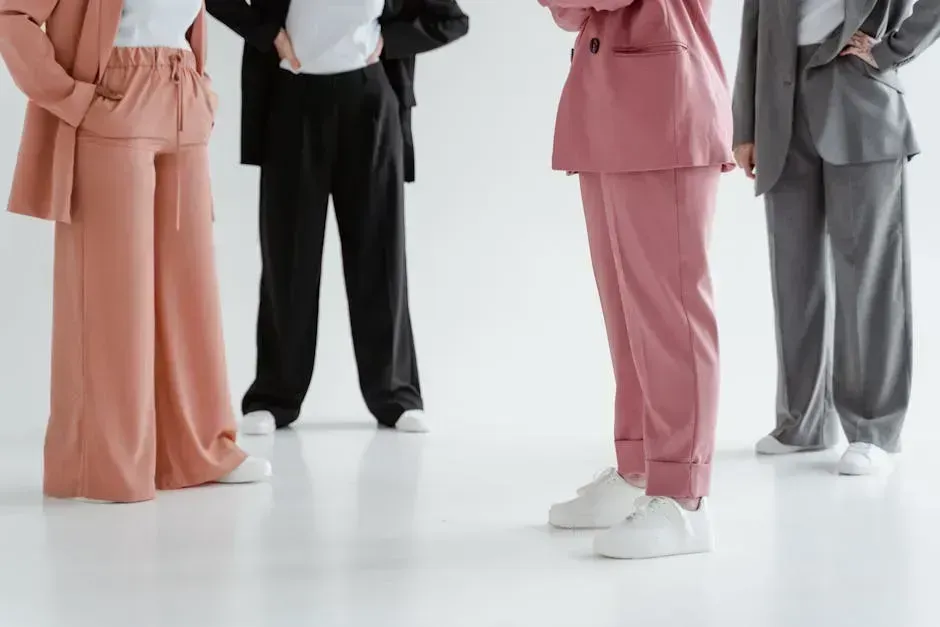
Airports, theaters, restaurants – there was a time when these spaces carried an implicit dress code. You wore something presentable as a form of collective respect. Remote work and the normalization of casual everything have dissolved a lot of that. Video conferencing and digital collaboration tools facilitated this shift, and casual dress codes and flexible schedules gained cultural importance alongside it.
The relaxation of dress norms isn’t trivial. It connects to wider ideas about who gets to feel comfortable in shared spaces and whether formality ever carried more gatekeeping than respect. The conversation is not simple globally either – in December 2024, a new law went into effect in Iran subjecting women to serious punishments for violating dress codes. The stakes around clothing norms vary enormously depending on where in the world you happen to live.
3. Keeping Salary Private

Talking openly about how much you earn was, for a very long time, considered almost aggressively impolite. The taboo served some people more than others – typically those setting the pay, not those receiving it. Once considered taboo, the open discussion of money is becoming more prevalent, and in a rapidly changing world, many traditional etiquette rules are evolving to reflect cultural shifts.
Younger workers in particular have pushed back on the silence around salaries, arguing that transparency helps identify and close pay gaps. Gen Z is vocal, values-driven, and unafraid to leave workplaces that don’t meet expectations, and this generation is shaping new standards for what employees expect from their employers. Salary openness has moved from taboo to, in some corners, an act of solidarity.
4. Always Giving a Formal Explanation When Declining

The old norm: if you couldn’t attend something or didn’t want to do something, you owed the person a clear and somewhat elaborate reason. A bare “no” was considered curt, even unkind. That expectation has softened significantly. Boundaries, the concept, have moved from therapy-speak into everyday language, and with that shift came a growing acceptance that “no” can stand on its own.
Social norms that guide everyday behavior have changed over time, with a global trend toward more permissive norms overall in the past two decades – except for behaviors considered vulgar or inconsiderate, which are now less tolerated. Interestingly, that creates a small tension: people feel more entitled to decline without explanation, yet have simultaneously become less patient with behavior they find inconsiderate. Both directions exist at once.
5. Ghosting as a Social Last Resort

Ghosting – disappearing from a conversation or relationship without explanation – was once almost universally seen as cowardly and rude. It still generates real pain. Ghosting is an easy out, and having built lives around digital communication, people have created the convenience of moving from total accessibility to total inaccessibility in an instant, with no legal or social consequences.
What’s changed is not that ghosting feels kind, but that it has become normalized across dating, friendships, and even professional settings. How people communicate is constantly evolving due to technology, shifting social norms and an ever-growing sense of individual priority. The concern is real: when disappearing carries no social cost, the people on the receiving end carry the full weight of confusion and hurt. That asymmetry is worth naming.
6. Having Children as a Default Life Script

For most of recorded history, parenthood wasn’t really framed as a choice – it was simply what adults did. The societal script was clear: grow up, find a partner, have children. When personal desires don’t align with that narrative, it can feel disorienting, but more people are questioning this script openly. That questioning has grown into a visible cultural movement.
Recent research shows that roughly six in ten adults under 50 who are unlikely to have children cite simply not wanting them as their primary reason, and approximately one in five adults in the U.S. are now childfree by choice – numbers that reflect a significant shift in how people think about parenthood and what constitutes a fulfilling life. Shifting social and cultural norms have redefined traditional expectations of family life, and economic considerations also play a real role, as the costs associated with raising children can outweigh financial capacity for many.
7. Performing Productivity Above All Else

The old norm insisted that overwork was a badge of honor. Staying late, skipping vacations, being constantly reachable – these behaviors were read as signs of seriousness and ambition. Previously, employees were expected to maintain strict physical presence in the office, and working from home was often seen as a privilege rather than a standard practice. Today, many companies embrace a hybrid model where employees are judged more on output and productivity than on physical attendance.
As Gen Z workers enter the workforce, they bring strong expectations for openness and support around mental health – in fact, a large majority of recent college graduates say they want to be able to discuss mental wellness at work, according to Monster’s 2024 State of the Graduate Report. Those expectations often clash with established workplace norms. The old performance theater is losing its audience, especially among younger workers who’ve watched it exhaust the generations before them.
8. Using Formal Titles in Everyday Interactions

Calling adults “Mr.” or “Dr.” or “Mrs.” as a default was once an almost universal signal of respect, especially in professional settings. Addressing people with formal titles used to be a mark of respect and professionalism, but today many workplaces and social settings favor a more relaxed approach, and the shift toward first-name basis interactions fosters a sense of camaraderie and equality.
The loss of titles isn’t straightforward, though. In some contexts, the flattening of formality genuinely creates warmer, more equal interactions. In others, it quietly erases distinctions of expertise or authority that actually matter. Social norms can differ significantly across different cultures and geographical regions, and these unspoken rules are known to have changed considerably across history as societies evolved. Whether the move away from titles feels respectful or dismissive often depends entirely on who’s in the room.
9. Staying Off Your Phone in Social Settings

It was barely a rule before smartphones existed, because the situation didn’t. Once it became possible to be somewhere while simultaneously being somewhere else entirely, the expectation developed that you should resist the pull of the screen out of respect for the people physically present. That expectation is now, in many settings, essentially gone. Changes to behavior as a result of cellphones aren’t purely a generational issue – all age demographics have fallen into newly normalized habits such as increased phone use during social interactions.
More than one-fifth of Gen Z say they wish smartphones had never been invented, according to a 2024 Harris Poll, and a growing number of young people are ditching their smartphones for simpler devices – with 18 to 24 year olds leading a significant spike in “brick phone” sales between 2021 and 2024. There’s a countermovement forming, which suggests at least some people recognize what the constant scroll has cost in real human presence.
10. Suppressing Mental Health Struggles in Public Life

Admitting you were depressed, anxious, or burned out was once considered deeply private information – something you managed quietly, out of view, so as not to alarm or inconvenience others. Sharing it publicly, or at work, risked being seen as unstable or unreliable. That norm has changed faster than almost any other on this list. Increased awareness of mental health, diversity, and inclusion has prompted society to rethink norms surrounding privacy, interpersonal relationships, and how people present themselves.
Research has found that nations that were either too rigid or too permissive in their social norms had higher rates of suicide and lower reported levels of happiness – and that societies can evaluate which social norms are adaptive, meaning those that lead to greater acceptance, authenticity, and social trust. Opening the door on mental health conversation seems to fall squarely into the adaptive category. The risk, perhaps, is that public openness becomes its own performance – a signal of self-awareness rather than a genuine bridge toward support. The sincerity of the conversation matters as much as the fact of having it.
Breaking with social norms is not only important when the norm is violent or incorrect – deviation from norms is also thought to keep societies healthier and better able to adapt to changing circumstances. Most of the shifts on this list carry real merit. The ones that deserve a second look are those where the rule being ditched was doing quiet work most people hadn’t noticed – holding a space for presence, accountability, or simple consideration of others. Discarding convention for its own sake is different from discarding it because something genuinely better has taken its place.




Leave a Reply