
The Overpacker Who Fears Running Out
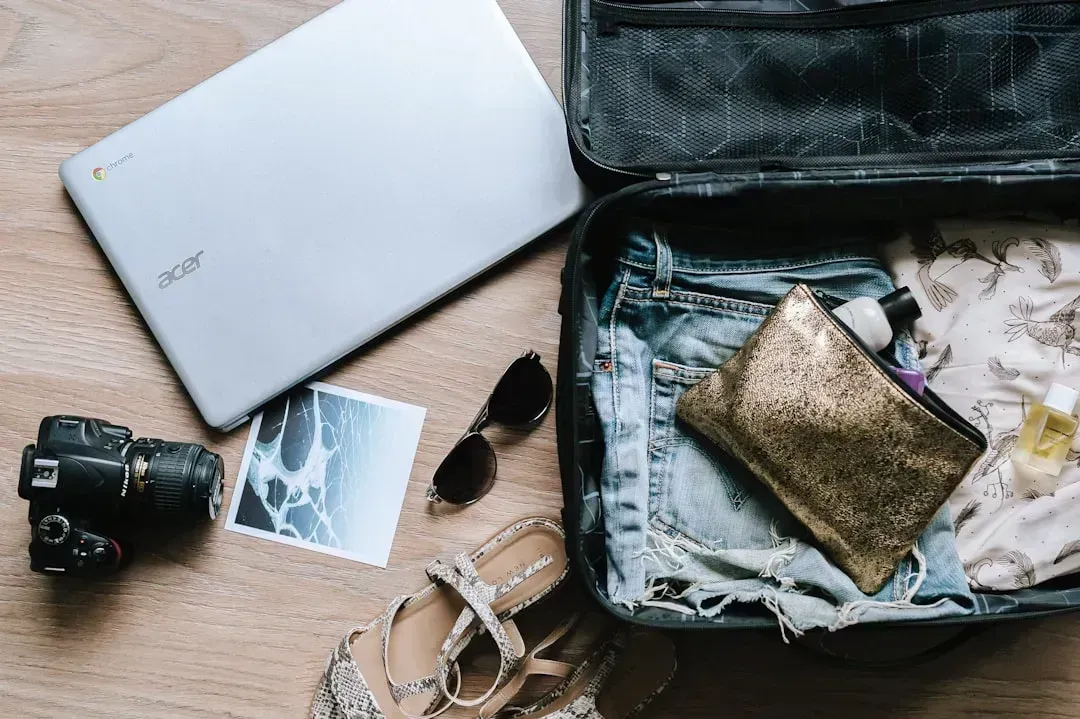
Overpacking a carry-on rarely has much to do with the actual trip length. It usually points to a deeper discomfort with uncertainty, a need to control every possible scenario before it happens. Psychologists who study anxiety and planning behavior often note that excessive preparation is a common coping mechanism for people who feel unsettled by unpredictability.
These travelers tend to bring backup chargers, extra layers for weather that probably won’t happen, and snacks for delays that may never occur. It’s not indecision so much as a desire to feel prepared for anything. In a strange way, the overstuffed bag becomes a portable sense of stability.
The Minimalist Who Packs Light on Purpose

Minimalist packers aren’t just avoiding checked bag fees, though that’s certainly part of it. Airlines have steadily tightened baggage allowances and fees in recent years, and budget carriers in particular have made overhead bin space a premium commodity. Frequent flyers have adapted by training themselves to travel with less.
Beyond the practical savings, light packing often reflects a personality that values flexibility over comfort. These travelers tend to be comfortable making quick decisions and adjusting plans on the fly. A single compact bag means fewer things to track, fewer decisions to make, and less friction when plans inevitably shift.
The Organizer With Labeled Packing Cubes
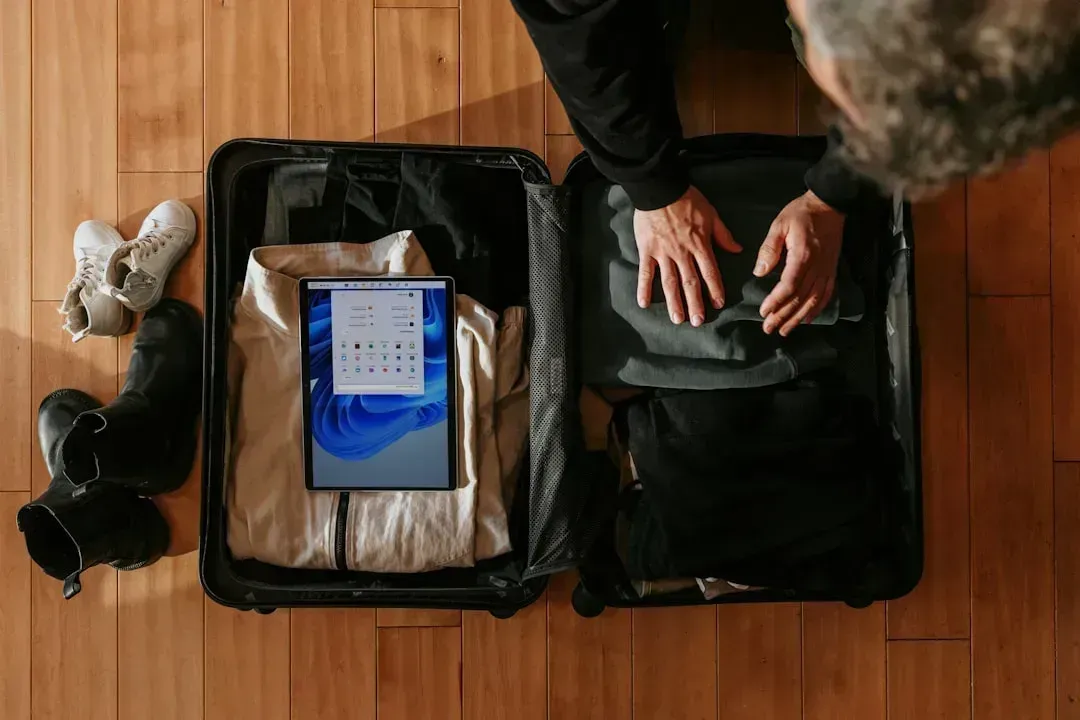
Packing cubes have become something of a cultural phenomenon among frequent travelers, and the people who swear by them tend to share a common trait: a preference for visible order. Compartmentalizing a bag by category, shirts here, cables there, isn’t just about tidiness. It’s a way of reducing mental load during a trip, since a well-organized bag means less searching and less stress at security or in a cramped hotel room.
This habit often correlates with people who plan their itineraries in similar detail, mapping out days with the same precision they apply to their luggage. There’s a quiet satisfaction in knowing exactly where everything lives. For these travelers, the carry-on isn’t just storage, it’s a small system that mirrors how they like to move through the world.
The Last-Minute Packer Who Thrives on Pressure
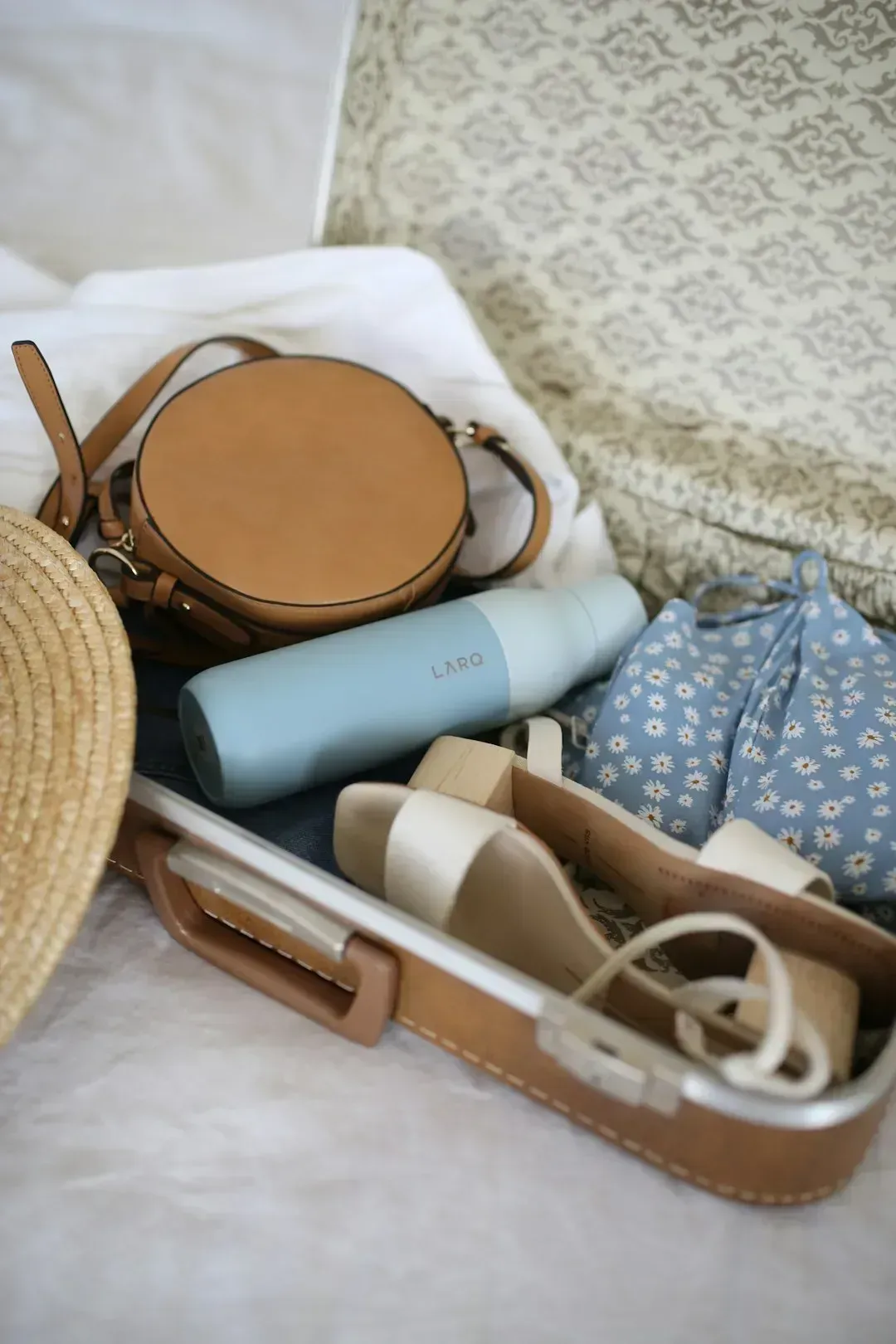
Some people pack their carry-on the night before a flight, others do it in the twenty minutes before leaving for the airport. Research on procrastination suggests that last-minute behavior isn’t always a sign of poor planning. For some, it’s a deliberate strategy, a way of staying energized by pressure rather than being paralyzed by it.
These travelers tend to trust their instincts more than checklists. They often pack fewer items overall simply because there’s no time to overthink choices. Ironically, this approach can lead to more efficient packing than the meticulous planners achieve, since urgency forces quick, practical decisions.
The Guardian Who Never Lets the Bag Out of Sight
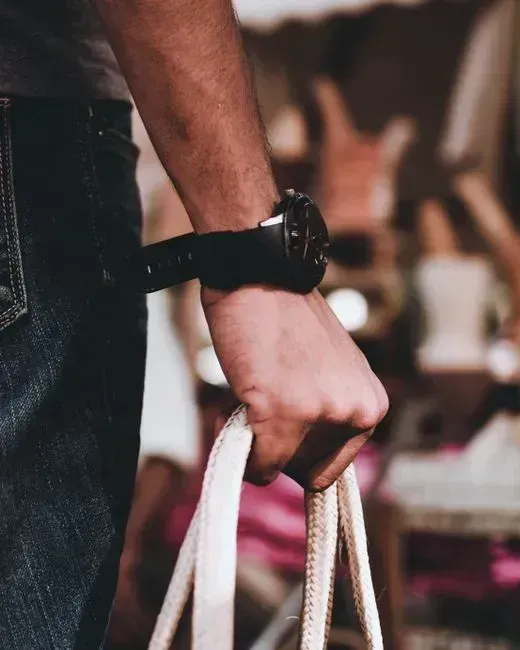
There’s a specific type of traveler who treats their carry-on like it contains state secrets, keeping a hand on it at all times, even in the security line or while ordering coffee. This habit often reflects a heightened sense of risk awareness, sometimes shaped by a past experience with lost or stolen luggage. Airports remain busy environments where petty theft, while not overwhelmingly common, does occur enough to justify some caution.
For these travelers, the vigilance isn’t necessarily anxiety, it’s a form of control in an environment that otherwise feels chaotic and outside their influence. They tend to be detail-oriented in other parts of life too, the type who double-checks locks and confirms reservations twice. The bag becomes an extension of that broader instinct to stay a step ahead of things going wrong.
The Multitasker With a Bag Full of Entertainment
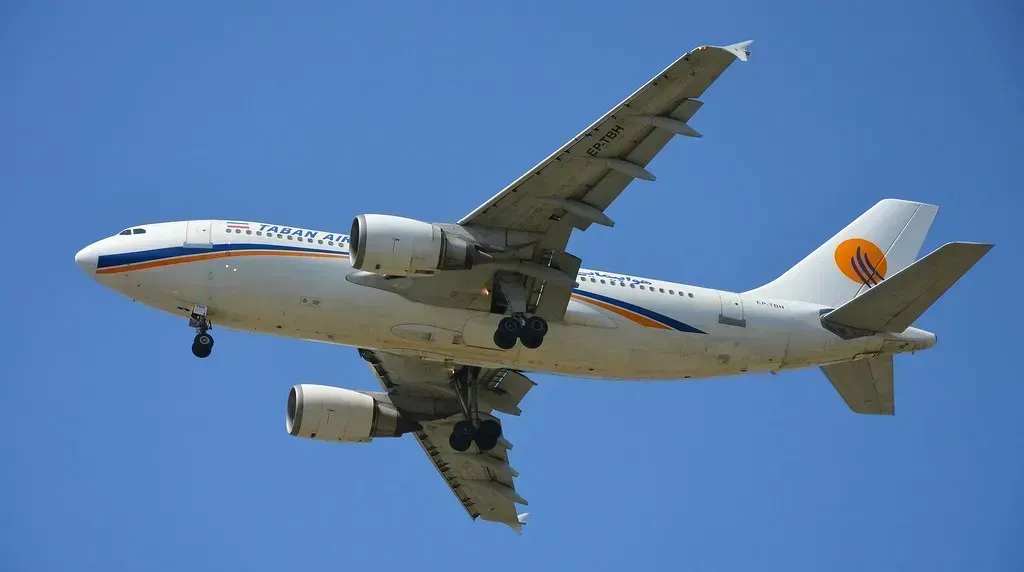
Open the carry-on of a frequent flier who hates downtime and you’ll usually find a small media library: a tablet, noise-canceling headphones, a paperback, maybe a portable charger dedicated solely to keeping devices alive for hours. This habit tends to belong to people who struggle with idle time and prefer to stay mentally occupied, even during a flight with nowhere to be.
It’s less about boredom avoidance and more about maintaining a sense of productivity or engagement, even during forced stillness. These travelers often view flight time as an opportunity rather than dead time, whether that means catching up on a show, finishing a book, or working through emails before landing. The bag reflects a mind that rarely likes to sit fully idle.
The Sentimentalist Who Packs Comfort Items
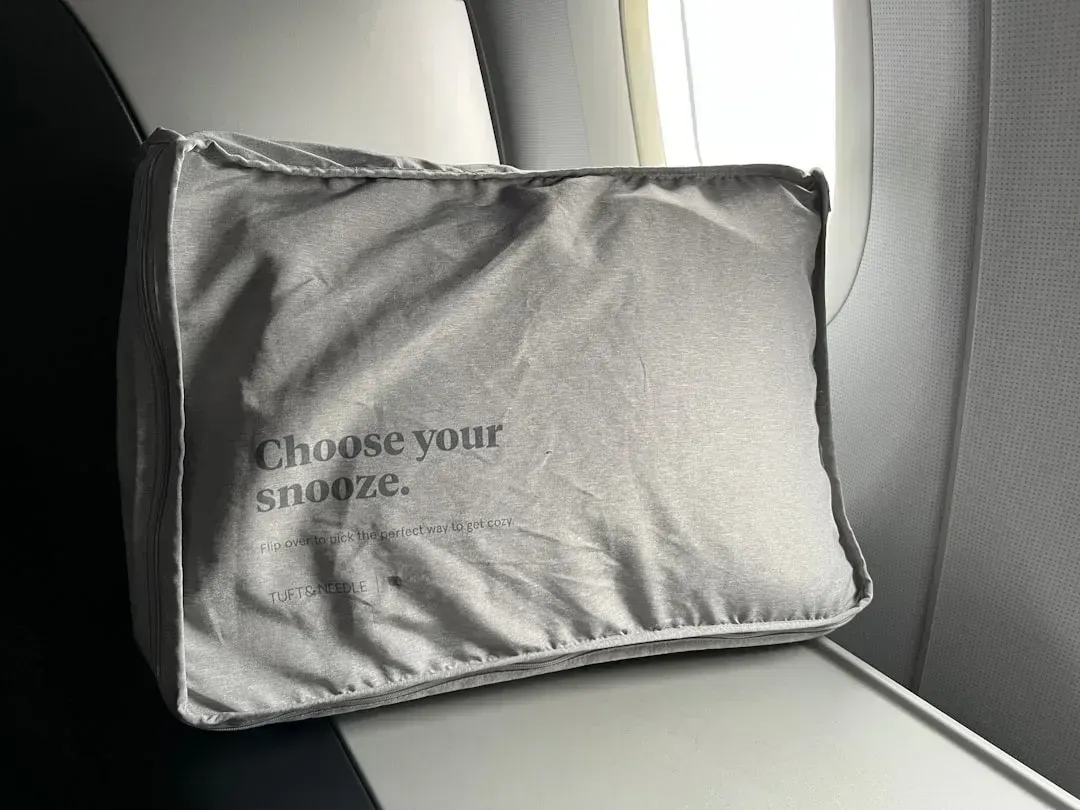
Some carry-ons include a small pillow, a favorite blanket, or a specific snack that has nothing to do with practicality and everything to do with comfort. This habit tends to show up in travelers who feel more anxious about unfamiliar environments, using familiar objects to create a small sense of home no matter where they land. It’s a subtle form of self-soothing that shows up across age groups, not just with younger travelers.
These small comfort items often matter more on long-haul flights or trips involving significant time zone changes, where the disorientation of travel can feel more pronounced. Bringing something familiar isn’t a sign of fragility, it’s a practical strategy for managing stress in transit. For many, it’s simply an acknowledgment that comfort matters just as much as efficiency.
The Strategist Who Packs for Multiple Scenarios
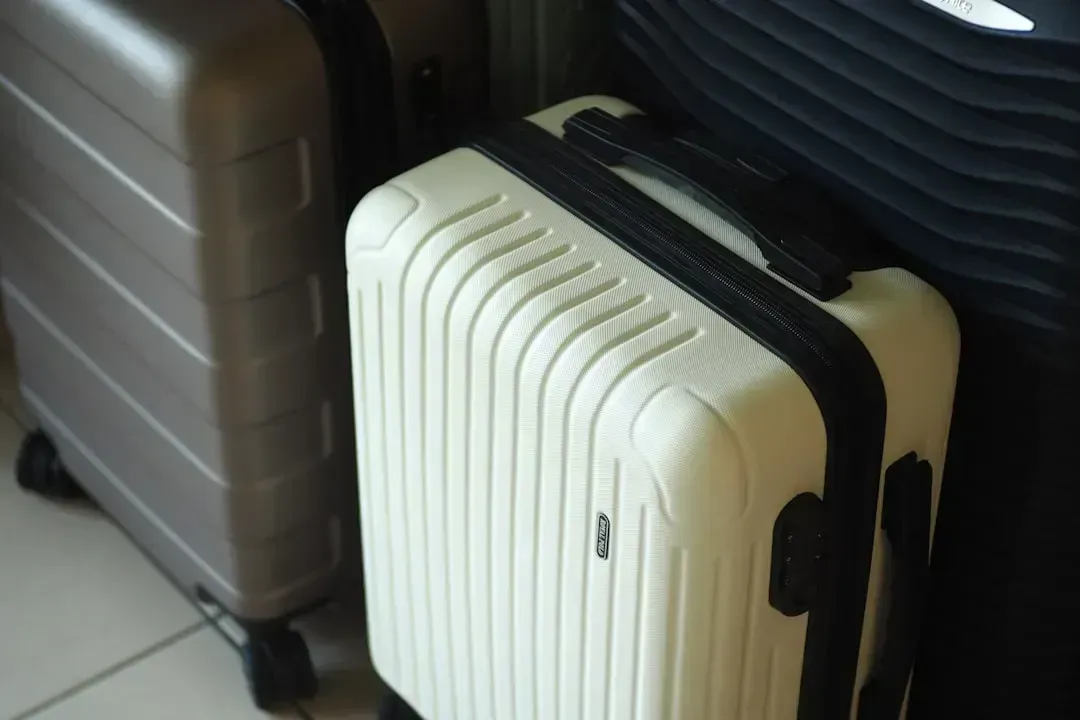
Certain travelers pack their carry-on almost like a chess player thinking several moves ahead, planning for delays, gate changes, weather shifts, or even a missed connection. This tends to reflect a personality that’s comfortable anticipating problems before they surface, often because they’ve experienced enough travel disruptions to know how quickly plans can unravel. Flight delays and cancellations have remained a persistent frustration for travelers in recent years, reinforcing this kind of contingency thinking.
These packers usually carry versatile items, a layer that works in multiple climates, a charger that fits several devices, snacks that double as meals if needed. It’s not paranoia, it’s pattern recognition built from experience. Their carry-on becomes a small insurance policy against the unpredictability that air travel still reliably delivers.
The Tech-Forward Packer Who Digitizes Everything
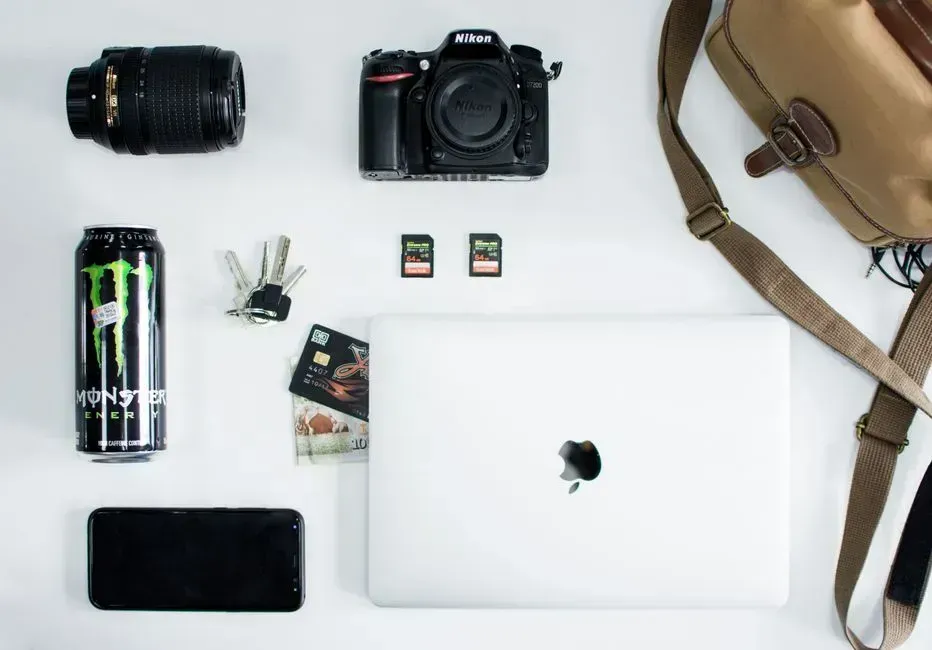
A growing number of travelers now pack carry-ons built almost entirely around technology, boarding passes on a phone, documents scanned and stored in the cloud, guidebooks replaced by apps. This shift mirrors a broader trend in travel behavior, where mobile check-in and digital boarding passes have become the default for most major airlines rather than the exception. For these travelers, reducing physical clutter often reflects a desire for efficiency and adaptability.
This habit tends to belong to people who feel comfortable relying on technology rather than paper backups, trusting that a charged phone solves most problems a printed itinerary once did. It also often signals someone who travels frequently enough that streamlining has become second nature. Their carry-on, lighter on paper and heavier on devices, reflects a traveler who has optimized the process through repetition.
Final Thoughts
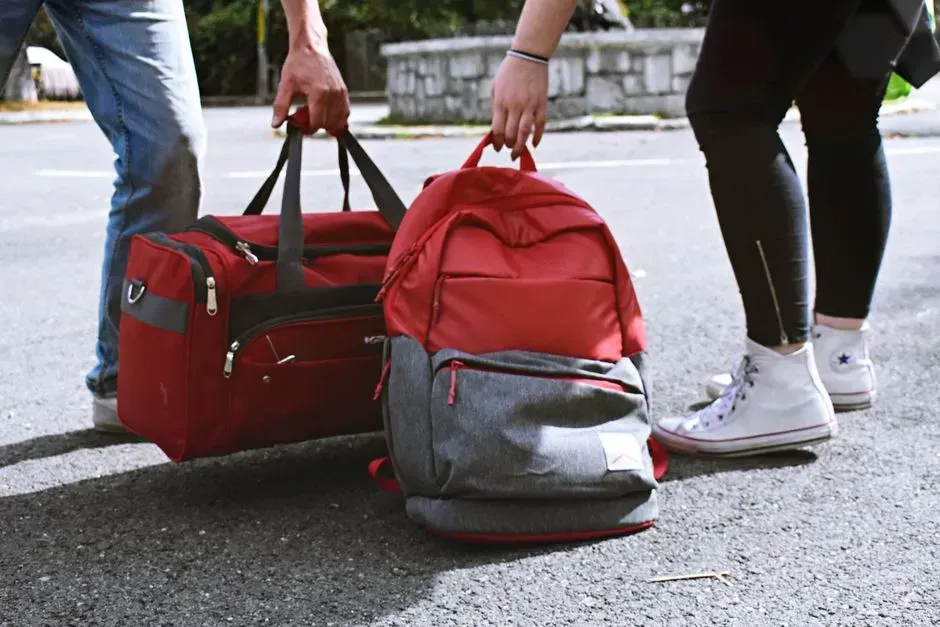
No single carry-on habit tells the whole story of who someone is, but taken together, these patterns offer a fairly honest reflection of how people handle uncertainty, comfort, and control. Whether it’s the meticulous organizer or the last-minute packer thriving on pressure, each approach is really just a different way of managing the same experience: stepping into the unknown with everything you think you’ll need close at hand.
The next time you’re waiting at a gate, it might be worth noticing your own habits a little more closely. The bag says more than you’d think.


Leave a Reply