
Bhutan: The Himalayan kingdom that measures happiness, not headlines
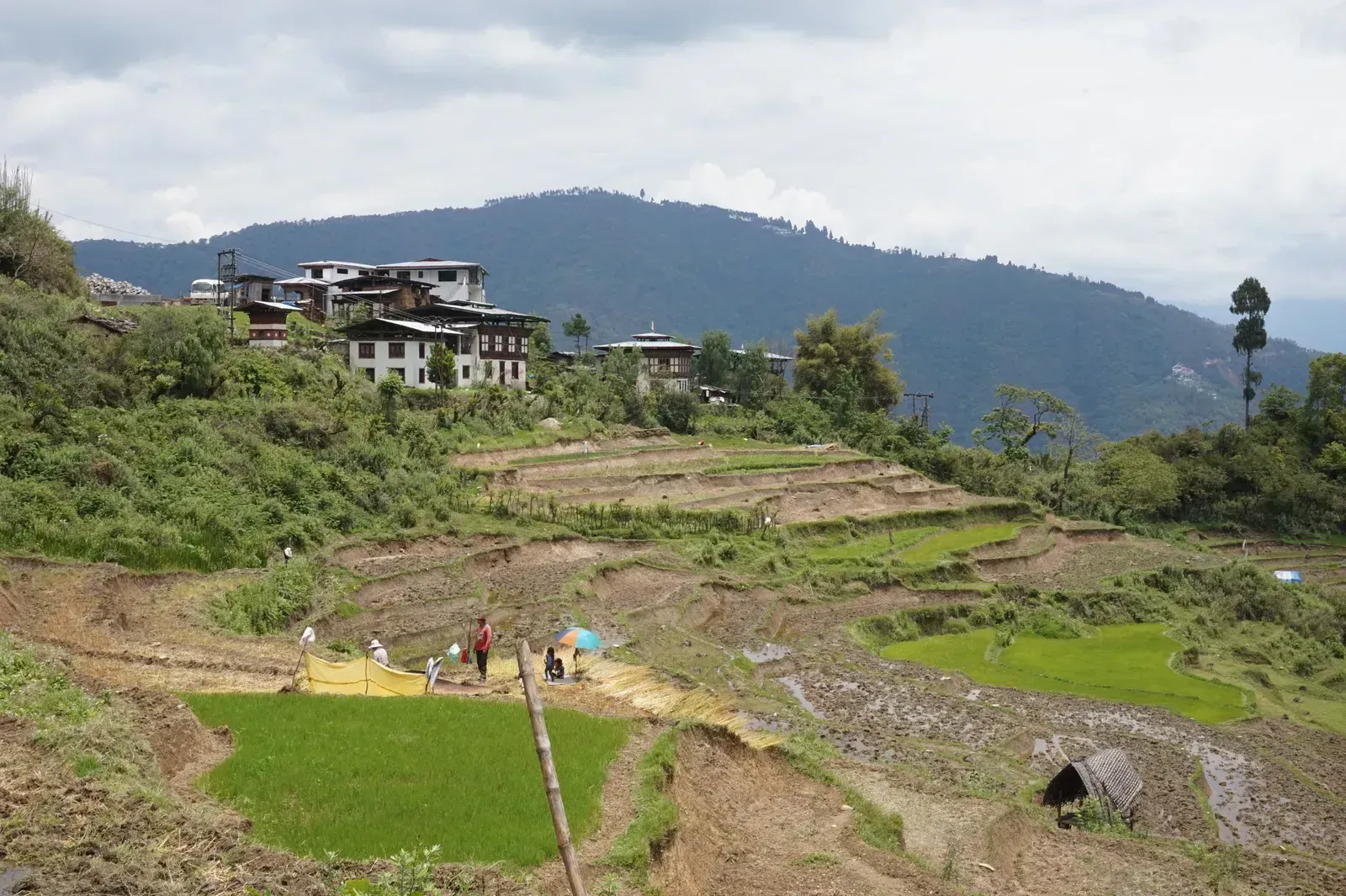
Tucked between India and China, Bhutan rarely appears in global news unless someone is writing about its famous Gross National Happiness policy. Yet on the security front, it quietly outperforms most of its neighbors. Bhutan remained the most peaceful country in South Asia and ranked 16th globally. That places it well above many wealthier and more populous nations in the region.
Bhutan’s approach to governance leans heavily on cultural preservation and environmental protection, which indirectly supports its social stability. The country transitioned to a constitutional monarchy in 2008 without major unrest, a rare feat in a region often marked by political turbulence. Low population density and limited exposure to cross-border conflict also help keep its peace score consistently strong.
Mauritius: An island nation setting the standard for Africa
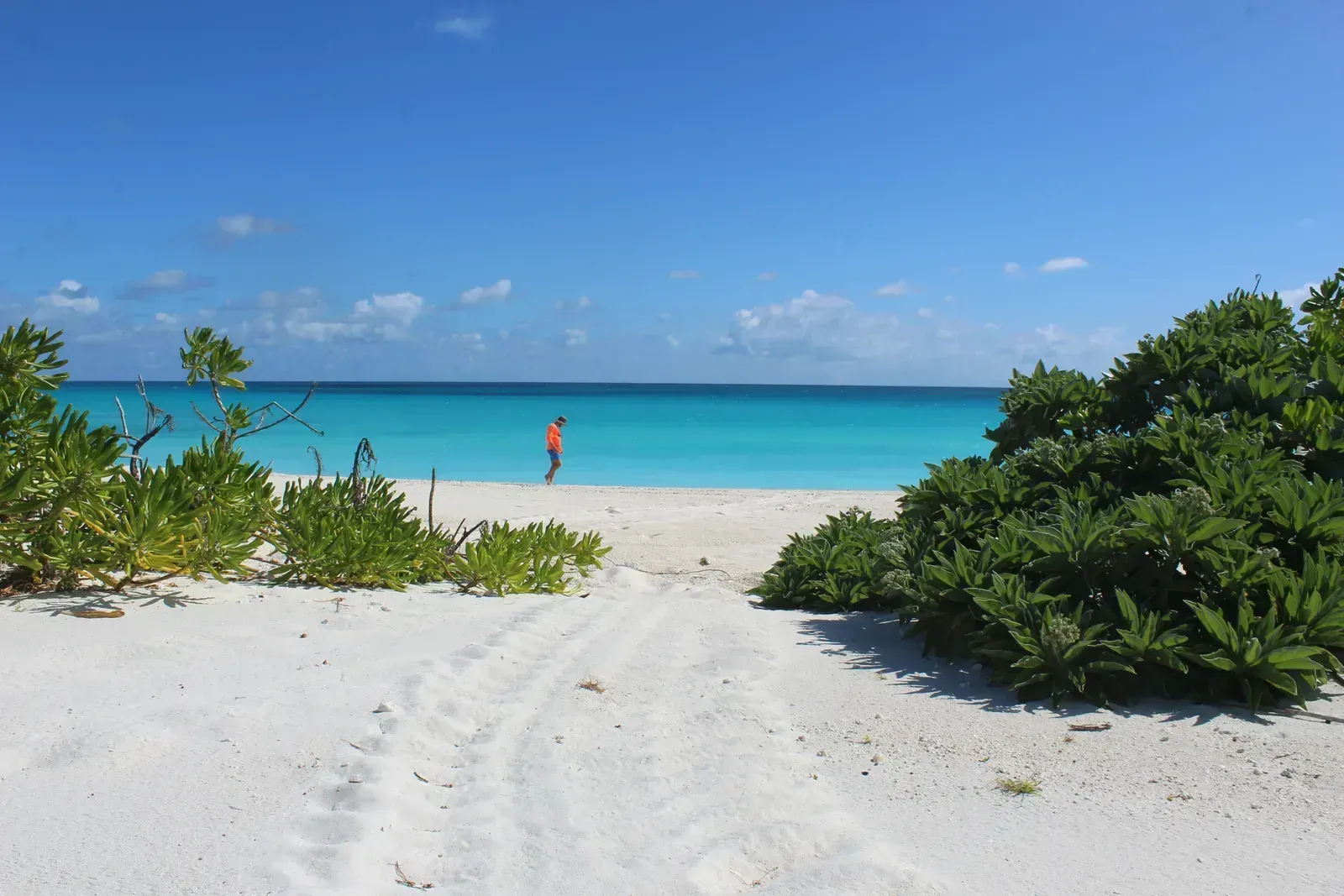
Most people know Mauritius as a honeymoon destination, not a case study in governance. Still, the numbers speak for themselves. The safest country in Africa is Mauritius, a small island nation ranked 23rd globally in peacefulness. That ranking puts it ahead of many European countries with far larger economies.
Mauritius enjoys a low crime rate and political stability, making it a standout in Africa. Its multi-ethnic population, a mix of Indian, African, Chinese, and European heritage, coexists with relatively little social friction. The island’s isolation from continental conflicts and its reliance on tourism and financial services give it strong incentives to maintain internal order.
Slovenia: A small European republic with a big peace score
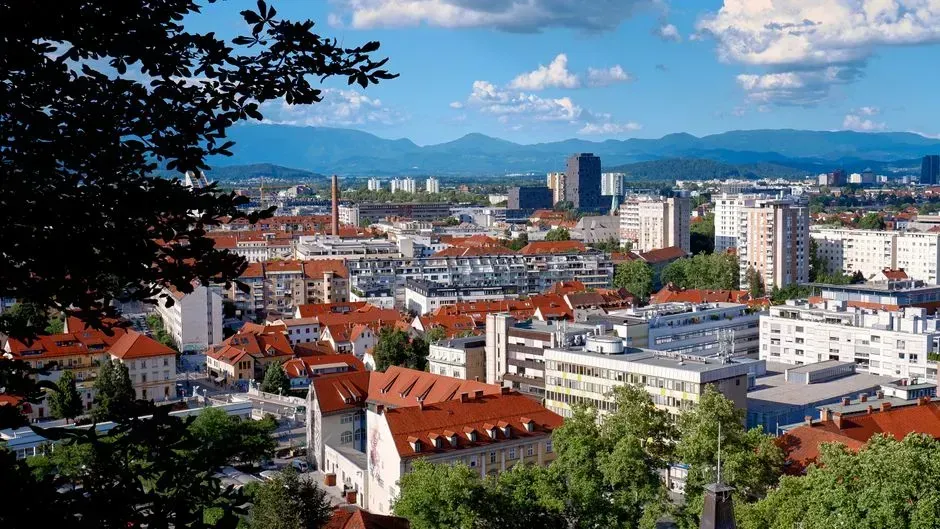
Slovenia tends to get overshadowed by its larger neighbors, Austria and Italy, in most travel and news coverage. Yet within the Global Peace Index, it consistently ranks among the very best. It is joined by New Zealand, Switzerland, Slovenia, and Ireland as the world’s five most peaceful countries. Few outside Europe would guess that this former Yugoslav republic sits in such elite company.
Since separating peacefully from Yugoslavia in 1991, Slovenia has built one of the most stable political systems in Central Europe. Slovenia at 1.369 recorded a slight improvement of −0.040, remaining among the top-ranked countries and even overtaking Switzerland in recent scoring. Its small size and EU membership have helped it avoid the geopolitical pressures facing larger states nearby.
Uruguay: South America’s understated success story
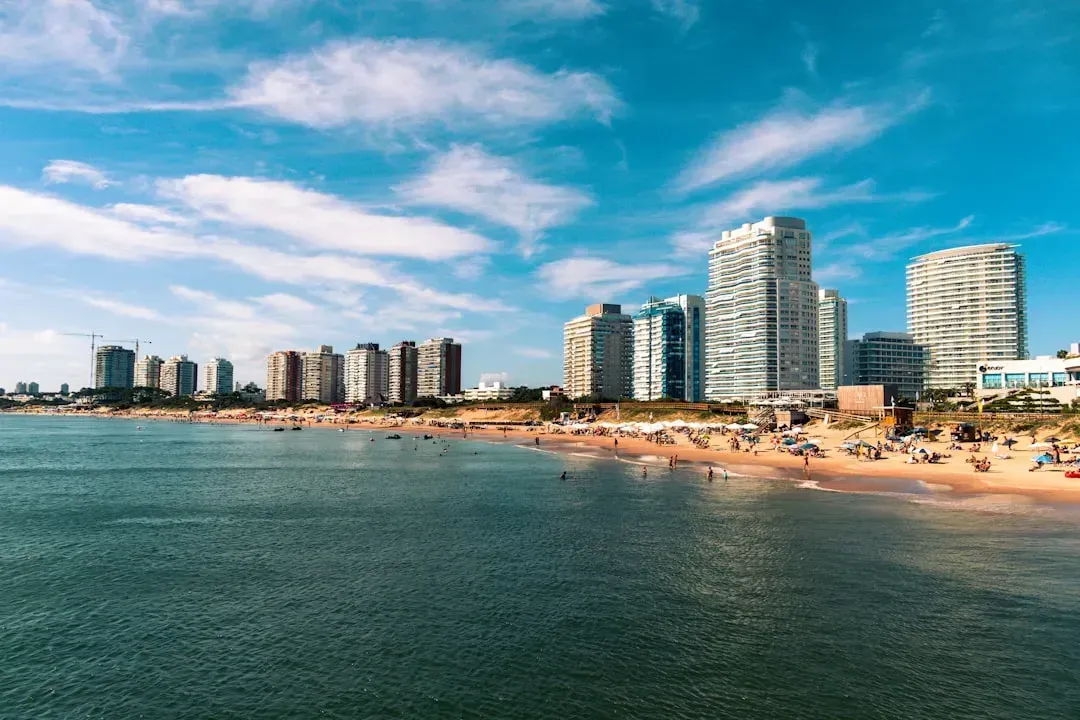
Uruguay rarely makes international news, which is somewhat the point. While its neighbors deal with higher crime rates and political volatility, Uruguay has quietly built a reputation for stability. In the Americas, the most peaceful countries are Uruguay at 1.754, Canada at 1.525, and Costa Rica at 1.860. Within its own region, Uruguay consistently leads.
Uruguay has low violent crime and a stable democracy, making it a safe haven in a region that struggles with crime. The country has a long tradition of secular governance and progressive social policy, which has helped reduce internal tensions over the decades. Its small population and relatively even income distribution also contribute to lower social strain compared to larger South American economies.
Botswana: Southern Africa’s quiet diamond of stability
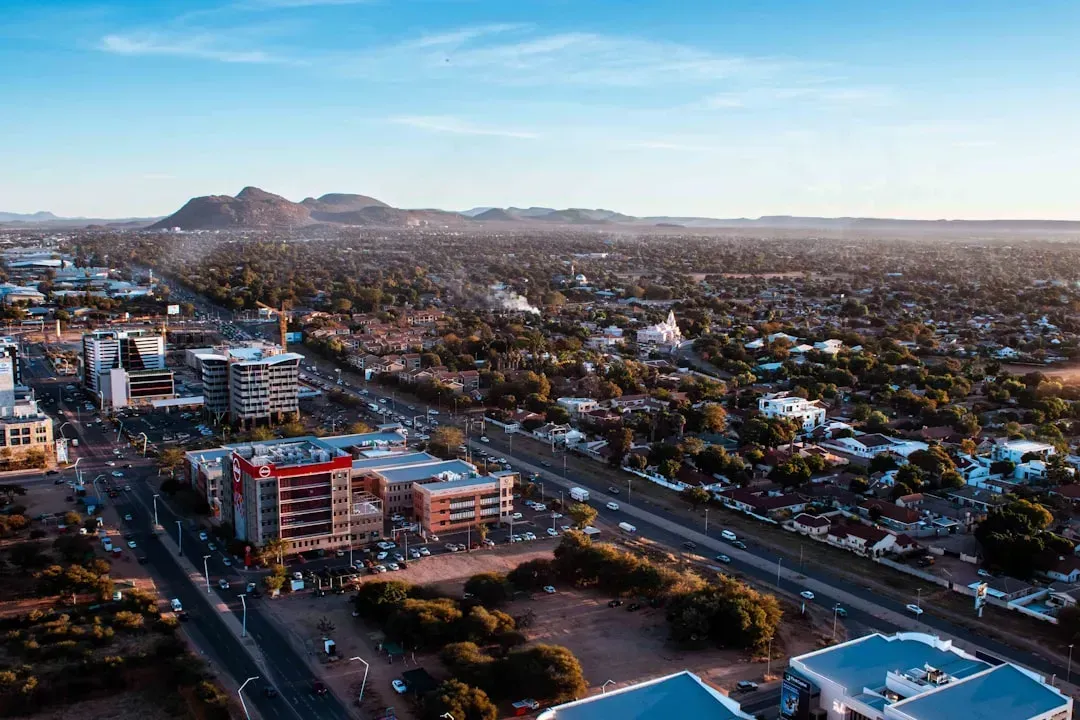
Botswana almost never appears in international headlines, partly because there is rarely anything alarming to report. The country has avoided the coups, civil wars, and authoritarian slides that have affected several of its neighbors since independence in 1966. In Africa, the most peaceful countries are Mauritius at 1.586, Botswana at 1.823, Namibia at 1.872, Senegal at 1.939, and Ghana among the region’s steadiest performers.
Botswana’s diamond-driven economy has funded infrastructure and public services without the resource-conflict patterns seen elsewhere on the continent. Its democratic institutions have remained intact through multiple peaceful transfers of power. Low population density across its vast Kalahari territory also limits the kind of urban tension that fuels unrest in more crowded nations.
Malaysia: A multicultural balance that mostly holds
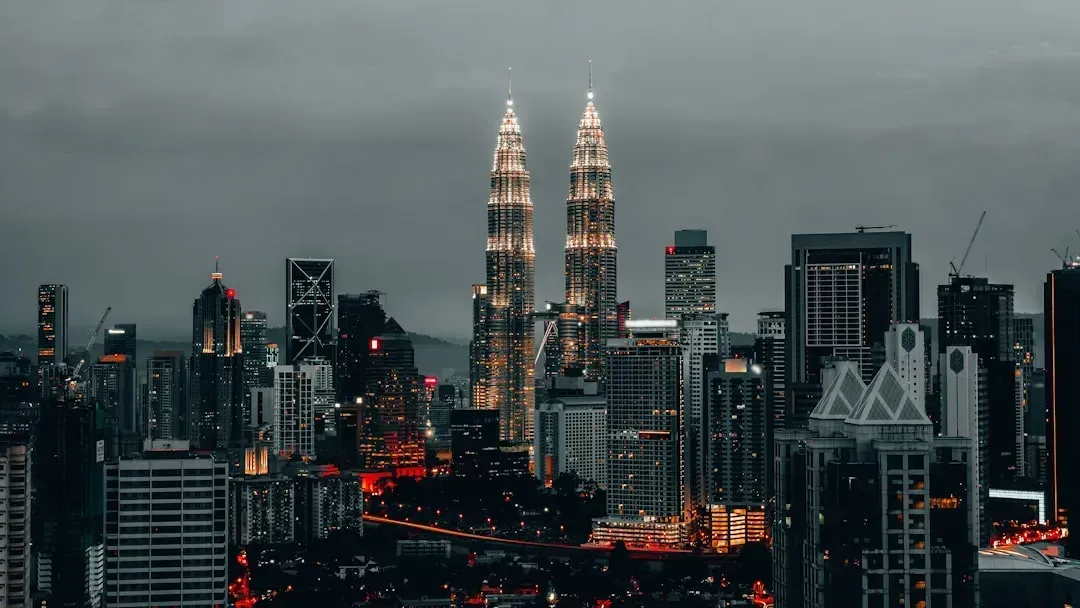
Malaysia occasionally makes headlines for political drama in its capital, but on the broader peace and security front, it performs solidly. Regionally, it sits comfortably among Asia’s more stable nations. In Asia, the leaders are Singapore at 1.435, Japan at 1.489, Malaysia at 1.513, Bhutan at 1.546, and Taiwan at 1.751. That places Malaysia ahead of many of its Southeast Asian neighbors.
Malaysia’s ethnic and religious diversity, spanning Malay, Chinese, and Indian communities, has occasionally produced friction, yet the country has largely avoided sustained violence. Its economy has grown steadily on the back of manufacturing and trade, reducing some of the economic pressures that often fuel unrest. Compared to countries facing insurgencies or border disputes nearby, Malaysia’s internal security situation remains comparatively calm.
Namibia: Wide open spaces, low levels of conflict
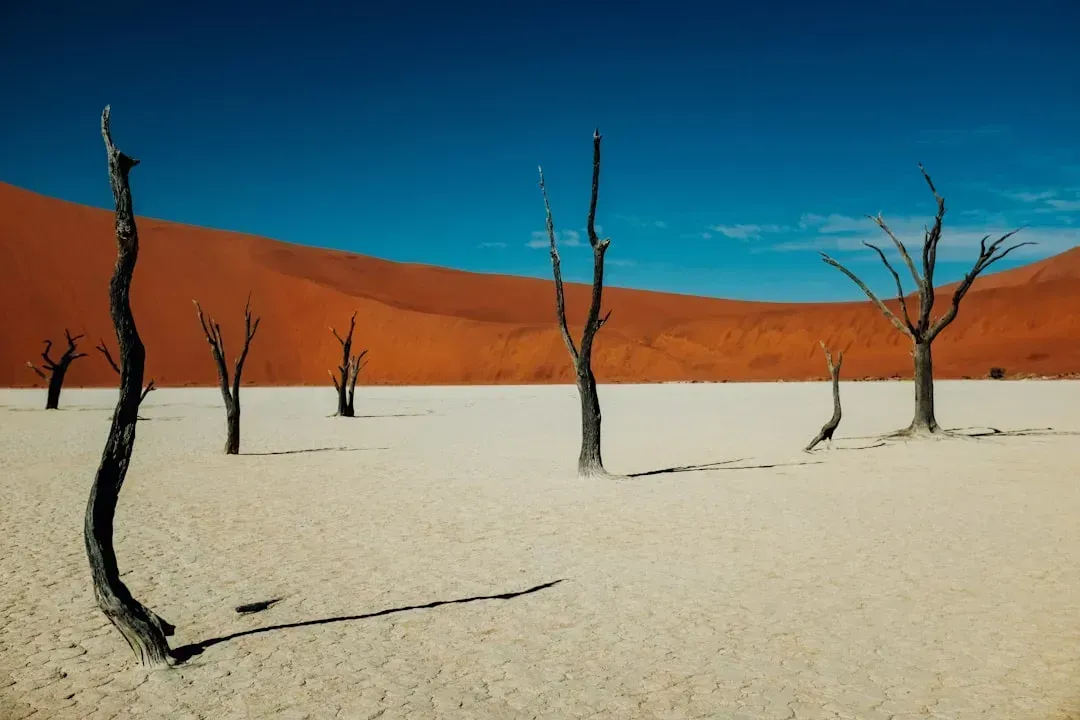
Namibia is one of those countries many people struggle to place on a map, let alone associate with any particular news story. That anonymity is largely a reflection of its stability rather than an oversight. In Africa, the most peaceful countries are Mauritius at 1.586, Botswana at 1.823, Namibia at 1.872, Senegal at 1.939, and Ghana at 1.
Since gaining independence from South Africa in 1990, Namibia has maintained a functioning multiparty democracy without major disruptions. Its vast, sparsely populated landscape, one of the least densely inhabited countries on Earth, naturally reduces the kind of social friction that denser nations often experience. Namibia’s mining-driven economy has also avoided the resource-conflict cycles seen in some neighboring states.
Senegal: West Africa’s rare democratic constant
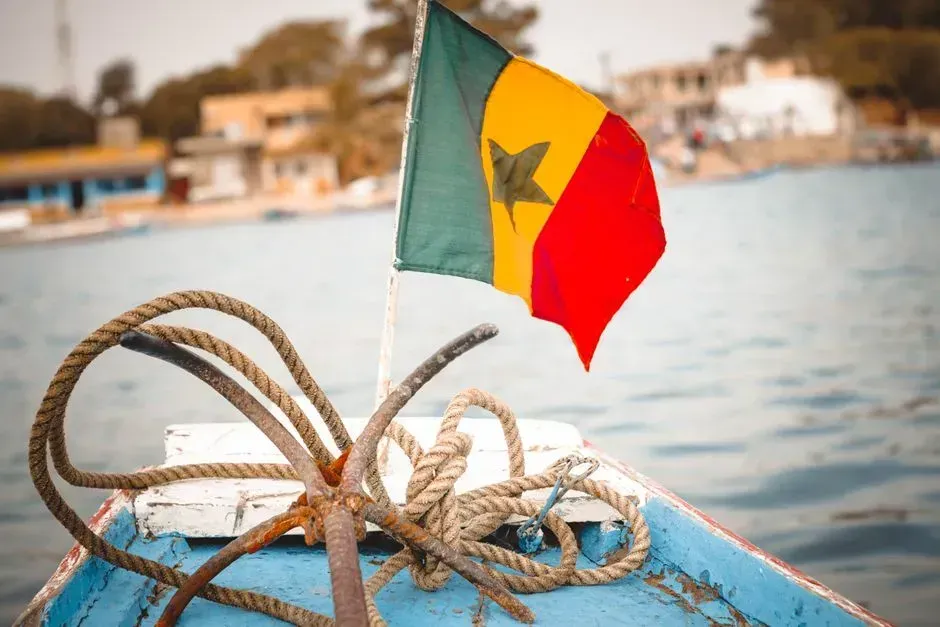
In a region where military coups have become disturbingly common in recent years, Senegal stands out for having never experienced one since gaining independence in 1960. That alone makes it worth noting, even though it rarely draws international attention for this achievement. In Africa, the most peaceful countries are Mauritius at 1.586, Botswana at 1.823, Namibia at 1.872, Senegal at 1.939, and Ghana at 1.
Senegal’s political culture emphasizes negotiated transitions and civilian oversight of the military, a combination that has helped it avoid the instability affecting Mali, Guinea, and Burkina Faso nearby. Dakar’s relative openness to civil society and independent media has also contributed to lower internal tension. The country’s peace ranking reflects decades of consistent, if unglamorous, institutional resilience.
Sri Lanka: A steady climb after decades of conflict
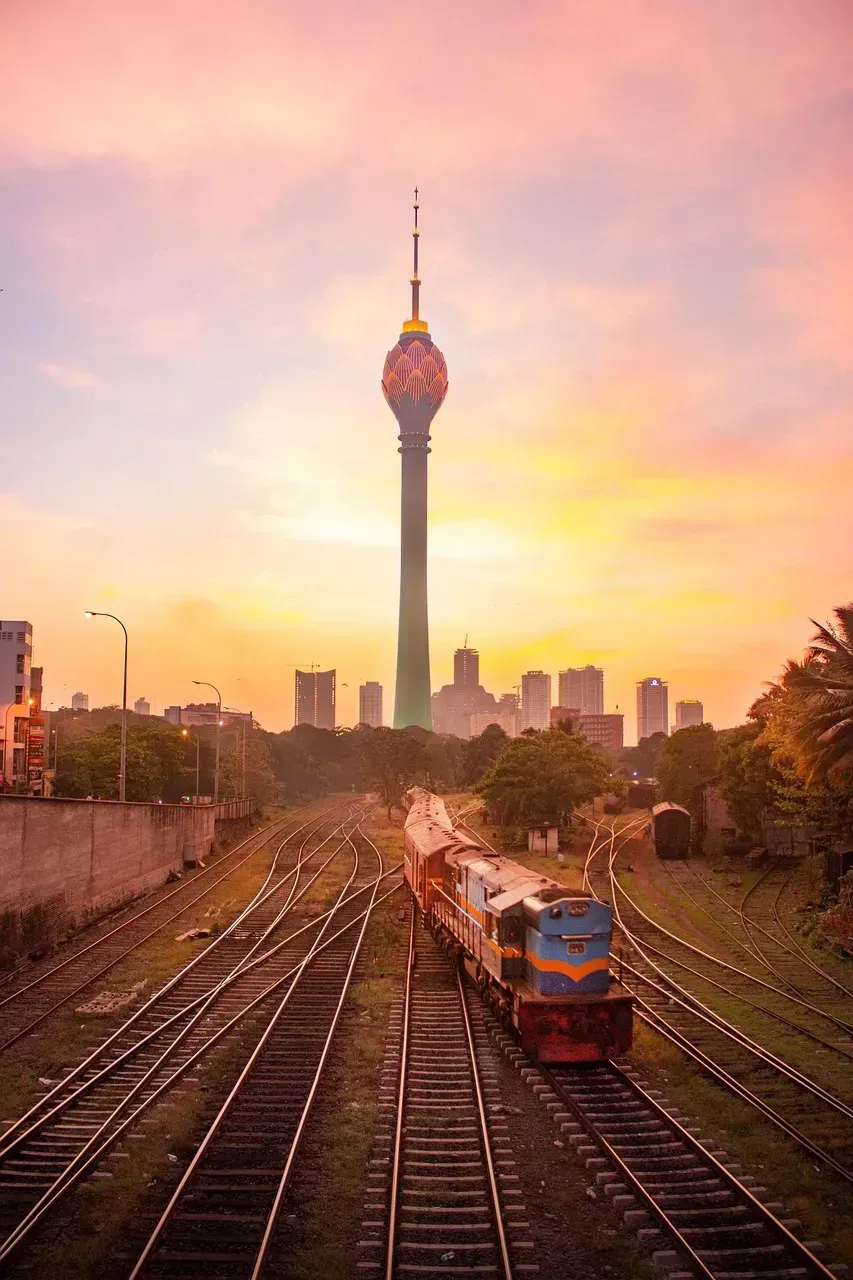
Sri Lanka’s history includes a lengthy civil war that ended in 2009, so its current standing as a relatively peaceful nation might surprise those who remember that period. The transformation has been gradual but measurable. Sri Lanka improved substantially, climbing to 67th position globally, becoming the second most peaceful country in South Asia.
That improvement reflects reduced political violence, economic recovery efforts, and a slow rebuilding of trust between communities that were once deeply divided. While Sri Lanka faced a severe economic crisis in recent years, its underlying security situation has not deteriorated in the same way. The country’s progress shows that peace rankings can shift meaningfully within a generation, even after serious internal conflict.
Costa Rica: Central America’s disarmed democracy
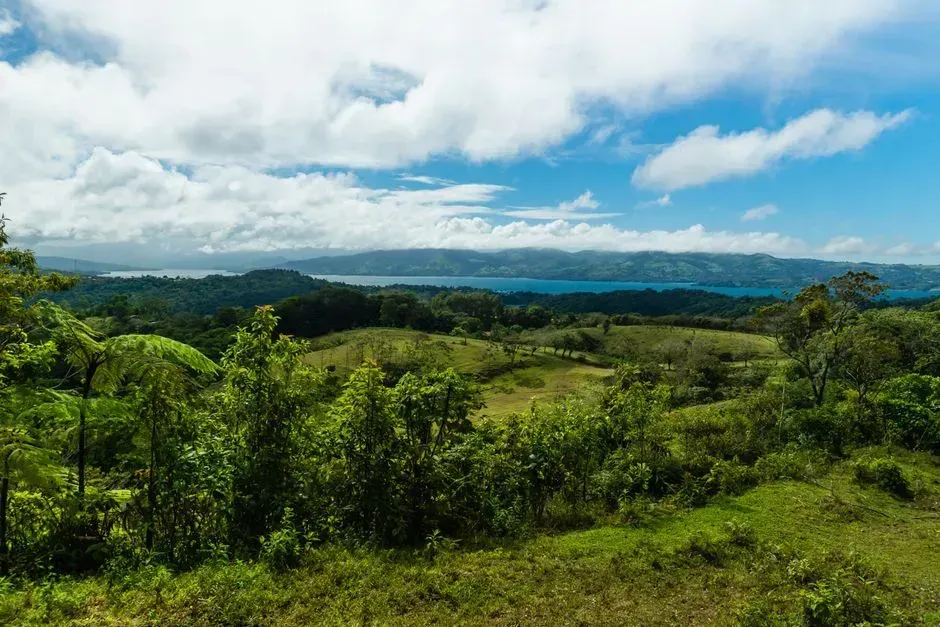
Costa Rica is better known abroad for rainforests and eco-tourism than for its security credentials, yet those credentials are genuinely notable. The country abolished its military back in 1948, a decision that continues to shape its low-conflict profile today. In the Americas, the most peaceful countries are Uruguay at 1.754, Canada at 1.525, and Costa Rica at 1.860.
Without a standing army, Costa Rica has redirected resources toward education, healthcare, and environmental protection rather than defense spending. This has helped foster one of the most stable democracies in Central America, a region otherwise marked by higher rates of violence and organized crime. Its relative isolation from the drug trafficking routes that plague some neighboring countries also plays a role in keeping its peace score comparatively strong.
Ghana: A West African democracy that keeps improving
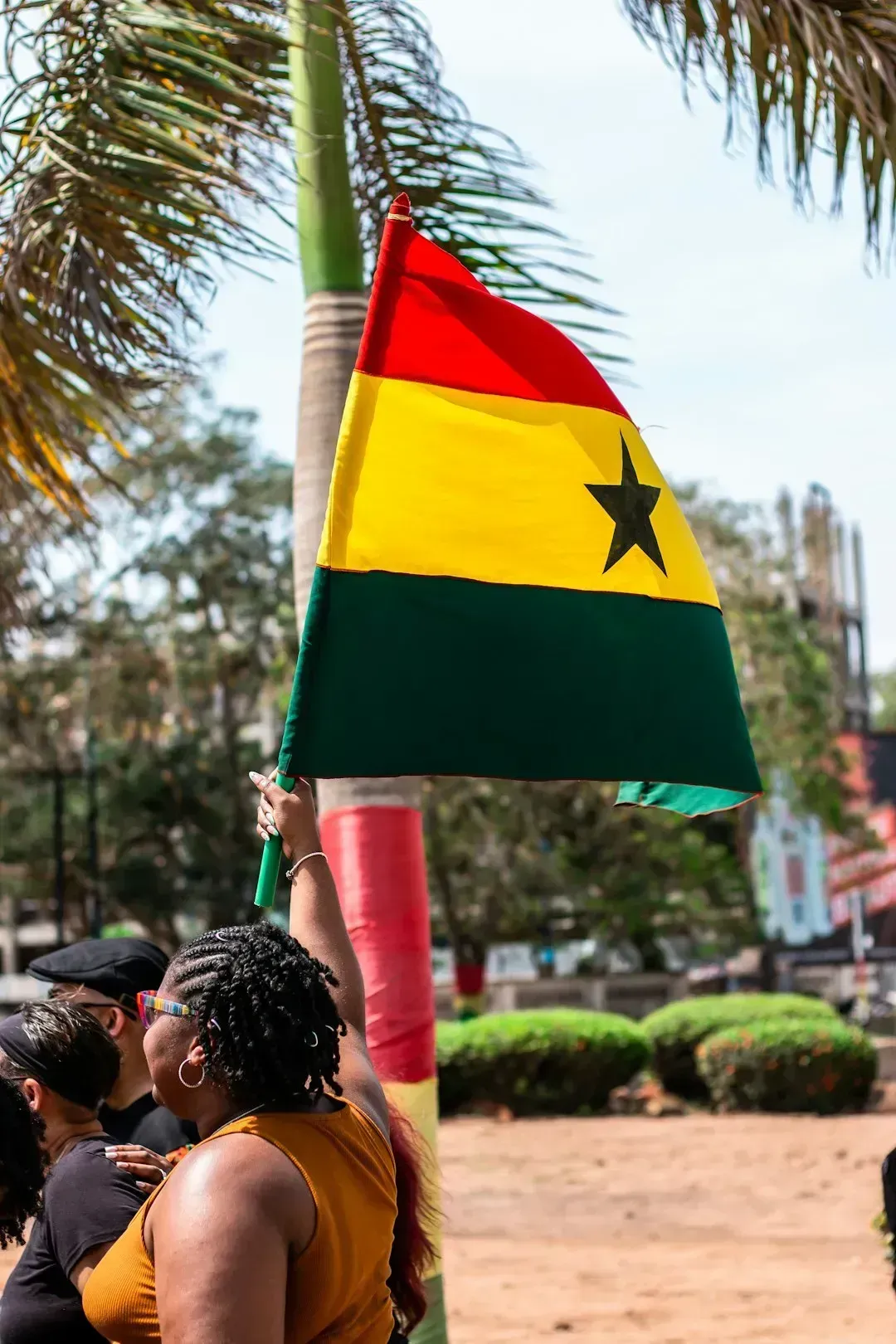
Ghana rarely factors into international conversations about African stability, largely because it has avoided the crises that draw attention elsewhere on the continent. Its steady democratic track record since the early 1990s has made it something of a quiet outlier in the region. Sierra Leone and Ghana have been noted for safety gains and are now safer than even some countries in other regions.
Ghana has held multiple peaceful transfers of power between political parties, a rarity in a region where incumbents often resist stepping down. Its economy, built partly on gold and cocoa exports, has provided enough stability to reduce the kinds of grievances that sometimes fuel unrest. Ghana’s example is often cited by regional analysts as proof that democratic consolidation is possible in West Africa without major setbacks.
Chile: The Andes nation with steady institutions
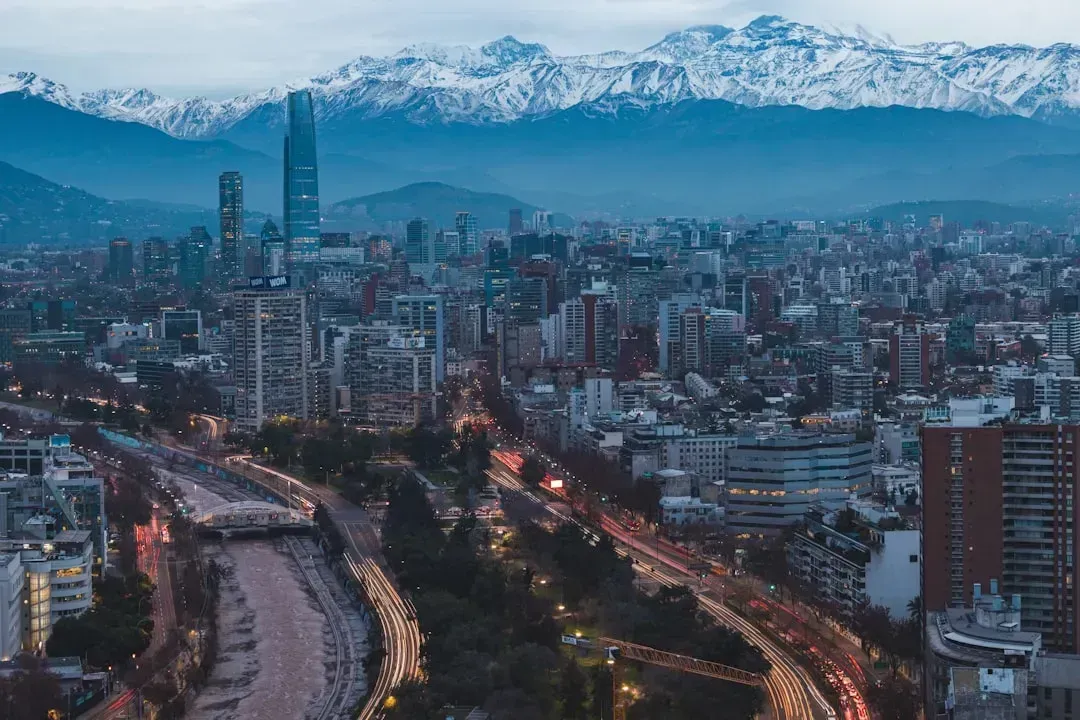
Chile occasionally appears in headlines during periods of protest or political debate, but its underlying institutional strength keeps it near the top of South America’s peace rankings. Alongside Uruguay, it consistently leads the region on measures of safety and governance. South America’s safest country is Uruguay or Chile, which consistently rank highest on the GPI in that continent.
Chile also has relatively strong institutions and police, which has helped it manage social tensions without descending into prolonged instability. The country’s long democratic tradition, interrupted only by the Pinochet era decades ago, has since been rebuilt into one of the more resilient political systems in the region. Chile’s economic diversification beyond mining has also reduced some of the pressures that contribute to unrest elsewhere in South America.
Portugal: Western Europe’s understated peacekeeper
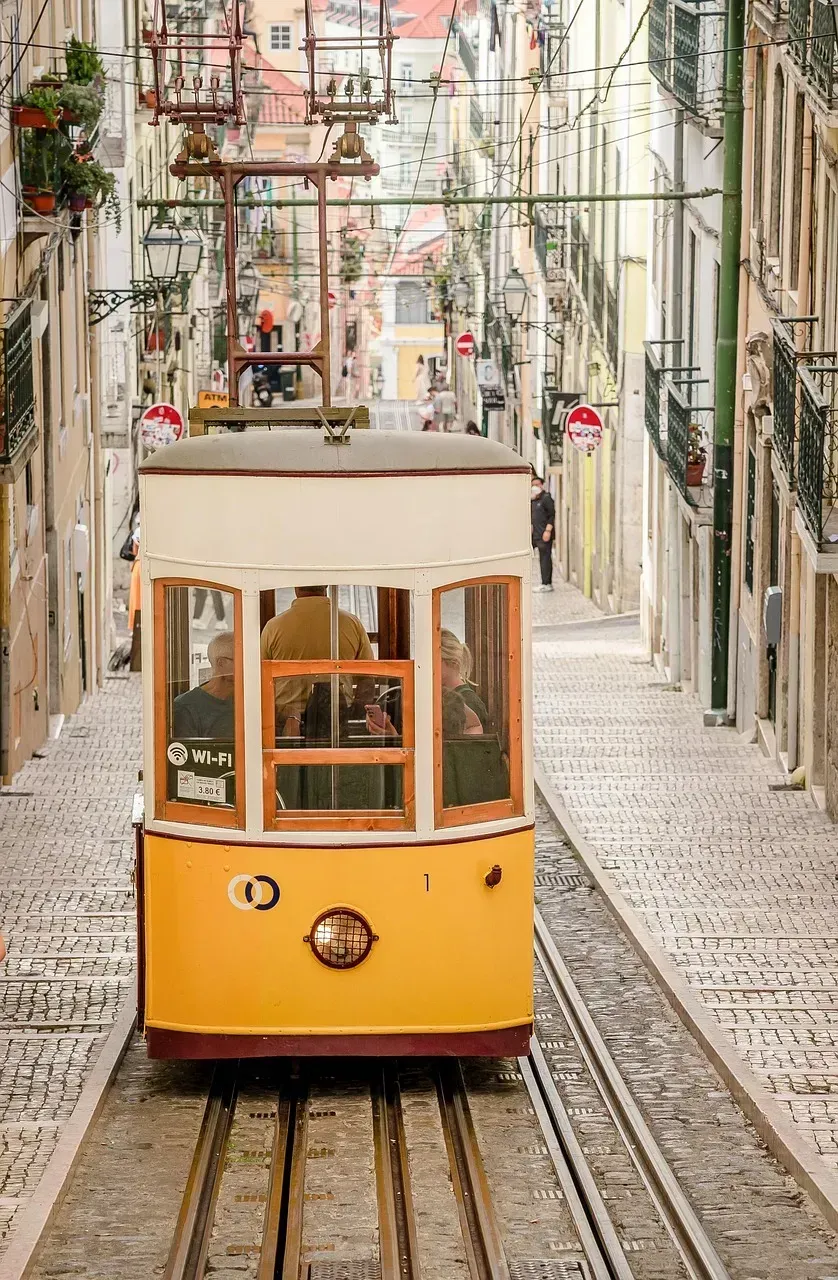
Portugal sits comfortably inside the world’s top ten most peaceful countries, yet it rarely gets the same attention as its Nordic or Alpine counterparts. Its steady performance is easy to overlook precisely because nothing dramatic ever seems to happen there. In 2026, the world’s most peaceful countries according to the Institute for Economics & Peace were Iceland at 1.161, Portugal at 1.427, and Austria at 1.421.
Portugal’s low crime rates, strong social safety net, and relatively low levels of political polarization have kept it consistently near the top of European peace rankings for years. As a NATO and EU member, it benefits from regional security arrangements without carrying the same military weight or geopolitical visibility as larger allies. That combination of protection and modest global profile has let Portugal maintain peace without ever needing to make a headline out of it.
Taken together, these thirteen countries share a common thread: quiet, consistent governance that rarely produces dramatic news but reliably produces safety. None of them dominate global attention, and that is largely the point. Peace, it turns out, often looks less like a headline and more like an uneventful Tuesday.

Leave a Reply