
1. Panama
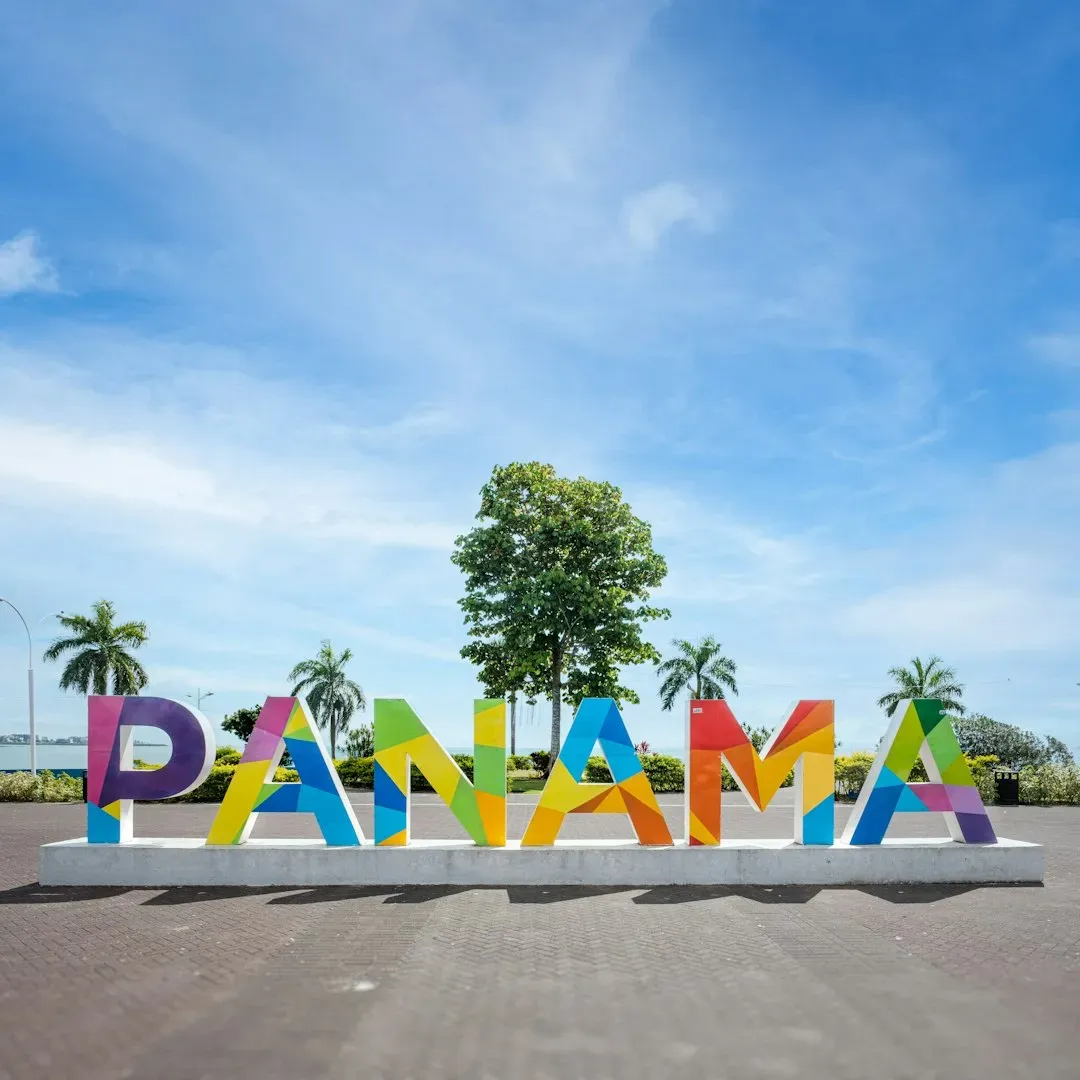
Panama’s Pensionado program is often cited as the easiest retirement visa on the planet, and the numbers back that up. To qualify for the Pensionado Visa, the main applicant must receive a minimum lifelong pension of USD 1,000 per month. Social Security counts directly toward that threshold, and Social Security income, Canada Pension Plan, military or state retirement pensions, and lifetime annuities from private insurance companies or established corporations all qualify for the Panama Pensionado program.
What makes Panama especially attractive is the currency situation. Panama uses the US dollar as its official currency, pegged 1:1 to the Balboa. American retirees face zero currency conversion risk, Social Security and pension payments arrive and are spent in the same dollars. Add in the country’s famous discount card for pensioners, and daily costs shrink further. Over 25,000 American retirees live there, with top communities in Boquete, Panama City, and Coronado, and a couple can live comfortably on $2,000-3,000 per month.
2. Mexico

Mexico remains the default choice for many Americans simply because of geography and familiarity. Mexico is home to the largest expat community in Latin America by a wide margin, with an estimated one million Americans living there at least part-time, and many more spending winters in popular coastal and colonial cities. That scale means established infrastructure, English-speaking doctors, and neighborhoods where the transition feels less like culture shock and more like a change of scenery.
The catch is that qualifying for long-term residency has gotten tougher for Social Security-only retirees. For decades, Mexico was the most popular destination for US retirees. By 2025, however, new income requirements, $4,200 per month for temporary residency and $7,000 for permanent residency, have made it unattainable for many relying solely on Social Security. Even so, many retirees simply renew tourist status or use savings to bridge the gap, and towns like Lake Chapala remain popular precisely because Lake Chapala, Mexico, is just three hours from the US, with low rents and strong expat networks.
3. Costa Rica
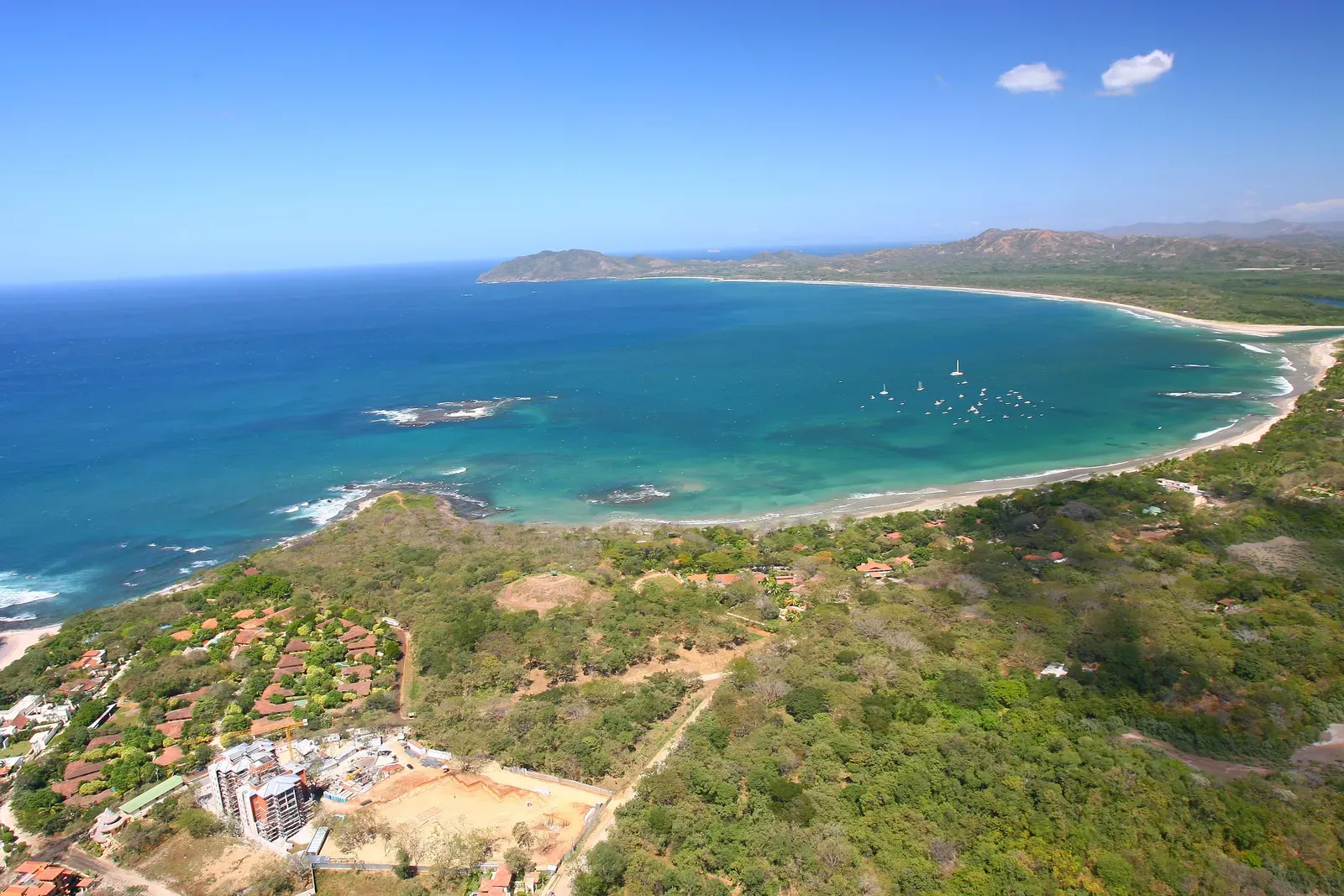
Costa Rica’s pensionado visa has one of the lowest bars in the region. The main requirement for obtaining a pensionado visa is to demonstrate a steady income of $1,000 per month, which can come from various sources like a pension, social security, or an annuity. That single figure covers both singles and couples, which is unusual among Latin American programs.
Healthcare is part of the appeal too, since the country runs a universal system alongside private care. Public healthcare in Costa Rica is universal and provided by the CAJA, and all residents contribute to CAJA through a monthly payment. Budgets vary sharply by region, and Costa Rica’s Central Valley typically runs $2,500 to $3,500 a month for a couple, similar to Panama’s range, while beach towns like Tamarindo or Manuel Antonio cost more.
4. Ecuador
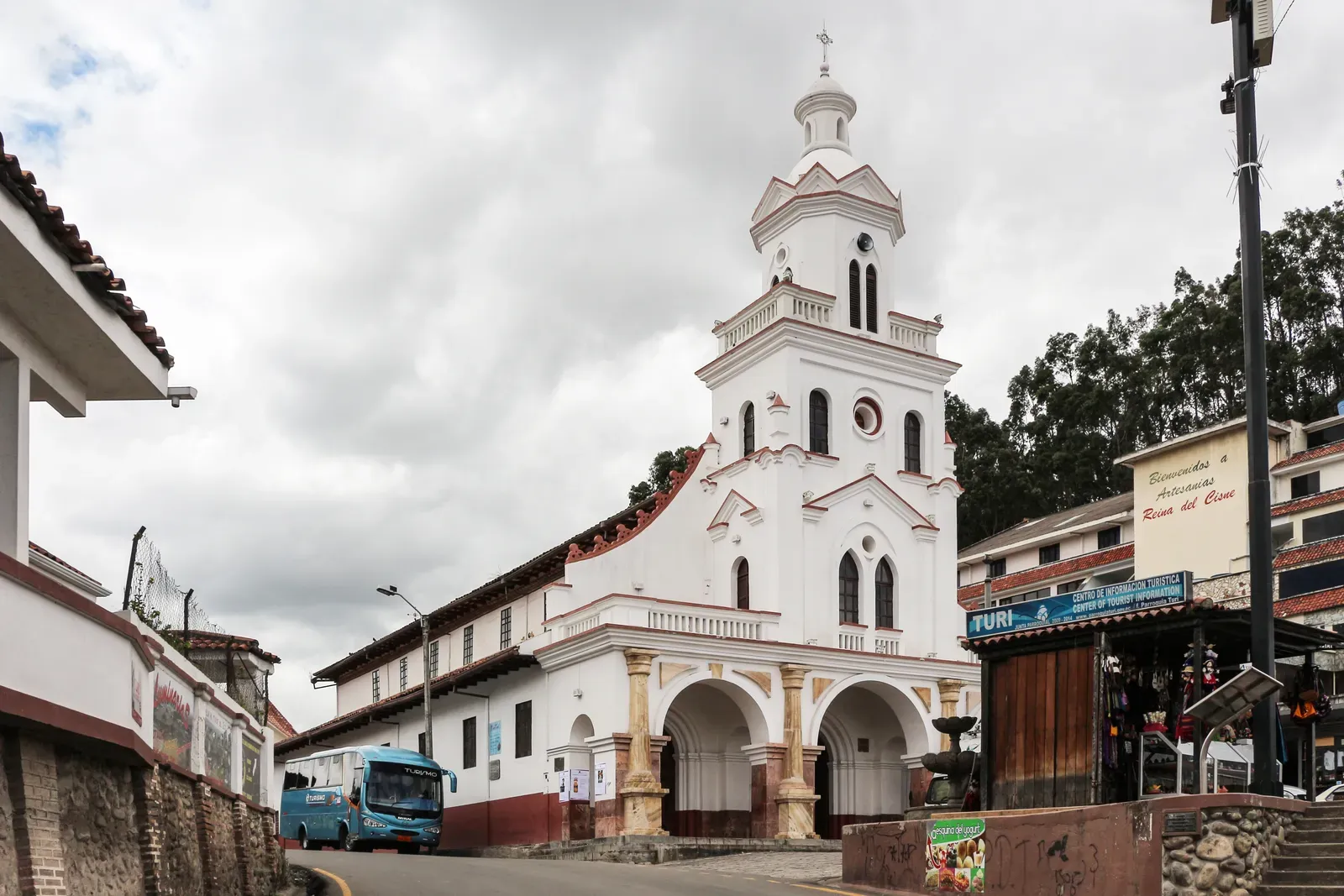
Ecuador tends to win the affordability contest outright among dollarized retirement destinations. Ecuador is consistently 30-40% cheaper than both Panama and Costa Rica, and the dollar economy removes exchange-rate anxiety entirely. Monthly budget estimates for a retired couple living comfortably in Cuenca run $1,500 to $2,500, with rent for a two-bedroom apartment in a good neighborhood at $500 to $800.
The visa income threshold is higher than some neighbors, but Social Security still qualifies. Ecuador’s Pensioner Visa requires a minimum of $1,446 per month in pension income, three times the 2026 Basic Unified Salary, plus $250 per month per dependent, and qualifying sources include Social Security, government pensions, military pensions, private pensions, and annuities. Cuenca, a UNESCO-listed colonial city, remains the anchor for most American retirees there, prized for its mild highland climate and walkable center.
5. Colombia

Colombia has shifted from an overlooked option to one of the region’s most talked-about retirement spots. Colombia has undergone a remarkable transformation over the past two decades and is now one of the most exciting retirement destinations in the region, with the cost of living the lowest of the major Latin American options. A comfortable retirement in Medellin, including a nice apartment, dining out regularly, and private health insurance, can be managed on $1,200 to $1,800 per month.
Medellín’s climate is a big part of the draw, along with its healthcare system. For retirees who want their savings to stretch furthest, Colombia and Ecuador lead, with a couple able to live comfortably from around $1,800 to $2,500 a month, and Medellín’s spring climate and modern, inexpensive healthcare a particular draw. Bogotá offers a cooler, more cosmopolitan alternative, though its altitude and rainy climate suit some retirees better than others.
6. Portugal

Portugal’s D7 visa has become one of the most talked-about retirement pathways in Europe, largely because of how low the income bar sits. The Portugal retirement visa is the D7 Passive Income Visa, a long-stay visa for non-EU nationals who can demonstrate a stable passive income such as a pension, dividends, or rental income of at least €920 per month in 2026, roughly €11,040 a year for a single applicant. That’s a fraction of what many other Western countries demand.
The tradeoff is tax treatment, since Portugal does tax foreign pension income unlike some Latin American territorial systems. Portugal taxes social security benefits and foreign income, though retirees can benefit from tax incentives if their income falls below a certain threshold. Even so, regions outside Lisbon and the Algarve remain genuinely affordable, and the visa opens the door to the entire Schengen travel area.
7. Thailand
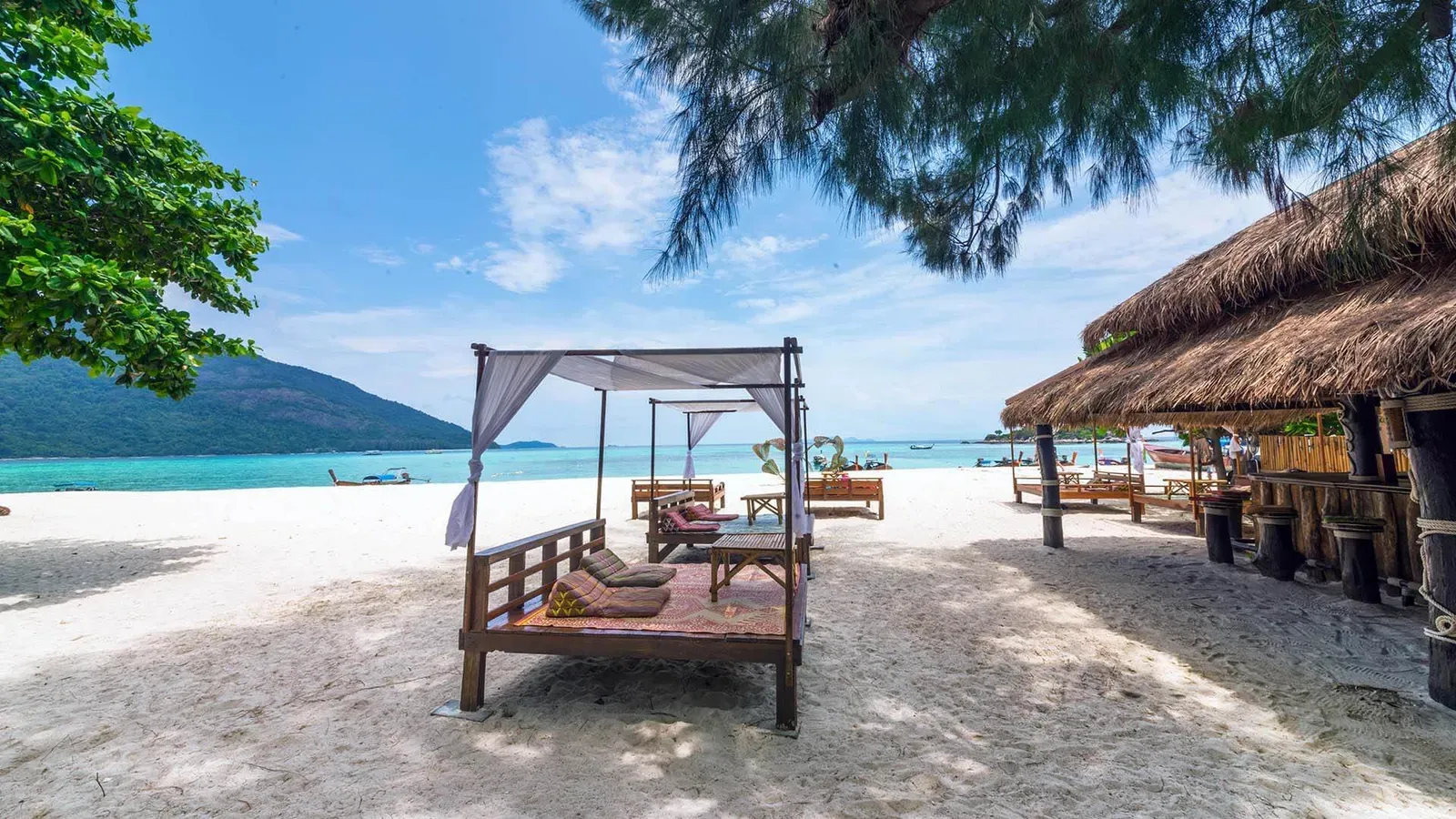
Thailand offers perhaps the widest budget range of any country on this list, which is part of its appeal to Social Security retirees. From the pathologically frugal to the conspicuously affluent, Thailand can fit nearly any budget. A single retiree living on $1,200 a month can enjoy a $300 studio in Chiang Mai, dine on Thai food for $10 a day, and still have money for a few beers at happy hour.
For couples pooling two Social Security checks, the lifestyle gets noticeably more comfortable. A couple living on two average Social Security checks, around $3,800 a month, can live luxuriously, with a beachside two-bedroom bungalow in Pattaya or Hua Hin for under $1,000 and groceries for $300 to $400. The O-A retirement visa requires applicants to be over 50 with documented income or savings, and renewal is annual rather than permanent.
8. Vietnam

Vietnam is a newer name on most American retirees’ radar, but the financial logic is compelling. The country does not currently tax foreign-sourced retirement income for non-residents, meaning Social Security payments, pensions, and investment income may not be taxed locally, though Americans must still report this income to the IRS. That untaxed status, paired with rock-bottom living costs, puts Vietnam ahead of many Southeast Asian peers for pure dollar stretch.
Daily life leans social and food-centered rather than resort-style, which suits retirees looking for something less scripted. Cities like Hoi An offer walkability, historic charm, and strong expat networks, while Da Nang provides a more modern coastal environment with excellent infrastructure. Visa rules are less standardized than in Thailand or the Philippines, so most long-stayers rely on renewable business or investor visas rather than a dedicated retirement category.
9. Malaysia
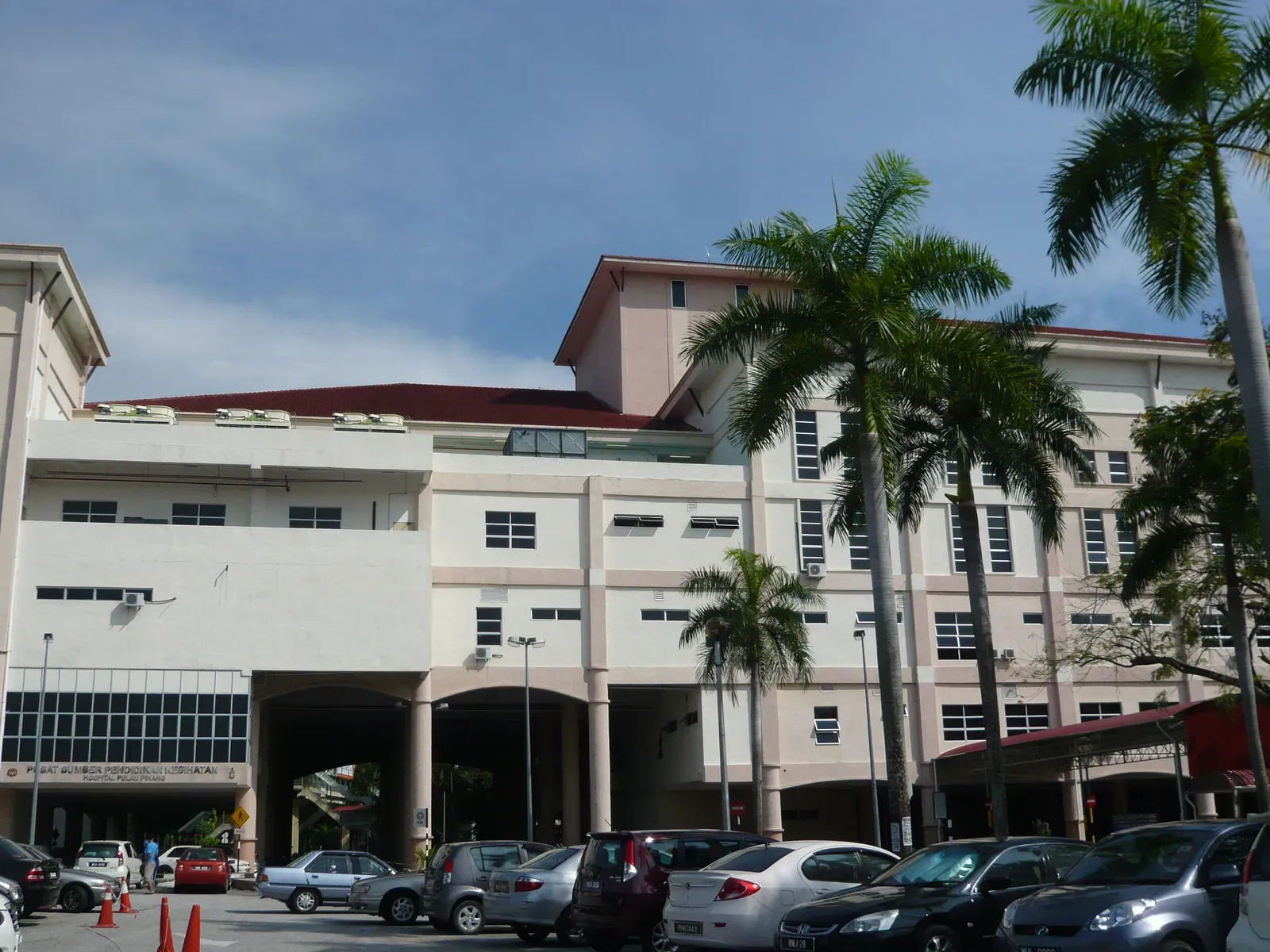
Malaysia’s Malaysia My Second Home program has been through several revisions, but it remains a serious option for retirees who can meet the deposit requirement. The program was suspended in 2020, relaunched with higher requirements in 2021, and revised again in 2024, with the current Silver tier requiring RM 150,000, roughly $33,000, in a fixed deposit plus RM 5,000 per month income. That’s a higher upfront hurdle than Panama or Costa Rica, but the payoff is a full decade of renewable residency.
Healthcare quality is a major selling point, particularly in Penang. Malaysian healthcare combines British-trained medical professionals with modern facilities at costs 70-85% below US levels, and the country’s medical tourism industry ensures high standards while maintaining affordability. English is widely used in business and medicine, which smooths the adjustment considerably for retirees who never picked up another language.
10. Greece

Greece has climbed global retirement rankings recently, and the affordability outside the tourist hubs explains part of why. Outside of tourist hotspots like Athens, Santorini, and Thessaloniki, living costs in Greece are very affordable, and retirees can live comfortably on €1,500 per month, including rent, utilities, groceries, and entertainment. That’s a manageable target for a single Social Security check, and considerably easier for a couple combining two.
Healthcare access adds to the appeal, since legal residents can tap into the national system for a modest monthly cost. Retirees can access Greece’s national healthcare by enrolling in the Social Security Fund, which costs about €55 per month. Coastal towns and less touristy islands like Corfu offer rents well below what similar properties command in Italy or Spain, making Greece one of the better value plays in southern Europe.
11. Philippines
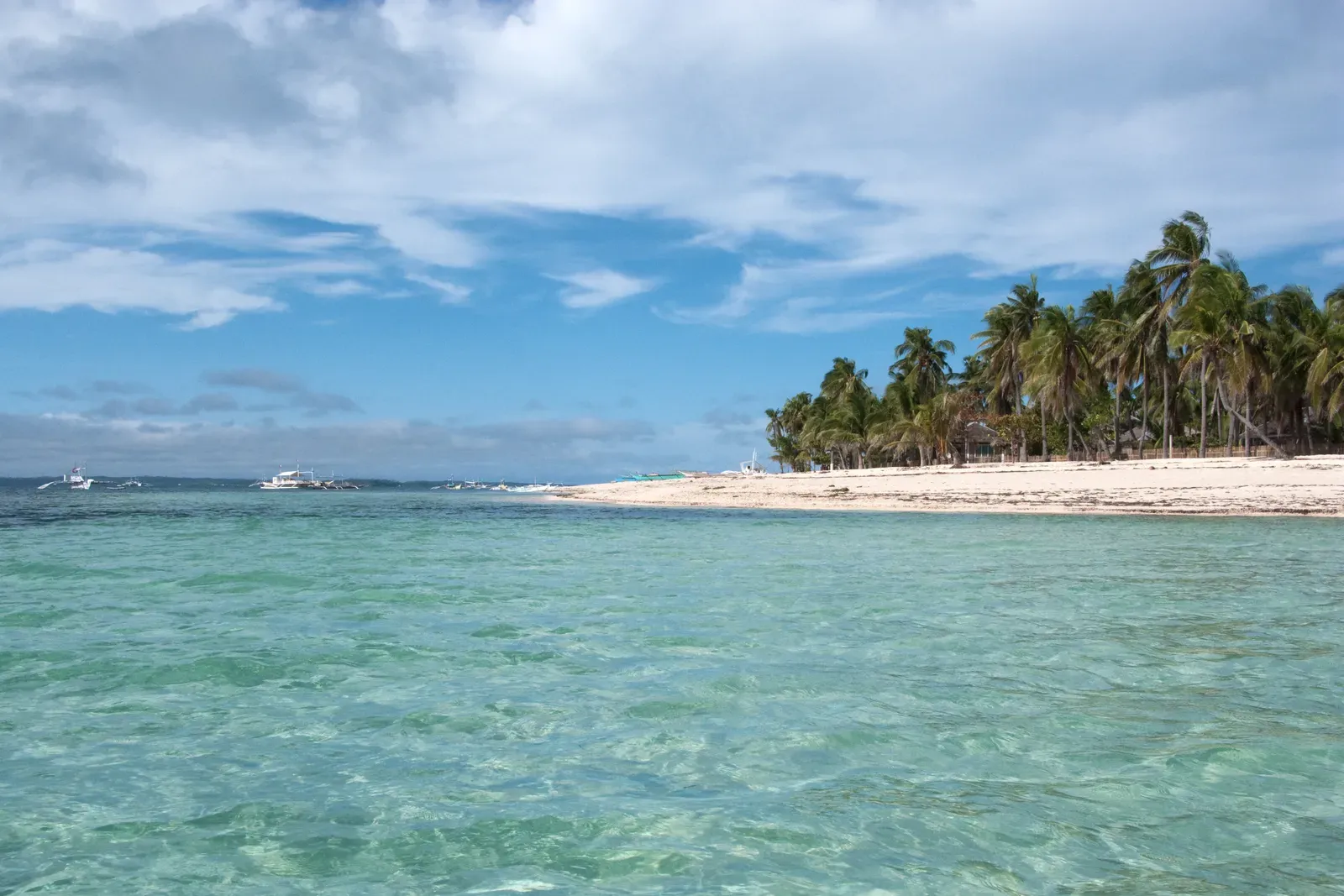
The Philippines’ SRRV program has recently been overhauled, and the changes mostly work in retirees’ favor. Deposit requirements range from $15,000 for those 50 and older with a pension to $50,000 for those 40 to 49 without one, with a $1,500 application fee and $360 annual fee. For most Social Security recipients over 50, that $15,000 tier is the relevant one.
Beyond the deposit, there’s a modest income floor tied to the pension route. Applicants with a pension need $800 a month minimum for a single applicant or $1,000 a month for a couple, alongside the $15,000 deposit. That deposit isn’t a fee, either; it stays in a Philippine bank account under the retiree’s name and is refundable if the visa is ever cancelled, which makes the program more of a savings placement than a sunk cost.
Each of these eleven countries solves the same basic problem in a different way: lower rent, lower healthcare costs, favorable exchange rates, or some combination of the three. None of them require giving up Social Security income to qualify, since for every popular retirement destination, Portugal, Panama, Costa Rica, Thailand, Mexico, Spain, Ecuador, Colombia, Malaysia, Social Security payments continue without interruption. The right fit ultimately depends less on the cheapest number on a spreadsheet and more on climate preference, healthcare priorities, and how far a retiree is willing to travel from familiar ground.



Leave a Reply