
The myth of the big spender who tips big

Walk into any fine dining restaurant and you’ll see the assumption in action: a table orders the most expensive bottle on the list, and the staff quietly bets on a fat tip. Sometimes that bet pays off. Often it doesn’t, because spending big and tipping big are not the same instinct.
Research backs up what servers feel in their bones. Considering tips to be a normal good, one can anticipate that when consumers are wealthier, they tip more, and existing tipping literature lends some support to this theory, with a positive correlation between consumer income and their reported likelihood of tipping in occupations that are routinely tipped. The keyword there is “likelihood,” not “size.” Plenty of wealthy diners will tip reliably, just not generously.
Percentage math changes when the bill gets bigger
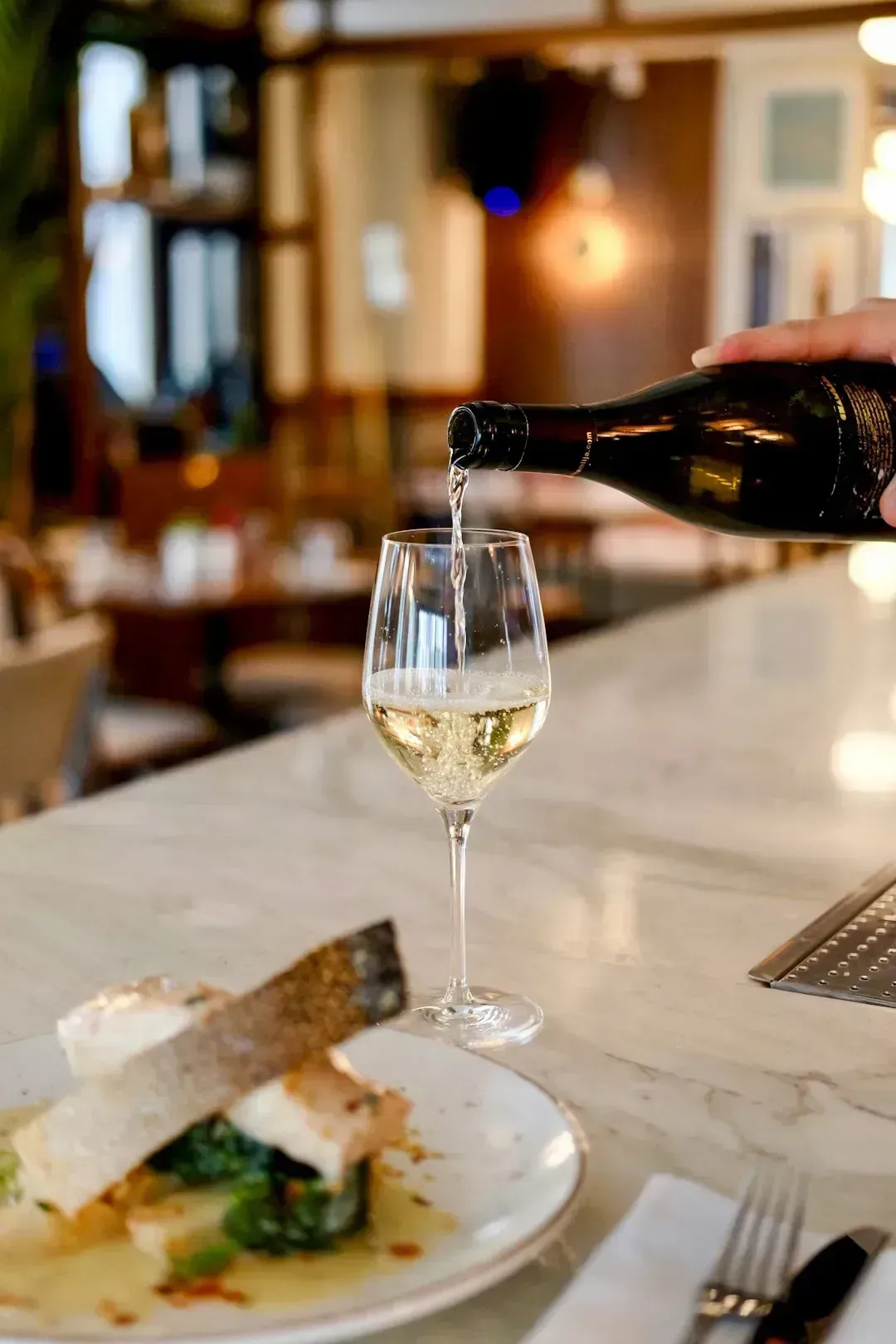
Here’s something that becomes obvious after enough dinner shifts on a high-end floor: the percentage a table leaves tends to shrink as the total climbs. A two-hundred-dollar bottle of wine doesn’t require twice the effort of a forty-dollar one, yet plenty of guests calculate their tip as if the extra zeros represent extra work for the server.
This isn’t universal, and plenty of high spenders round up generously out of habit or pride. Still, the pattern of diminishing percentage on bigger checks is one of the more consistent things veteran servers notice, and it tracks with academic findings that tipping is driven more by social norms and self-image than by strict arithmetic tied to service quality.
Regulars reveal more than one-time visitors

The single best predictor of a good tip isn’t a person’s income bracket, it’s whether they’ve been in that seat before. Regulars, wealthy or not, tend to understand the unspoken contract of a restaurant relationship. They know the host by name, they know the wine list without opening it, and they tip like someone who plans on coming back.
One-time luxury diners, by contrast, are a coin flip. Some treat the meal as a special occasion and tip accordingly. Others seem to view the high price of the meal itself as the “tip,” mentally rounding their generosity down to zero once the bill already feels steep.
Old money and new money tip differently
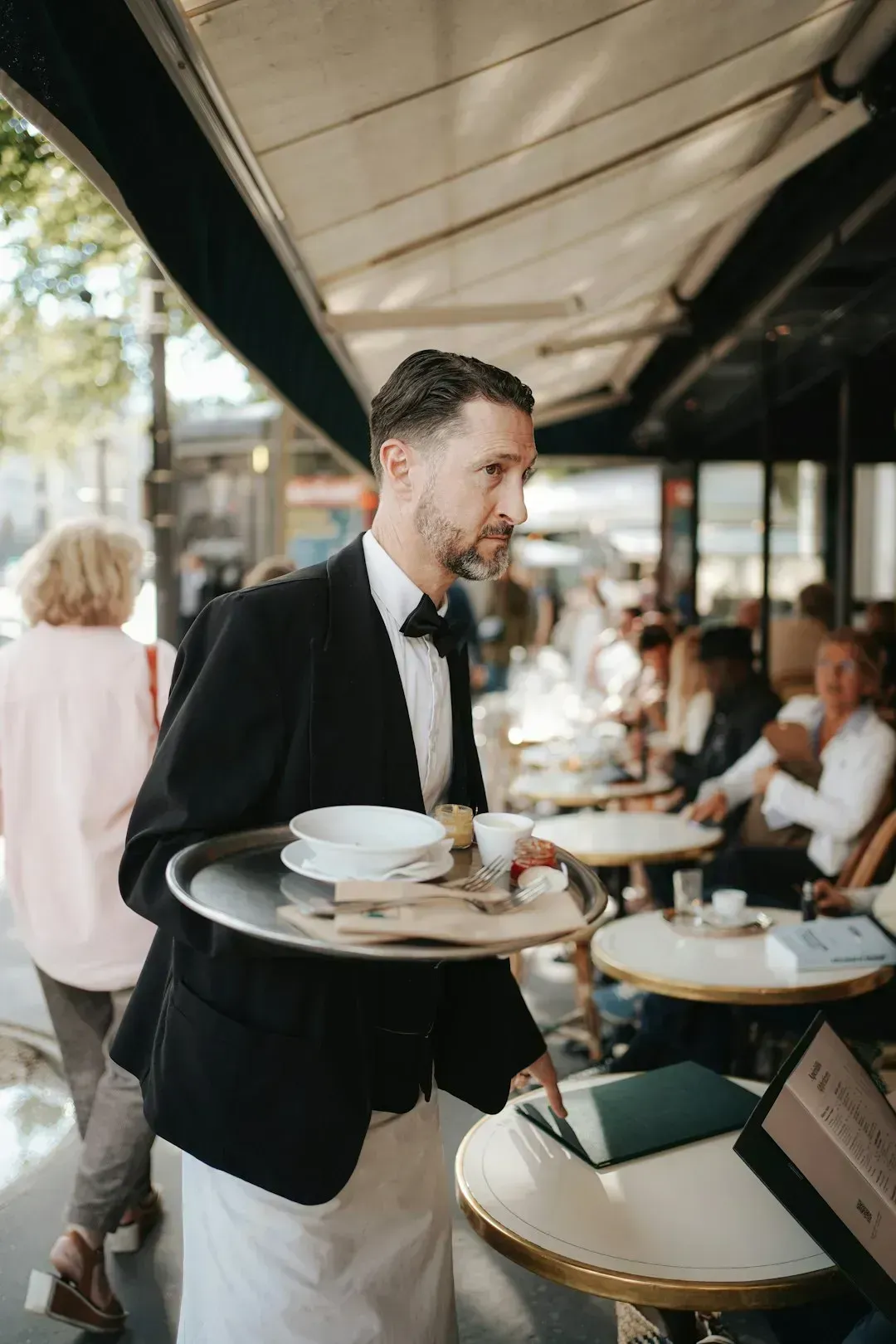
Anyone who’s worked a country club dining room or a hotel restaurant near an old-money neighborhood will tell you there’s a noticeable difference between inherited wealth and recently earned wealth. Old money tends to tip modestly but consistently, treating gratuity as a quiet, almost invisible transaction they don’t need to advertise.
Newer wealth, especially from people who built their fortune quickly, sometimes tips in a more performative way, either extremely generously to signal status or surprisingly stingy because the habit of frugality that built the fortune hasn’t fully faded. Neither pattern is universal, but the contrast between the two styles is one of the more consistent observations passed between servers over the years.
The people who worked service jobs tip the best
If there’s one rule that holds up across income levels, it’s this one. If someone was born into a wealthy family and never held a service job in their life, they might not fully grasp how important a tip is to those working for them, so their capacity to tip generously might not be that high, whereas a wealthy person who has worked in the service industry will probably tip higher because they know what it’s like to work for tips.
This shows up constantly on the floor. A guest who mentions, almost in passing, that they bartended through college or waited tables during a gap year is a near-guarantee for a strong tip. Empathy built from lived experience outperforms income every time.
Groups behave differently than individuals

Large parties of wealthy diners create their own strange math. When nobody is individually responsible for the check, generosity tends to drop, even though the group’s collective spending power is enormous. Customers responsible for paying the bill who did not split the bill were more likely to tip, which largely concurs with the impression management hypothesis, though a negative correlation between party size and tip amount casts some doubt on that explanation.
In practice, this means a table of ten well-off guests splitting a check evenly can sometimes tip worse per person than a single wealthy diner eating alone. Responsibility, it turns out, matters more than net worth when it comes to gratuity.
Cash tables and card tables aren’t quite the same

There’s a lingering belief that cash tippers are more generous because the money feels more real leaving their hand. The research is mixed but leans toward confirming at least part of that instinct. Males provided larger tip amounts than females and customers paying with cash were more likely to tip than those paying electronically.
On the floor, this plays out subtly. A wealthy guest paying cash sometimes rounds up out of simple convenience, not wanting to deal with change, and that habit occasionally produces a better outcome for the server than a calculated card tip typed carefully into a screen.
Alcohol orders shift expectations, fairly or not

Servers have long operated under the belief that tables ordering wine or cocktails will tip better, and that belief shapes how sections get worked on a busy night. Servers expect their tip income to be higher when they serve tables that order beverages containing alcohol, with the vast majority of respondents in one survey expecting tables ordering alcohol to be better tippers.
Wealthy tables that order an expensive bottle sometimes live up to that expectation, especially when the wine becomes part of the evening’s enjoyment rather than a status prop. Yet the correlation isn’t as strong as server folklore suggests, and plenty of teetotaling tables have quietly outtipped the big spenders next to them.
Generational differences cut across income lines

Wealth doesn’t erase generational tipping habits, it just gives them a bigger stage. Younger affluent diners have shown noticeably different tipping instincts than older ones. According to a YouGov poll, 63% of millennials always tip servers at full-service restaurants, compared with 89% of baby boomers and 81% of Gen Xers.
This gap shows up regardless of the size of the bill. A wealthy baby boomer at a steakhouse is statistically far more likely to tip reliably than a wealthy millennial at the same table, even when both can easily afford to be generous.
Scarcity mindset versus abundance mindset
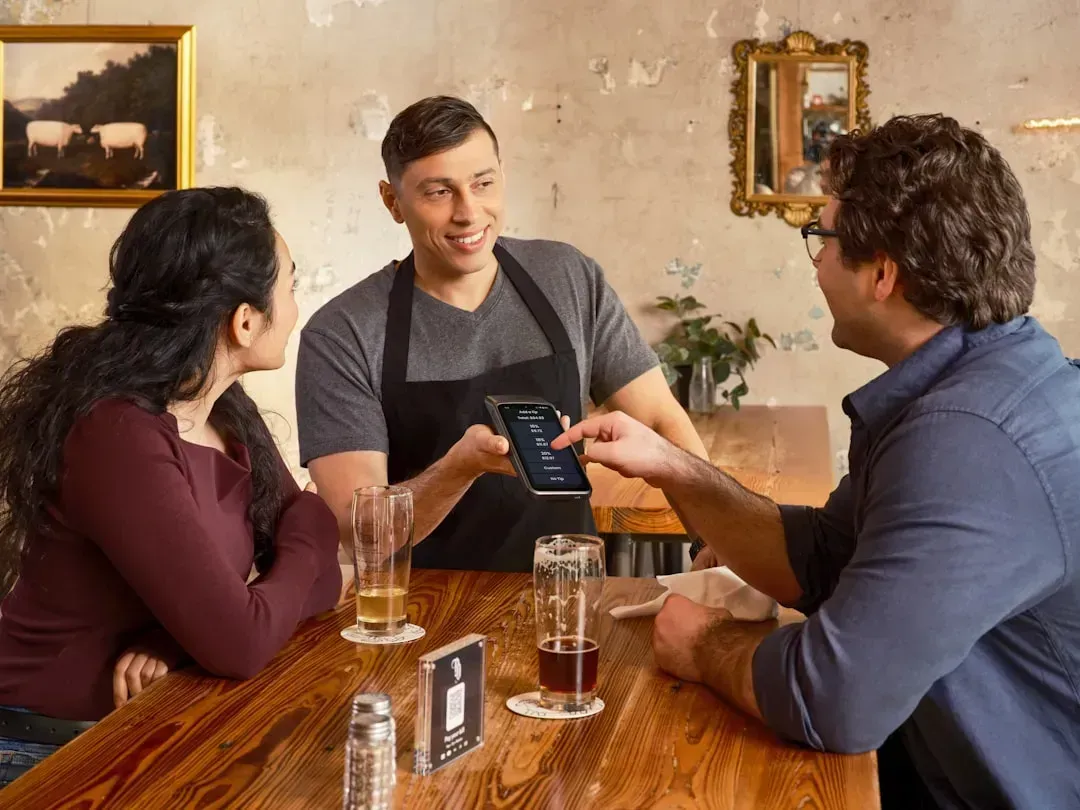
One of the more useful explanations for why wealth doesn’t guarantee generosity comes down to psychology rather than bank balance. It really comes down to whether a person has a scarcity mindset versus an abundant mindset, and if someone is not stressed about money, they will not feel financial stress in leaving a tip.
That distinction explains a lot of what shows up on the floor. Two guests with nearly identical net worth can behave completely differently at the table, because one has internalized abundance and the other still operates from an old, ingrained fear of running short, even with plenty of money in the bank.
Final thoughts
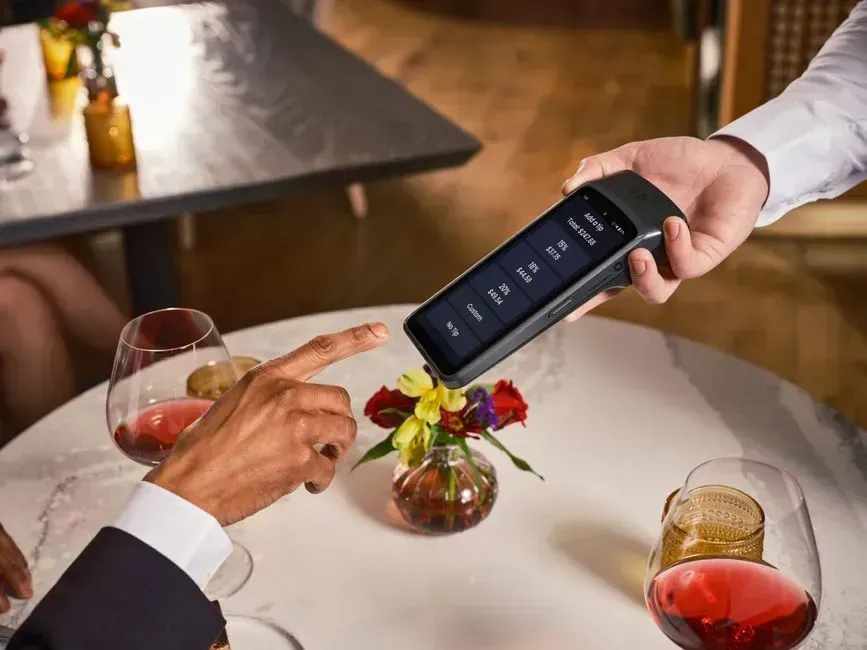
Two decades of carrying plates teaches you that money reveals character more than it dictates behavior. The wealthiest tables aren’t automatically the most generous ones, and the biggest lessons come from watching how people treat someone whose income depends entirely on their goodwill.
What stays with you isn’t the size of any single tip, good or bad. It’s the pattern underneath it all, the quiet reminder that generosity is a habit of mind, not a function of a bank account.




Leave a Reply