
1. Booking flights that leave no buffer for delays

Ships don’t always dock on time. Weather, port congestion, or a slow customs process can push disembarkation back by an hour or more, and airlines rarely care about your cruise itinerary. Veteran cruisers who once booked a noon flight after a morning arrival learned that lesson while sprinting through an airport, or worse, rebooking a missed flight at full price.
Now most seasoned travelers build in a same-day buffer of at least four to five hours, or they simply book their flight for the following day. Cruise lines themselves often recommend this cushion precisely because delays aren’t rare exceptions, they’re a normal part of maritime travel. The cost of one extra hotel night is almost always cheaper than a same-day rebooking fee.
2. Skipping travel insurance that covers missed connections
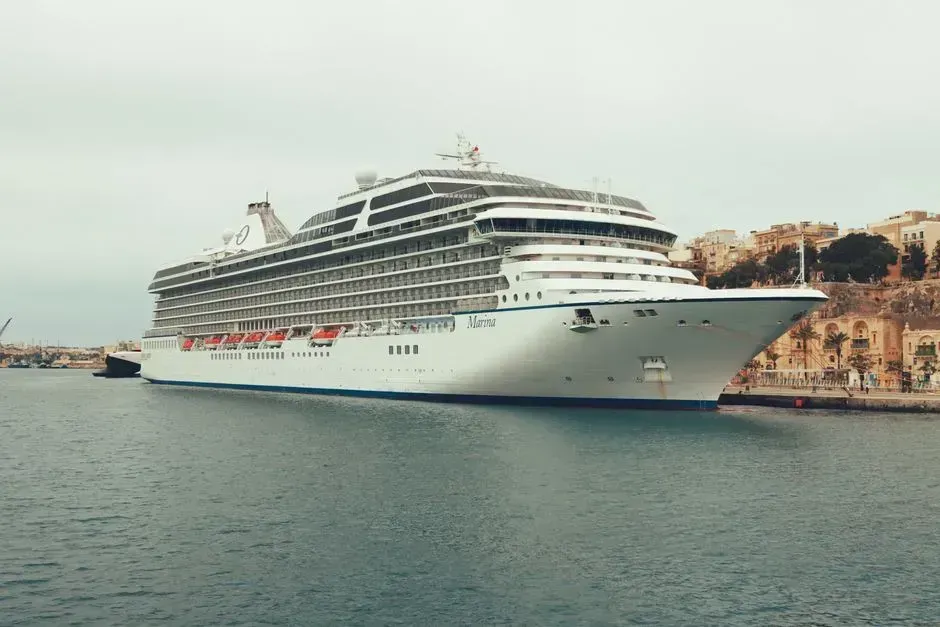
It’s easy to assume a cruise line’s own protection plan covers everything, but many basic policies stop short of reimbursing a missed flight caused by a late ship arrival. Cruisers who found this out after paying out of pocket for a new plane ticket now treat standalone travel insurance as non-negotiable. The right policy specifically covers trip delay and missed connection, not just trip cancellation before departure.
The difference matters because port delays are common enough that insurers price for them, and a policy without that clause leaves a real gap. Reading the fine print once, after an expensive mistake, tends to make people permanent policy-checkers. It’s a small upfront cost that prevents a much larger one later.
3. Waiting to pack until the night before
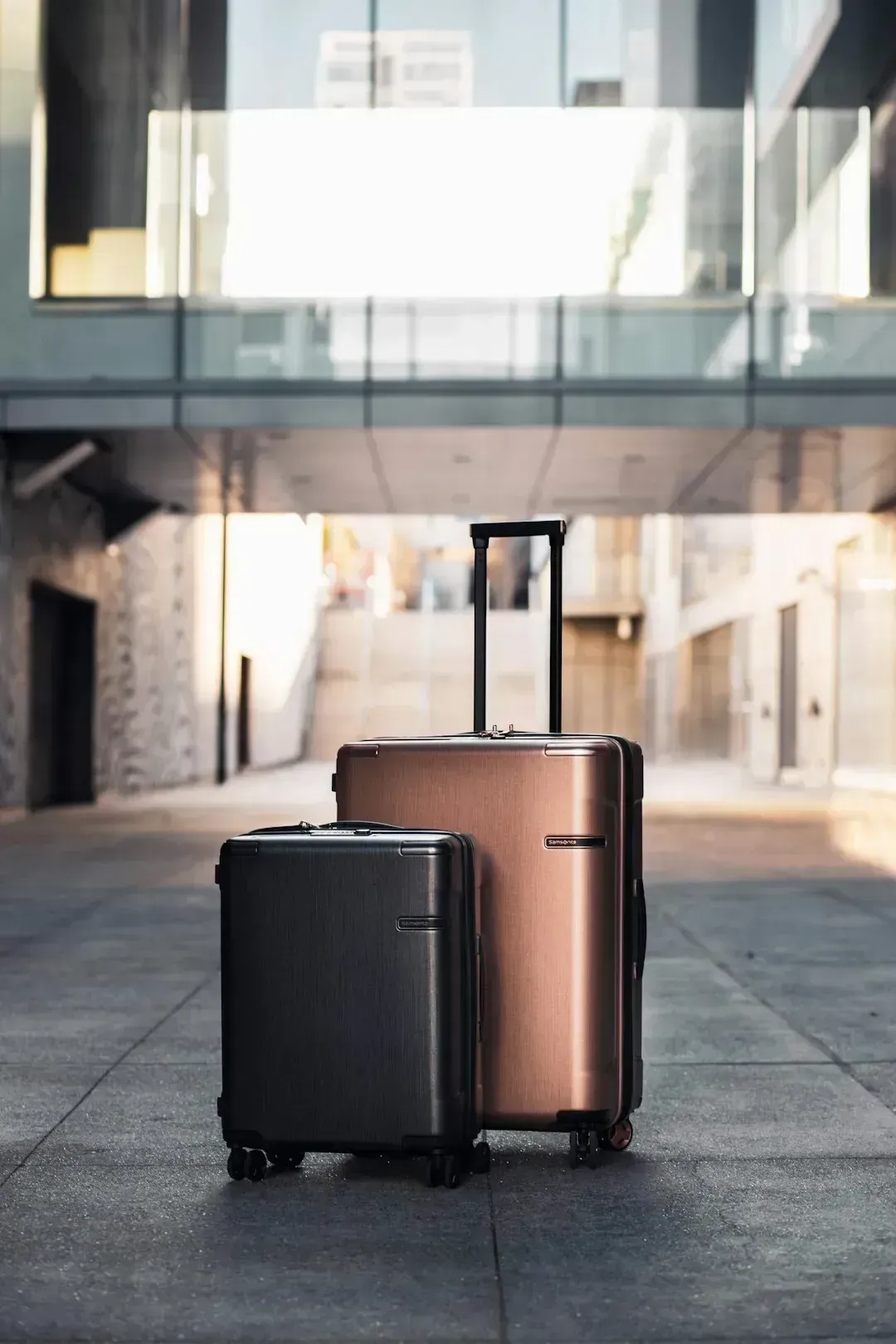
Cruise ships typically ask passengers to leave luggage outside their cabin door the night before arrival, often by a set deadline like ten or eleven at night. Cruisers who procrastinate on packing sometimes miss that window entirely, forcing them to carry everything off themselves through crowded gangways and long lines. It’s not just inconvenient, it also means competing with hundreds of other self-carry passengers for the earliest exit times.
Experienced travelers now pack a day early and set aside a small carry-on with essentials, chargers, medication, a change of clothes, in case checked bags disappear into a slow baggage claim process. This habit also protects against the scenario where luggage gets misrouted to the wrong deck or delayed at customs. A little organization the night before saves a chaotic scramble the morning of.
4. Ignoring the assigned disembarkation time slot
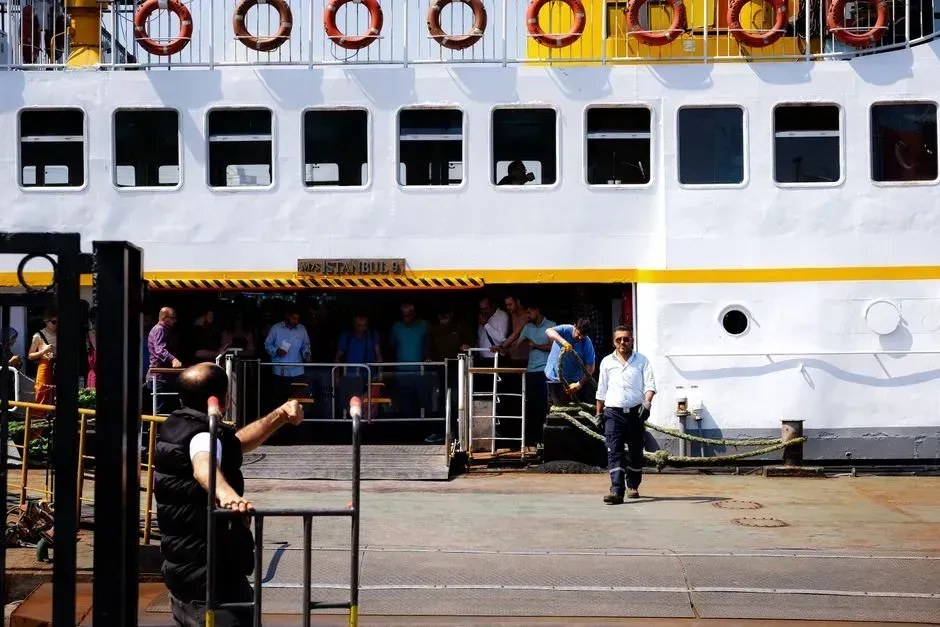
Most cruise lines assign passengers a specific time and luggage tag color for leaving the ship, staggering thousands of guests so the terminal doesn’t turn into gridlock. Cruisers who ignore this system and try to leave early often get stopped and sent back to a lounge to wait anyway, losing more time than if they’d just followed the schedule. Others who leave too late find that shared transportation, shuttles, or taxi lines have thinned out, leaving pricier options as the only choice.
Veteran travelers pay close attention to their assigned group and position themselves nearby a little before their turn, not much earlier. Some cruise lines also offer priority disembarkation for suite guests or loyalty tier members, which is worth checking rather than assuming. Skipping the line-jumping instinct actually gets you off the ship faster in most cases.
5. Underestimating the cost of last-minute airport transfers

Rideshare and taxi prices at cruise ports can spike sharply during peak disembarkation hours, when demand from thousands of passengers overwhelms local supply. Cruisers who assumed they’d just grab a cab dockside have paid two or three times the normal fare, especially at busy ports like Miami or Port Canaveral during high season. Surge pricing on rideshare apps can turn a normally reasonable fare into a genuinely expensive one within minutes.
Pre-booking a transfer, whether through the cruise line, a hotel shuttle, or a private car service, locks in a price days or weeks in advance. It also removes the stress of negotiating transportation while juggling luggage in an unfamiliar port city. This is one of the simplest habits to adopt and one of the most consistently money-saving.
6. Forgetting to settle the onboard account before leaving

Most cruise lines automatically charge any final onboard balance to the credit card on file, but discrepancies do happen, especially with disputed charges, gratuity adjustments, or currency conversion issues. Cruisers who leave the ship without checking their final statement sometimes discover unexpected charges days later, once they’re already home and dealing with customer service by phone or email. Resolving a billing error after disembarkation takes far longer than catching it in person at the guest services desk.
Veteran cruisers now make a habit of reviewing their itemized folio on the stateroom television or app the night before departure, while they still have easy access to onboard staff. Catching an error in person, before leaving the ship, is almost always faster and less stressful than a follow-up dispute. It’s a five-minute check that prevents a much longer headache later.
These habits share a common thread: they’re less about the cruise itself and more about the transition out of it, the part most people don’t plan for carefully. Small preparations on disembarkation morning tend to save both money and stress, often more than people expect until they’ve made the mistake once themselves.


Leave a Reply