
1. They keep the “do not disturb” sign used sparingly and specifically
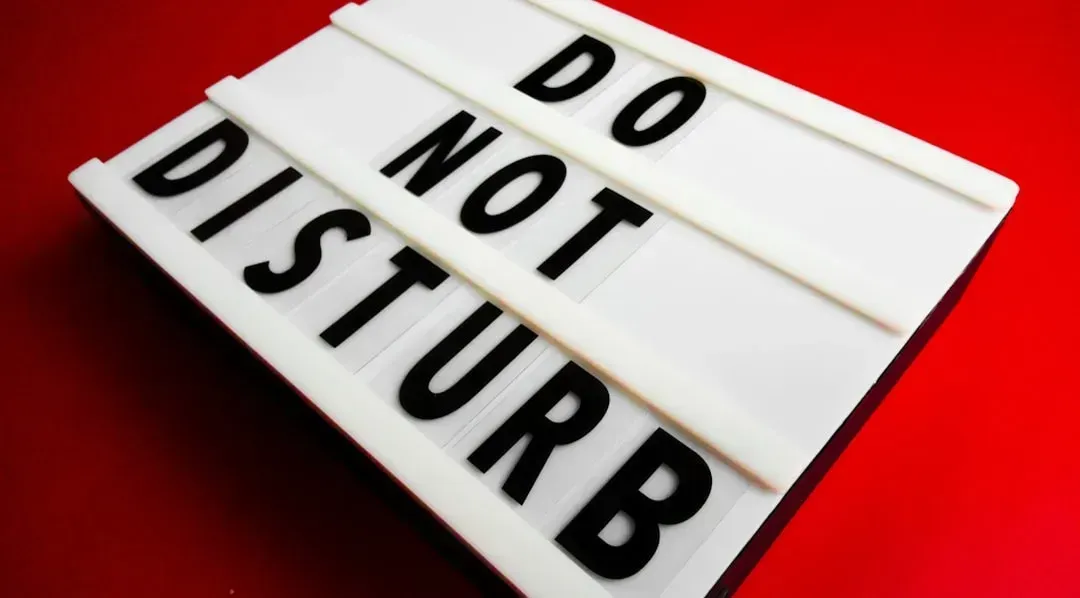
Seasoned travelers understand that the door sign is a tool, not a default setting. They use it only when they genuinely need privacy or extra sleep, and they remove it the moment they are ready for service. This small courtesy lets housekeeping plan their rounds efficiently instead of guessing which rooms are truly occupied.
Newer guests, by contrast, often leave the sign up for entire multi-day stays out of habit or forgetfulness, which can lead to rooms going uncleaned or towels running out. Housekeepers notice quickly when a guest communicates through the sign rather than ignoring it, since that single behavior often predicts how organized the rest of the stay will be.
2. They separate trash from items left for reuse
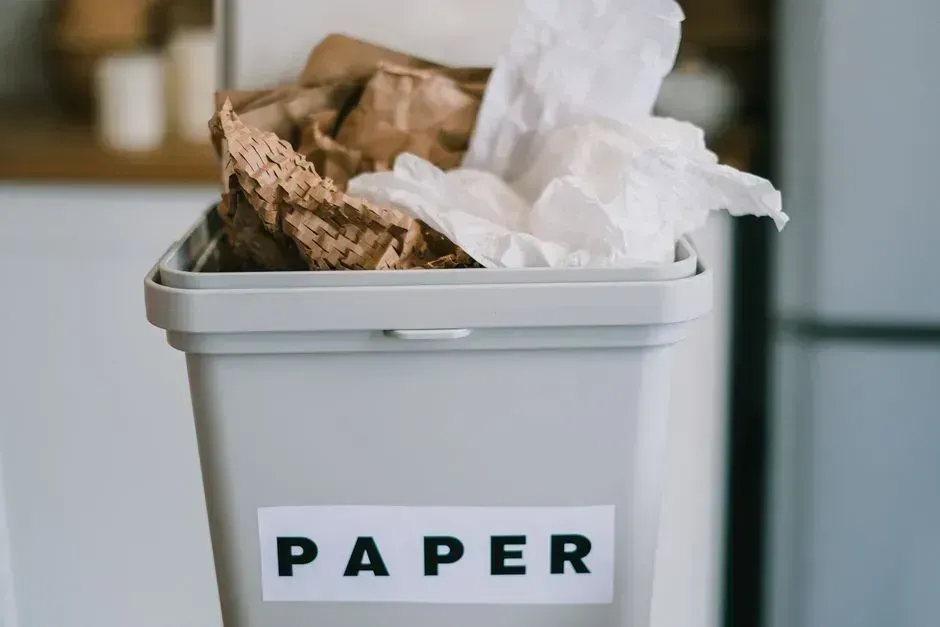
Experienced guests tend to place actual garbage in the wastebasket while leaving reusable items like unopened toiletries or barely touched towels in a clearly separate spot, often on the counter or folded on a shelf. This distinction saves housekeeping time and reduces the chance of usable items being thrown away by mistake.
People who travel less frequently often leave everything mixed together, which forces staff to sort through wrappers and food containers to find anything salvageable. Housekeepers say this habit is one of the fastest tells, since it reflects a guest’s understanding of how hotel operations actually work behind the scenes.
3. They avoid overloading room service trays and used dishes
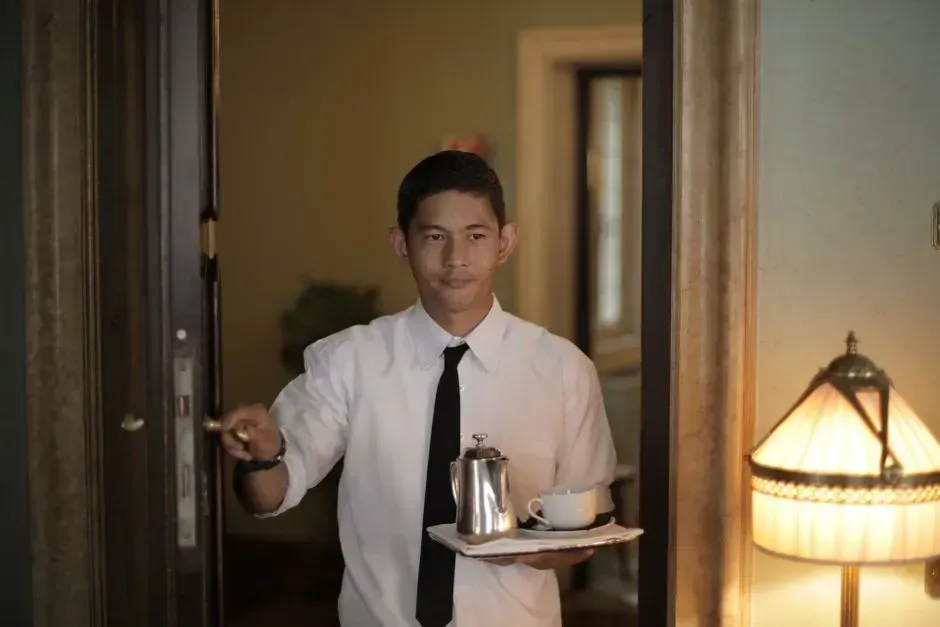
Frequent hotel guests typically stack plates, cover trays, and place used dishes near the door rather than scattering them across the room. This habit comes from understanding that housekeeping and room service move faster when items are consolidated and easy to retrieve.
Guests newer to hotel stays sometimes leave dishes on the bed, the floor, or tucked into corners, unaware that this creates extra work and potential hygiene issues. A neatly organized tray by the door is a small but telling signal of someone who has done this dozens of times before.
4. They know how to signal when they need fresh linens
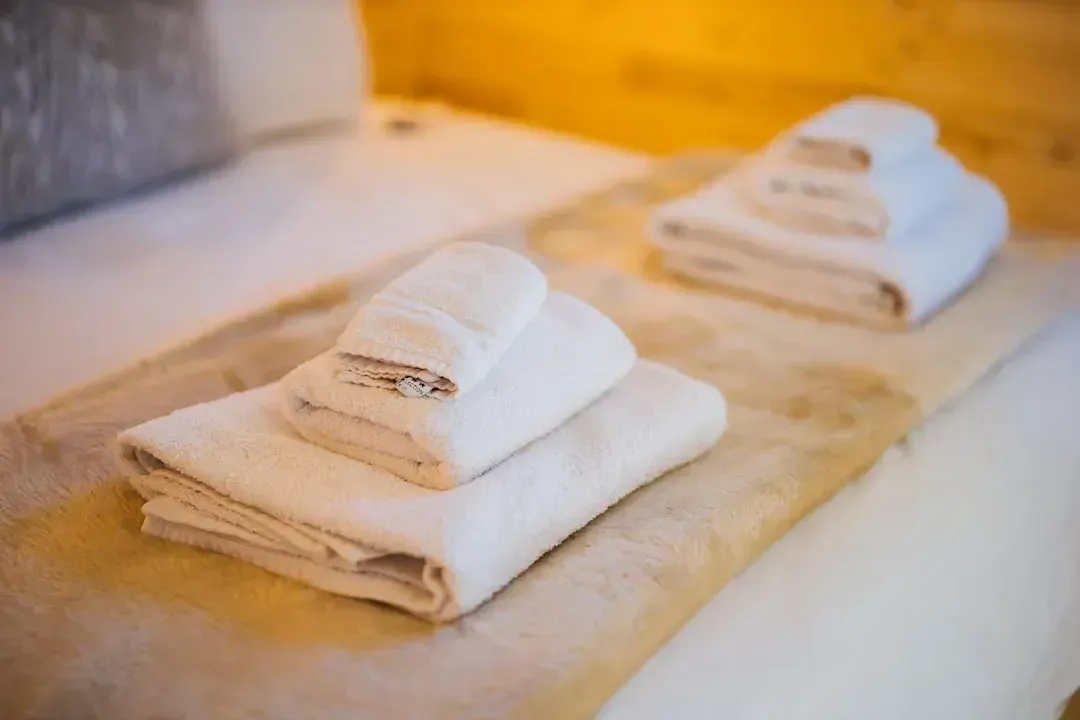
Experienced travelers often use simple, unspoken cues, like leaving towels in the tub or folding them in a specific way, to indicate they need replacements without over-requesting service. This reduces waste and aligns with how many hotels now operate under sustainability programs that limit daily linen changes unless requested.
Newer guests may either demand fresh towels daily without realizing many properties have shifted to opt-in linen service, or they may not signal needs clearly at all. Housekeepers say guests who understand and follow these newer sustainability-driven systems, which have expanded significantly across major hotel chains in the past few years, are almost always frequent travelers.
5. They keep valuables and clutter contained, not spread across every surface
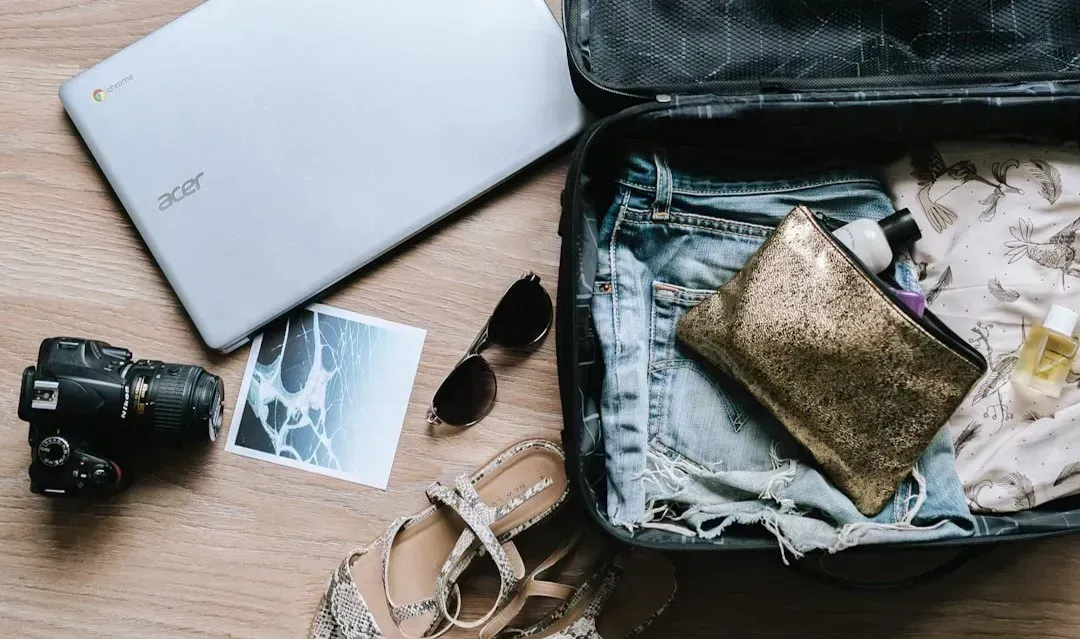
People who travel often for work or pleasure tend to designate one area, usually a suitcase or a single shelf, for their belongings rather than letting items spread across the room. This habit isn’t about neatness for its own sake; it comes from years of packing and unpacking quickly and wanting to locate things fast.
First-time or infrequent guests often unpack everything at once, filling every drawer, counter, and chair with belongings. Housekeepers notice this pattern almost immediately, since a contained space is far easier and faster to clean without disturbing personal items.
6. They tip housekeeping consistently, even without being asked
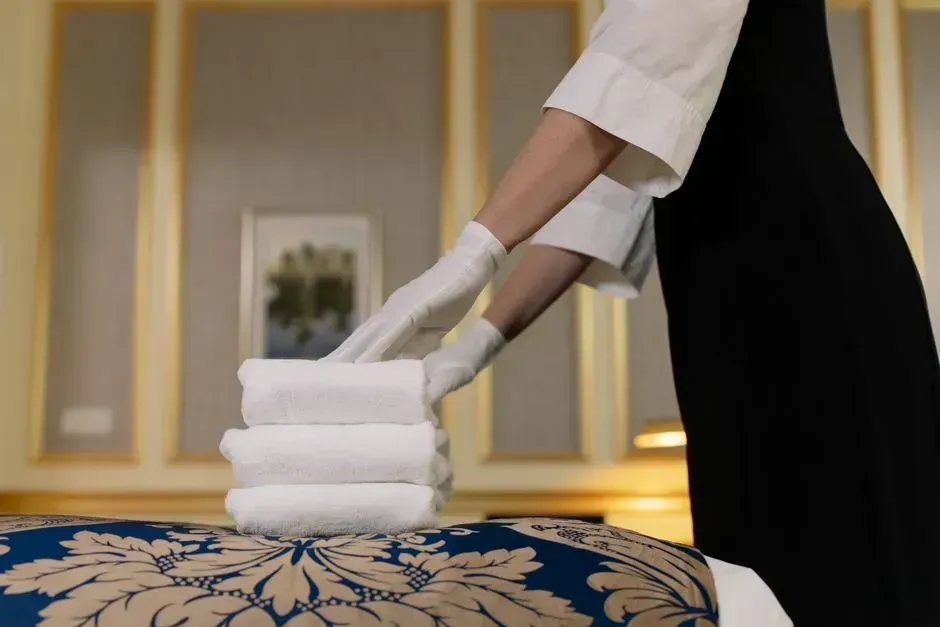
Frequent travelers are far more likely to leave a small tip for housekeeping daily rather than waiting until checkout or skipping it entirely. Industry surveys on hospitality etiquette consistently show that guests who understand behind-the-scenes hotel labor tend to tip more reliably, viewing it as a normal part of the stay rather than an optional extra.
Guests with less hotel experience often don’t realize that housekeeping in the United States and many other countries typically isn’t included in nightly rates the way some assume. Leaving even a modest amount each day, rather than a lump sum at the end, is a habit housekeepers say marks someone who has stayed in enough hotels to know the norms.
7. They treat the room like a temporary space, not a permanent one
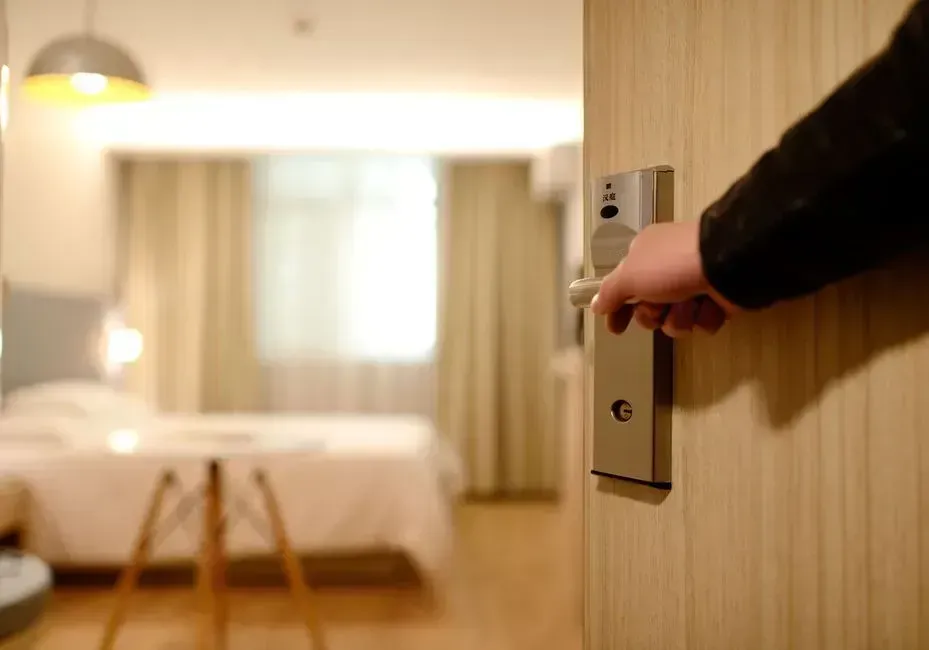
Perhaps the clearest sign of experience is a guest’s general mindset: seasoned travelers move through a room with light footprints, avoiding actions like rearranging furniture, forcing extra items into already-organized drawers, or leaving personal products permanently displayed. They understand the room needs to reset quickly for both their own convenience and the next guest.
Less experienced guests sometimes treat a hotel room more like a home away from home, spreading out fully and settling in as though the space belongs to them for the duration. Housekeepers say this difference in mindset, more than any single action, is what ultimately separates a guest who travels occasionally from one who has done it more times than they can count.
These habits rarely come from formal training or hotel guidelines. They develop naturally after enough nights spent in enough different rooms, until small courtesies become second nature rather than conscious effort.


Leave a Reply