
1. An extra snack or two from the cart
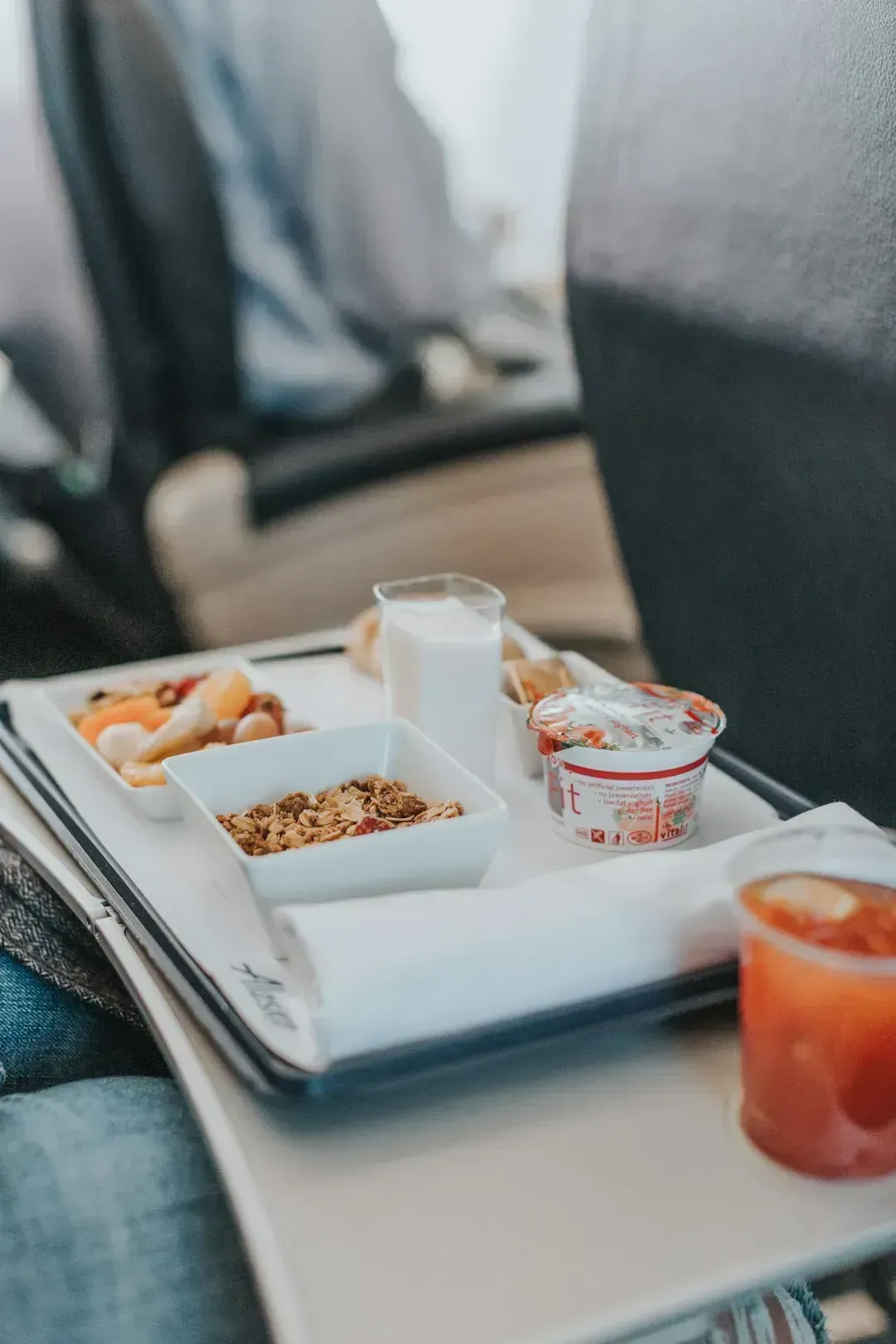
Airlines typically load more snacks than there are passengers on board, since not everyone takes one when the cart comes by. When the food and beverage cart comes around, asking to snag an extra packet or two often works, since not every passenger wants a snack and there should be a few leftover treats that would otherwise simply roll over to the next flight.
Timing and manners matter more than people think here. Passengers can quietly ask if there’s an extra packet or two during beverage service, since there are almost always a few leftovers, and crews say the ones who ask politely rather than digging through the seatback pocket are the ones who get the extra bag. It’s a small ask, but it’s one flight attendants say they rarely have a reason to refuse.
2. A full can instead of a half-poured cup

Economy service usually means a plastic cup filled partway with soda, poured quickly so the cart can keep moving down the aisle. Most economy passengers accept a half-filled plastic cup and never question it, but the galley hides a full stash of cans behind the cart, and crews aren’t hiding them out of stinginess since pouring is just faster during a rushed service.
Simply asking for the can itself, rather than the cup, tends to work more often than travelers expect. Asking for the whole can means most flight attendants will hand it over without hesitation, and it’s one of the easiest wins on record, working on almost every U.S. carrier. It costs the airline nothing extra and saves the crew a step, which is probably why it’s such an easy yes.
3. Bottled water instead of galley coffee or tea
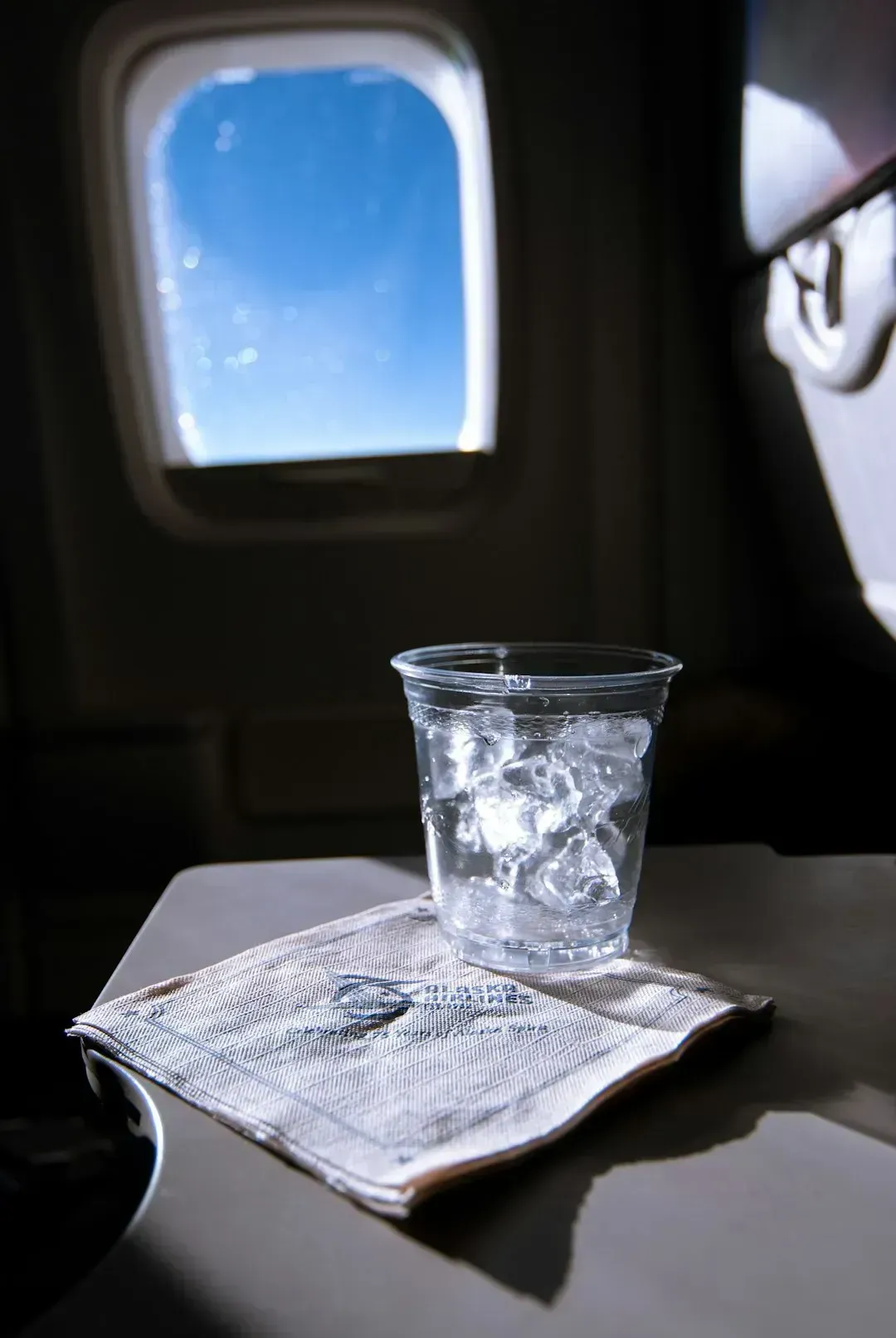
There’s a persistent, and fairly reasonable, concern about the water used for hot drinks on planes, since it comes from onboard tanks rather than sealed containers. Bottled water, canned soda, and juice all come from sealed containers, not tanks, unlike the water used for coffee and tea.
Flight attendants generally don’t mind this swap at all, and some even suggest it themselves. This isn’t a secret flight attendants guard closely, since many will actually recommend it themselves if asked directly. It’s a small switch that a lot of frequent flyers wish they’d learned years earlier.
4. A blanket or an extra pillow
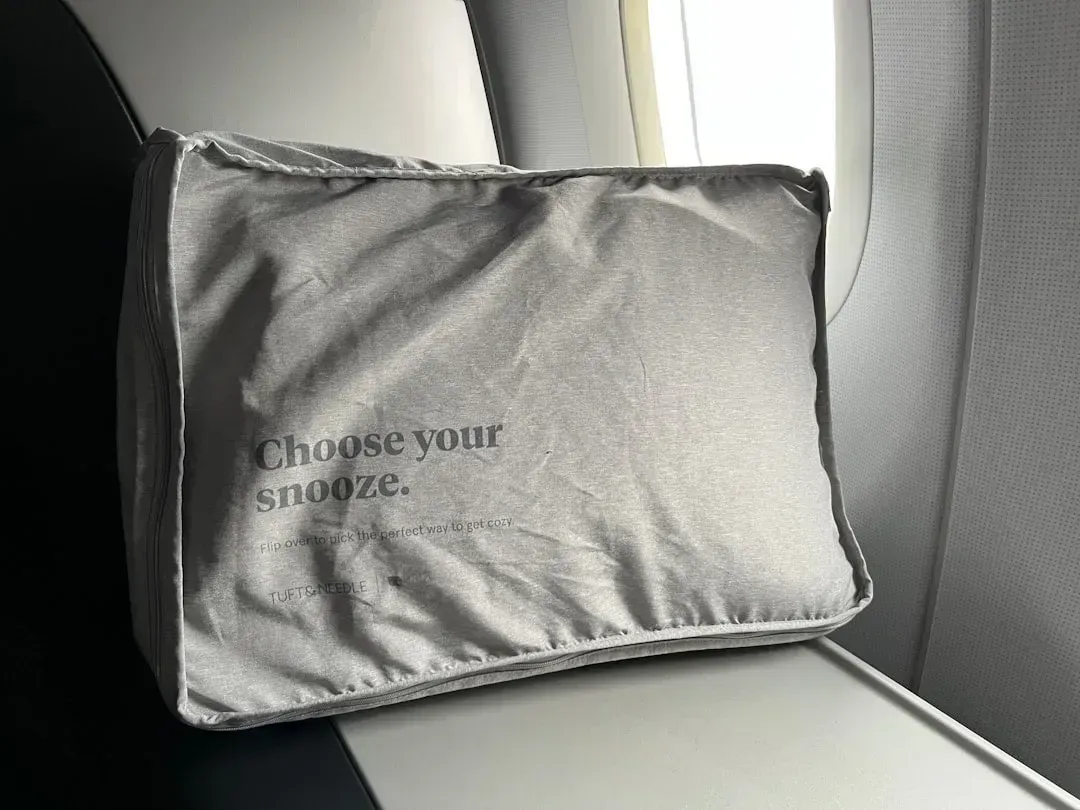
Comfort items like blankets and pillows fall into a category flight attendants describe as low-stakes and easy to grant, provided supply allows. Calling for a blanket, extra drink, or second snack falls into the “reasonable but not urgent” category, and these comforts are fine to ask for as long as the passenger is respectful and understands if the crew can’t fulfill the request.
The catch is availability, not willingness. Blankets and pillows often run out on longer or fuller flights, so a request made early in the flight tends to have better odds than one made after everyone else has already settled in for the night.
5. A seat move when there’s genuinely empty space
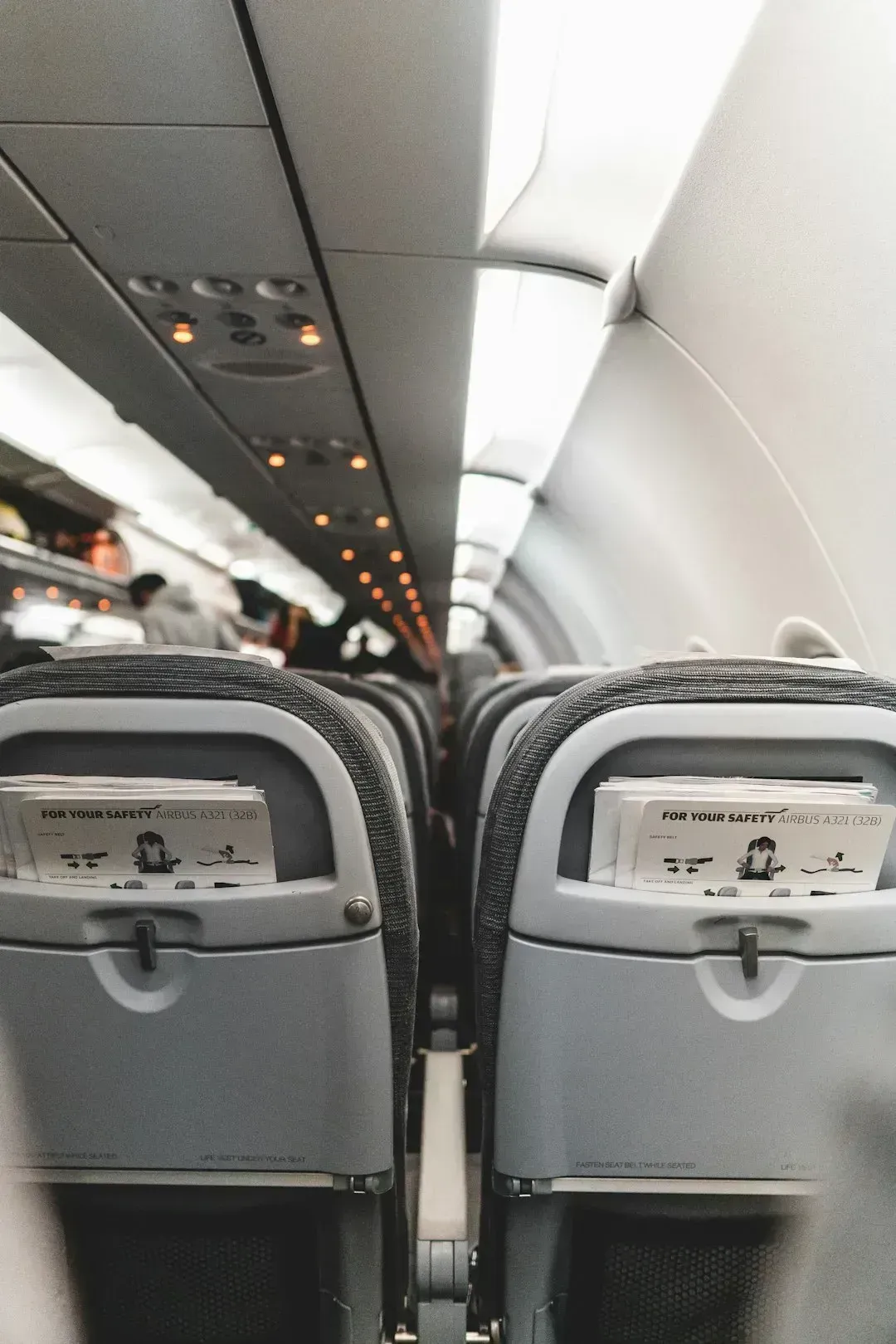
Asking to shift to an open row is one of the more common requests crews field, and it’s usually approved when the flight isn’t full. This doesn’t happen often, but sometimes a flight has so many open seats that a switch wouldn’t inconvenience anyone, so it’s best to wait until the plane is fully boarded, then ask a flight attendant for assistance at a moment when they aren’t busy.
The key is patience and timing. Jumping into an empty row before boarding is finished is a common mistake, since a late passenger might actually be assigned that seat, and crews say waiting for the all-clear avoids an awkward reshuffle later in the flight.
6. Rerouting seat swaps for families and travel companions
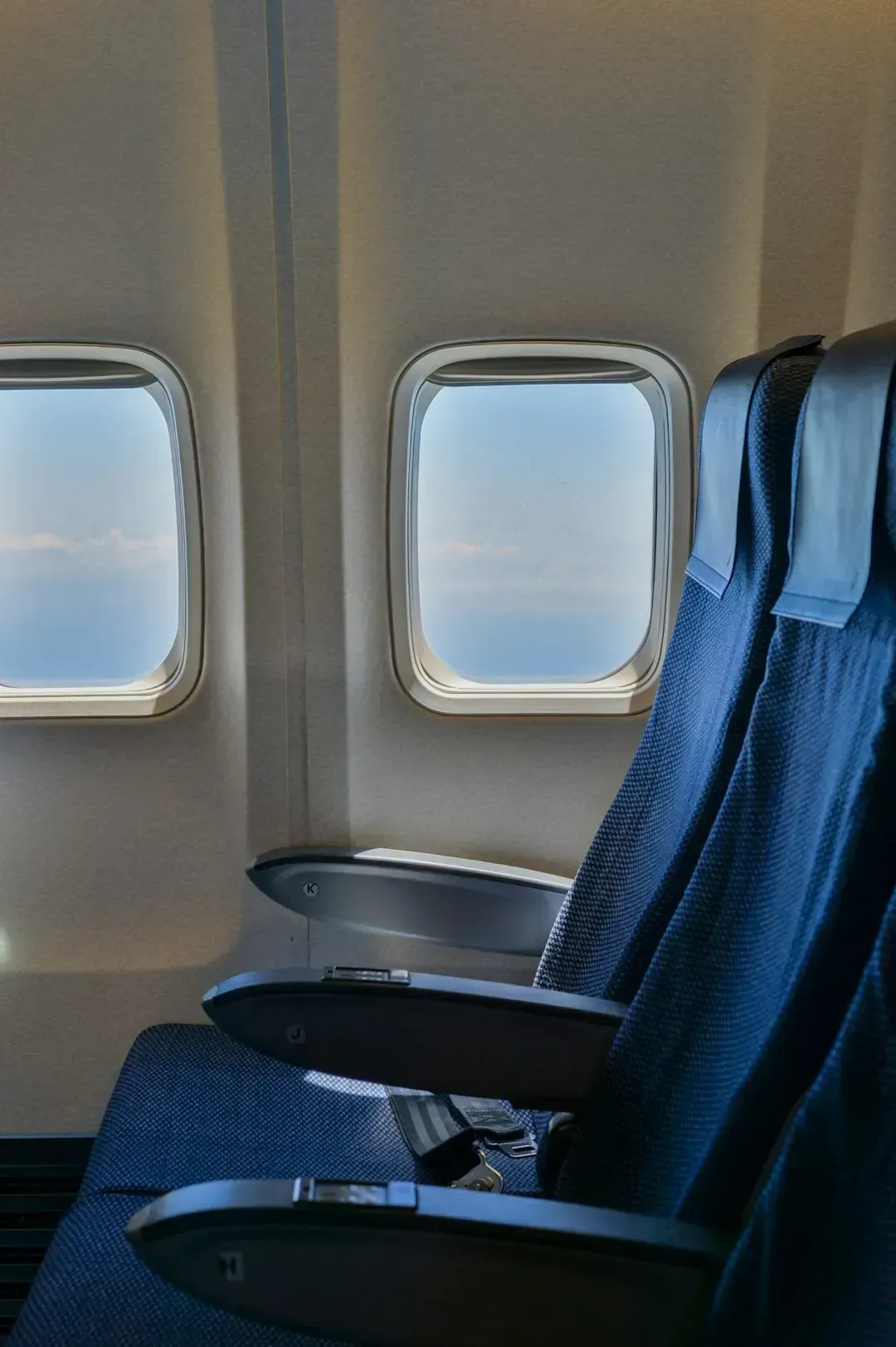
Splitting up a family or a couple is one of the more frequent seating headaches on any flight, and crews are generally sympathetic to it. On just about every flight there are several people looking to switch seats to sit next to travel companions, and it’s perfectly fine to ask others to accommodate this, though rejection is always possible.
Flight attendants tend to step in and help broker these swaps, especially with parents and young children, as long as the request is fair to whoever is being asked to move. The general etiquette is to only ask to switch if offering a better seat or if it benefits both parties equally, like reuniting two split-up groups, and never asking someone to trade if it makes their situation worse. When crews get involved, they’re usually just trying to make the cabin calmer for everyone, not doing a passenger a special favor.
These six requests share a common thread: they’re modest, they don’t require bending safety rules, and they make a flight attendant’s job easier rather than harder. Politeness, patience, and reasonable timing tend to matter far more than any specific script or phrase. On most flights, a calm and simple ask is still the most reliable way to get a yes.


Leave a Reply