
1. Bidding programs that quietly beat the sticker price

Several major cruise lines now run formal upgrade bidding systems, and staff seem genuinely happy when guests use them correctly instead of showing up at the desk demanding a free bump. Norwegian Cruise Line has Upgrade Advantage, Royal Caribbean has RoyalUp and Celebrity Cruises has MoveUp, while European line MSC Cruises has MSC Upgrade and Virgin Voyages has its Level Upgrade program. These are invitation based, so getting on the marketing email list actually matters here.
Most programs are invitation-only and arrive by email in the weeks before sailing, with eligibility and timing varying by line, some opening bids around 85 days out and others within 30 days of departure. The trade-off worth knowing is that winning a bid means losing control over the specific cabin location, and accessible cabins, group assignments, or connecting-room needs are not guaranteed. Staff will process a winning bid smoothly, but they won’t reverse it once it clears.
2. Guaranteed fare cabin swaps for better locations

Guests who book a guaranteed fare, meaning they picked a category like balcony or oceanview but let the line assign the exact room, sometimes find they can nudge that assignment before final placement. A guaranteed fare means booking a cabin grade such as Inside, Oceanview, Balcony or Suite rather than a specific cabin, and the cruise line allocates a cabin close to sailing. Because nothing is locked in early, front desk and reservations staff have some room to accommodate simple location preferences.
This approach also tends to save money outright. On most lines, it’s a cheaper option than choosing your own cabin, which is part of why guests who book this way and then politely ask about deck or proximity preferences often find staff willing to help within what’s available. It’s not a guarantee, but it’s a low-stakes ask that rarely gets a flat no.
3. Checking guest services on embarkation day for open upgrades

Walking straight to guest services after boarding remains one of the more reliable, staff-sanctioned ways to snag a better room without bidding wars. Frequent cruisers report watching people go to guest services as soon as they board to see if the ship has empty cabins and are offering upgrades, and this happens often enough to be a routine part of embarkation day. Staff at this desk are specifically positioned to handle these inquiries, not to brush them off.
One advantage of asking this way rather than bidding blind is control. An advantage with this approach is you usually get to view and choose your cabin before accepting, which staff seem to appreciate since it cuts down on post-move complaints. Even lines that officially discourage pier-side upselling still often work these requests once you’re already on board, since filling an empty premium cabin is better for them than leaving it vacant.
4. Onboard upgrade requests after the “sold out” sign goes up
Signage at guest services claiming no upgrades are available doesn’t always tell the full story, and plenty of crew members will still quietly work a request if you ask in person. One frequently shared account describes exactly this scenario, noting that there will likely be signs at Guest Services saying there are no upgrades available, but go anyway as soon as you get on the ship. The sign is often a blanket disclaimer rather than a firm policy.
What follows tends to be a normal negotiation rather than a rejection. Sometimes the offers are very generous and get accepted, sometimes a better rate gets negotiated, and staff will usually let guests look at the cabin before deciding and will never arbitrarily move anyone. Any approved change simply gets folded into the onboard account, which is a routine transaction for the front desk.
5. Politely timed upgrade requests during check-in
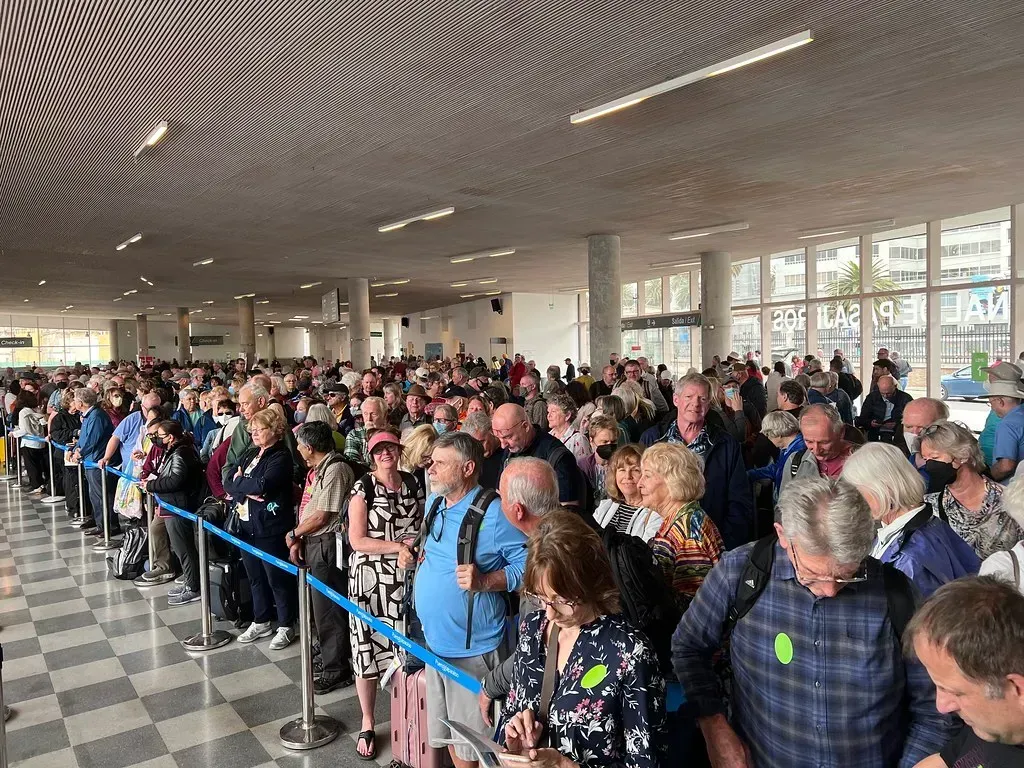
Timing matters more than most guests realize, and staff respond noticeably better to requests made at specific points in the booking or boarding process rather than random moments. Cruise lines typically release a limited number of upgraded cabins at the time of booking, so the earlier a guest requests an upgrade, the better the chances. That early window is when staff have the most flexibility to say yes.
At the pier itself, timing again plays a role. The best time to inquire about upgrades is usually during the check-in process or when speaking to the guest services desk, since that’s when staff are actively reviewing manifest changes and no-shows. A calm, specific request slotted into that window tends to get a warmer reception than a vague ask dropped at a busy moment later in the cruise.
6. Persistent, polite follow-up when the first answer is no

Cabin availability shifts constantly right up until departure, and staff genuinely can revisit a denied request if circumstances change. Frequent cruise advice consistently notes that if an initial request is denied, politely following up makes sense, since circumstances may change and the cruise line may have more flexibility as the departure date approaches. This isn’t staff being difficult the first time around; it’s simply that inventory isn’t finalized until close to sailing.
Loyalty status can also tip the scales on a follow-up attempt. Guests who sail a particular line often will have more leverage when a second or third polite check-in happens. Staff tend to remember repeat guests and factor that history into how much effort they put into finding a workable solution.
7. Standard door magnets, approved on nearly every ship
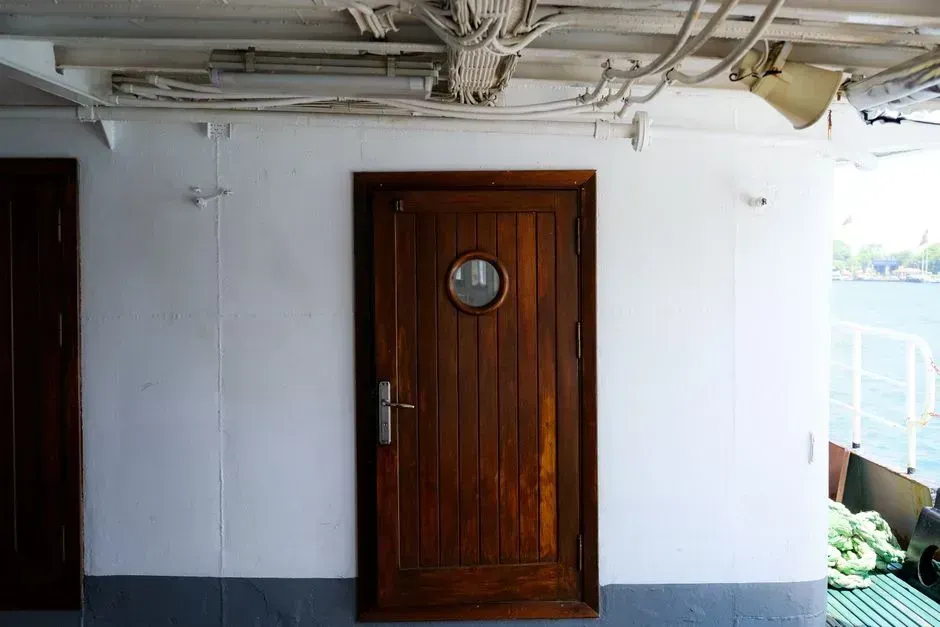
This one isn’t a room upgrade in the traditional sense, but it’s a cabin-level adjustment crew consistently sign off on: swapping a blank steel door for something personalized. The vast majority of cruise ship cabin doors are steel, and Carnival, Royal Caribbean, Disney, MSC, Princess, and most other major lines use steel doors that hold magnets throughout a sailing. That physical detail is exactly why staff rarely object to a simple magnet.
Individual line policies back this up in writing. Royal Caribbean permits door decorating as long as it does not damage the door or walls, and magnets are the way to go since the doors are metal. Disney has gone further, with an updated policy effective June 3, 2026 stating decorations must go on the stateroom door only, not corridor walls or ceilings, with magnets recommended and non-adhesive items like Fish Extenders still welcome. Stewards on these ships are used to seeing decorated doors and generally leave tasteful magnet displays alone.
8. Fire-safe, magnet-only décor swaps on stricter lines
Even on lines with tighter rules, staff will often approve a compliant swap rather than confiscating decorations outright, provided the materials meet basic safety standards. Carnival’s approach is a good example of this middle ground. Carnival is one of the most decoration-friendly lines but enforces safety rules, requiring decorations to be made of fire-retardant material, mounted with magnets or Command Strips rather than tape or glue, and placed only on the door itself rather than the surrounding frame or walls. Staff checking hallways are typically looking for exactly these details.
Where enforcement gets stricter, crew will still usually offer a fix rather than a flat removal. On Norwegian, for instance, the policy has held firm since 2019, stating that for everyone’s safety, the line does not allow any type of door decorations including paper or magnetic ones due to their flammable nature, with cabin stewards instructed to remove decorations and place them inside the room rather than simply discard them. That small courtesy, moving the item inside instead of tossing it, is itself a quiet accommodation staff extend even while enforcing the rule. These eight patterns share a common thread: they work because they respect how ships actually operate, not because they exploit a loophole. Bidding programs, guaranteed fares, and embarkation-day checks all lean on legitimate inventory flexibility, while the door decoration examples show how far a little advance research into line-specific rules can go. None of it requires confrontation. It just requires knowing which doors, literal and otherwise, tend to open with a polite, well-timed knock.


Leave a Reply