
1. Not being reachable 24/7
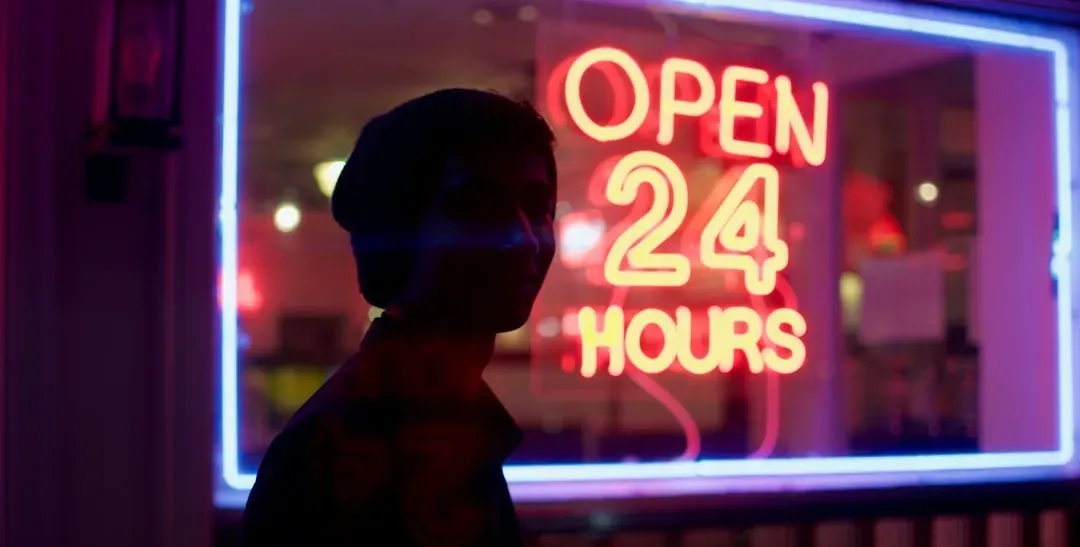
Before smartphones, being unreachable wasn’t a failure, it was just Tuesday. Gen X grew up in a world where leaving the house meant leaving your phone behind, and nobody expected an instant reply to anything. There was a kind of freedom in that gap between sending a message and getting one back, a buffer that let people think, breathe, and just exist without an audience.
Now, a missed text can feel like a small crime. Pew Research has repeatedly found that a large share of adults feel obligated to respond to messages quickly, and that pressure cuts across generations, but Gen X remembers a version of life that didn’t have this expectation baked in. They don’t say it out loud often, but many quietly envy their own teenage years, when disappearing for an afternoon wasn’t a big deal.
2. Physical media you could actually own
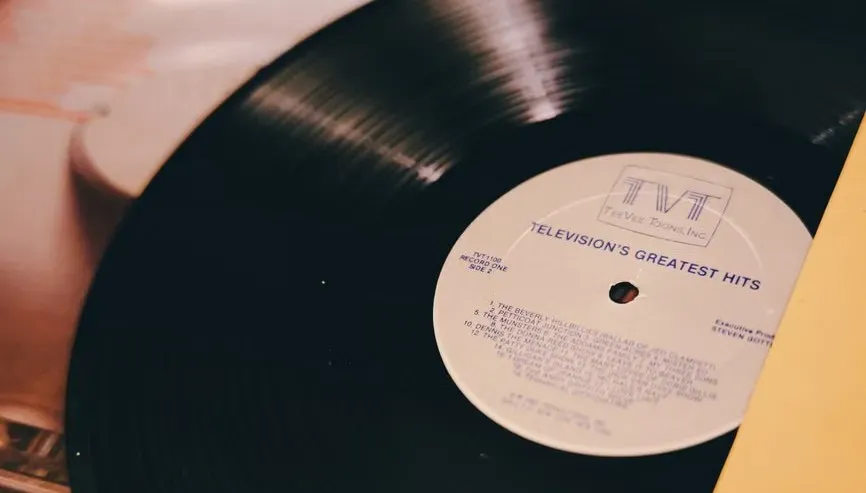
CDs, cassette tapes, and later DVDs weren’t just objects, they were proof that you owned something. Streaming has replaced ownership with access, and while the convenience is undeniable, something got lost in the trade. Gen X remembers flipping through liner notes, building mixtapes by hand, and arranging shelves of movies and albums that told visitors something about who they were.
That tactile relationship with music and film hasn’t fully disappeared, vinyl sales have actually seen a resurgence in recent years, according to the Recording Industry Association of America, which tracks a steady climb in vinyl revenue through the 2020s. But for most of what Gen X grew up collecting, the shift to digital libraries means there’s no shelf to point to anymore, just an algorithm suggesting what to listen to next.
3. Mall culture as a genuine social hub

Malls in the 1980s and 1990s weren’t just places to shop, they were where Gen X kids and teens actually hung out, unsupervised, for hours at a time. Food courts, arcades, record stores, and department stores created a kind of ecosystem that doesn’t really exist in the same form today. It was low stakes, cheap entertainment, and a built-in reason to leave the house without a specific plan.
American malls have been closing steadily for years, with retail analysts noting that enclosed mall counts in the United States have dropped significantly since their peak in the late 1990s. Gen X doesn’t necessarily miss shopping itself, but the informal, wander-around nature of that social space hasn’t really been replaced by anything else, online or off.
4. Music discovery through radio and MTV
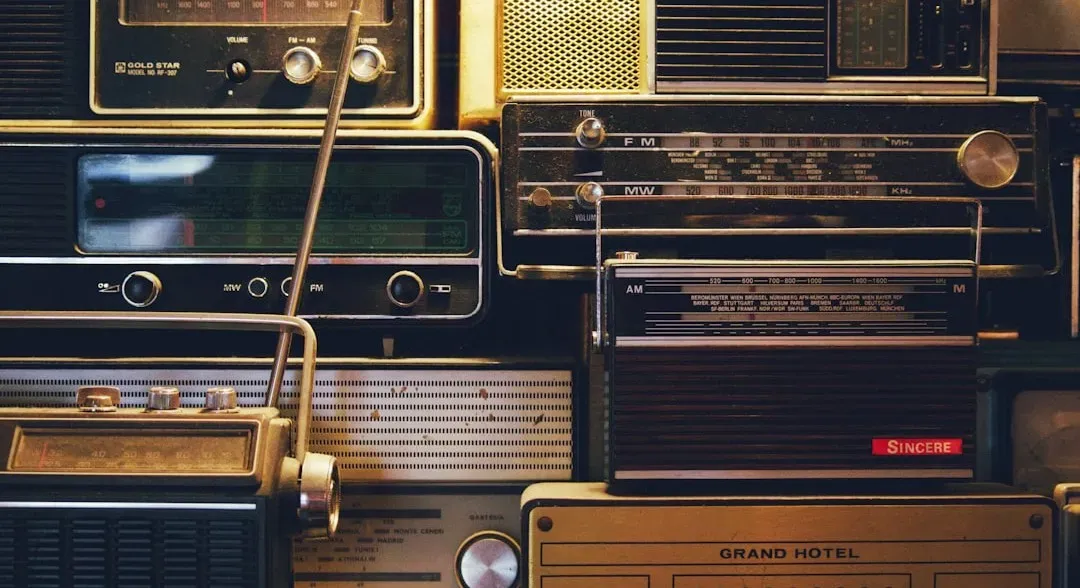
There was something communal about hearing a song for the first time on the radio, not knowing it was coming, and then rushing to figure out who sang it. MTV, in its early cultural peak, gave Gen X a shared visual language around music that got discussed at school the next day. Discovery felt like a shared event rather than a personalized algorithm quietly sorting people into isolated listening bubbles.
Streaming platforms now dominate how people find new music, with services like Spotify driving the vast majority of listening globally. That shift has objectively given people more choice, but it also removed the sense of collective anticipation that once came from waiting to hear a song on the airwaves. Gen X doesn’t necessarily want the limitations back, but they do miss that shared cultural moment.
5. Saturday morning cartoons as an event
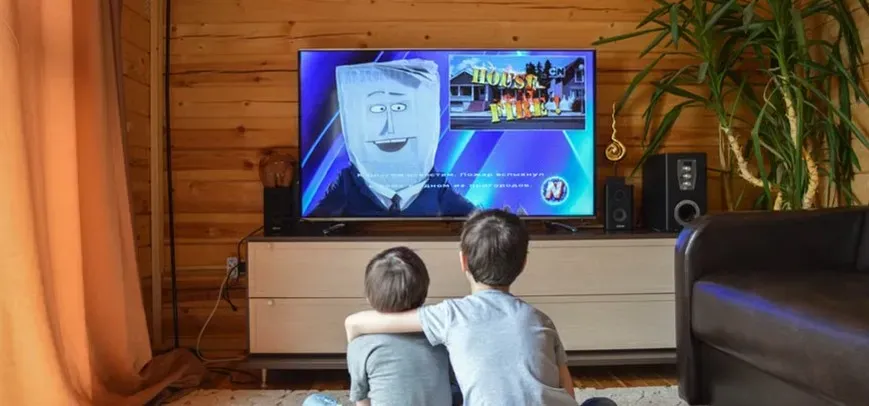
For Gen X kids, Saturday morning wasn’t just a time slot, it was a ritual. Waking up early, pouring cereal, and parking in front of the television for hours of cartoons was something that existed only once a week, which somehow made it feel more special. Streaming has made virtually every show available at any moment, which is convenient, but it also erased the built-in anticipation that came from waiting.
Traditional Saturday morning cartoon blocks on major networks largely disappeared by the early 2010s as networks shifted toward other programming and streaming took over children’s content. Gen X parents raising kids today sometimes try to recreate that ritual, but the scarcity that made it meaningful in the first place is genuinely hard to manufacture on demand.
6. A slower, less curated version of adulthood

Gen X came of age before social media turned everyday milestones into public performances. Getting a job, buying a house, or having a baby didn’t need to be documented in real time for an audience of hundreds or thousands. There was room to be a beginner at adulthood privately, without comparing every step to someone else’s highlight reel.
Research from the American Psychological Association and other groups has linked heavy social media use to increased social comparison and anxiety, a pattern many Gen Xers watched unfold in their own children’s generations while thinking back to their twenties. They don’t say they miss being broke or clueless exactly, but they do miss doing it quietly, without commentary.
7. Face to face conflict resolution

Disagreements used to require actual conversation, in person or at least over a phone call where tone and hesitation were audible. Texting and messaging apps have made it easy to avoid direct confrontation, sometimes for the better, but often at the cost of resolving things cleanly. Gen X grew up having to work things out with friends, siblings, and coworkers in real time, without the option to leave someone on read.
That skill, the ability to sit in discomfort and talk something through, doesn’t get much practice anymore in a world built around asynchronous communication. Therapists and relationship researchers have noted that avoidance behaviors enabled by digital communication can prolong unresolved conflict rather than easing it. Gen X isn’t necessarily better at conflict because of how they grew up, but they were forced to practice it more often, and some of them miss that forced practice.
None of this means Gen X wants to go back entirely, most will say the internet, smartphones, and modern conveniences make daily life genuinely easier in ways they wouldn’t trade. What lingers isn’t a wish to undo progress, it’s a quiet appreciation for specific textures of a slower, less documented, more analog kind of living that shaped them without anyone realizing it was temporary.


Leave a Reply