
1. Chicken à la King
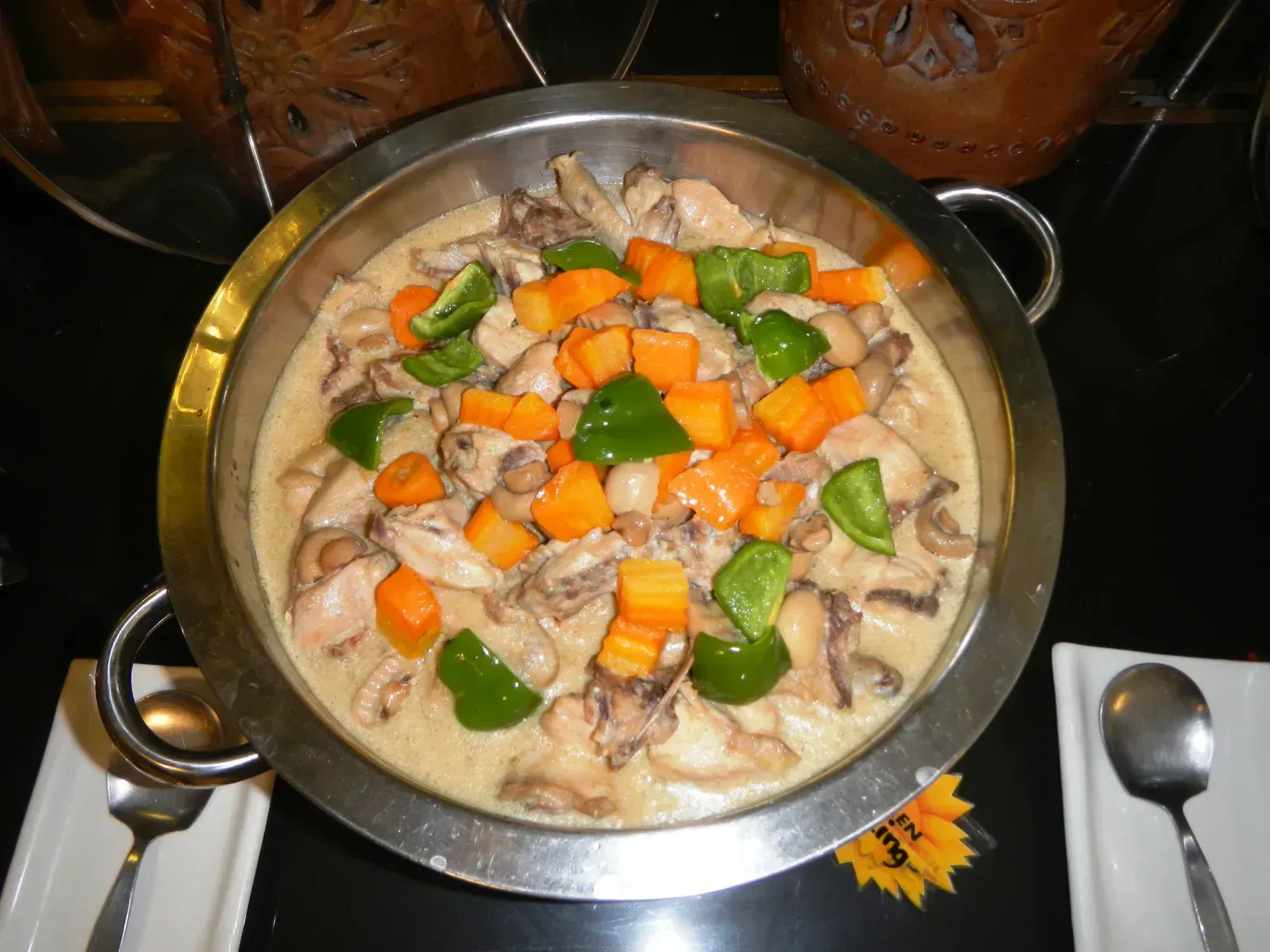
Chicken à la King sounds like something you’d order at a fancy hotel, but it was really just diced chicken and mushrooms folded into a white cream sauce and ladled over toast. This simplicity didn’t hold it back from popularity in the 1950s and 1960s, when it appeared on household dining tables and restaurant and diner menus all over the country. Cooks tinkered constantly, and a 1963 diner menu listed one of the specials as chicken à la King with toast points, while some diners made the sauce with canned mushroom soup or mixed in frozen peas and carrots.
By the 1980s, food writers were already looking back on the dish with a mix of nostalgia and mild embarrassment. Food writer Calvin Trillin wrote in 1985 that “the whole country seemed to be awash in chicken à la king” in the 1950s, a comment that captures just how ubiquitous the dish had become before it nearly vanished. Chicken à la King is nowhere near as popular today, though you can still find it in a few eateries across the U.S., and desperate nostalgics can even buy a canned version at the grocery store.
2. Welsh Rarebit
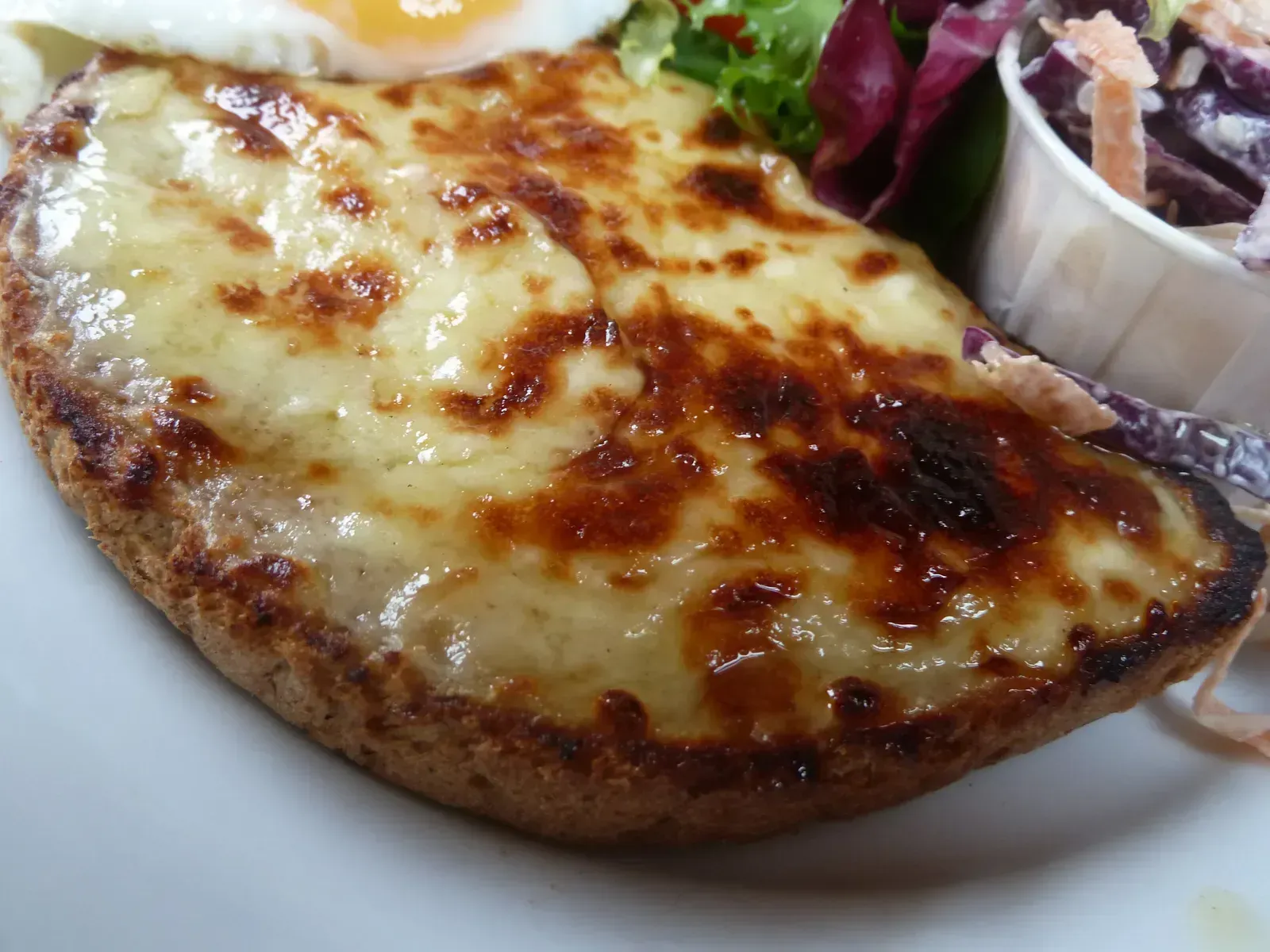
Welsh rarebit might be the most misunderstood dish on this list, since its name has nothing to do with rabbit at all. One particularly beloved version was the Welsh rarebit, a simple dish that’s basically a grilled cheese sandwich without the top layer of bread, made with a cheese sauce of mustard, Worcestershire sauce, dark beer, and sharp cheddar. It was poured over toast and sometimes finished under the broiler until it bubbled and browned.
In its diner heyday, rarebit carried an air of sophistication that belied how simple it actually was to make. Welsh rarebit was essentially cheese sauce on toast, but in the 1950s that was considered elegant, the kind of dish you’d find at a ladies’ luncheon, and it made toast feel European, which was enough. As American tastes shifted toward heartier, meat-forward sandwiches, the once-fashionable cheese dish quietly slid off most menus.
3. Creamed Chipped Beef on Toast
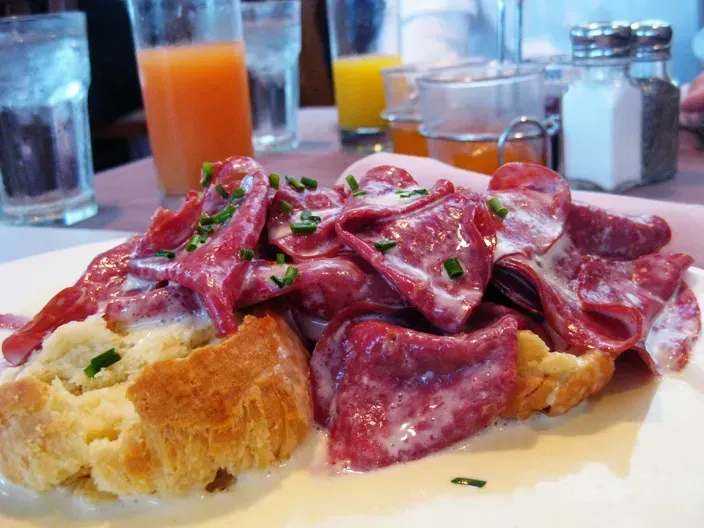
Known affectionately (or not so affectionately) by its military nickname, this dish had humble, practical origins. S.O.S., or stuff on a shingle, came from military kitchens and was made with dried beef in white gravy, served over toast. After World War II, it followed soldiers back home and showed up in kitchens throughout the 1950s, relying on pantry ingredients that worked perfectly for tight budgets and busy households.
Its roots go back even further than the war years. The origins of cream chipped beef are unclear, but it has strong links to the military, making its first written appearance in the 1910 publication “Manual for Army Cooks.” Diners loved it because it was cheap, filling, and required almost no skill to prepare, but as American palates grew more adventurous, the salty, gravy-soaked dish faded from regular rotation.
4. Turkey Devonshire
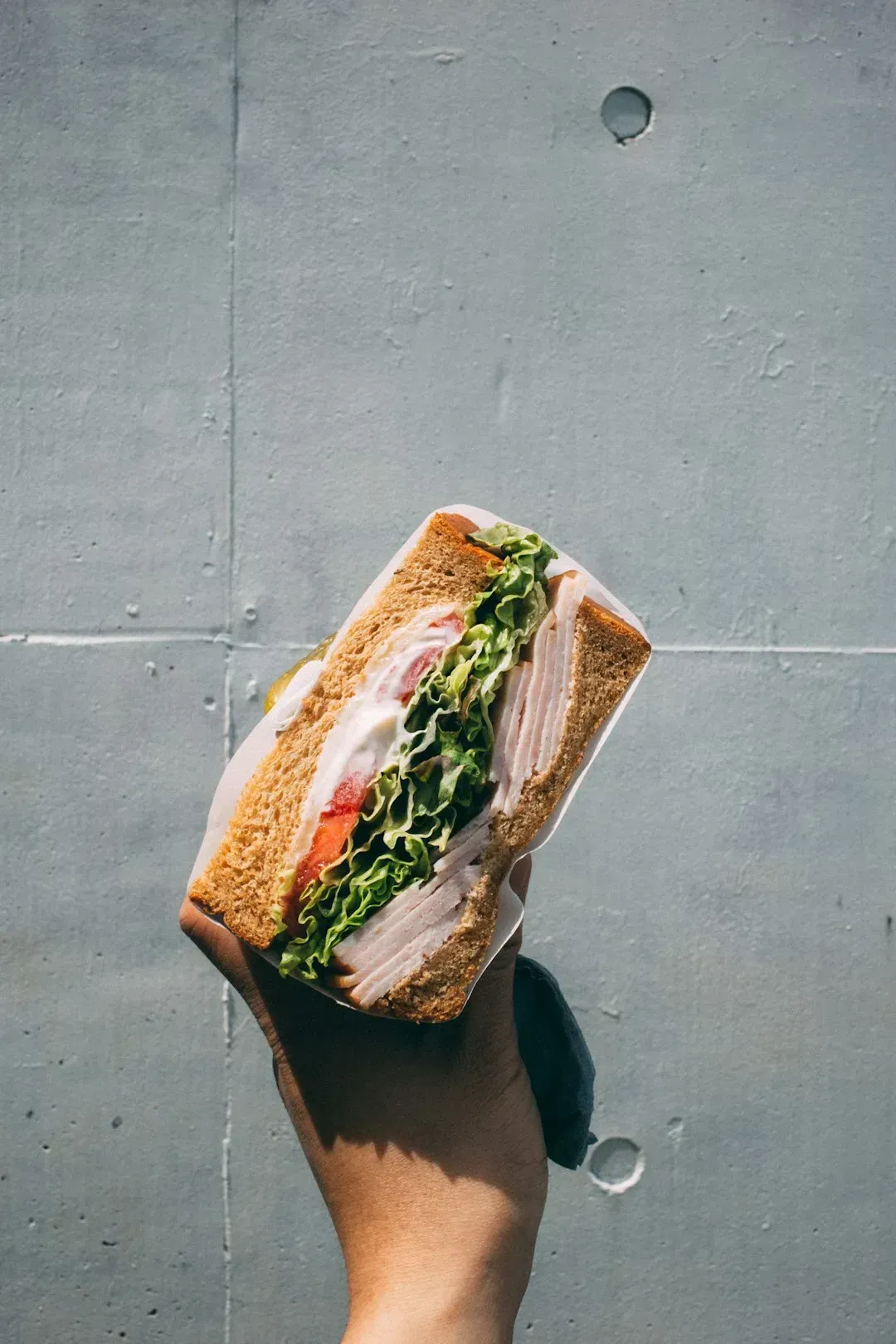
This open-faced sandwich started as a regional specialty before spreading well beyond its birthplace. It was a resounding hit in Pittsburgh’s restaurants and soon made its way onto diner menus across the region and beyond. Topped with bacon, tomato, and a rich cheese sauce, it occupied a similar culinary lane to Welsh rarebit and Kentucky’s famous hot brown.
Unfortunately, convenience cooking did the dish no favors. The turkey Devonshire fell victim to the boom in processed foods in the 1950s and 1960s, as diner owners capitalized on lower-cost ingredients like heavy bread and pre-made sauces, leading to a nosedive in quality and an inevitable drop in demand. It has since returned to the hands of higher-end restaurant chefs breathing new life into the once-loved dish, and perhaps it won’t be long before it’s back in diners too.
5. Salisbury Steak
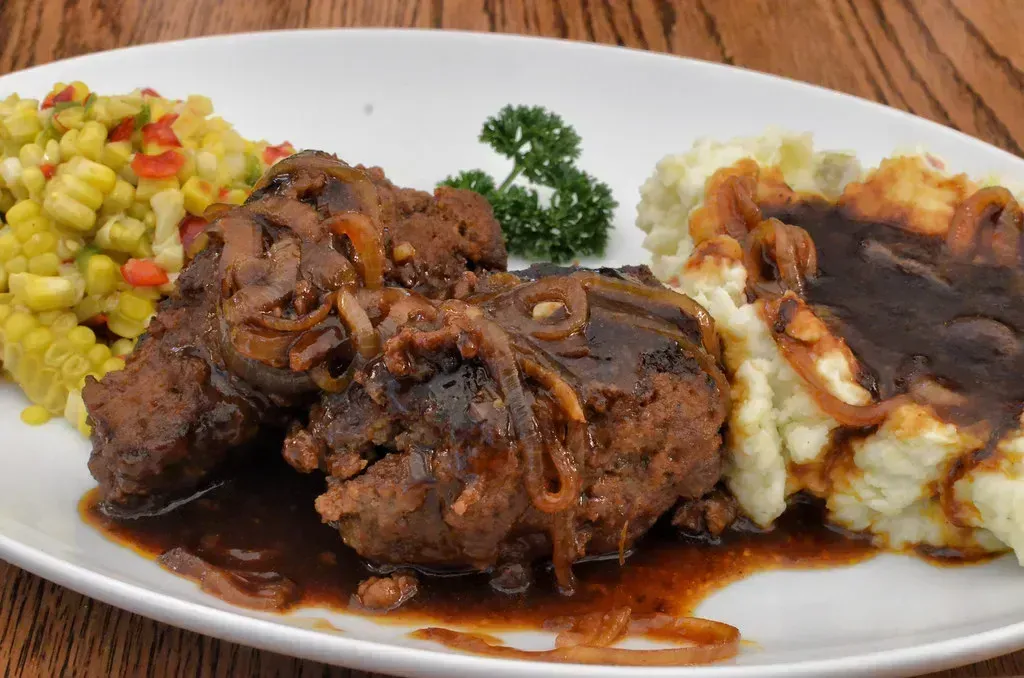
Salisbury steak has an oddly medical origin story. James Henry Salisbury believed eating more protein was the answer to combating illnesses, writing in his 1888 book that people with digestive disorders should eat muscle pulp of lean beef made into cakes and broiled, and the dish named after him became a national favorite in the early 20th century. Diner cooks embraced it with enthusiasm, shaping ground beef patties, browning them in a skillet, covering them with thick mushroom gravy, and serving the result with mounds of fluffy mashed potatoes, a dish that was cheap for owners yet hearty enough to satisfy the hungriest diner.
Ironically, its success sowed the seeds of its decline. It was also a victim of its own success, as the 1950s boom in frozen and canned foods saw lots of much-loved recipes swept up in the trend for convenience cooking. The final nail in the coffin for Salisbury steak was the decline of TV dinners in the 1980s, and while nostalgic home cooks might rustle it up occasionally, it’s now a rare sight in 21st-century American diners.
6. Chicken Liver Platters
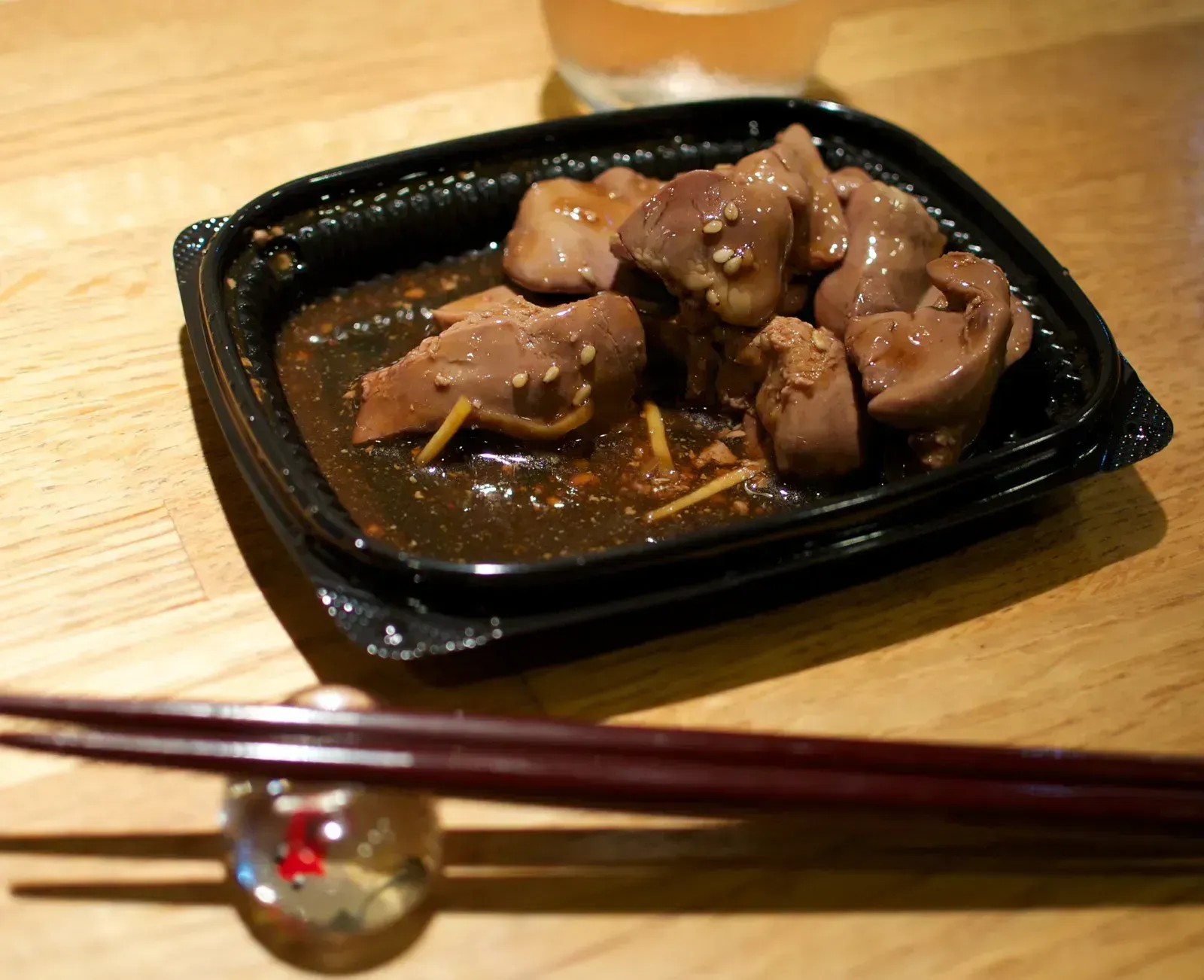
Organ meats were far from taboo in mid-century diners, and chicken liver in particular showed up in surprisingly elaborate preparations. One New York diner menu from the 1950s offers chicken liver with fresh eggs, cream, fried onions, a toasted roll, and curly potatoes. It wasn’t just a breakfast item either; another menu from a 1940s Las Vegas diner offers chopped chicken liver as an appetizer, alongside olives, shrimps, and tossed green salad.
The dish had a texture that appealed to a wide range of eaters. Chicken liver tends to have a lighter texture than beef, and it’s also milder in flavor, which makes it a little more versatile compared to other organ meats. Even so, just like beef liver and other organ meats, chicken liver has fallen out of favor these days, leaving foie gras as one of the only organ meats still occasionally spotted on modern menus, and even that comes with its own controversy.
7. Liver and Onions
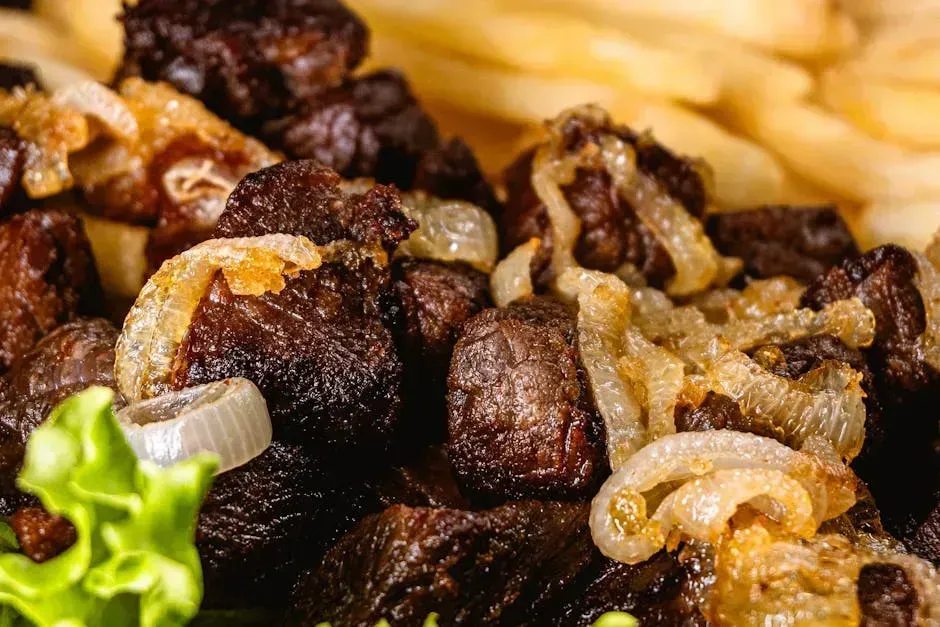
Alongside chicken liver, the classic beef or calf liver and onions combination was once a diner mainstay rather than a special-occasion dish. Liver and onions used to be a diner staple, but now it’s a once-popular food people don’t eat much anymore, a dish that pairs quickly pan-seared slices of beef or calf liver with sweet, soft caramelized onions. It was cheap, nutrient-dense, and simple enough for any short-order cook to turn out quickly during a lunch rush.
As American diets shifted away from organ meats in general, this once-common plate became harder and harder to find. Younger diners raised on boneless, mild-tasting proteins tended to balk at the earthy, mineral-rich flavor that liver carries, and diners responded by dropping it from their rotating specials. Today it survives mostly as a nostalgic order at old-school greasy spoons that have managed to hang on for decades.
8. Beef Stroganoff
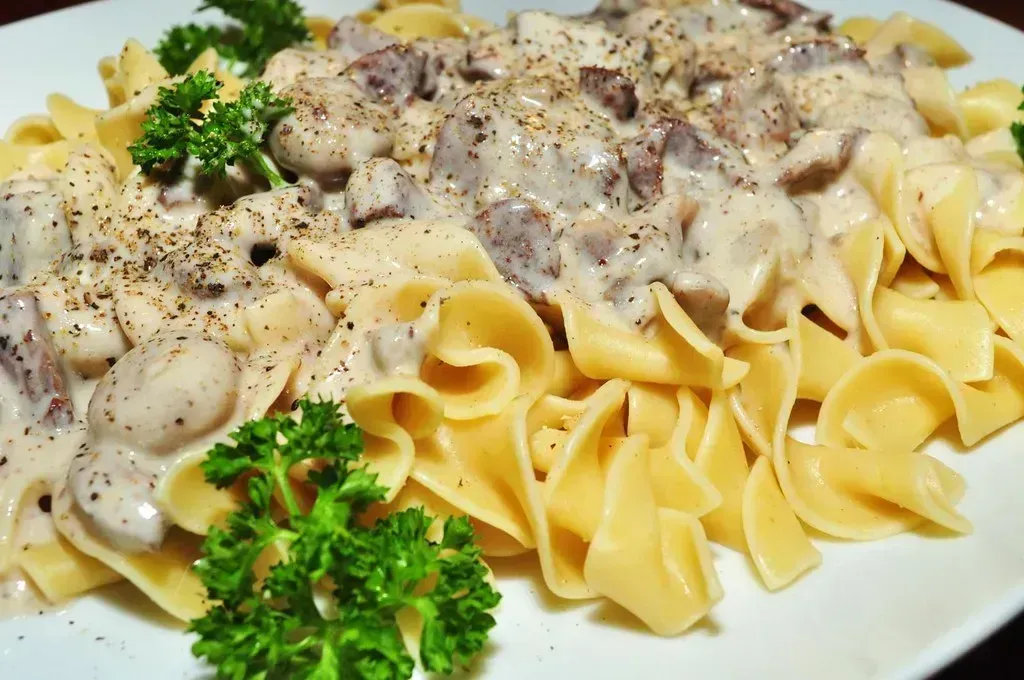
Stroganoff had genuine glamour attached to it during its diner run. In 1950s America, stroganoff had its moment, as home cooks and diner chefs alike browned cheap cuts of beef with onions and mushrooms, then simmered everything slowly before finishing with a dollop of sour cream. Part of its appeal traced back to wartime scarcity; beef rationing during World War II may be part of why stroganoff felt like an elevated dish when it appeared on menus, since actual beef strips in cream sauce was still a genuine treat in living memory.
Diners loved ordering it because it felt like a small indulgence without the price tag of a steakhouse cut. Home cooks made it en masse, and dining rooms listed it as the entrée of distinction, the thing you’d order when you wanted to feel like you were spending money wisely and eating well at the same time. Its beige, unphotogenic appearance eventually worked against it as dining trends favored bolder colors and visible technique, and stroganoff retreated mostly to home kitchens.
9. Chicken Tetrazzini
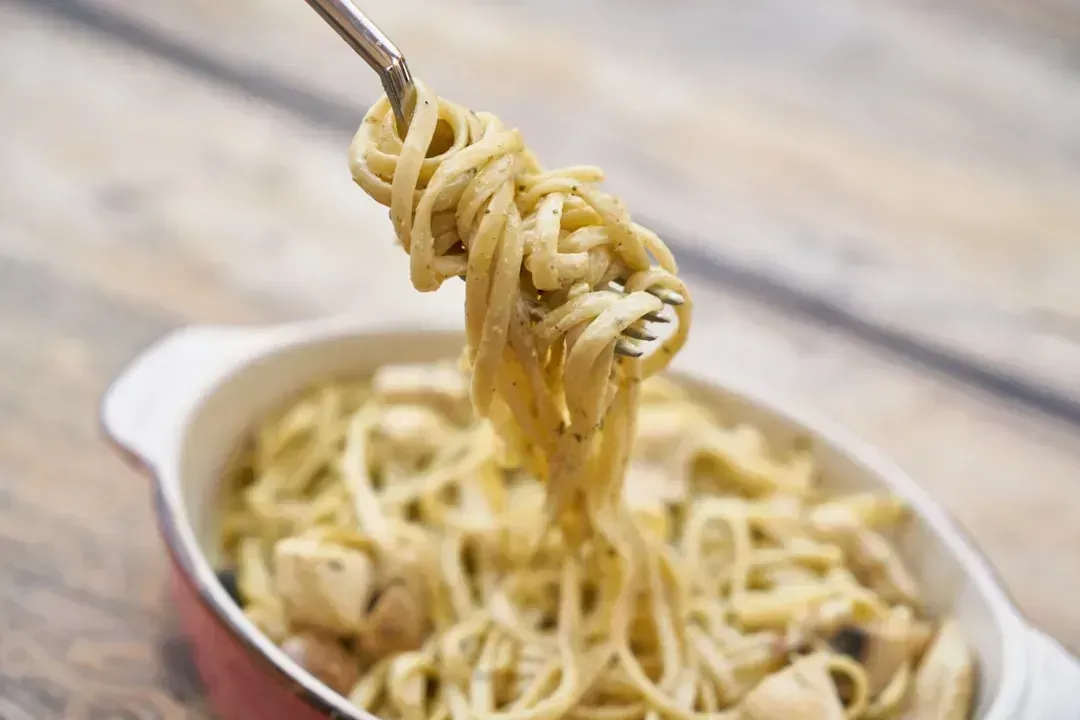
Named for an opera singer, this creamy pasta bake turned leftover poultry into something that felt worth ordering out. Rich, creamy, and filling, chicken tetrazzini turned leftover roast chicken or turkey into an entirely new meal, with pasta, mushrooms, cheese, and a cream sauce baked together into a hearty casserole that could easily feed a large household. It leaned heavily on the era’s love of condensed soup and canned convenience.
Diner versions in particular capitalized on how easy the dish was to portion and reheat. From the early 1900s through the 1950s, women and home cooks saw the potential of this dish as a great way to use up chicken and turkey leftovers. Although it still appears on some holiday tables, lighter pasta dishes and quicker leftover recipes have pushed tetrazzini out of most regular meal rotations, and it rarely if ever shows up on a modern diner menu.
10. Ham Steak With Pineapple
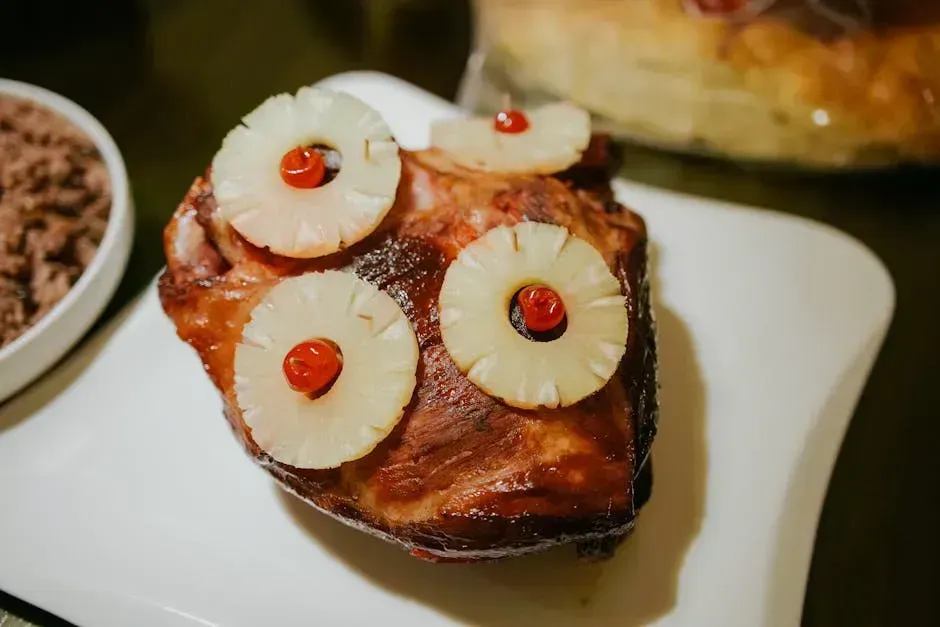
For diners looking for something heartier than a sandwich but simpler than a full roast, ham steak fit the bill perfectly. In the 1950’s, ham steak, often topped with pineapple, made frequent appearances on diner menus as an option for heartier appetites. The sweet-and-savory pairing gave it a slightly tropical, celebratory feel that stood out from the usual short-order fare.
Part of its popularity came down to practicality behind the counter. Ham steaks were a practical option for busy diners because they came pre-cooked, meaning all a prep cook had to do was heat one up on a grill. While ham itself never disappeared from diner menus, the thick, standalone ham steak has fallen out of favor even as ham shows up chopped in omelets, sliced in sandwiches, or fried alongside breakfast eggs.
11. Sardine Sandwiches
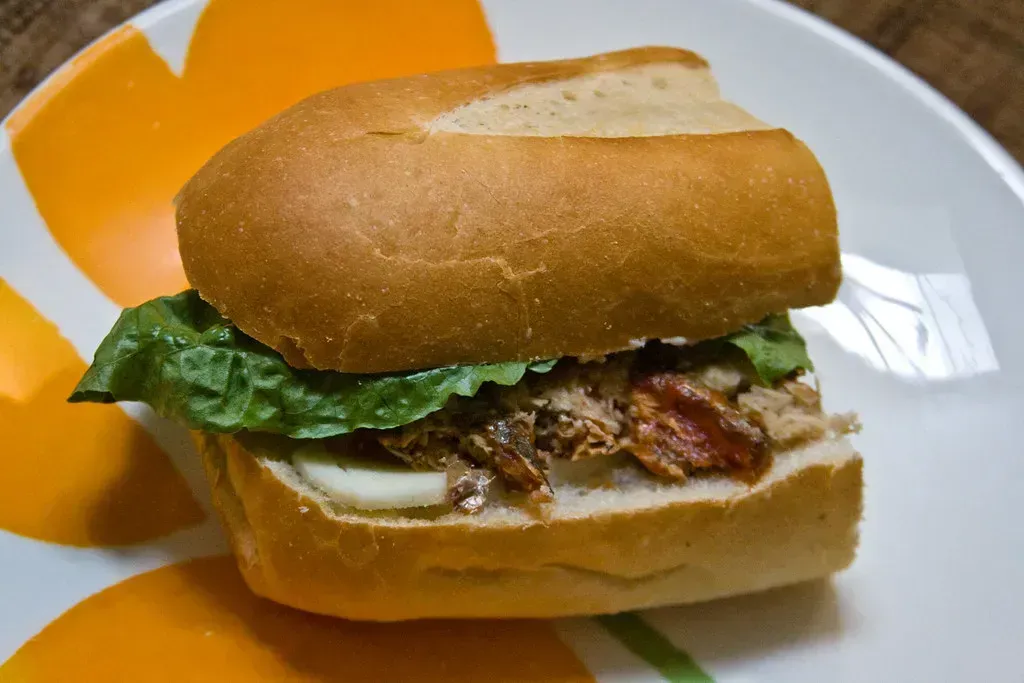
Before tuna took over America’s sandwich counters, sardines were the go-to canned fish for a quick, protein-packed lunch. In the 1950s, as commercial tuna fleets boomed, sardines fell to the wayside, since tuna was less fishy tasting and thus more appealing to more people, and at the time, cheaper than sardines. There was also a simple matter of squeamishness at the counter.
Presentation played a role too, since whole sardines require a bit more commitment from a diner than flaked tuna does. It’s also likely that chunks of tuna were easier for squeamish diners to handle than whole sardines. Interestingly, sardines have quietly staged something of a comeback in recent years, though not through diner menus. While sardine sandwiches are no longer a diner staple, sardines themselves have regained favor as a more sustainable option than tuna, with Spanish seafood conservas attracting serious attention from diners again.
12. Coconut Cream Pie With Meringue
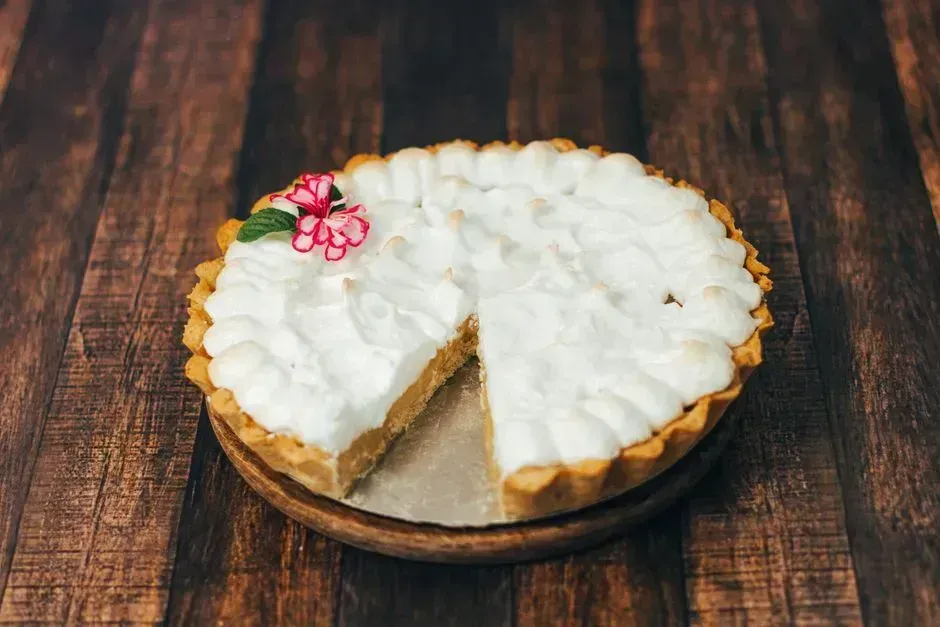
Every proper roadside diner in the 1950s seemed to have a rotating pie case, and coconut cream was frequently the showstopper. Dried coconut was a key ingredient in coconut cream pie, and as diners became more popular, so the pie appeared on many a regional menu in the 1950s, sometimes topped with a huge mound of Italian meringue. The combination of custard filling, shredded coconut, and towering meringue made it a genuine centerpiece dessert.
The trouble was that a proper coconut cream pie takes real time and skill to prepare correctly, something increasingly at odds with diner economics. The time needed to make coconut cream pie meant it likely fell victim to diner owners’ needs to save time and money, and it was edged out in favor of simpler fare, though you can still find it at select diners if you look hard enough. It remains one of the more recoverable dishes on this list for anyone willing to search out an old-school pie counter.
Taken together, these twelve dishes paint a picture of a diner culture that valued resourcefulness, a touch of borrowed elegance, and above all, feeding people well on a tight budget. Convenience foods, changing attitudes toward organ meats, and shifting ideas about what counts as an appealing plate all played a part in pushing these once-common orders off the menu board. Some, like coconut cream pie or Welsh rarebit, occasionally reappear at diners leaning hard into nostalgia. Others, like Salisbury steak or chicken à la King, mostly live on in memory and the occasional home-cooked recreation. Either way, they remain a genuinely fascinating snapshot of an era when a diner counter could feel just a little bit fancy.


Leave a Reply