
1. The promise ring
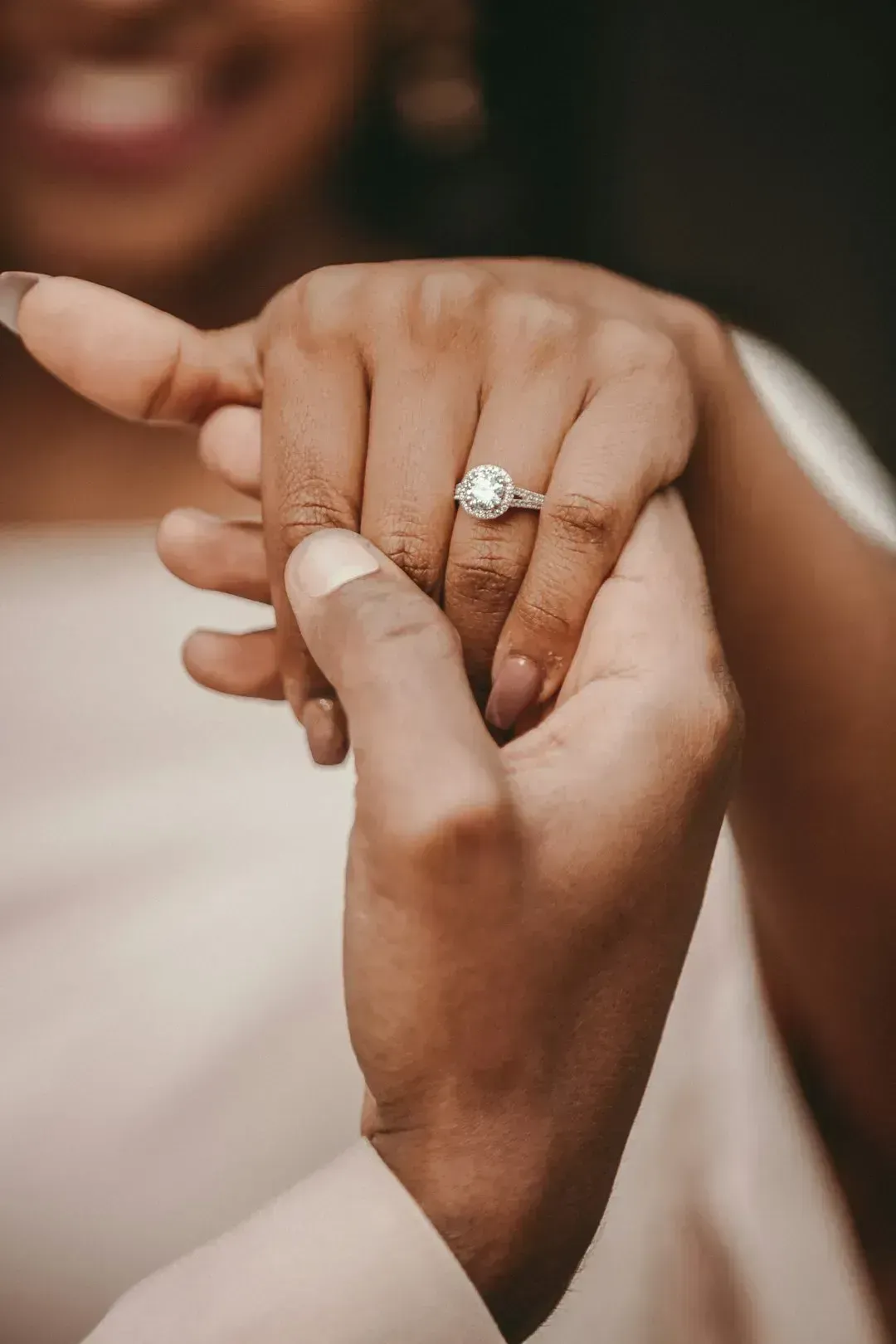
In the 1990s, a promise ring was often the first serious marker in a young relationship, a small band that signaled exclusivity long before an engagement was on the table. Teenagers and young adults wore them as a public statement, something classmates and family would immediately recognize and ask about. It wasn’t about the price of the ring so much as the fact that it existed at all.
Today, promise rings still show up occasionally, but they’ve largely been replaced by verbal commitments or shared social media status. Couples are more likely to define their relationship through a conversation or a joint Instagram post than through jewelry. The symbolic weight has shifted away from physical objects toward digital and verbal confirmation.
2. The mixtape or burned CD

Making a mixtape was a labor of love in the truest sense, requiring hours spent recording songs off the radio or dubbing tapes just right. By the late 1990s, burned CDs took over, but the sentiment stayed the same: a personalized soundtrack was a way of saying someone mattered enough to spend an evening curating songs for them. It was tangible, physical proof of thought and effort.
Streaming playlists have replaced this ritual almost entirely. A Spotify playlist can be made in minutes and shared instantly, which is convenient but strips away the labor-intensive symbolism the mixtape once carried. Couples today rarely treat playlist-sharing as a milestone the way earlier generations treated a carefully sequenced tape.
3. The letterman jacket exchange
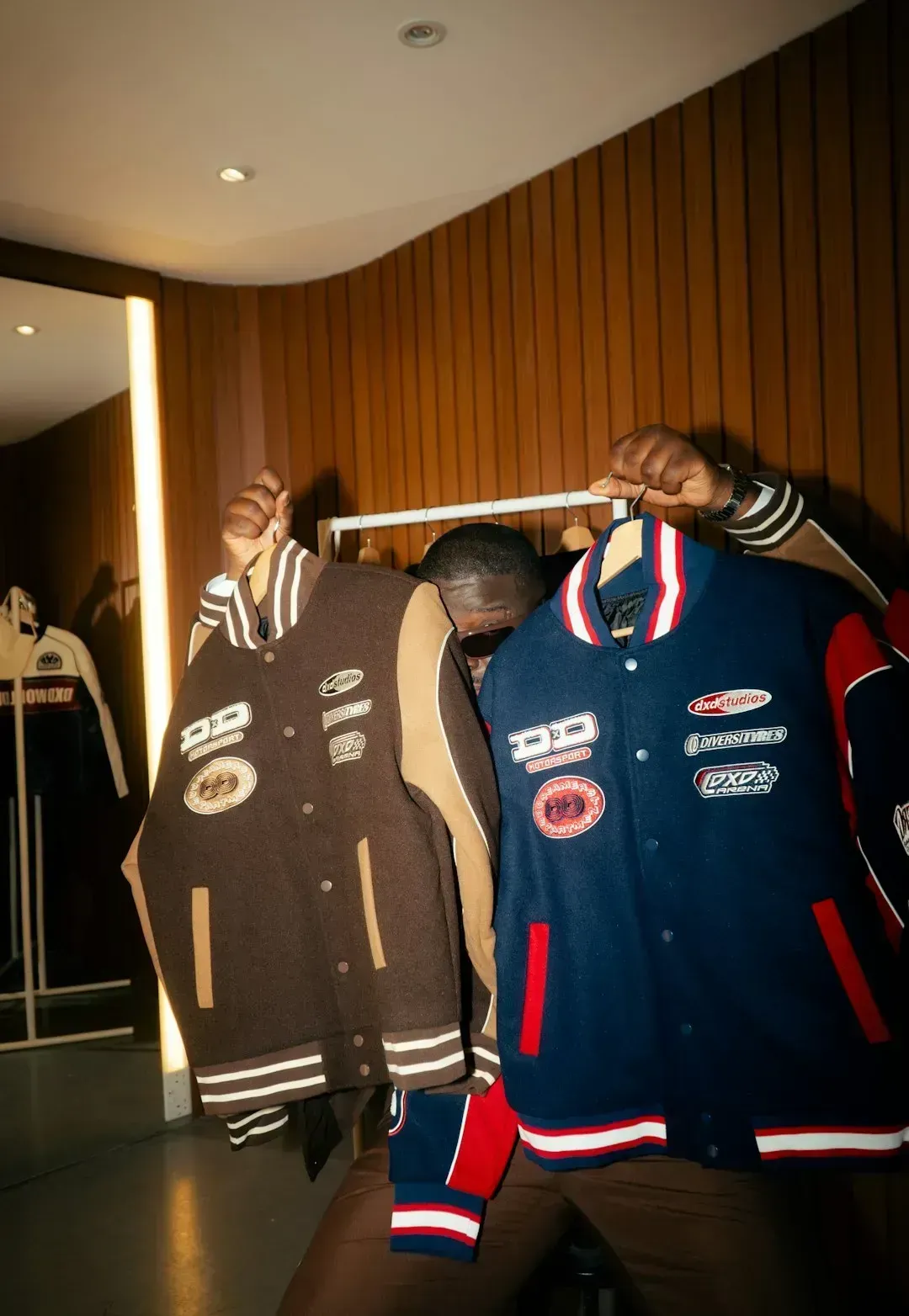
High school couples in the 1990s often marked their relationship by the girlfriend wearing the boyfriend’s letterman jacket, a visible and instantly understood claim of togetherness in hallways and at games. It was practically a uniform for “official” couples, especially in American high schools with strong sports cultures. Wearing someone’s jacket was shorthand for exclusivity that needed no explanation.
This tradition has faded substantially as high school sports culture has diversified and as fashion norms have shifted away from letterman jackets altogether. Couples now express exclusivity through shared social media tags or joint appearances rather than clothing exchanges. The jacket-swap, once a rite of passage, is largely a relic of a specific era in American school culture.
4. The beeper or pager number
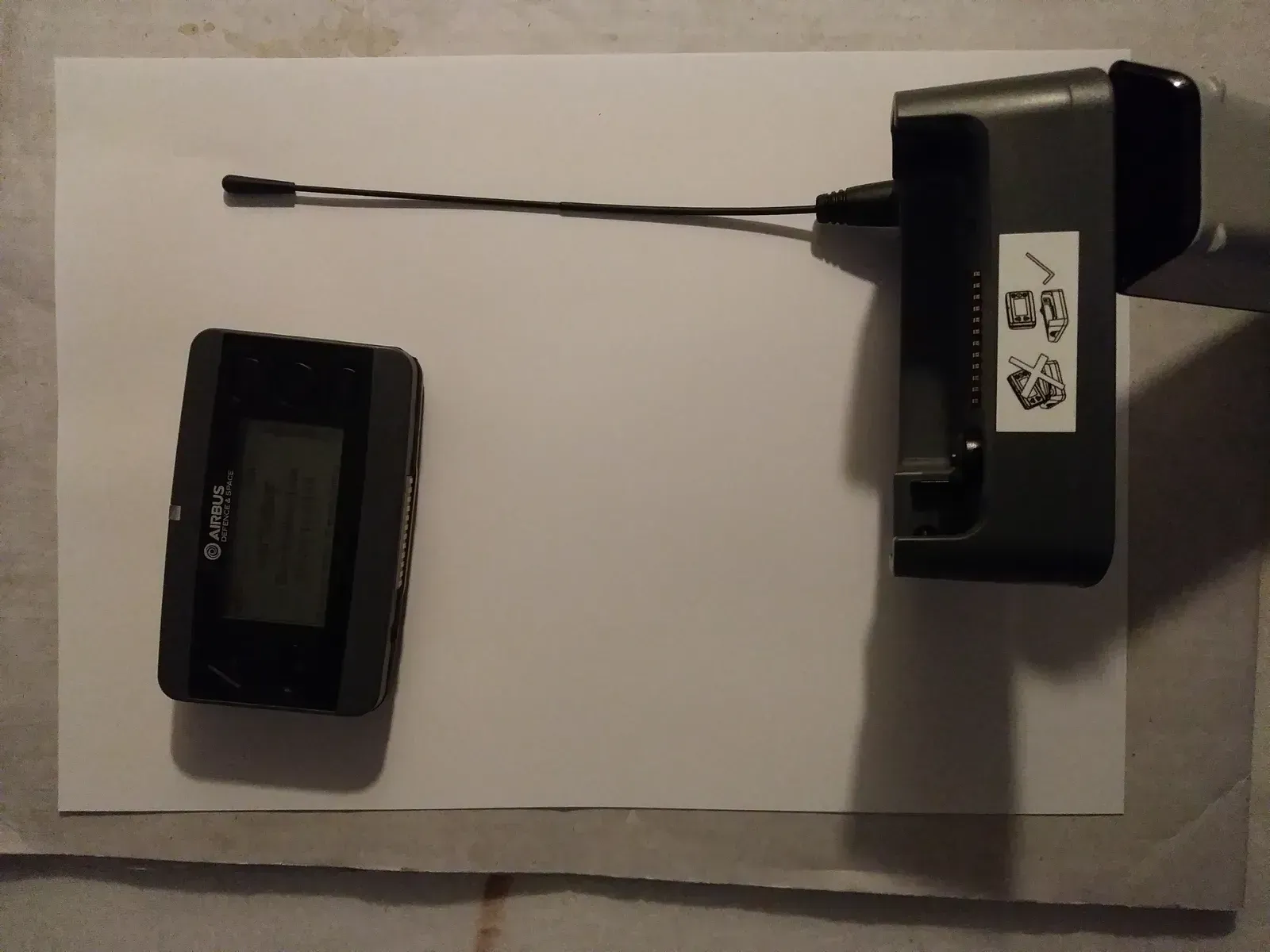
Before cell phones were common, having someone’s pager number and using a code to signal “call me back” was a quiet but meaningful sign of closeness. Giving out a pager number wasn’t casual; it meant you trusted someone enough to be reachable at unpredictable hours. Numeric codes typed into a pager became a private language between couples.
With smartphones now universal, this entire ritual has vanished. Couples exchange numbers instantly and communicate through texting, calling, or messaging apps without a second thought about who else has access to that information. The scarcity and intimacy that once came with sharing a pager number simply doesn’t translate to a world where nearly everyone is reachable at all times.
5. The matching outfits at the mall

Mall culture in the 1990s often included couples coordinating outfits, sometimes subtly and sometimes overtly, as a way of visibly presenting themselves as a unit while shopping or hanging out. Brands like Structure, Contempo Casuals, and Gadzooks catered heavily to this kind of teen coupling culture. It was common enough that matching hats or jackets became an unspoken signal recognized by peers.
Malls themselves have declined sharply as a central teen gathering spot, and with that shift, the ritual of coordinated public outfits has faded too. Modern couples are more likely to coordinate their appearance for a photo shoot or a specific event rather than as a daily public display. The stage for that kind of symbolism largely moved online.
6. The engraved lockets or “his and hers” jewelry sets

Matching jewelry sets, often lockets with photos tucked inside or engraved necklaces split into two halves, were a popular gift exchange for serious 1990s couples. These pieces were meant to be worn constantly, a physical reminder of the other person close to the skin. Jewelry stores in malls marketed heavily toward this sentimental teen and young-adult market.
Jewelry gifting hasn’t disappeared, but the specific “his and hers” matching set has become less central to how couples express commitment. Personalized gifts today are more likely to be digital, such as shared photo albums or custom playlists, rather than physical matching accessories. The sentiment of connection persists, but the medium has shifted considerably.
7. The answering machine greeting

Recording a joint answering machine greeting was a small but telling milestone for cohabitating or seriously dating 1990s couples. Hearing two voices announce that “we’re not home right now” was a subtle but public acknowledgment of a shared household or a serious level of commitment. It was often one of the first blended domestic tasks a couple did together.
Voicemail greetings still exist, but almost nobody records a joint one anymore, and many people don’t set up personalized voicemail messages at all. Text messages and instant notifications have made the entire concept of a shared answering machine greeting functionally obsolete. What once signified domestic partnership has been replaced by far less ceremonial digital habits.
Taken together, these seven markers reflect a broader shift in how relationships are communicated and confirmed. Physical, effort-based symbols have largely given way to instant, digital ones, changing not just the tools couples use but the pace and visibility of commitment itself.


Leave a Reply