
There was a time when certain relationship milestones felt like trophies. Posting the right photo, hitting the right anniversary, or dropping a certain phrase into conversation used to earn a nod of approval from friends and family. These days, a lot of that shine has worn off, and people are noticing.
Social habits shift fast, and what once signaled a strong, enviable relationship now often reads as performative or just plain outdated. Here are seven so called status symbols that couples still love to flaunt, even though most people have quietly stopped caring.
1. Matching couple outfits or accessories

Coordinated outfits used to be a cute way to show unity, especially around holidays or vacations. Now it often reads as try hard, particularly among younger couples who tend to value individuality within a relationship rather than visual sameness. Fashion commentators have noted that Gen Z couples in particular favor distinct personal style over matching looks, seeing it as more authentic than performative.
Matching phone cases, matching sneakers, or his and hers jewelry sets still exist, but they rarely impress anyone outside the couple itself. Friends are more likely to compliment individual style choices than a coordinated theme. The novelty faded once matching became a marketing gimmick rather than a genuine expression of closeness.
2. A big, expensive engagement ring
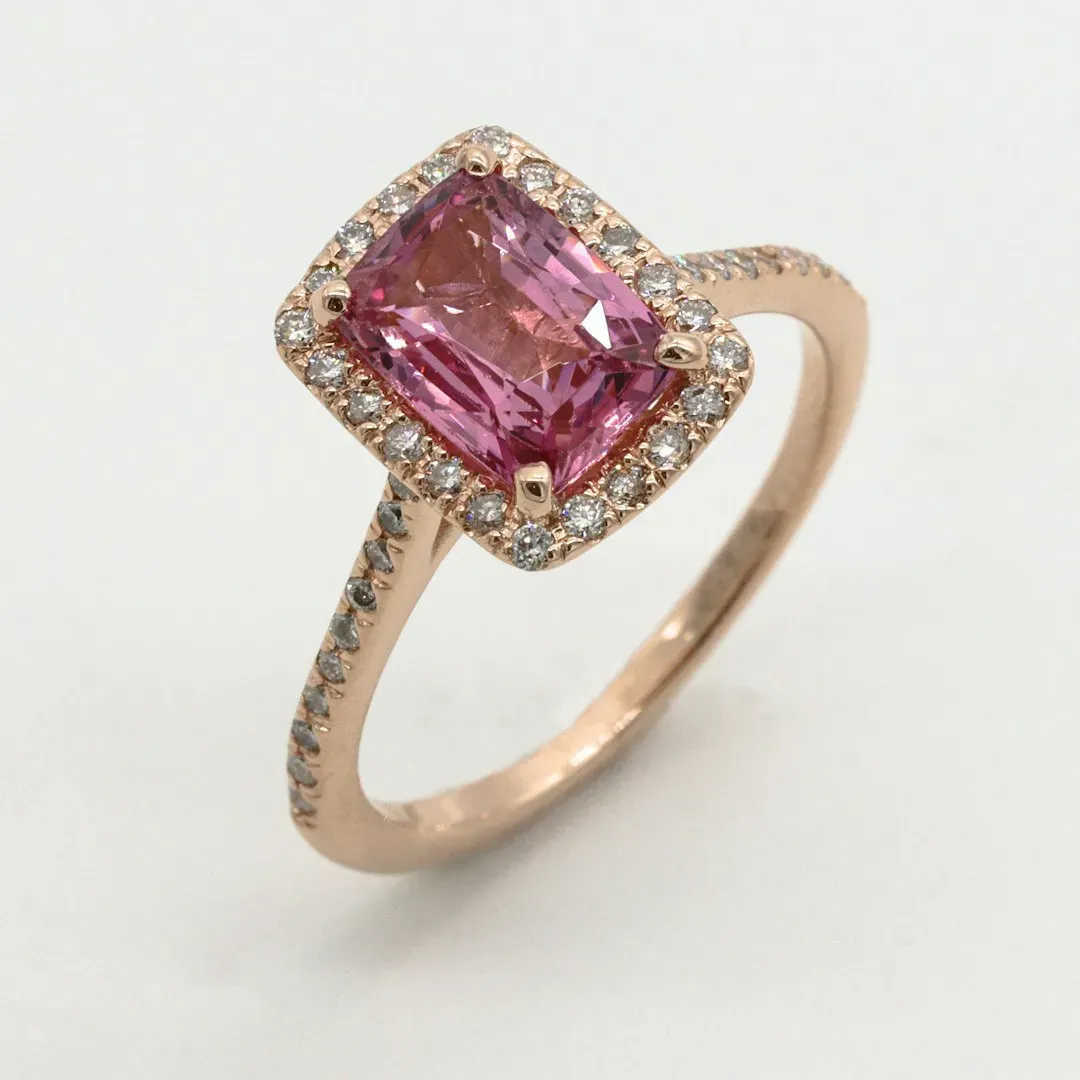
For decades, ring size and carat weight were treated as a rough proxy for how much a partner valued the relationship. That association has weakened considerably as younger generations prioritize financial practicality over tradition. A 2024 survey from The Knot found that the average engagement ring cost in the United States sits around 5,500 dollars, but a growing share of couples are opting for lab grown diamonds or smaller stones specifically to avoid overspending.
Financial advisors have also pushed back publicly against the old “three months salary” rule, calling it an outdated marketing invention rather than a real financial benchmark. Many couples now see a modest or alternative ring as a sign of shared financial sense rather than a lack of commitment. Bragging about ring size just does not land the way it used to.
3. A destination proposal or wedding

Elaborate proposals on cliffs, in front of landmarks, or during expensive trips once felt like the ultimate romantic flex. Wedding industry data shows that couples are increasingly choosing smaller, local, or backyard weddings, partly due to rising costs and partly due to shifting values around what actually matters. The Wedding Report has tracked a steady decline in average U.S. wedding guest counts over the past several years, reflecting a broader move toward intimacy over spectacle.
Destination weddings still happen, but they no longer automatically signal a superior relationship or deeper love. Guests are often more vocal about the financial burden of attending than the romance of the location. A meaningful ceremony close to home increasingly reads as more thoughtful than a flashy one far away.
4. Frequent joint social media posts

Posting constant couple content, from anniversary tributes to daily selfies together, used to signal a healthy, secure relationship. Now it often triggers eye rolls rather than admiration, especially as audiences have grown more skeptical of curated online personas. Relationship researchers have pointed out that excessive public displays of affection online can sometimes correlate with insecurity rather than genuine closeness, a pattern discussed in studies on social media and relationship satisfaction published in outlets like the Journal of Social and Personal Relationships.
Many couples have quietly shifted toward more private, low key documentation of their relationship, sharing less and meaning more when they do post. The phrase “relationship goals” itself has become something of an internet punchline rather than genuine praise. Audiences increasingly assume heavy posting is compensating for something rather than confirming real happiness.
5. Buying a house together early

Homeownership was once treated as the definitive marker of a serious, adult relationship. With mortgage rates elevated through 2024 and into 2025 compared to the historic lows of the previous decade, and home prices remaining high in most U.S. metro areas according to National Association of Realtors data, this milestone has become far less about relationship status and far more about market timing and financial luck. Plenty of committed couples now rent for years, not because their relationship is weaker, but because buying simply is not accessible the way it used to be.
At the same time, some couples are choosing to buy property with friends, siblings, or as solo investors before ever partnering up, which further disconnects homeownership from romantic commitment. Financial independence and stability have started to matter more publicly than the symbolic act of a joint mortgage. Bragging about a shared address just does not carry the weight it once did.
6. Getting matching tattoos

Matching tattoos were once seen as a bold, permanent declaration of devotion. Tattoo artists and industry surveys have noted rising demand for cover ups and removals tied specifically to breakups, which has made the permanence angle feel more like a cautionary tale than a romantic gesture. High profile breakups involving publicly known matching ink have only reinforced the perception that this particular gesture ages poorly.
Younger couples increasingly favor smaller, private symbols or shared experiences over permanent body art as proof of commitment. The idea that skin deep permanence equals emotional depth has largely lost its cultural weight. Most people now view matching tattoos as a personal choice rather than a meaningful relationship signal.
7. Public grand gestures for anniversaries

Surprise parties, elaborate scavenger hunts, or extravagant public proposals for anniversaries used to generate widespread admiration and envy. Consumer behavior research increasingly shows a preference shift toward experiences and quiet, consistent effort over one time spectacle, a trend widely discussed in coverage of changing gift and celebration habits in outlets like The New York Times lifestyle section. The pressure to outdo previous years or other couples has made grand gestures feel exhausting rather than romantic to many observers.
Therapists and relationship counselors have pointed out that daily small acts of care tend to matter more for long term satisfaction than occasional dramatic displays. Audiences online have also grown more critical of gestures that seem staged primarily for content rather than the partner. A quiet, meaningful evening increasingly earns more respect than a public spectacle ever could.
What counts as relationship proof has clearly shifted away from visible symbols and toward quieter, more personal markers of stability. Financial sense, privacy, and consistency now carry more social currency than showy gestures ever did.


Leave a Reply