
1. Brand-Name Everyday Staples

Frugal shoppers tend to skip the name-brand version of things like paper towels, trash bags, and basic pantry staples. Store brands and generics are often made in the same facilities as their pricier counterparts, and studies from consumer research groups have repeatedly found little to no difference in quality for many household basics. The savings on these small, recurring purchases add up faster than most people expect over a year.
This isn’t about deprivation. It’s about recognizing that the marketing budget behind a familiar logo is baked into the price, not the performance of the product itself. Once someone tests a generic version and finds it works just as well, going back to paying extra for the name starts to feel unnecessary.
2. Extended Warranties
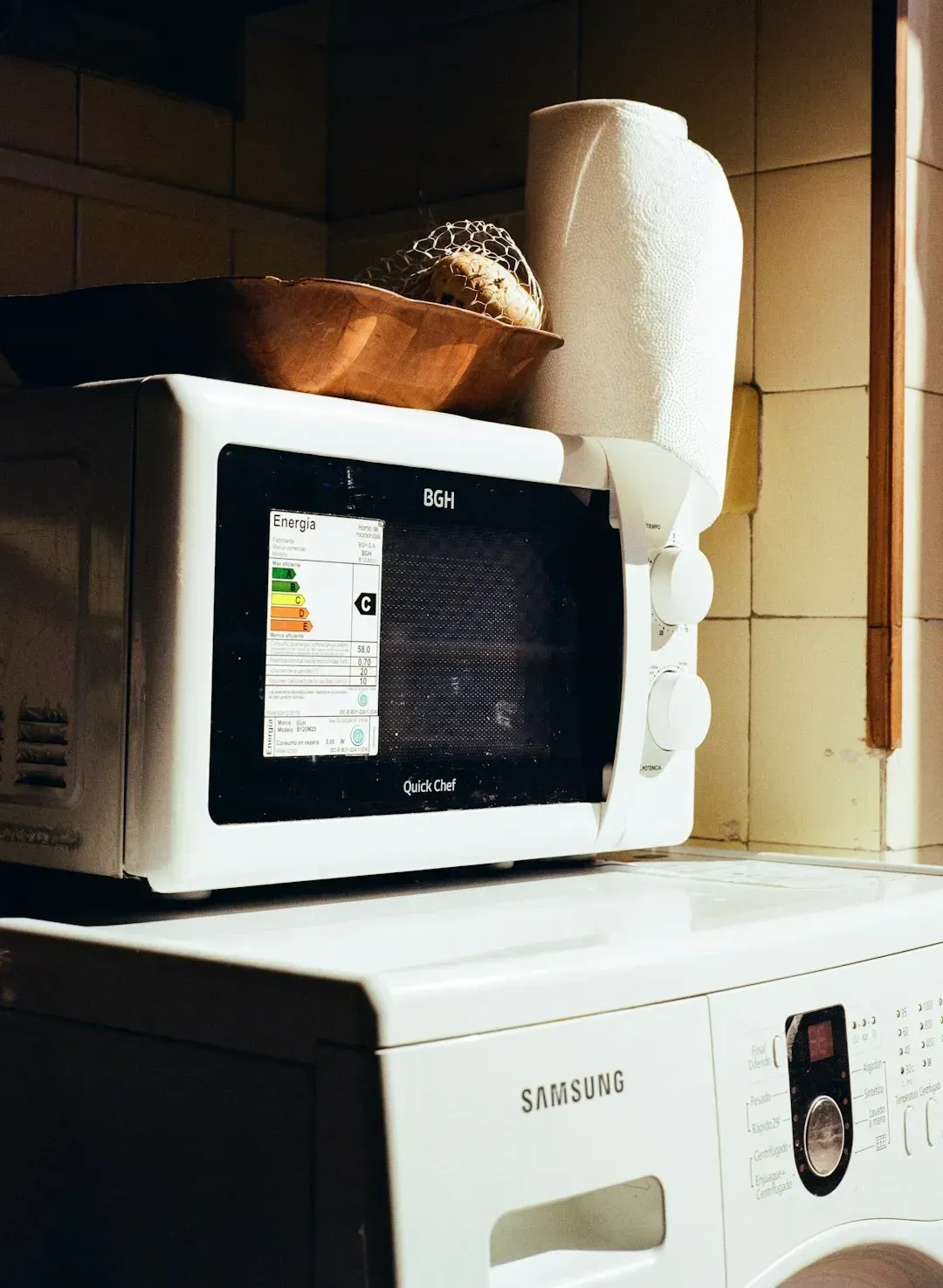
Retailers push extended warranties hard at checkout because the margins on them are enormous, often far higher than on the product itself. Frugal consumers generally decline these, reasoning that most electronics and appliances either fail early, in which case a manufacturer warranty or return policy covers it, or they last well past the extended coverage window. Consumer advocacy groups have long noted that the odds rarely favor the buyer.
Instead, many frugal people set aside a small self insurance fund for repairs or replacements. It’s a simple mental shift, treating the money they’d have spent on a warranty as savings rather than a fee paid to a store. Over time, this approach tends to leave more money in their pocket than the warranty ever would have.
3. Daily Coffee Shop Visits
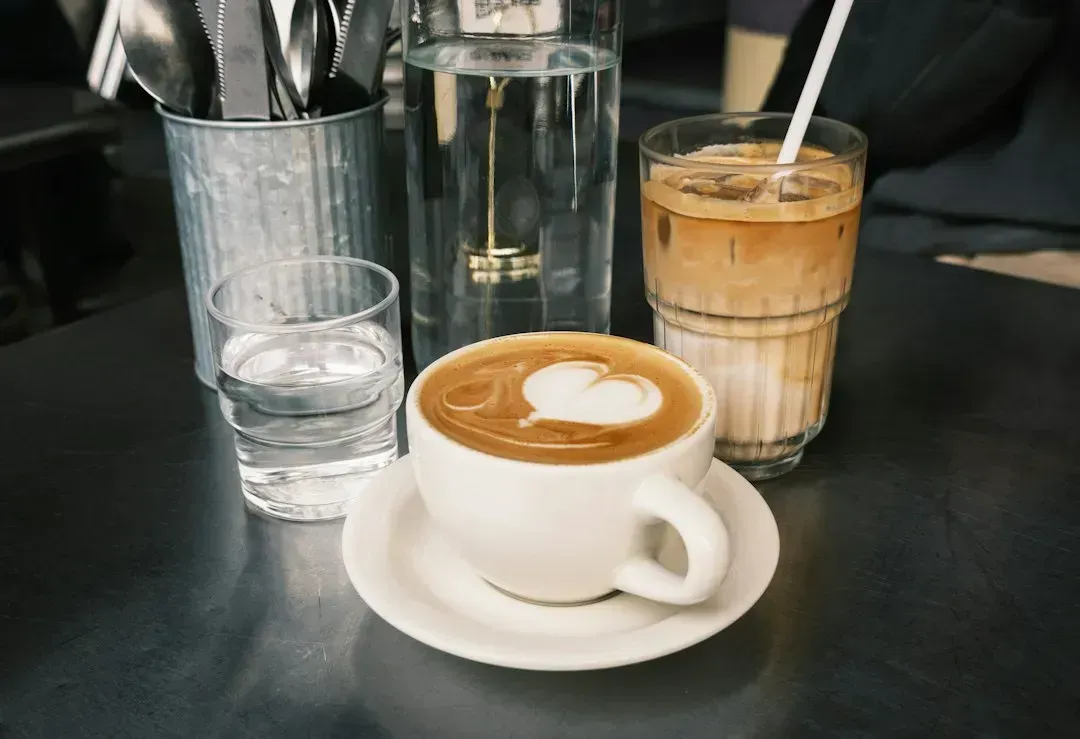
The math on a daily coffee habit is well known at this point, but frugal people actually act on it. A five dollar latte bought five days a week adds up to well over a thousand dollars a year, money that could just as easily go toward savings or a bigger goal. Brewing coffee at home costs a fraction of that, even with decent beans and a good machine factored in.
This doesn’t mean frugal people never buy coffee out. It just means it becomes an occasional treat rather than a daily ritual, which oddly enough makes it feel more special when it does happen. The habit reflects a broader pattern of noticing which small, repeated costs quietly outweigh their enjoyment value.
4. Brand New Vehicles

New cars lose a significant chunk of their value the moment they’re driven off the lot, with many models depreciating by a substantial percentage within the first year alone. Frugal buyers tend to let someone else absorb that initial depreciation hit, opting instead for a well maintained vehicle that’s two or three years old. The savings can run into the thousands, while the car itself is often barely distinguishable from new in terms of performance and reliability.
This preference has held steady even as car prices have climbed in recent years, with average new vehicle prices staying elevated well into 2025 and 2026. Frugal shoppers often research reliability ratings closely and are willing to drive a car for a decade or more, which changes the entire calculation around what counts as a good deal.
5. Designer Clothing
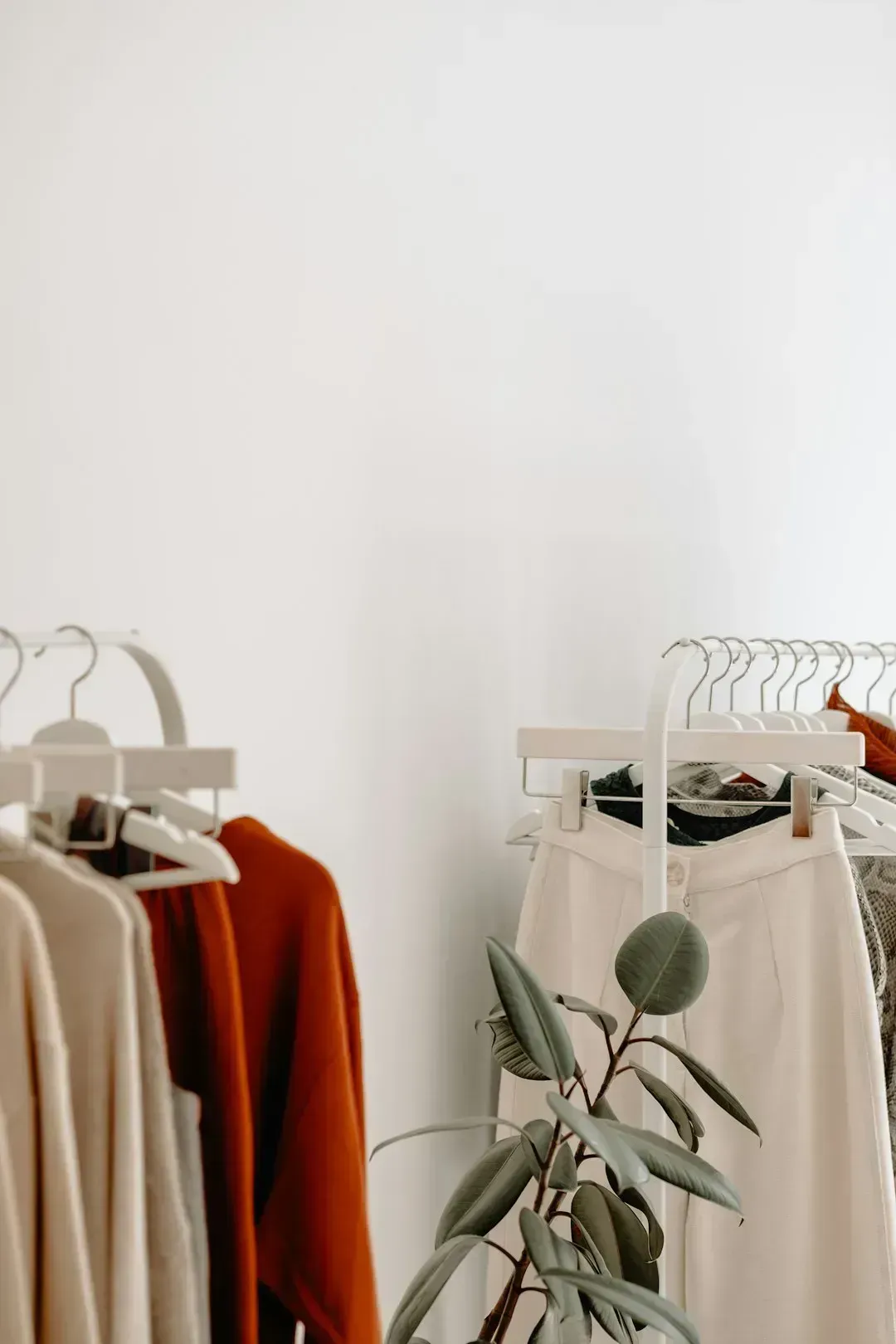
Fashion labels carry a premium that has little to do with fabric quality or construction and a lot to do with branding. Frugal dressers often gravitate toward well made basics from mid range retailers, secondhand shops, or end of season sales, focusing on fit and durability rather than logos. Thrift and resale shopping has also grown substantially in popularity, with the secondhand apparel market continuing to expand as more shoppers look for value without sacrificing style.
This approach isn’t about looking cheap. Plenty of frugal people dress sharply, they just prioritize versatile pieces that last for years over trend driven purchases that lose relevance within a season. The result is often a smaller, more functional wardrobe rather than a closet full of underused designer pieces.
6. Bottled Water

Bottled water can cost hundreds of times more per gallon than tap water, and in most parts of the United States and similarly regulated countries, tap water meets strict safety standards. Frugal households commonly invest once in a reusable bottle and, if needed, an affordable filter, rather than paying repeatedly for something that comes out of the faucet essentially free. This is one of those habits that seems minor until you actually total up an annual bottled water bill.
Beyond the cost, there’s also a practical convenience angle. Carrying a refillable bottle avoids the need for constant repurchasing, and many public spaces now offer refill stations that make the habit even easier to maintain. It’s a small change that, once established, barely requires any thought at all.
7. Cable Television Packages
Traditional cable and satellite TV packages have grown steadily more expensive, often running well over a hundred dollars a month once fees and equipment rentals are included. Frugal households have largely shifted toward a smaller number of targeted streaming subscriptions, or rotate services on and off depending on what they’re actually watching that month. This flexibility alone can cut entertainment costs dramatically compared to a locked in cable contract.
Cord cutting isn’t a fringe behavior anymore either. Industry data has shown a consistent, multi year decline in traditional pay TV subscriptions, reflecting just how many households have made this same calculation. Frugal consumers were often early adopters of this shift, simply because the math made sense long before it became mainstream.
8. Impulse Buys at Checkout

The candy, magazines, and small gadgets lined up near a store’s checkout aren’t there by accident. They’re positioned specifically to catch shoppers in a moment of low resistance, and retailers rely on this placement to boost small, unplanned purchases. Frugal shoppers tend to recognize the tactic for what it is and simply walk past it.
Many stick to a list before they even enter a store, which removes most of the temptation before it starts. It’s a small discipline, but it prevents the kind of five and ten dollar purchases that don’t individually feel significant but quietly chip away at a budget over weeks and months.
9. Gym Memberships They Don’t Use

Gym memberships are notorious for being purchased with enthusiasm in January and then quietly ignored by spring. Frugal people are generally more honest with themselves about this pattern, either committing to a gym they’ll actually use consistently or opting for lower cost alternatives like home workouts, running, or community recreation centers. Industry data has long shown that a large share of paying gym members rarely or never show up, essentially subsidizing the space for everyone else.
This isn’t about avoiding fitness spending altogether. It’s about matching the expense to actual behavior rather than aspirational behavior, which is a distinction frugal people apply to plenty of other purchases too. A twenty dollar a month membership that gets used every week beats an eighty dollar one that gets used twice.
10. Excessive Bank and Credit Card Fees
Overdraft fees, monthly maintenance charges, and annual credit card fees can quietly cost consumers hundreds of dollars a year if left unchecked. Frugal people tend to shop around for fee free checking accounts and credit cards, and many credit unions and online banks now offer accounts with no monthly fees and no minimum balance requirements. Avoiding these charges isn’t complicated, it just requires occasionally comparing what’s actually available.
Late fees and interest charges fall into the same category. Frugal spenders are generally diligent about paying balances in full and on time, which sidesteps interest charges that, on many cards, sit well above twenty percent annually. Skipping that interest alone can save a meaningful amount of money each year.
11. Convenience Fees and Delivery Charges

Food delivery apps have made getting a meal to your door easier than ever, but the convenience comes stacked with delivery fees, service fees, and tips that can inflate a bill by a third or more. Frugal people tend to reserve delivery for occasional use rather than a regular habit, often cooking at home or picking up orders themselves to skip the extra charges entirely. The difference between eating out several times a week through an app versus cooking most meals at home can easily total thousands of dollars annually.
The same logic extends to other convenience fees, like paying extra for expedited shipping when standard delivery would work just fine, or paying ATM fees at machines outside their own bank’s network. None of these charges are enormous on their own, but frugal people notice how quickly they accumulate when left unchecked.
12. Lottery Tickets and Casual Gambling

The odds on lottery tickets and most casual gambling are stacked heavily against the player, often to a degree that surprises people when they see the actual numbers. Frugal individuals generally treat this category as pure entertainment spending, if they engage with it at all, and cap what they’re willing to lose accordingly. Data from lottery commissions consistently shows that a small share of players account for a disproportionate share of ticket sales, often those who can least afford the ongoing expense.
This isn’t a moral judgment so much as a practical one. Frugal people tend to prefer forms of financial risk that carry better long term odds, like investing in diversified index funds, over games where the house edge is baked in from the start. The appeal of a jackpot is real, but so is the math working against it every single time.
Across all twelve of these habits, the common thread isn’t sacrifice. It’s attention. Frugal people simply notice where money leaks out in small, repeated amounts and choose, deliberately, to redirect it toward things that actually matter to them.


Leave a Reply