
1. Clearance items get marked down again, and again

Most shoppers assume a clearance tag is the final price, but that is rarely how markdown cycles work. Retailers typically schedule automatic price reductions on unsold clearance stock every one to two weeks, often shaving off another ten to thirty percent each round. Employees frequently know the store’s markdown schedule because they are the ones re-tagging the shelves.
Waiting a week on a clearance item that has not sold can mean a meaningfully lower price, assuming it is still in stock. Some workers have mentioned that asking a manager directly about the next markdown date is not against any rule, it is just something customers rarely think to ask.
2. Price tags often hide a code that reveals the real discount ceiling

Many chains use a coded system on their price tags, whether it is a colored dot, a specific ending digit, or a small symbol, to indicate how deep an item can eventually be discounted. Workers trained on these systems can look at a tag and know within seconds whether something is destined for a thirty percent cut or a seventy percent clearance blowout. This information is not usually posted anywhere for shoppers to see.
Store associates who have worked apparel or home goods retail have noted that a red dot versus a yellow dot, for instance, can signal very different markdown trajectories. Asking a floor associate what a specific tag color or number means will not always get a straight answer, but some will tell you if you ask directly rather than assuming they cannot share it.
3. End-of-season timing beats waiting for advertised sales

Retailers plan their sales calendars around seasonal transitions, and the deepest discounts usually appear right as a season is ending rather than during flashy advertised sale events. Winter coats see their steepest markdowns in late February and March, not during a January clearance push that still has weeks of cold weather ahead. Patio furniture and grills follow the same pattern, dropping hardest in late July and August once garden centers start making room for back to school merchandise.
Employees who have worked multiple seasons at the same store often learn this rhythm firsthand, since they are the ones physically swapping out floor sets. A worker moving inventory in early spring already knows the winter stuff left on the rack is about to get slashed again before it disappears into storage.
4. Price matching policies are often more flexible than posted

Store policy pages tend to list official price match rules, but the actual enforcement at the register can vary a lot depending on the associate and manager on duty. Many major retailers, including big box chains like Target and Best Buy, have documented price match policies that cover both competitor pricing and their own online listings. Employees sometimes have more discretion than the printed policy suggests, especially for small differences of a few dollars.
A cashier or supervisor with authority to issue a manual discount may approve a price match without requiring the exact paperwork the policy technically demands. It rarely hurts to politely mention a lower price found elsewhere, since many associates would rather resolve it quietly than escalate a dispute over a couple of dollars.
5. Loyalty program tiers unlock better deals than public coupons
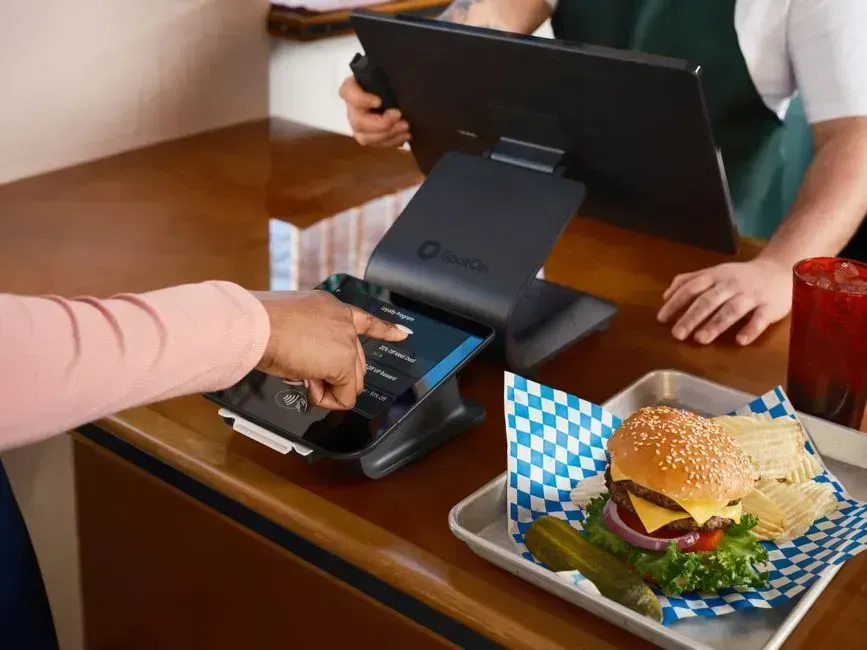
Retailers increasingly reserve their best discounts for members of loyalty or rewards programs rather than for general public coupons or flyers. Chains such as Sephora, Ulta, and various grocery chains have built tiered membership systems where higher spending unlocks progressively larger percentage discounts and early access to sales. Employees often see the back end of these programs and know which membership tier triggers the biggest jump in savings.
Signing up for a free basic tier costs nothing and sometimes still grants meaningful discounts that are not advertised anywhere in the store. Workers have noted that customers who never bother enrolling are effectively leaving money on the table compared to those who do.
6. Damaged or open-box items can often be discounted on request

A box with a torn corner or a floor model with a small scuff is frequently sold at a discount if a customer simply asks, even without an official damaged goods sign nearby. Electronics retailers in particular tend to have policies allowing associates to apply a set percentage off for open-box or display units, since the item cannot be sold as brand new anyway. This is especially common with large appliances, electronics, and furniture where display models rotate out regularly.
Employees have said the discount authority exists specifically because the alternative is marking the item down to clearance anyway, so approving a modest reduction on the spot saves everyone time. It is worth asking a manager directly rather than assuming the sticker price on a visibly imperfect box is fixed.
7. Return and exchange windows are sometimes negotiable near the deadline

Posted return windows, whether thirty, sixty, or ninety days, represent the store’s default policy, but associates occasionally have room to extend a grace period for loyal customers or minor lapses. Store credit is often offered as a compromise when a receipt is missing or a deadline has technically passed by a few days. Retailers generally prefer to keep a customer’s money circulating within the store rather than losing the sale entirely.
Managers, in particular, tend to have override authority on return system prompts that a regular cashier cannot access. Being polite and explaining the situation clearly, rather than assuming the computer’s answer is final, sometimes changes the outcome more than customers expect.
8. Employee discount events sometimes extend informally to friends and family

Many retail brands run structured friends and family sale events, offering a discount similar to or approaching the employee rate for a limited window, often once or twice a year. These events are usually announced through employee networks before they ever reach public marketing channels. Asking an employee whether their store has an upcoming friends and family sale can sometimes get a helpful answer, even if the associate cannot officially promote it.
Some chains, including certain outdoor and apparel brands, have made these events fairly predictable on an annual calendar, occurring around the same months each year. Employees who enjoy their jobs and want to help out customers they recognize will sometimes mention the timing casually if asked directly.
9. The last hour before closing can bring unadvertised markdowns on perishables

Grocery stores, bakeries, and prepared food counters frequently discount perishable items sharply in the final hour or two before closing, since unsold food often cannot be kept overnight. Bakery items, rotisserie chickens, and pre-made sandwiches are common candidates for these late day reductions, sometimes reaching fifty percent off or more. Employees are usually the ones applying these discount stickers, and they often know roughly what time the reductions typically start on a given day.
This pattern has become more visible in recent years partly because of growing public attention to food waste reduction, with some retailers formalizing the practice rather than leaving it to individual discretion. Shoppers who time a grocery run for the last hour before closing, particularly on weekdays, tend to find the deepest last minute discounts on perishable goods.
None of these practices require breaking any rules or asking for special favors that fall outside normal store policy. They mostly involve understanding timing, asking direct questions, and recognizing that posted prices are often just the starting point of a larger, more flexible pricing system working quietly in the background.


Leave a Reply