
1. Ordering a drink that’s basically a dessert
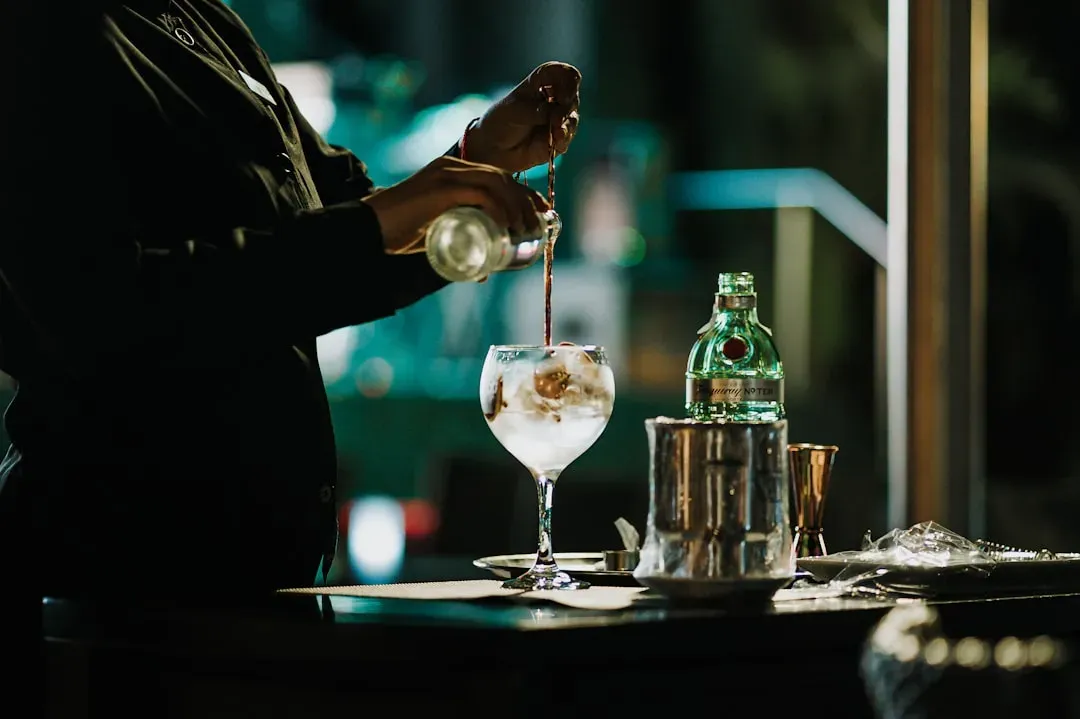
Bartenders often notice that visitors gravitate toward elaborate, sugar-heavy cocktails with names built for Instagram rather than flavor. Drinks piled with whipped cream, neon syrups, or sparklers tend to draw a knowing look from staff who serve locals sipping something simpler at the same bar. It’s not that these drinks are bad, but the ordering pattern itself signals someone unfamiliar with the venue’s actual strengths.
Regulars usually know which cocktails a bar is known for, often something drier or more balanced, and they order accordingly. Tourists, working off a menu photo or a recommendation from a travel blog, will frequently request the flashiest option regardless of whether it fits the bar’s style. That mismatch between the drink and the venue is one of the fastest tells bartenders mention.
2. Asking for a menu at a bar that doesn’t have one
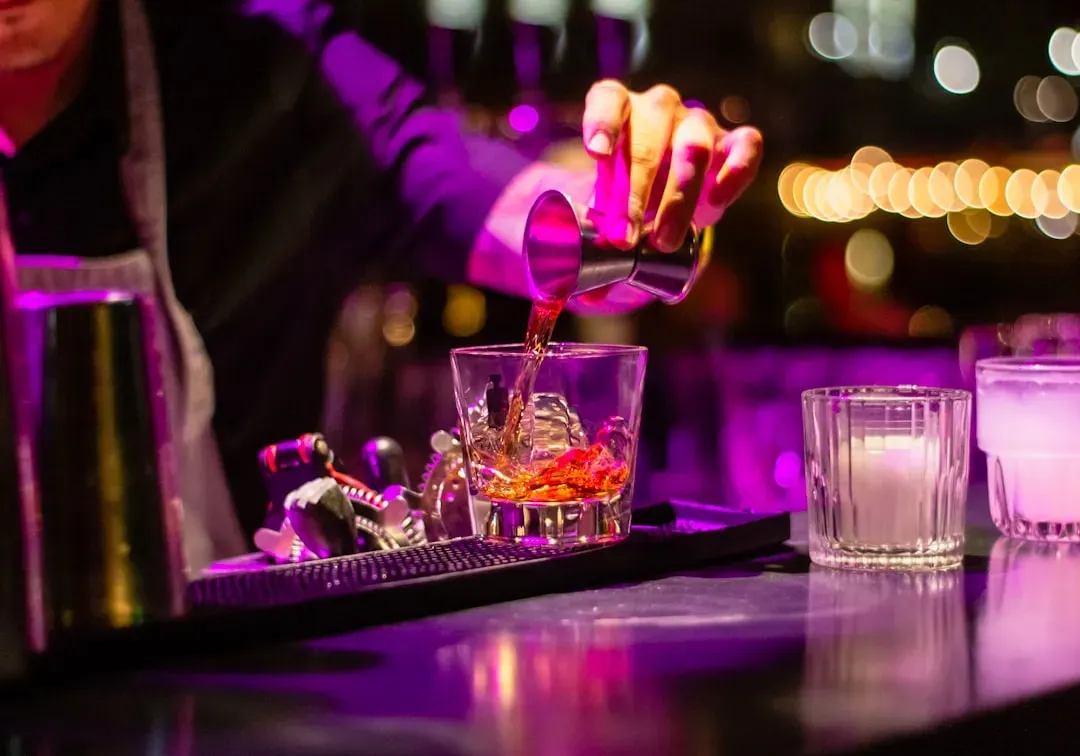
Plenty of neighborhood bars, especially older ones, never printed a cocktail menu and never plan to. Asking for one in that setting immediately signals that someone is used to a different kind of bar experience, often one built around tourism-heavy areas with laminated lists and photos. Locals typically already know the two or three specialties of the house or simply ask the bartender directly what’s good.
This habit isn’t really about confusion so much as expectation. Visitors are conditioned by hotel bars and airport lounges to expect a structured list, so the absence of one throws them off. Bartenders say the simple move of asking “what do you make well here?” instead reads as far more natural and gets a better answer anyway.
3. Over-tipping or under-tipping in ways that don’t match local norms
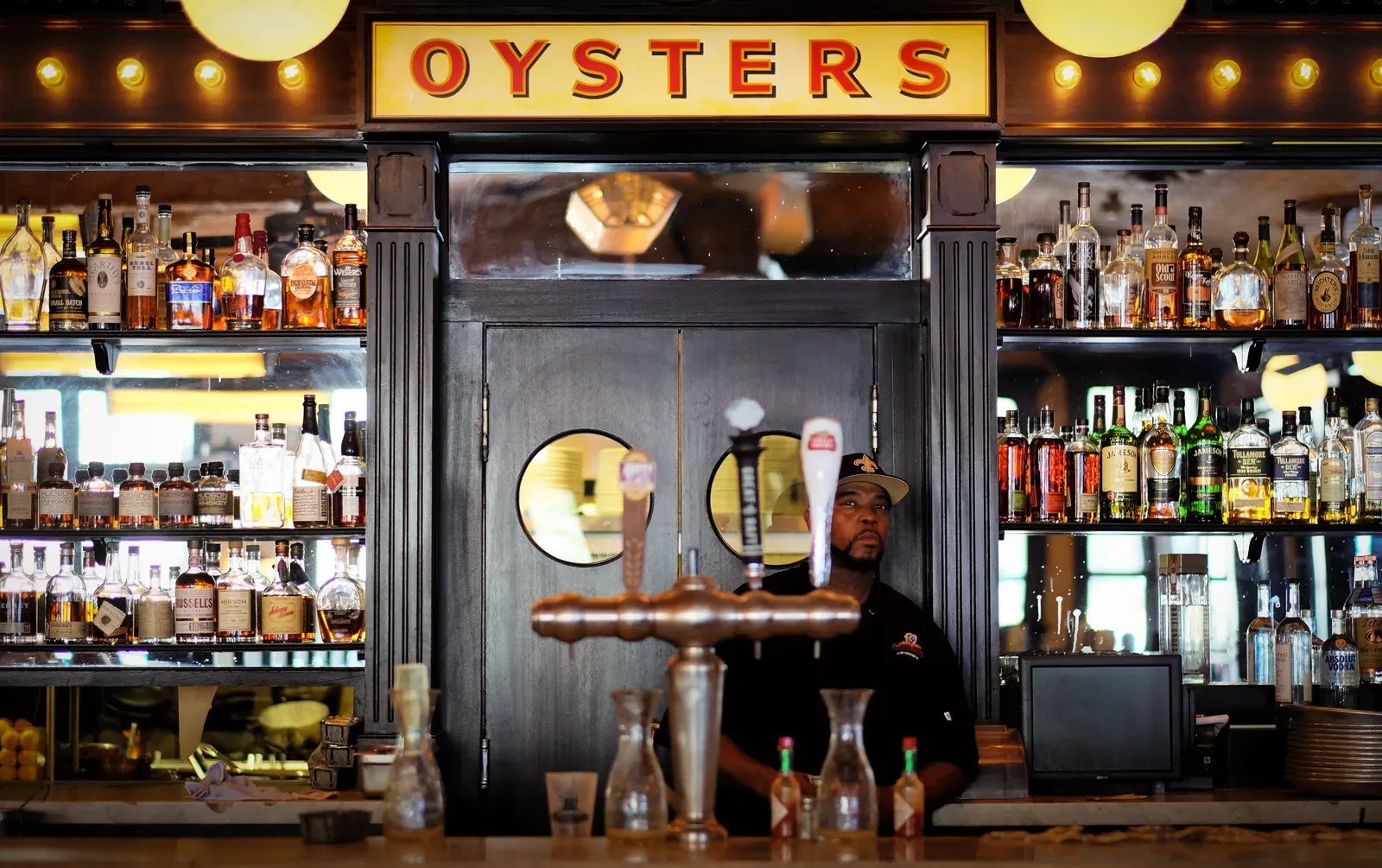
Tipping culture varies enormously by country and even by city, and bartenders notice immediately when someone’s tip doesn’t match local expectations. In the United States, standard practice is generally around one to two dollars per drink or roughly fifteen to twenty percent on a tab, and travelers from countries without a tipping culture often either leave nothing or overcompensate wildly. Both extremes stand out.
In places like parts of Europe where service is often included in the price, American tourists sometimes still tip heavily out of habit, which locals rarely do. Bartenders in these regions have mentioned that a large cash tip after a simple beer order is one of the more obvious signs of an American visitor. The tipping gap isn’t a moral issue, just a clear cultural fingerprint.
4. Taking photos of the drink before taking a sip
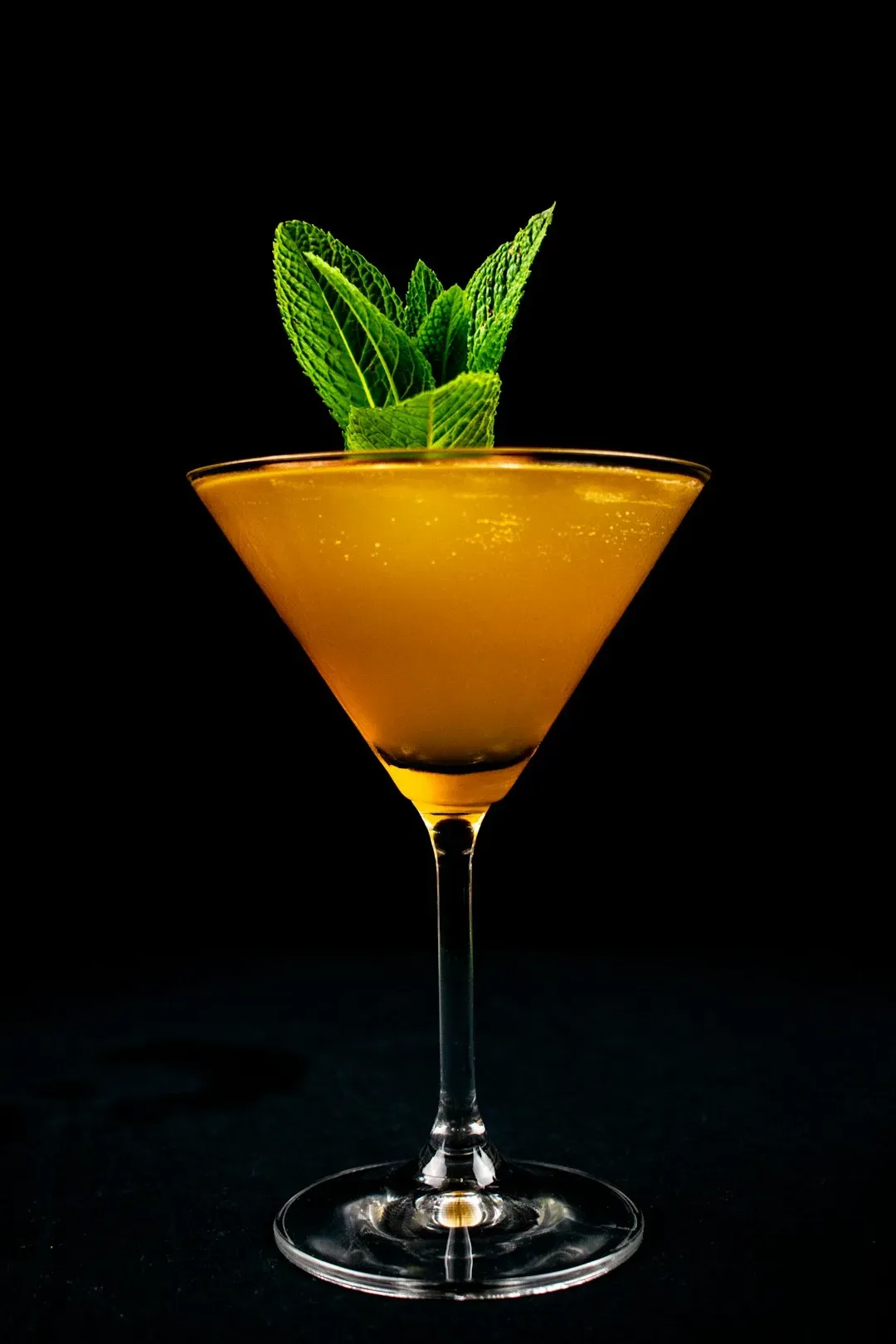
Bartenders have watched this behavior increase dramatically over the past several years alongside the rise of cocktail culture on social media. A drink arriving and immediately being angled under the overhead light for a photo, sometimes with a phone flash going off in a dim room, is a habit almost exclusively tied to visitors treating the bar as a backdrop rather than a regular stop.
This isn’t inherently a problem for staff, but it does slow down the flow at a busy bar, especially when someone asks for the drink to be repositioned or wants a second photo after adding a garnish. Locals who frequent a spot regularly rarely bother, since the novelty has worn off. The habit is harmless, but it’s one of the quickest visual tells bartenders point to.
5. Asking what’s popular instead of what’s good
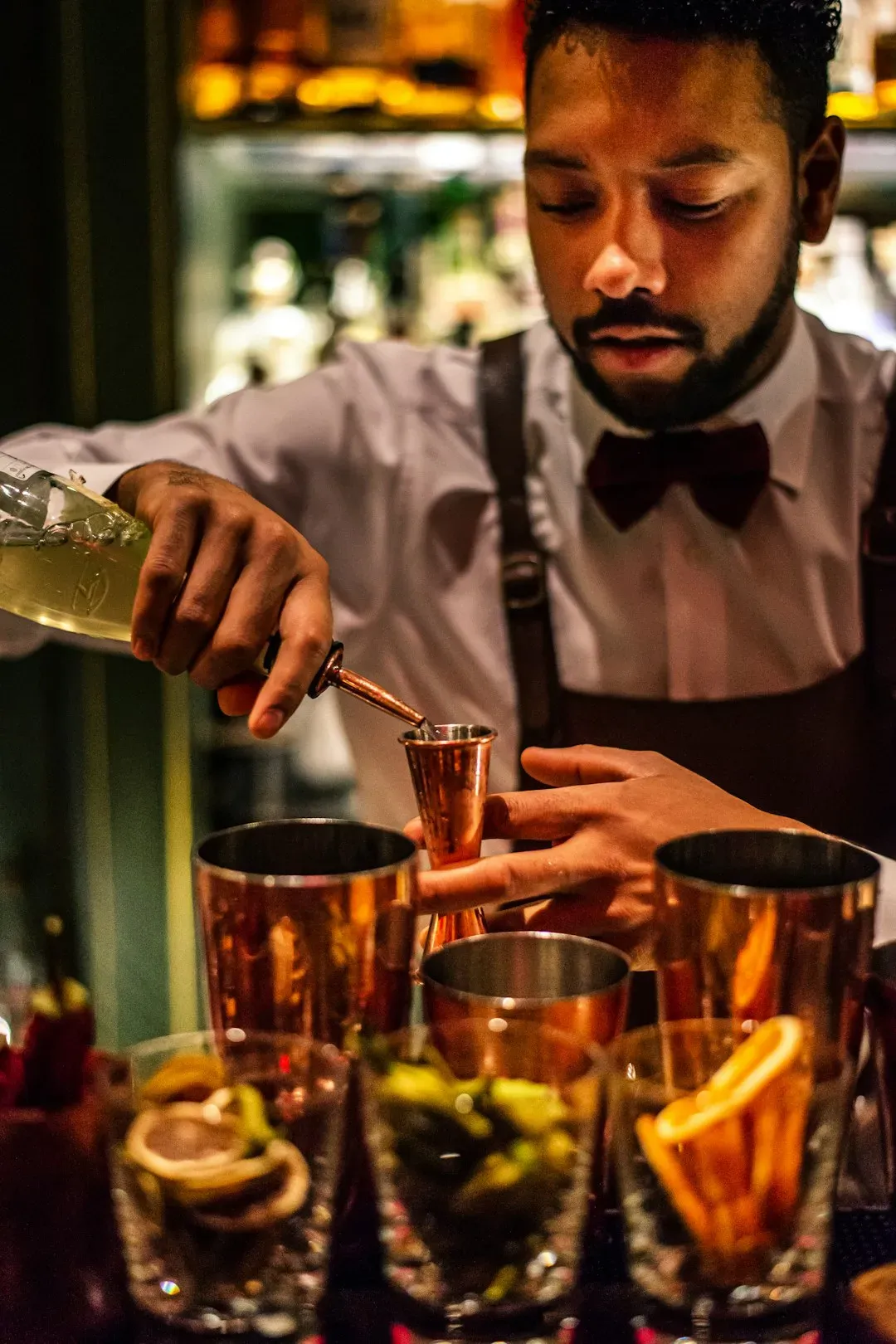
There’s a subtle but telling difference between someone asking “what’s your best drink” versus “what’s the most popular drink here.” Bartenders say tourists frequently default to the second phrasing, essentially asking to be steered toward whatever other visitors are already ordering. It’s a search for social proof rather than a personal recommendation.
Locals, especially regulars, tend to trust the bartender’s personal taste more than crowd behavior, since they’ve likely built a rapport over repeat visits. Asking about popularity over quality also often leads to being served whatever’s easiest to make in volume, not necessarily the bar’s most interesting offering. It’s a small phrasing choice, but bartenders notice it consistently.
6. Ordering drinks that don’t match the season or region
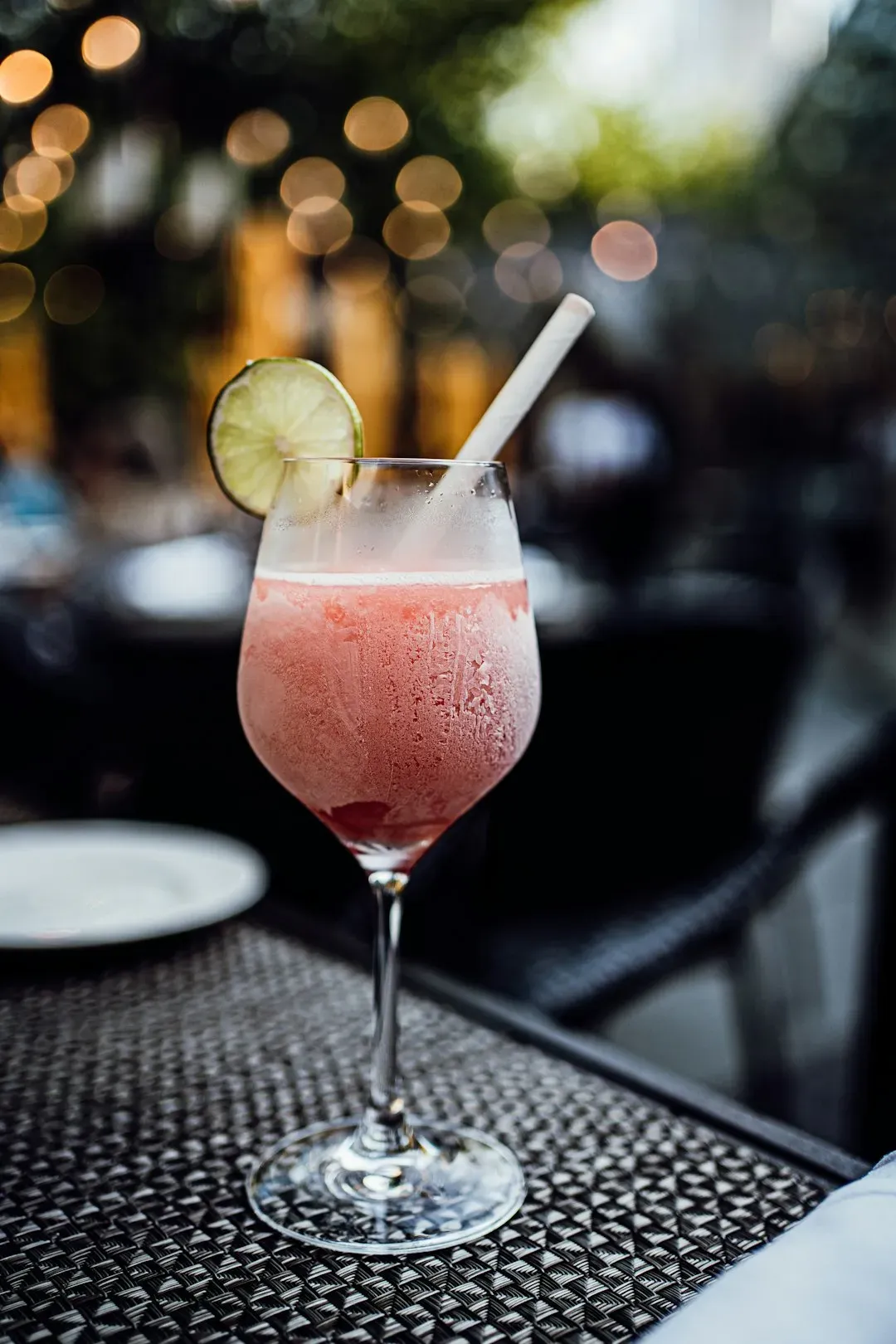
Bartenders in colder climates often mention getting requests for frozen, blended cocktails in the middle of winter almost exclusively from visitors, while locals shift toward warmer, spirit-forward drinks as the temperature drops. The same happens in reverse in tropical destinations, where locals might favor something lighter while tourists overload on rum-heavy, syrupy options regardless of the actual climate that day.
This mismatch often comes from expectation rather than preference. Visitors associate a destination with a certain drink style, piña coladas in the Caribbean or hot toddies in a mountain town, and order based on the image of the place rather than what actually suits the weather or the specific bar’s specialty. Locals adjust with the seasons; tourists often order based on postcards.
7. Standing or sitting in the wrong spot at the bar
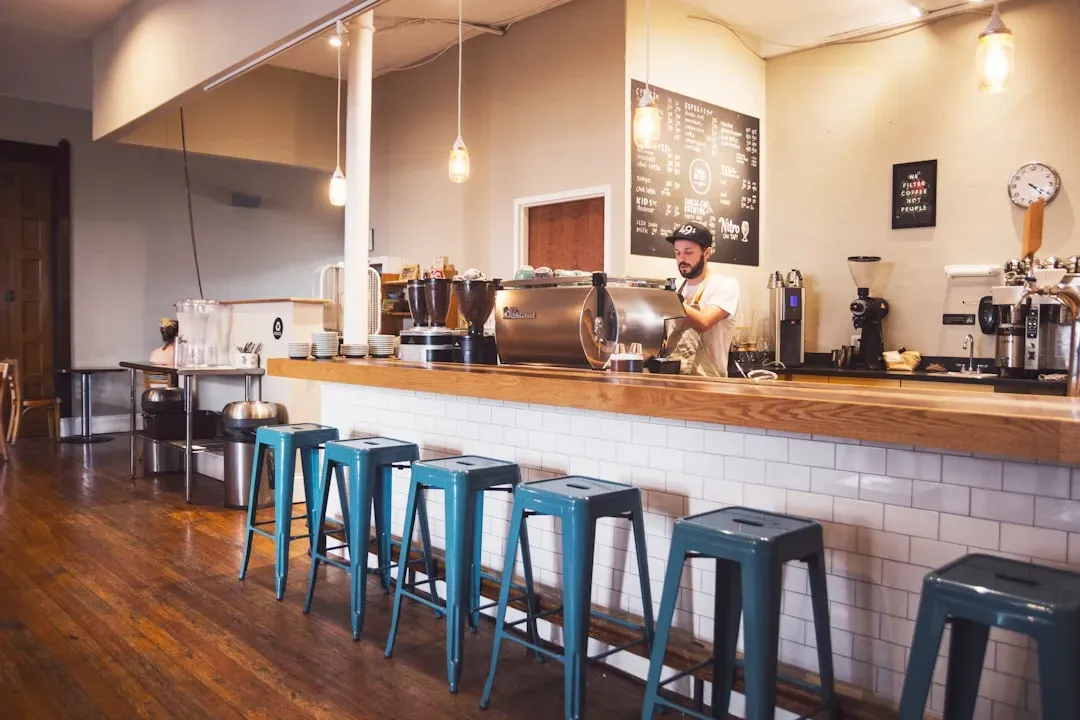
Every regular bar has unofficial seating norms, whether that’s an unspoken reserved stretch near the service well for staff to move quickly, or a stretch of counter locals avoid because it’s too close to the kitchen pass. Visitors unfamiliar with these patterns will often sit exactly where the flow gets disrupted, prompting bartenders to gently redirect them.
This habit isn’t really about ordering at all, but it directly affects service speed and the type of attention someone gets. Bartenders say regulars naturally gravitate toward specific stools over time simply through repeated visits, while newcomers pick spots based on what looks open rather than what actually works with the bar’s rhythm. It’s a small spatial cue that gives away unfamiliarity almost instantly.
8. Asking for heavy substitutions on a classic cocktail
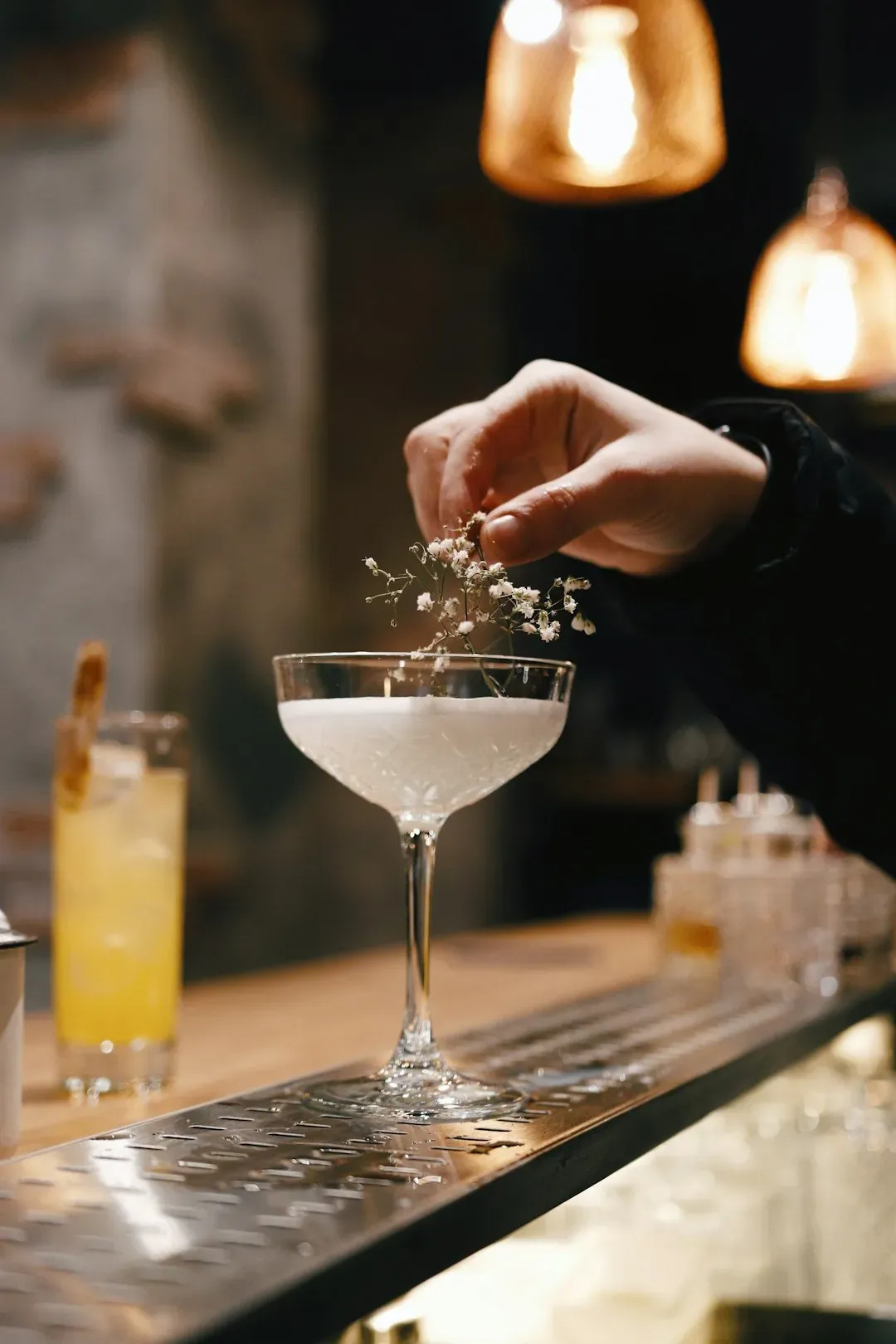
Classic cocktails like a Negroni, Old Fashioned, or Martini have fairly fixed ratios for a reason, and bartenders say requests to swap out core ingredients, extra sweet, less bitter, different spirit entirely, tend to come overwhelmingly from visitors unfamiliar with why the drink is built that way. Locals who order these classics regularly usually know the standard and either accept it or ask for a small, specific tweak rather than a full rebuild.
This doesn’t mean customization is wrong, but bartenders note that heavy substitution requests on menu classics often signal someone ordering based on a name they recognize rather than genuine familiarity with the drink itself. It slows preparation and sometimes results in a cocktail that no longer resembles what was ordered. A more experienced approach is choosing a different drink entirely rather than reshaping a classic from the ground up.
9. Not knowing the bar’s basic etiquette around getting the bartender’s attention
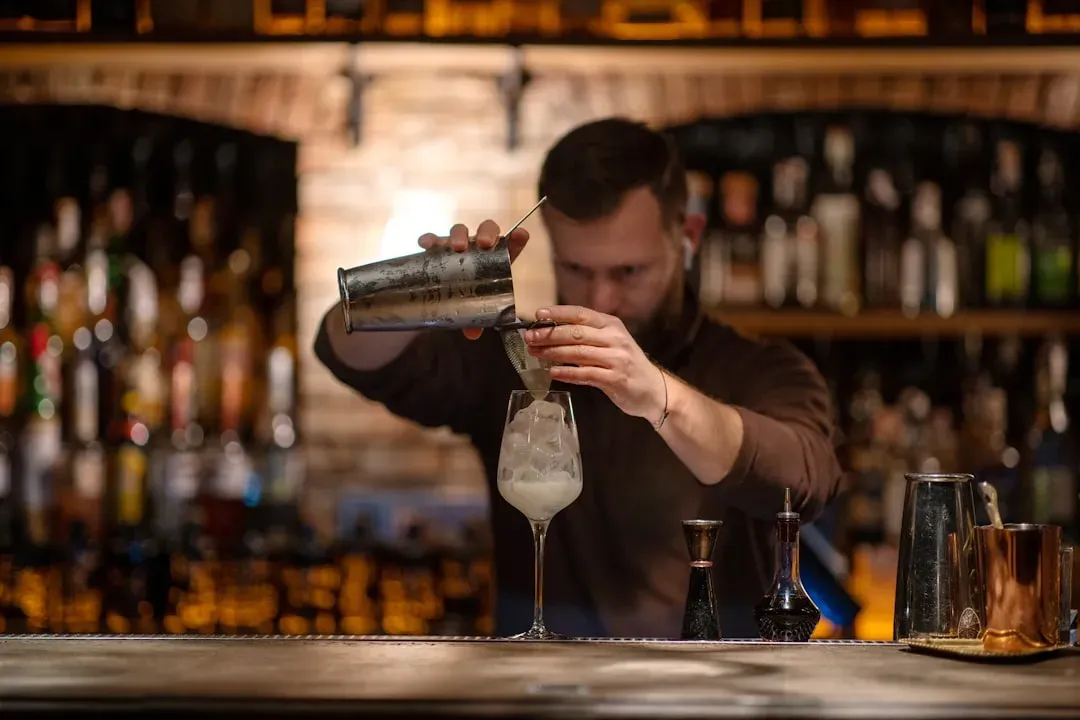
Waving cash, snapping fingers, or calling out loudly to get served are habits bartenders consistently associate with visitors unfamiliar with how a busy bar actually operates. Locals typically know to make eye contact, wait for a natural break, or simply stand patiently near the service area rather than actively flagging someone down.
This etiquette gap is one of the more universally recognized tourist signals across bars in different countries, since the unspoken system of getting served efficiently is something regulars absorb over repeated visits rather than something posted anywhere. Bartenders say patience and quiet presence almost always get faster service than any attempt to stand out. It’s a simple habit, but one that instantly separates someone who knows the room from someone just passing through.
These nine habits aren’t really about right or wrong ordering choices. They’re small behavioral patterns shaped by repetition, local knowledge, and the built-in rhythm of a specific bar that only becomes obvious after enough visits.


Leave a Reply