
The entryway is one of those spaces that nobody thinks much about – until it starts working against you. It’s the first thing you encounter coming home and the last thing you navigate on the way out. For most of the first half of life, a cluttered foyer is little more than an eyesore. After 50, it can quietly become something more serious.
The entryway is often the first place a person walks into when they arrive home, making it incredibly easy to set things down and forget they’re there. A cluttered entryway can be quite stressful, as well as a trip hazard waiting to happen. The good news is that most of what needs to go isn’t sentimental – it’s just stuff that has quietly outlived its usefulness in that particular spot.
1. Loose Throw Rugs and Unsecured Floor Mats
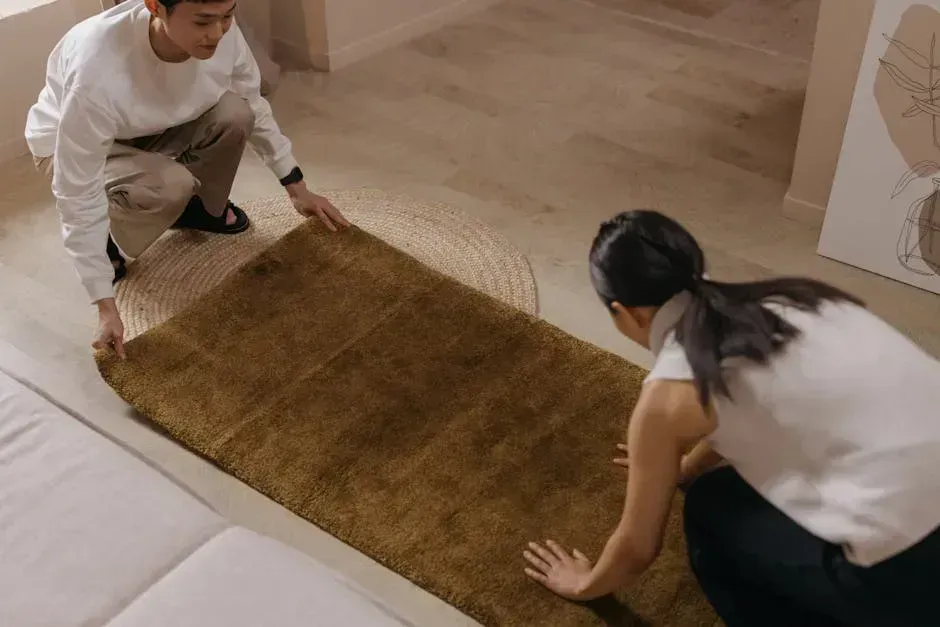
Falls are a leading cause of unintentional injury among adults aged 65 and older, and loose, unsecured rugs and damaged carpets with curled edges are recognized environmental hazards that may contribute to those falls. The entryway is one of the highest-risk spots precisely because people are often coming and going quickly, sometimes carrying bags or groceries, not watching every step.
Annually, an estimated nearly 38,000 adults aged 65 or older were treated in U.S. emergency departments for falls associated with carpets and rugs. Welcome mats and loose floor mats at entryways can be especially dangerous since they often move or roll up unexpectedly. If a rug doesn’t have firmly secured, non-slip backing – it should go.
2. Excess Shoes Piled on the Floor
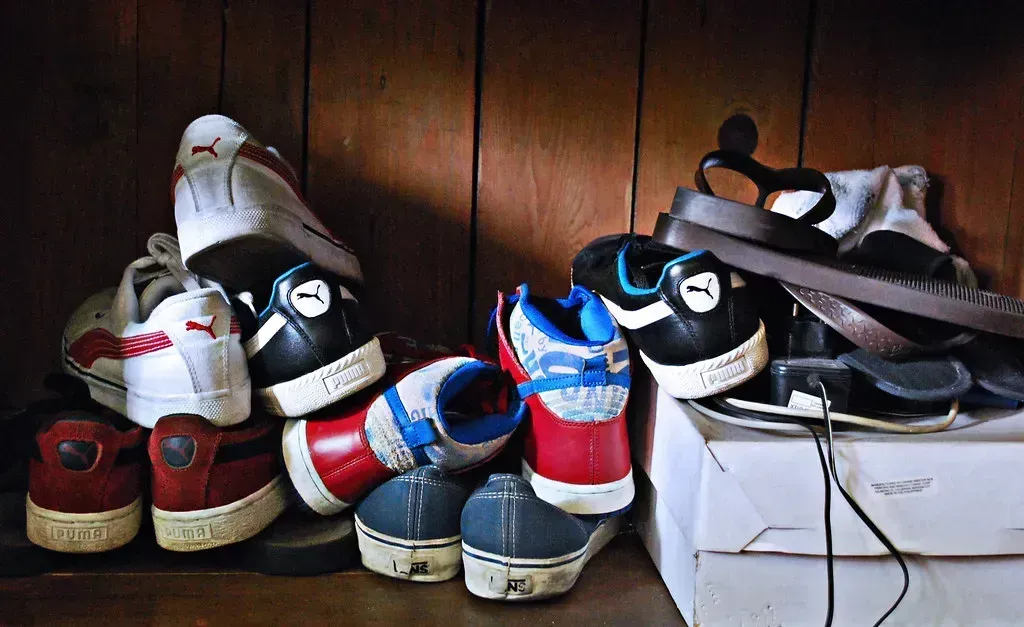
Clutter transforms a safe living space into a minefield of potential trips and falls, and a proactive approach to decluttering is an essential part of fall prevention. Entryways in particular should be kept clear of shoes, mail, umbrellas, and shopping bags. A pile of shoes just inside the door is one of the most common entryway hazards – and one of the easiest to fix.
Experts recommend opting for high storage solutions for shoes to prevent older individuals from having to bend down to retrieve their belongings, with a nearby bench or chair being handy for getting shoes on and off in comfort. The goal isn’t to eliminate shoes from the entryway entirely, but to pare down to only the pairs you actually reach for on a daily basis, stored neatly and safely.
3. A Bulky, Unnecessary Console Table
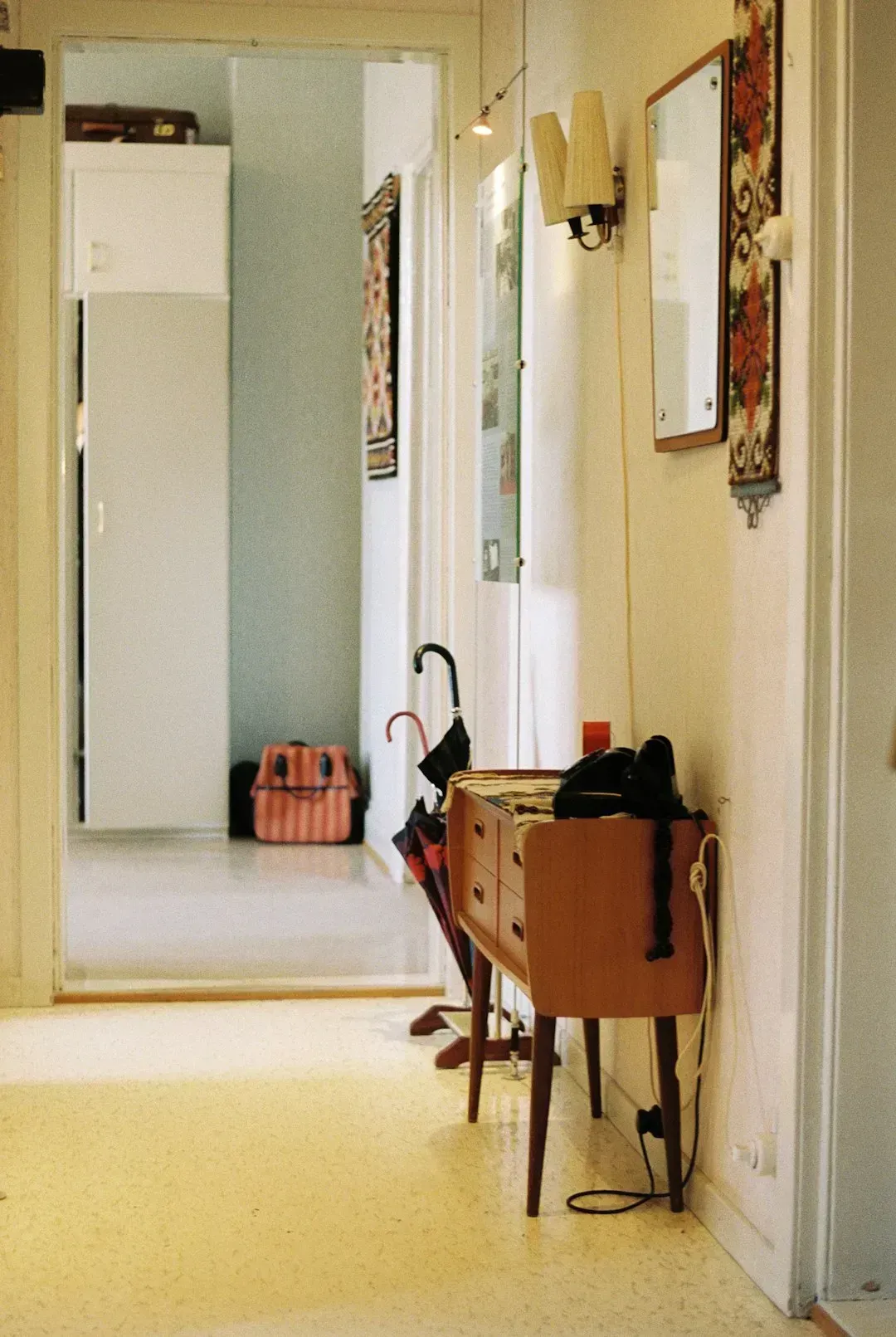
Narrow hallways and cluttered rooms can be hazardous, especially for those using walkers or wheelchairs, and removing unnecessary furniture and clearing pathways ensures a smoother flow through every room. A large console table that was once a charming centerpiece can become an obstacle as mobility needs evolve. If it primarily collects clutter rather than serving a clear function, that’s a signal worth paying attention to.
Rearranging furniture to clear pathways and opting for items with rounded edges while avoiding bulky pieces that obstruct movement is a core recommendation for home safety as we age. A slimmer, wall-mounted shelf or a simple key hook can serve the same purpose without taking up walking space.
4. Tall, Wobbly Decorative Items
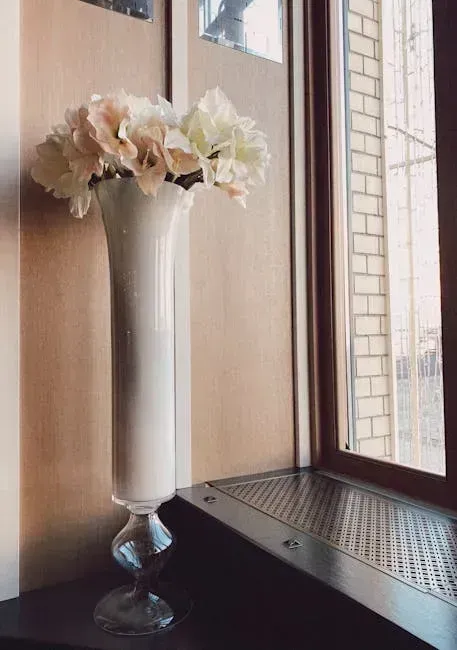
Too many decorative items can make an entryway feel crowded. Sticking to a few intentional pieces and keeping clean surfaces makes the space easier to maintain every day. Tall vases, heavy sculptures, or decorative items with unstable bases present a particular concern – they tip easily if bumped and can cause injury on the way down.
Keeping sharp-edged furniture away from main pathways and securing lightweight chairs or tables that may tip over if accidentally bumped not only reduces the risk of falls but also makes navigating the home less stressful and more comfortable. Decorating an entryway after 50 is really about choosing fewer pieces that are anchored, purposeful, and out of the natural walking line.
5. Out-of-Season Outerwear and Coats
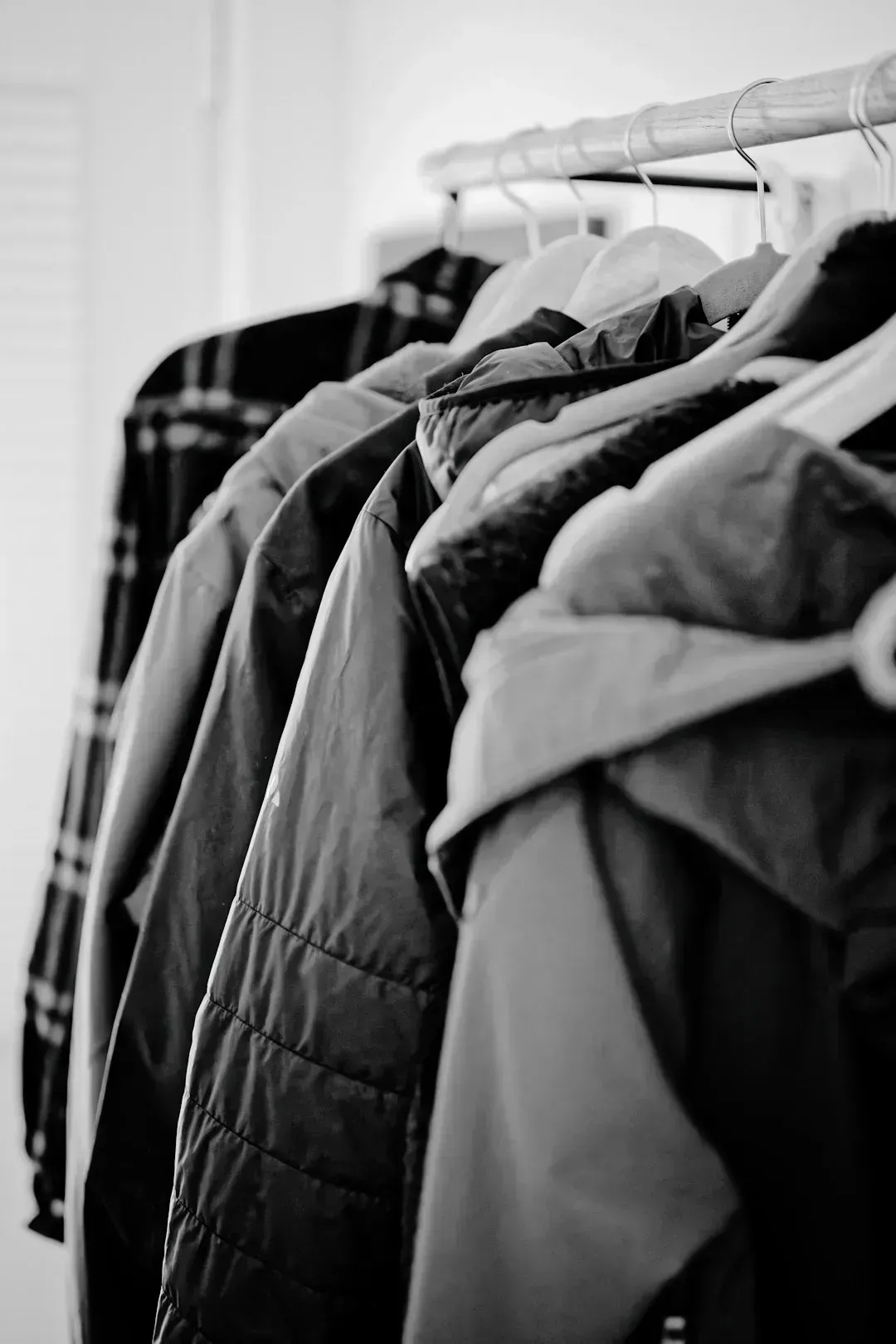
It’s tempting to drop a jacket as soon as you step through the door, whether on a coat rack or a bench. An overabundance of outerwear is frequently the reason an entryway feels cluttered. Instead of storing jackets and sweaters there, moving them to a closet or dedicated clothes rack frees up valuable space. When every hook is loaded with coats from three different seasons, the whole area feels heavier and harder to navigate.
One of the most effective organizing tips for a clutter-free entryway is to remove and store seasonal outerwear and shoes in a tote. If it’s summer, winter coats and boots simply don’t need to be taking up space in that area. Keeping only what’s currently in rotation makes the entryway lighter, more functional, and considerably safer.
6. Piles of Mail, Magazines, and Paperwork
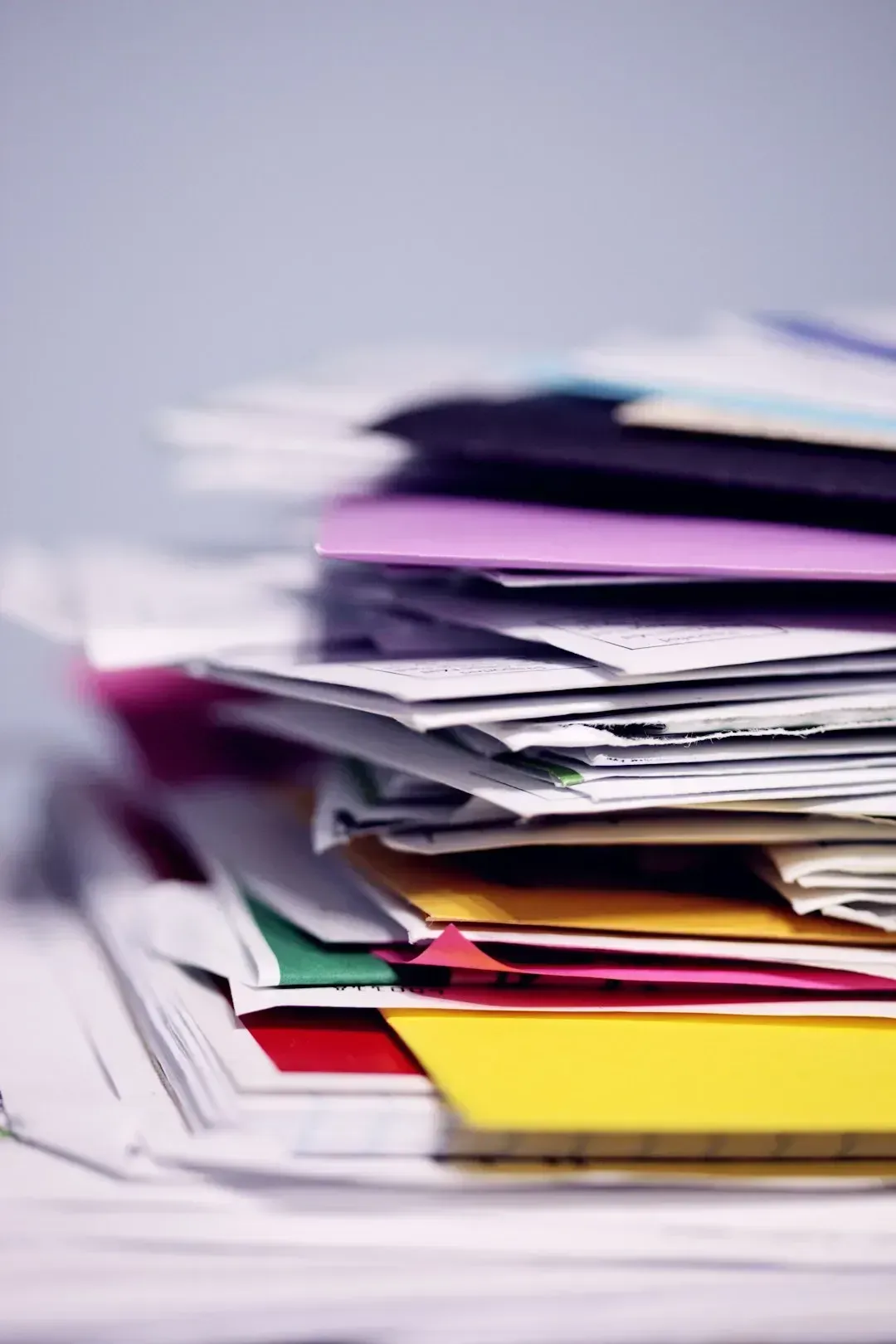
Family comings and goings tend to deposit mail, paperwork, newspapers, magazines, library books, broken items, and extra clothing right at the door. It happens gradually, which is exactly why it’s so easy to overlook. A small stack becomes a tall stack, and before long the entryway table has become an informal filing system.
The entryway is often a dumping ground for things that don’t really belong there – items set down for “just a minute” that never get dealt with. After 50, simplifying the paper trail matters for both home safety and mental clarity. By removing items that have stopped being useful, you create more space for what is truly needed and may experience greater mental clarity with less visual clutter competing for your attention.
7. Electrical Cords and Extension Leads Near the Door
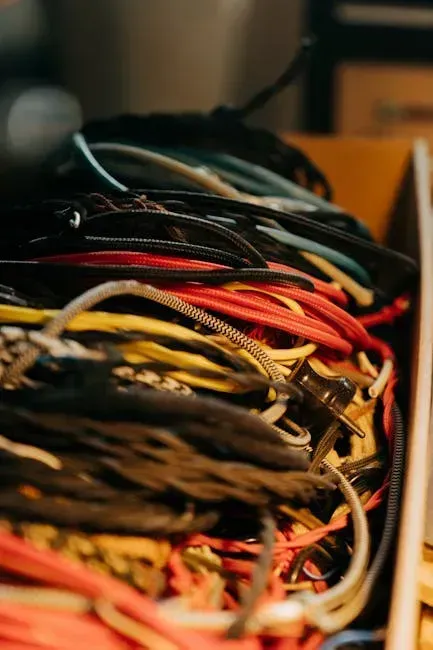
Cords to lamps, televisions, and other commonly used appliances are likely to be near doorways and represent a genuine hazard in the entryway zone. It’s a detail that rarely gets mentioned in décor conversations but consistently appears in home safety checklists for older adults. A single cord crossing a walking path is enough to cause a serious fall.
Electrical cords from lamps, chargers, and other devices should be neatly managed, secured along walls, or covered with cord covers to prevent tripping. If you’ve got a charging station, a lamp cord, or a power strip sitting anywhere near the front door, moving it elsewhere or securing it flat against the baseboard is a small change with real consequences.
8. Oversized or Overfilled Umbrella Stands
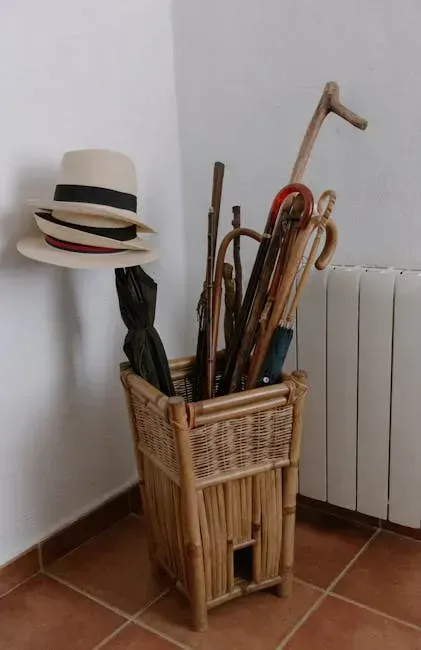
Entryways and hallways may be crowded with things left behind, like shoes, bags, mail, or umbrellas – all of which can create hazardous conditions underfoot. An umbrella stand that’s crammed with six umbrellas, a few walking sticks, and a broken brolly from 2019 is doing nobody any favors. It becomes wide, unstable, and a source of low-grade frustration every time you try to find the right one.
The fix is simple: keep one or two umbrellas you actually use, store them upright in a slim, stable stand with a weighted base, and donate or discard the rest. Too many items in the entryway creates instant chaos. Keeping only what you actually use daily and storing the rest elsewhere makes a significant difference in maintaining an organized, navigable space.
9. Heavy, Seldom-Used Sports or Hobby Equipment
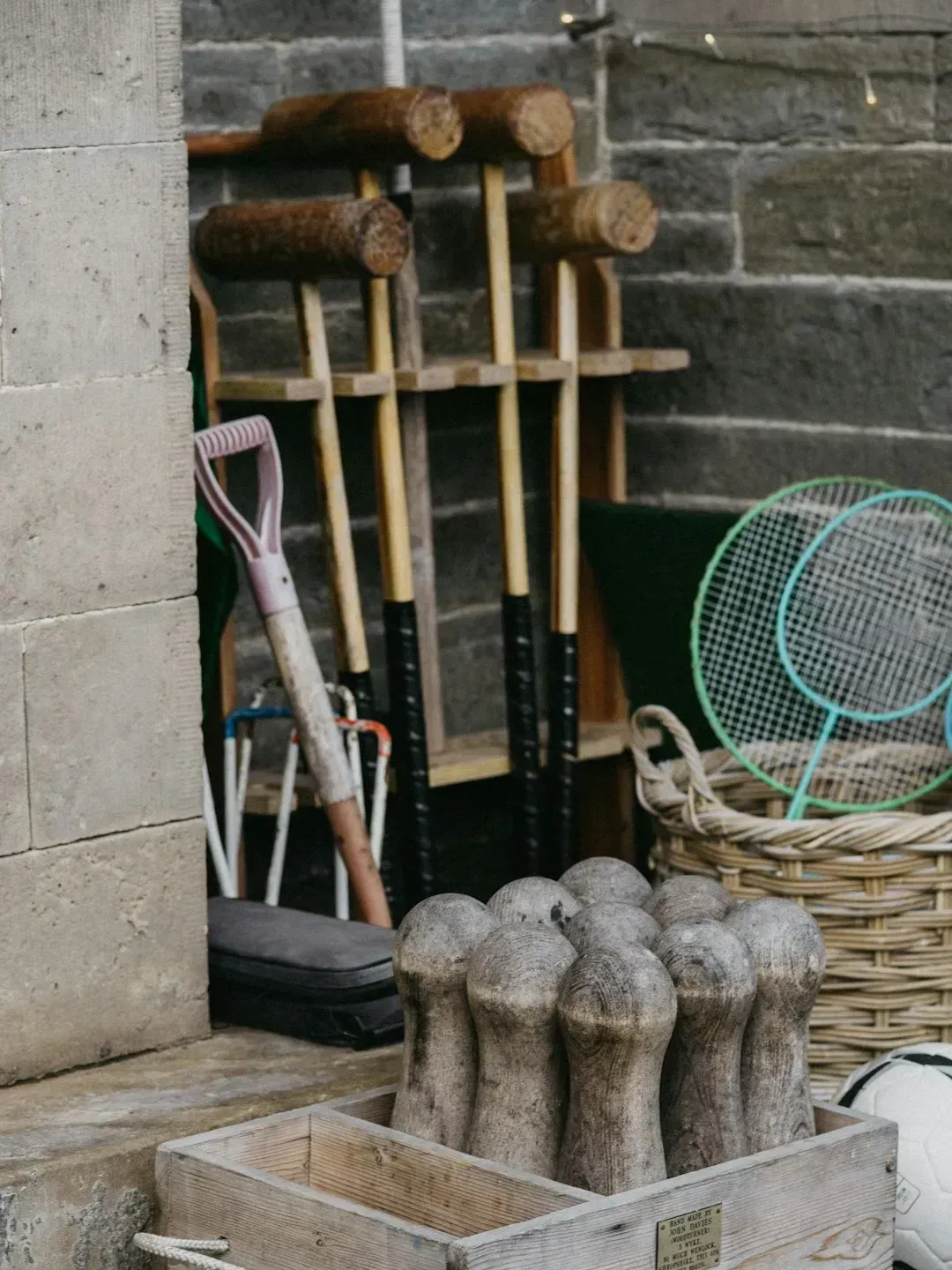
Golf bags leaning against the wall, bicycle helmets on hooks, hiking poles propped in the corner – these items accumulate quietly over the years. They make an entryway feel cluttered and narrow, and they’re often things you’d reach for only occasionally. Removing unnecessary items and clearing pathways is a foundational step in home safety, with the recommended walkway width being at least 36 inches to accommodate mobility aids and comfortable movement.
Incorporating built-in storage to reduce clutter and keep pathways clear is a key design principle for aging in place, going beyond just avoiding trip hazards to allowing easy and safe circulation. If sporting gear or hobby equipment is sitting in the entryway but gets used only a handful of times per year, it belongs in a garage, utility room, or dedicated storage space – not in the first room you walk through every day.
10. A Cluttered Key Bowl or Overloaded Hook System
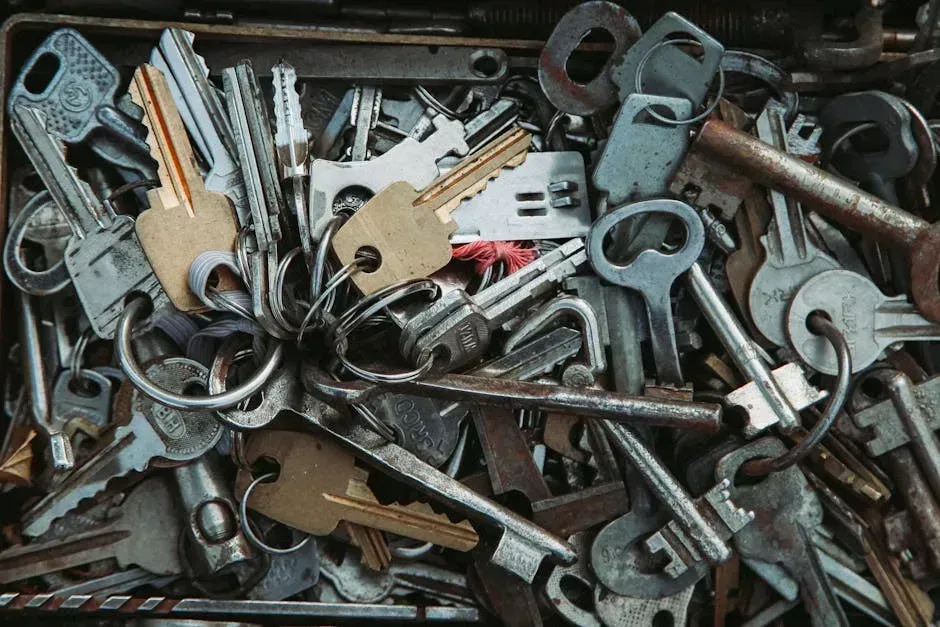
A small dish by the door is genuinely useful. A dish overflowing with old receipts, expired store cards, forgotten earrings, rubber bands, and ten keys you can’t identify anymore is something else entirely. As adults age, maintaining an organized home can become more challenging. Physical limitations, health changes, and emotional attachments to belongings can all make clutter harder to manage, yet home organization plays a critical role in safety, accessibility, and overall quality of life.
A drop zone is a dedicated space where everyday items naturally land: keys, wallets, bags, and mail. Without clear structure, clutter spreads instantly. After 50, streamlining this drop zone means regularly clearing out what doesn’t belong and keeping only the keys and items you genuinely reach for every single day. A simpler system is a faster system, and that matters more as life gets busier.
11. Decorative Clutter That Collects Dust Without Adding Value
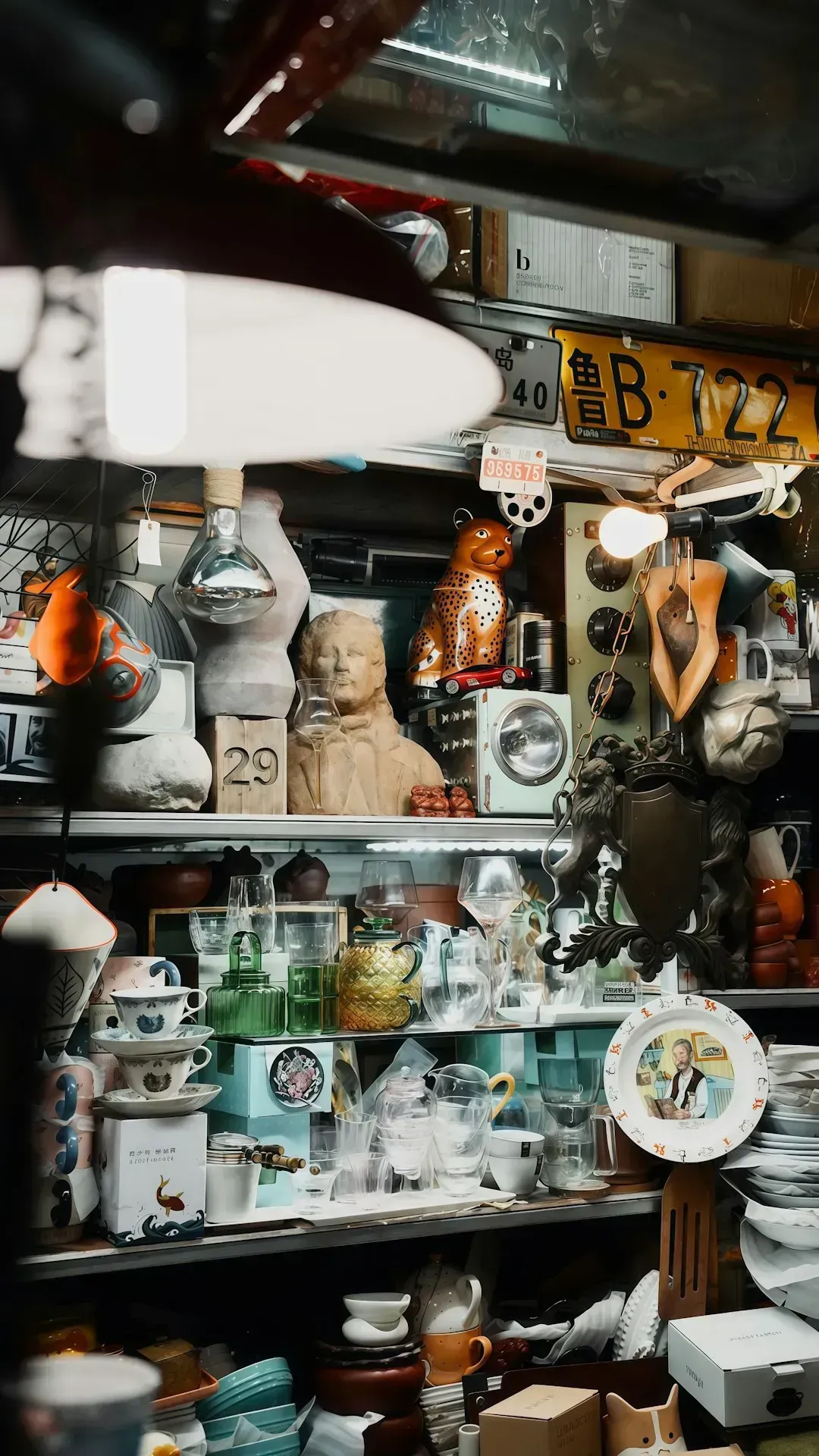
Items that have stayed in a specific area for too long and were never originally placed there tend to find a permanent home in the entryway. You become so used to seeing them that you develop a kind of clutter blindness. This is especially true of small decorative objects – figurines, trinkets, seasonal knickknacks – that looked intentional once but now just blend into the background.
Home organization is about more than appearances. It directly supports safety, comfort, and well-being. Clearing out decorative clutter that no longer serves you is not about becoming a minimalist – it’s about making sure the first space you enter and exit every day actually supports how you live now. The more you release items that have served their time and are no longer useful, the more your simplified home will bring a genuine sense of peace, calm, and ease.
The entryway is a small space with an outsized effect on how a home feels and functions. After 50, that effect becomes more tangible – not just aesthetically, but physically and practically. Research has long shown that home assessment and modification is an effective intervention to prevent falls and fall-related injuries, and a well-designed environment protects people from home injuries and hidden hazards in daily activities. The items on this list aren’t things to grieve. They’re things to release so that the space you move through every day can actually work for you.


Leave a Reply